Moroni
Authentic African island capital with volcanic backdrop charm
Most people couldn't place the Comoros on a map, which is exactly why Moroni feels like stepping into a secret. This tiny capital sits between Madagascar and mainland Africa, where minarets rise against the backdrop of Mount Karthala's volcanic slopes. The streets smell of ylang-ylang and cardamom. Arabic script decorates weathered stone buildings. And you might be the only tourist wandering the old medina on any given Tuesday.
Here's what makes Moroni special: it's completely, refreshingly authentic. No cruise ships dock here. No chain hotels dominate the skyline. Just 60,000 people living their lives in one of Africa's most isolated capitals, where fishermen still haul nets by hand at sunrise and the call to prayer echoes off volcanic rock.
Culture & Context
VOLCANIC ISLAMIC CROSSROADS
Moroni is the capital of one of the world's most overlooked nations — a volcanic archipelago shaped by Arab traders, Bantu-speaking settlers, Swahili civilization, and a century of French colonialism, all compressed into a city of roughly 85,000 people. The name itself comes from the Shingazidja word 'mroni,' meaning 'at the river.' Sunni Islam defines daily rhythm here: the call to prayer echoes off coral-stone walls five times a day, the Old Friday Mosque (Ancienne Mosquée du Vendredi) has packed worshippers since 1427, and Ramadan reshapes the entire city.
The medina — locally called Badjanani — is the Arab heart of the place, full of carved wooden doors, crumbling stone facades, and the remnants of bangwees (open-air gathering places where men once debated community affairs). Comoros is also one of the world's top producers of ylang-ylang, and during harvest season the port district smells like a perfume house. The National Museum holds a preserved coelacanth specimen — the prehistoric 'living fossil' fish rediscovered in these waters.
Mount Karthala's black volcanic cone (2,361 meters) frames everything: large sections of the coastline and historic building foundations are formed from solidified lava flows. French is the language of administration and schools; Shingazidja (the Grande Comore dialect of Comorian/Shikomori) is what people actually speak at home and in the markets. Arabic serves religious and classical functions.
English is minimal but growing among younger professionals and tour operators.
Local Customs
GREETINGS BEFORE BUSINESS ALWAYS
Greetings are not optional — they are cultural currency. A five-minute exchange of hellos and 'how are yous' before getting to any business is completely normal. Comorians want to know how you woke up, how your journey was, how your family is.
Rush past it and you come across as rude.. Cover shoulders and knees in the Badjanani medina and near any mosque — this applies to men and women equally. The Old Friday Mosque allows non-Muslims inside outside prayer times: remove shoes, lower your voice, and treat it like a living room, not a photo set..
Ramadan shuts Moroni down in ways that surprise first-timers — restaurants close during daylight, public eating in the street is considered disrespectful, and business hours compress significantly. Check the Islamic calendar before booking.. Always ask before photographing anyone, especially older women.
If the answer is no, smile and move on. The conversation that follows a polite refusal is often warmer than any photo.. Eat cooked food, eat it hot, drink it bottled — this applies even to water used for brushing teeth.
Harbor stalls near Place de l'Indépendance are a good bet because fish turnover is fast and freshness cuts the risk.. Agree on taxi fares before you get in. Nothing runs on a meter.
Ask your hotel what a fair price is for your destination before you negotiate at the curb.. Tipping is not customary in taxis unless service was genuinely exceptional. In restaurants, rounding up is appreciated but not expected..
Alcohol is not culturally accepted in public spaces — Comoros is a Sunni Muslim nation. It does exist in some clubs and a handful of restaurants (including a few spots in Moroni that serve it discreetly), but don't assume availability and never drink in the street.. The party in Moroni starts after midnight in the few clubs that exist.
Locals typically nap before going out. Streets are dark after dark — arrange a taxi through your hotel rather than walking distances at night.
Safety
PETTY THEFT, MEDICAL EVACUATION REQUIRED
The U.S. State Department rates Comoros at Level 2: Exercise Increased Caution, citing crime, civil unrest, and health concerns.
Violent crime against tourists is rare, but petty theft (pickpocketing, bag snatching) flares in crowded markets and on beaches when bags are left unattended. Protests in Moroni can turn violent — they tend to be politically motivated and spontaneous. Monitor local media, avoid demonstrations entirely, and be ready to change your plans fast.
Healthcare is the most serious practical concern: Moroni's clinics handle minor issues, but anything significant typically requires medical evacuation to Réunion or Mayotte. All care providers require payment in KMF or USD upfront. Travel insurance that covers medical evacuation is not optional here — it's essential.
Outside Moroni, ambulances are essentially nonexistent. ATMs crash frequently and are scarce outside the city center, so carry more cash than you think you need. Don't walk alone after dark — streets are poorly lit and poorly signed.
Drink only bottled water, including for teeth brushing. The November–April wet season brings cyclone risk; January–March is the most dangerous window. Mount Karthala is an active volcano — check its status before any planned hike, as eruptions have forced 40,000 evacuations as recently as 2005–2006.
Getting Around
MINIBUSES & FERRY BOATS
Prince Said Ibrahim International Airport (HAH) sits 19 km north of the city center, near Hahaya. From the airport: private taxis cost 2,000–5,000 KMF ($4–$11) and take 20–30 minutes; shared collective minibuses run 500–1,500 KMF ($1–$3) but wait until full, so budget an extra 30–45 minutes. There is no rail network in Comoros.
City transport relies entirely on informal shared minibuses (taxi-brousse / bush taxis) and private taxis — nothing runs on a meter, so negotiate fares before you get in and ask your hotel what a fair price is for your destination. Walking is the best way to explore the medina and harbor district, though shoes with grip matter as streets are uneven and steep. For inter-island travel, ferries are the main option: Maria Galanta sails Moroni–Anjouan twice weekly (Thursday and Sunday departures, ~5 hours, €36 one way).
Boats also run to Dar es Salaam (Tanzania) via Agency Hishma on Itsambuni Street near the port, and to Mahajanga (Madagascar). Domestic flights between islands exist via Air Services Comores but are irregular — confirm schedules far in advance. During cyclone season (Nov–April), rough seas cancel ferries, sometimes for days.
Always ask to inspect the boat before buying a ferry ticket.
Useful Phrases
Moroni Itineraries
View all7 Days in Moroni: Wild Coasts & Volcanic Green
Week · $$$
Jungle Shores of Moroni: A 3‑Day Island Escape
Weekend · $$$
Romantic Moroni: Lagoon Shores & Volcanic Shorescape Escape
Week · $$$
Wild Green Weekender in Romantic Moroni
Weekend · $$$
Wild Green Moroni: Family Islands & Volcano Adventure
Week · $$$
Wild Weekender in Moroni: Volcano, Jungle & Sea
Weekend · $$$
Things to Do in Moroni
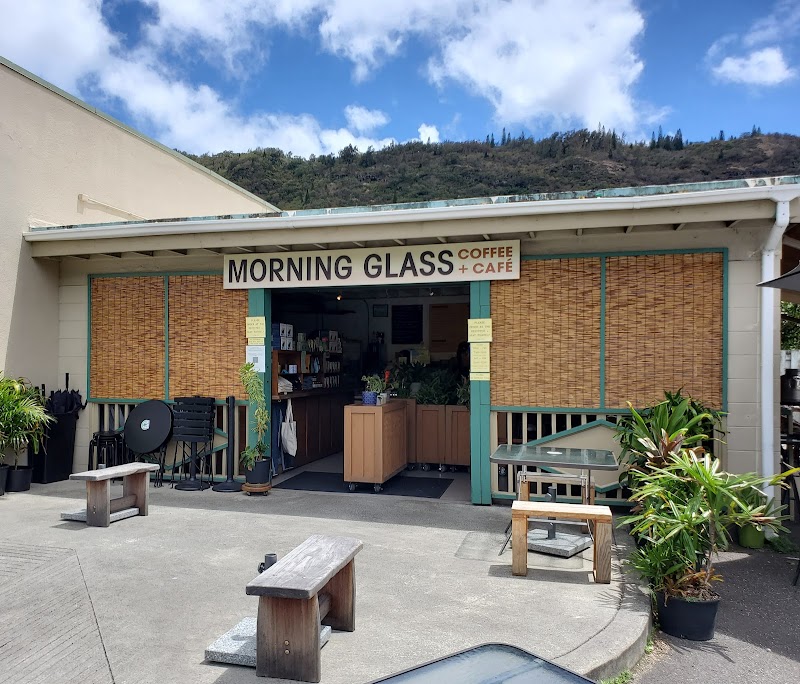
Morning Coffee & Port Watching
Old Port / Waterfront · 60 minMoney-Saving Tips
- 1.Bring cash in euros — ATMs are unreliable and many don't accept foreign cards
- 2.Bargain at the central market but not aggressively — vendors appreciate respectful negotiation
- 3.Shared taxis (taxi-brousse) cost 200 francs for short trips, much cheaper than private taxis
- 4.Eat at local spots near the market — tourist restaurants charge 3x more for similar food
- 5.Buy bottled water in bulk at shops rather than from street vendors to save money
- 6.Tip modestly — 10% is generous and often unexpected but appreciated
Travel Tips
- •Learn basic French phrases — English is rarely spoken outside hotels
- •Dress conservatively, especially when visiting mosques or walking through residential areas
- •Bring malaria prophylaxis and insect repellent — mosquitoes are active year-round
- •Download offline maps before arriving — internet can be spotty around the island
- •Pack comfortable walking shoes with good grip — streets are uneven and can be slippery
- •Respect photography restrictions near government buildings and always ask before photographing people
- •Carry small bills — vendors rarely have change for large denominations
- •Book flights well in advance — only a few airlines service the Comoros with limited schedules