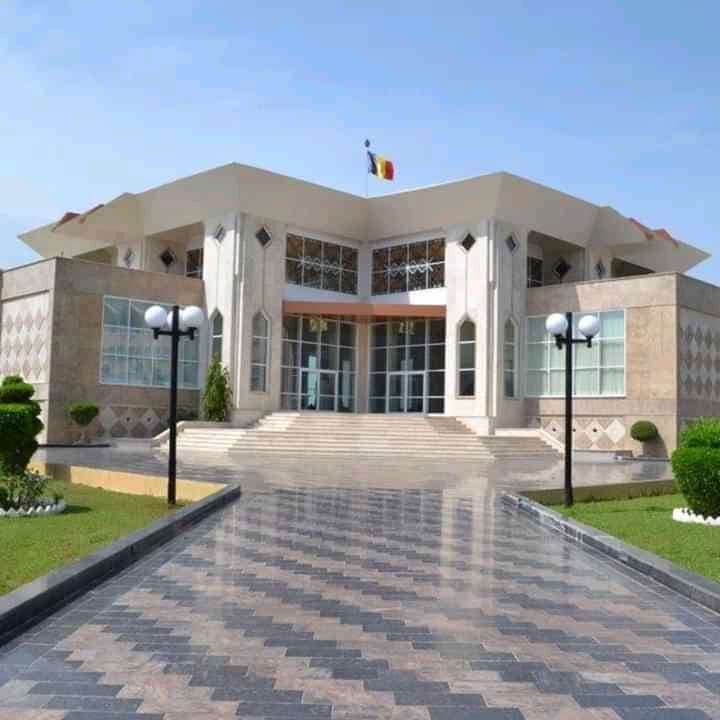
N'Djamena
Chad's bustling capital where Sahel culture meets modern Africa
N'Djamena sits at the crossroads of Central and West Africa, where the Chari and Logone rivers meet before flowing into Lake Chad. This isn't your typical African capital. There are no safari lodges or Instagram-famous landmarks here. Instead, you'll find a working city where traditional Sahel culture collides with the realities of modern governance and commerce.
The Grand Marché pulses with activity from dawn to dusk. Vendors sell everything from handwoven fabrics to imported electronics while the call to prayer echoes across the dusty streets. Look, this place won't coddle you. The infrastructure can be challenging, the heat is intense, and tourist amenities are sparse. But that's exactly what makes it fascinating.
Here's what you get: authentic cultural exchanges, incredible local cuisine, and the satisfaction of visiting one of Africa's least touristed capitals. The people are curious about foreigners and genuinely welcoming once you show respect for local customs. Plus, your travel budget stretches remarkably far here.
Best Months
JAN · FEB · NOV · DEC
~35°C · moderate crowds
Culture & Context
SAHELIAN CODES STRICT
N'Djamena is a predominantly Muslim city operating under Sahelian social codes that are stricter than most West African capitals. Shoulders and knees covered, for men and women both. Women travelers will find a headscarf smooths every interaction noticeably.
Greetings are taken seriously here. A proper greeting means a right-hand handshake plus genuine inquiry about health and family. Rush that and you've already made a poor impression.
Eat only with your right hand if invited to share a meal, which locals may offer after very brief acquaintance. That is genuine hospitality, not a tourist performance. During Ramadan (dates shift annually with the Islamic calendar), eating, drinking, or smoking in public during daylight hours is a real breach of local norms.
Plan around Eid al-Fitr and Eid al-Adha logistically: most businesses close, transport slows for one to three days, and the city's mood shifts entirely. Same-sex relationships are illegal in Chad. Public displays of affection are broadly frowned upon regardless of orientation.
Always carry identification; police can and do demand it, and foreigners have been arrested for failing to produce ID on the spot.
Local Customs
RIGHT HAND ONLY
Greetings are not optional. Launching straight into a transaction without a proper handshake and mutual inquiry about health and family is considered rude, even at market stalls.. Always use your right hand for eating, passing objects, and handshakes.
The left hand is considered unclean.. Ask explicit permission before photographing any person. Also remember you legally need a government permit to photograph anything in public, and military/police/government buildings are always off-limits..
Dress conservatively. Shoulders and knees covered for everyone. Women will find a headscarf makes interactions noticeably smoother..
During Ramadan, do not eat, drink, or smoke in public during daylight hours. This applies to non-Muslims visiting the city too.. If invited to share a meal from a communal bowl, accept.
Declining is a social slight. Sharing food is an act of trust and friendship here.. Register with the National Police Headquarters within 72 hours of arrival.
This is a legal requirement, not a suggestion.. Never photograph the airport, military installations, police officers, or government buildings, even casually or from a distance. Camera confiscation and detention are real consequences.
Safety
LEVEL 4 ALERT
Let's be direct: the US State Department has Chad at Level 4 "Do Not Travel," and the UK's FCDO advises against all but essential travel to N'Djamena itself. These aren't bureaucratic overcautions. In January 2025, 24 attackers tried to storm the presidential palace.
The French military (which had been the city's security backstop since 1960) pulled out in 2025 after Chad terminated its defense agreement. That changed the calculus on the ground. Armed robbery and carjacking happen in daylight.
Security forces at spontaneous roadblocks, especially after dark, have been known to solicit bribes. The US Embassy requires its own staff to use armored vehicles within city limits and get prior authorization to travel outside N'Djamena. Don't walk anywhere at night, even short distances.
The State Department explicitly says avoid regular taxis; arrange private transport through your hotel or a vetted agency. Photography is a serious legal issue: you need a government permit to photograph anything, and military buildings, airports, police, and government facilities are always off-limits regardless of permit. Get comprehensive travel insurance with medical evacuation coverage before you go.
There is one private hospital in N'Djamena with near-international standards; everything else is well below that bar.
Getting Around
MOTOS & PRIVATE HIRE
Motorcycle taxis (motos) are how the city moves. They weave through traffic at speeds that assume near-misses are normal, and a short hop costs a few hundred FCFA. Agree on a price before you get on.
For anything longer or after dark, arrange private transport through your hotel. The US Embassy actively tells visitors not to use regular taxis. There are no trains and no reliable intercity bus network.
Privately operated minibuses exist but are routinely under-maintained and genuinely dangerous. If you need to leave the city, hire a car and driver from a reputable company, travel only during daylight, and bring extra fuel, a spare tire, food, and water. International driving permit required.
It is illegal to use a mobile phone while driving, and vehicles with tinted windows are not allowed. If you're in an accident, stay in the car and call police. Do not move the vehicle.
Useful Phrases
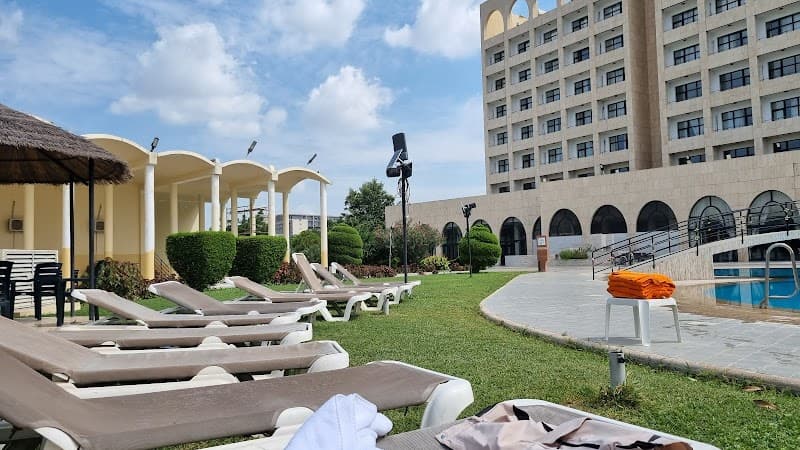
Things to Do in N'Djamena
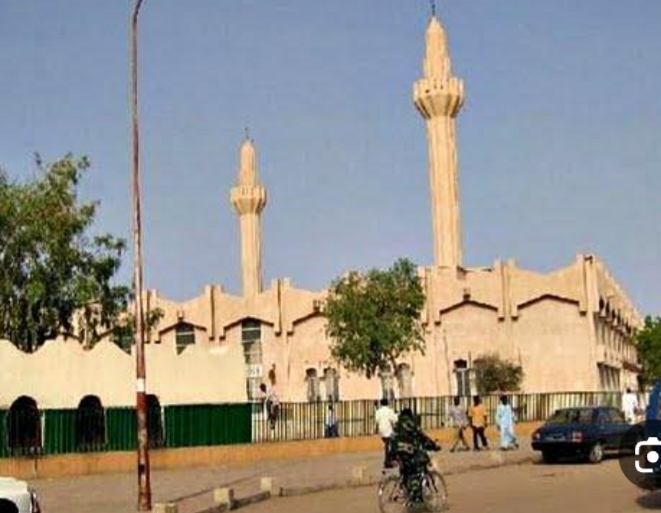
Grand Mosque N’Djamena & Surroundings
Grand Mosque / City Center · 60 min
Grand Marché
Centre-Ville · 120 minMoney-Saving Tips
- 1.Bring US dollars or euros for exchange – credit cards rarely work outside major hotels
- 2.Bargain at markets but start at 30% of the asking price, not 50%
- 3.Tip taxi drivers 200-500 CFA francs for good service – it's appreciated but not expected
- 4.Buy bottled water in bulk from supermarkets (500 CFA each) rather than hotels ($3-4)
- 5.Street food costs 500-1,500 CFA francs per meal compared to $15-25 at tourist restaurants
- 6.Local SIM cards cost 2,000 CFA francs and save money on international roaming charges
Travel Tips
- •Learn basic French phrases – English is rarely spoken outside diplomatic circles
- •Carry small denominations of CFA francs as vendors often can't make change for large bills
- •Dress conservatively, especially when visiting mosques or government areas
- •Download offline maps before arriving – internet can be spotty outside the city center
- •Pack dust masks for harmattan season when Saharan dust fills the air
- •Respect photography restrictions near government buildings and military installations
- •Bring hand sanitizer and use it frequently – public restroom facilities are basic
- •Book hotels in advance during dry season when business travelers and NGO workers visit