Norfolk Island
Remote Pacific paradise with convict history charm
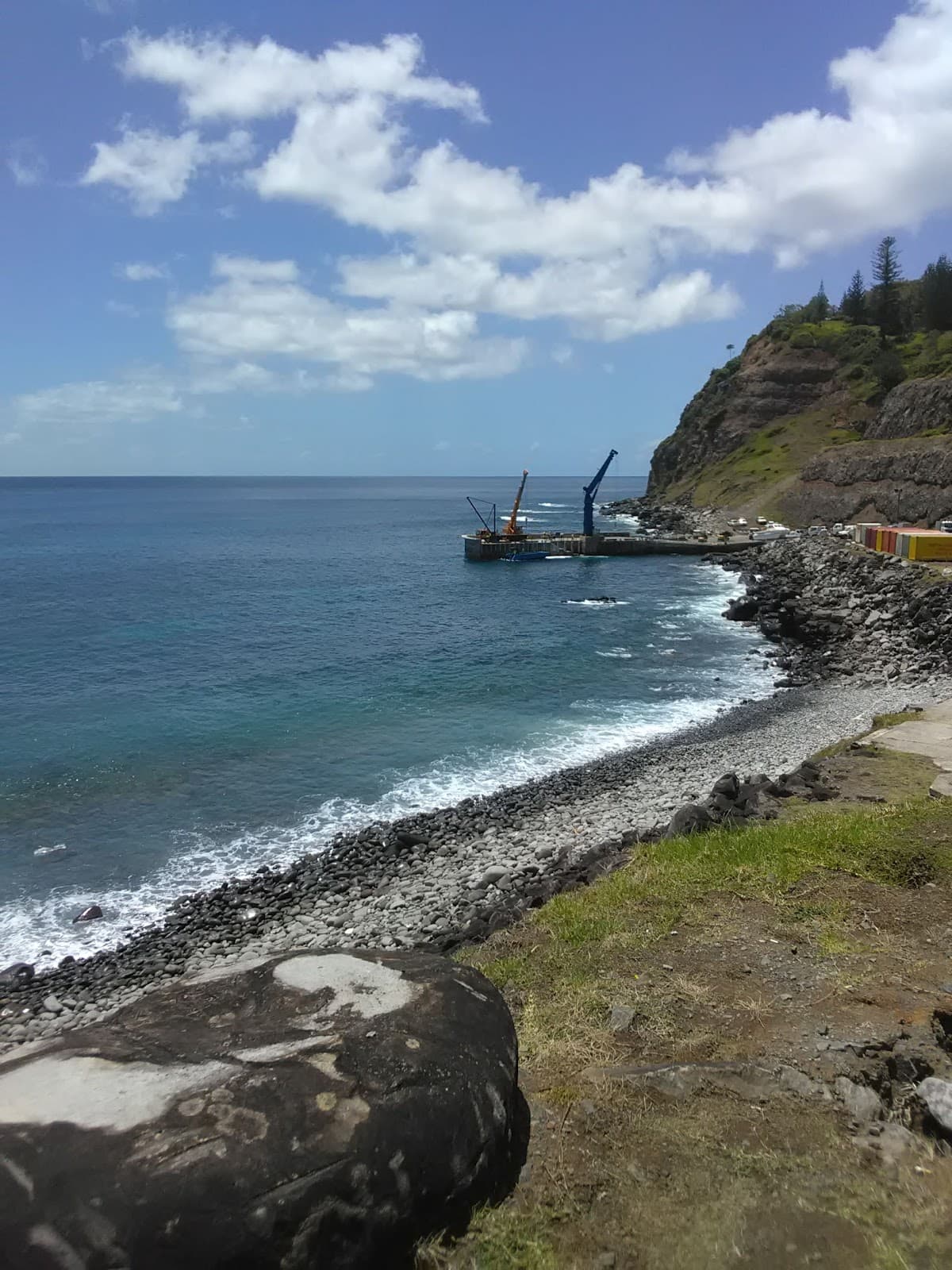
Norfolk Island sits alone in the Pacific, 1,400 kilometers from Australia's coast. This speck of land — just 8 kilometers long — packs serious punch. Think dramatic cliffs plunging into turquoise water, stone ruins from its convict past, and Norfolk pines towering over empty beaches. The island moves at its own pace. Cars rarely exceed 50 km/h (there's nowhere to rush), and locals wave from their porches. You'll find descendants of Bounty mutineers still living here, speaking a unique blend of English and Tahitian. But here's the thing — Norfolk Island isn't trying to be anything other than itself. No resort chains. No cruise ship terminals. Just 2,000 residents sharing their slice of paradise with visitors who make the effort to get here.
Best Months
JAN · FEB · MAR · APR · OCT · NOV · DEC
~24°C · moderate crowds
Culture & Context
BOUNTY MUTINY LEGACY
Norfolk Island is an Australian external territory sitting roughly 1,400 kilometres east of the mainland, though it feels nothing like Australia once you land. The island was a brutal British penal colony before the descendants of the Bounty mutineers and their Tahitian partners arrived from Pitcairn in 1856. Those 194 settlers became the foundation of today's community, and their DNA runs through everything here — the surnames on the mailboxes, the way people wave at passing cars, even the local language.
It's a place where everyone knows everyone, livestock freely wander roads, and the pace of life is genuinely, sometimes frustratingly, unhurried. The closest comparison isn't anywhere in Australia. It's closer to a small Pacific island community that happens to use Australian dollars and follow Australian law.
Local Customs
THE NORFOLK WAVE
The Norfolk Wave is non-negotiable. Every driver waves at every other passing vehicle. You will look rude if you don't wave back, so just commit to it from day one..
Cows and other livestock have the legal right of way on roads. They will not move for your hire car. Don't honk — just wait..
Housie (bingo) happens every Wednesday night at the RSL Club. It's a genuinely local activity and a decent way to meet islanders rather than just fellow tourists.. There's a Sunday morning market next to the Visitor Information Centre where locals sell surplus produce.
Tomatoes, cucumbers, homemade jams — and it runs on an honesty box system at some stalls.. Progressive dinners at island homes are a popular and legitimate way to eat — you move between courses at different people's houses. Book through Baunti Tours on Taylor's Road..
Biosecurity is serious. You must declare all food, plant material, and animal products on your incoming passenger card. Officers at the airport are thorough..
There is no duty-free alcohol for sale on Norfolk Island. Don't expect a bottle shop deal after landing.. Fresh produce can run out island-wide if the supply ship is delayed by bad weather.
It's not a tourist trap — it's just geography. Grab fresh fruit when you see it.
Safety
MEDICAL EVACUATION RISK
Norfolk Island is genuinely one of the safest places you'll visit. Crime is almost non-existent, the population is small and tightly connected, and the community culture actively discourages antisocial behaviour. The main practical concerns are medical.
The island has a small hospital covering basic needs, but anything serious means a medical evacuation to mainland Australia. Travel insurance is strongly recommended — not optional. The other thing to watch is the roads.
Livestock wander freely and have right of way. Take the 30km/h Kingston foreshore limit seriously, especially at dusk when animals are harder to spot. Sun protection matters more than most visitors expect — UV levels are high and there's limited shade at the beaches.
Getting Around
HIRE CAR ESSENTIAL
No public transport exists on Norfolk Island. Full stop. Your realistic options are: hire car (the default choice, and many accommodation packages include one), bicycle hire (available from the Visitor Information Centre — good for flat areas around Burnt Pine), or the local Uber service (available on request, not on-demand like a city Uber).
For Burnt Pine itself, the township is walkable. But with 120 kilometres of road across an island only 8km by 5km, most people hire a car to properly explore. Rental rates run around AUD 50–60/day.
The speed limit is 50km/h across most of the island, dropping to 40km/h through Burnt Pine and 30km/h in Kingston. Getting to the island: fly Air New Zealand from Sydney (~2.5 hours) or Brisbane (~2+ hours).
Contact Norfolk Island Tourism at +6723 22147 or nitourism@nirc.gov.nf for logistics help.
Useful Phrases
Money-Saving Tips
- 1.Bring cash — many local businesses don't accept cards, and the island's only ATM sometimes runs empty
- 2.Stock up on groceries and alcohol in Australia or New Zealand before flying — prices on Norfolk Island run 50-100% higher
- 3.Book accommodation and car rental together for package deals that can save 10-15%
- 4.Visit during shoulder seasons (April-May or September-October) for lower accommodation rates
- 5.Pack sunscreen, toiletries, and medications — these cost triple the mainland price at the island's pharmacy
Travel Tips
- •Download offline maps before arriving — mobile coverage can be spotty in remote areas
- •Pack reef-safe sunscreen — the coral around Norfolk Island is pristine and worth protecting
- •Bring a good camera with extra batteries — the island's dramatic landscapes deserve proper documentation
- •Learn basic Norfolk language phrases — locals appreciate when visitors show interest in their unique culture
- •Book dinner reservations early — the island only has a handful of restaurants, and they fill up quickly
Frequently Asked Questions
Explore Norfolk Island
BUILD YOUR
NORFOLK ISLAND PLAN
Insider picks, smart timing, and a plan ready when you are.
Start Planning