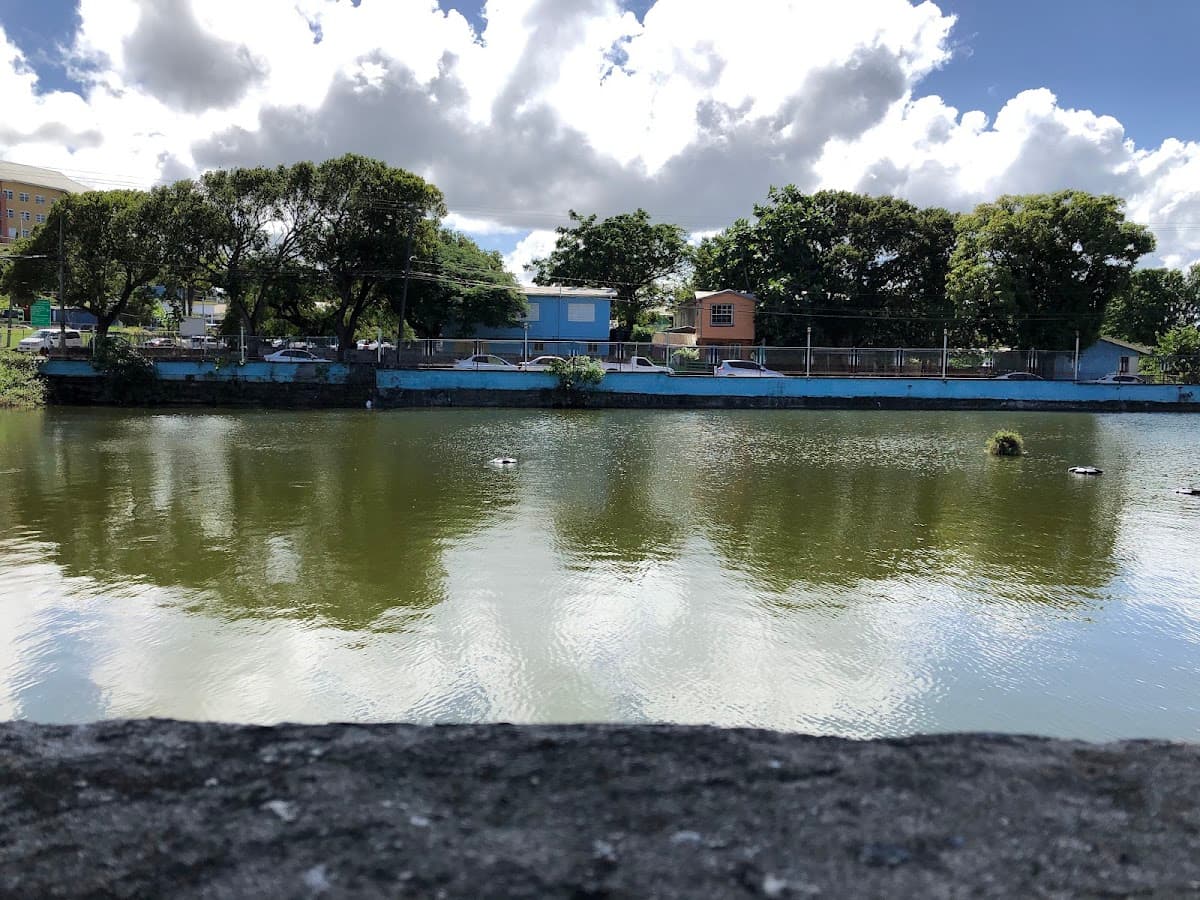
Antigua and Barbuda
Caribbean paradise with 365 beaches and sailing culture
You know that feeling when you step off a plane and the warm Caribbean breeze hits your face? That's Antigua and Barbuda welcoming you to what locals call "365 beaches for every day of the year." And honestly, they might not be exaggerating.
These twin islands pack serious punch into their small footprint. Antigua serves up the main attractions — Nelson's Dockyard where British naval history meets modern yacht culture, and English Harbour where million-dollar sailboats bob next to local fishing boats. Barbuda keeps things quieter with pink sand beaches that stretch for miles and frigate bird colonies that'll make your wildlife photographer friends jealous.
The sailing culture here runs deep. You'll see everything from weekend warriors on Hobie Cats to serious blue-water cruisers making their way through the Caribbean island chain. The constant trade winds make this a sailor's paradise, but even if you've never touched a tiller, the rhythm of island life pulls you in. Beach bars serve rum punches at 11 AM without judgment, and nobody's checking their phone when there's a sunset this good happening.
What sets Antigua and Barbuda apart from other Caribbean destinations is how it balances luxury with authenticity. Yes, you'll find world-class resorts that rival anything in Barbados, but you'll also discover local fish fries where the music's loud, the dancing's real, and the johnnycase costs less than your morning coffee back home. The islands manage to feel both sophisticated and genuinely Caribbean — no small feat in today's tourism landscape.
Culture & Context
COLONIAL & CREOLE FUSION
Antigua and Barbuda sits at the intersection of West African, British colonial, and indigenous Caribbean influences — a mix you'll feel in everything from the Creole language people speak at home to the Anglican churches anchoring every village. The islands became a British colony in 1632 and achieved full independence in 1981, but British customs run deep: formal greetings, honorifics, a structured school system modeled on British education, and even afternoon tea in some circles. Cricket is practically a religion.
But African heritage is equally present in the local Creole dialect (called 'raabak'), in oral storytelling traditions, proverbs, the rhythms of soca and calypso, and in the Carnival itself, which explicitly commemorates emancipation from slavery in 1834. Nelson's Dockyard in English Harbour is a UNESCO World Heritage Site and the only continuously operating Georgian-era dockyard in the world — a powerful monument to both the island's strategic colonial importance and the enslaved labor that built it. Family and community are the bedrock of social life: extended families live close, communal gatherings are central, and strong religious faith (predominantly Anglican, with significant Catholic and Pentecostal communities) shapes the rhythm of the week.
Barbuda has its own distinct cultural identity — more isolated, more self-sufficient, and with its own Barbudan Creole dialect. Barbudans have historically felt overlooked by Antigua, a tension captured in the local saying: 'Barbuda is behind God's back.
Local Customs
GREET EVERYONE, ALWAYS
Greet everyone when entering a room or starting a conversation — skipping a greeting is considered rude, not just casual. 'Good morning,' 'Good afternoon,' and 'Good evening' are used religiously based on time of day.. Handshakes are the standard greeting in business and formal settings.
Among friends, warmer embraces are common. Eye contact during a handshake signals respect.. Address elders and older community members as 'Aunty' or 'Uncle' even if they're strangers — it's a term of respect, not just for relatives.
Women may be addressed as 'Mistress' before their last name in formal contexts.. Wearing camouflage clothing anywhere on the island is illegal — this applies to tourists as well. Don't pack it..
Swimwear stays on the beach. Cover up when walking through town, visiting markets, or entering restaurants. The culture is relatively conservative away from resort areas..
Tipping is expected: 10–15% in restaurants (check if a service charge is already included), plus tips for hotel staff, taxi drivers, and tour guides.. Ask permission before photographing people, especially in rural areas or during ceremonies. Most locals are happy to oblige if asked first..
When visiting someone's home, bring a small gift — food, a pastry, or a small token is perfectly appropriate. Accept any offered refreshments graciously; declining can come across as rude.. Cricket is a genuine passion here, not just a sport.
If there's a West Indies match on, don't expect full attention from anyone around a TV.. Drive on the LEFT. Traffic flows on the left throughout both islands.
Drivers coming from the US often get caught off guard on narrow roads.. The pace of island life is intentionally slower — 'island time' is real. Patience goes a long way, especially at markets, in queues, and when waiting for buses..
Same-sex relationships between men remain technically illegal under existing statutes (max 15 years under indecency laws per US State Dept). LGBTQ+ travelers should exercise discretion, particularly outside tourist areas.
Safety
VERY SAFE, PETTY THEFT
The US State Department rates Antigua and Barbuda at Level 1 (Exercise Normal Precautions) — the lowest and safest advisory level. In practice, most visits are completely trouble-free. Petty theft is the main issue: pickpocketing and theft from rental cars or unattended bags in tourist areas, markets, and beaches — especially around St.
John's. Don't leave valuables visible in parked cars. Violent crime against tourists is rare but not unheard of.
Stick to populated, well-lit areas after dark. The neighborhood of Gray's Farm in St. John's has higher crime and is best avoided.
English Harbour, Jolly Harbour, Dickenson Bay, and Falmouth Harbour are consistently the safest zones. Solo female travelers should be aware that catcalling and verbal attention can occur, particularly in St. John's and on beaches — physical harassment is uncommon, and most locals respond to a firm but polite dismissal.
Hurricane season runs June through November, with peak risk August–October. Serious weather can disrupt ferries, flights, and outdoor plans with little warning. Travel insurance covering trip cancellation and medical evacuation is strongly recommended.
Medical facilities are adequate for routine issues but limited for serious conditions — there is no hyperbaric chamber on-island, meaning scuba divers requiring decompression treatment must be evacuated. Drive defensively: roads can be narrow and winding, street lighting outside St. John's is limited, and local driving habits (sudden stops, overtaking on bends) take getting used to.
Traffic drives on the LEFT. Emergency numbers: Police 911; Mount St. John's Medical Centre +1 268-484-2700.
Getting Around
RENT CAR OR BUS
Getting around Antigua is genuinely manageable once you know the system. The island is only 108 square miles — you can cross it end to end in under 45 minutes. Renting a car is the most flexible option and opens up beaches that buses simply don't reach (Half Moon Bay, Long Bay, Rendezvous Bay).
You'll need your home country driver's license plus a local driving permit (around EC$50 / ~$20 USD), available at rental agencies. Drive on the LEFT — right-hand drive vehicles are the norm. Street lighting outside St.
John's is patchy, so night driving takes care. Public minibuses (called 'bus taxis') are yellow-plated vans marked 'BUS.' They run from two stations in St.
John's: the West Bus Station (serving Jolly Harbour, English Harbour, Falmouth, Dickenson Bay, the west and south coasts) and the East Bus Station (serving the eastern parishes). Fares are $1–2 per journey — extremely affordable. Buses run roughly 5:30 AM to 6 PM and leave when full, not on a schedule.
The most useful beach route is Line 22 (west coast beaches including Darkwood and Turners) and Line 20 (Jolly Beach). Bus to English Harbour takes about 1 hour from St. John's on Line 17.
Taxis have government-set fixed fares — get the rate agreed before you get in. Airport to St. John's runs $20–30; sharing with other passengers cuts that significantly.
For Barbuda: the Barbuda Express ferry runs from St. John's Harbour, takes about 90 minutes, and costs around $40 round-trip. It runs 5 days a week — check schedules and book ahead, as it can fill up.
There is NO public transport on Barbuda itself; arrange vehicle rental (call 1–2 months in advance, seriously) or a local guide before you arrive. Small charter flights between the islands are also available for a faster crossing.
Useful Phrases
Antigua and Barbuda Itineraries
Money-Saving Tips
- 1.Visit during shoulder season (May-June or November) for 30-40% savings on accommodations while avoiding peak hurricane months
- 2.Eat at local fish fries and street food vendors instead of resort restaurants — meals cost $8-12 versus $25-40
- 3.Book accommodations with kitchenettes and shop at Epicurean supermarket in St. John's for significant food savings
- 4.Take advantage of free activities like hiking Shirley Heights, exploring Devil's Bridge, and swimming at public beaches
- 5.Look for local tour operators instead of resort-booked excursions — often half the price for identical experiences
- 6.Drink local Wadadli beer and Antigua rum instead of imported spirits to save 50% on alcohol costs
- 7.Stay in English Harbour or St. John's guesthouses rather than beachfront resorts for authentic experiences at lower prices
Travel Tips
- •Bring reef-safe sunscreen — many beaches have coral close to shore and regular sunscreen damages marine ecosystems
- •Pack light, breathable clothing and comfortable walking shoes for exploring historic sites and hiking trails
- •Carry cash in small bills — many local vendors and taxi drivers don't accept cards or large denominations
- •Download offline maps before arriving — cell coverage can be spotty in remote areas and data roaming is expensive
- •Book restaurants in English Harbour 2-3 days ahead during peak season — popular spots fill up quickly
- •Respect local customs at fish fries and community events — these are cultural gatherings, not tourist attractions
- •Check weather and sea conditions before booking boat trips to Barbuda — rough seas can cancel excursions
Frequently Asked Questions
BUILD YOUR
ANTIGUA AND BARBUDA PLAN
Insider picks, smart timing, and a plan ready when you are.
Start Planning