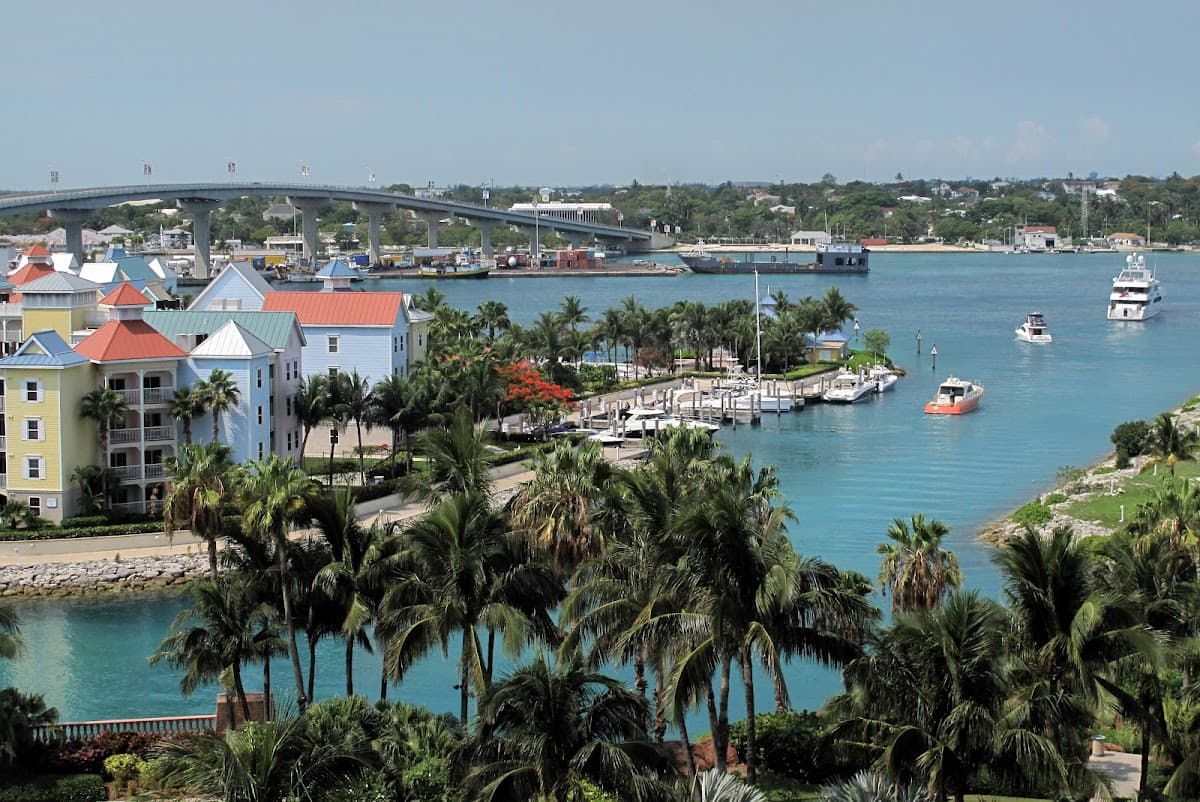
Bahamas (Nassau/Paradise Island)
Caribbean capital with resorts, casinos and culture
Nassau and Paradise Island serve up the Caribbean dream with a cosmopolitan twist. This isn't some sleepy island hideaway — it's the Bahamas' capital, where cruise ships dock next to luxury resorts and local conch vendors work the same beaches as high-end beach clubs. You can swim with dolphins at Atlantis in the morning, explore colonial-era forts in the afternoon, and hit the casino tables after dark. The water here glows that impossible turquoise blue you see in postcards, but the real draw is how Nassau balances tourist attractions with authentic Bahamian culture. Bay Street buzzes with duty-free shopping and rum cake samples, while Arawak Cay serves up the best conch fritters on the island.
Best Months
JAN · FEB · MAR · APR · NOV · DEC
~27°C · moderate crowds
Culture & Context
COLONIAL PAST, WARM LOCALS
Paradise Island was literally called Hog Island until 1962, when a developer rebranded it. That rename launched one of the Caribbean's most recognizable luxury destinations. The island sits just across Nassau Harbour from New Providence, connected by the Sir Sidney Poitier Bridge.
You can walk across for free. The Bahamas got its independence in 1973 after centuries of British colonial rule, and that history is woven into daily life. English is the official language, but the local dialect mixes Shakespeare-era English, West African influences, and distinctly Bahamian slang.
The "h" is often dropped in speech. You'll hear "t'anks for thanks" and "ouse" for house. Bahamians are genuinely warm but also sharp-eyed about the difference between tourists treating them like a photo backdrop and tourists who actually engage.
Use a few local phrases, ask a real question, and the interaction changes completely. Tipping at restaurants is sometimes tricky because hotels and resorts automatically add 15% to all food and beverage checks. Check your bill before leaving extra.
The legal tender is the Bahamian dollar, pegged 1:1 to the US dollar, and US cash is accepted everywhere.
Local Customs
GRATUITY ALREADY ADDED
Restaurants and hotels automatically add 15% gratuity to all food and beverage bills. Always check your receipt before leaving an additional tip.. Bahamians drive on the left side of the road — a surprise for many visitors from the US, Canada, or continental Europe who try to rent a car..
No ride-sharing apps operate in Nassau or Paradise Island. Use taxis from hotel stands or the cruise port. Agree on a fare or confirm the meter is running before you go..
Haggling is not typical in shops or restaurants, but at outdoor craft markets and with some vendors, a polite ask about the best price is fine.. The jitney (public bus) runs on no fixed schedule — roughly every few minutes from 6 AM to 6:30 PM in downtown Nassau and Cable Beach. Bring exact change ($1.
25 for adults). It does not cross the Paradise Island Bridge.. Bahamians are warm but proud.
Don't conflate the Bahamas with Jamaica or any other Caribbean island — Bahamians notice, and it's a fast way to get a cooler reception.. Tap water on Paradise Island is technically safe to drink, but bottled water is cheap and widely available if you're cautious.. Public holidays see banks and many businesses close.
Plan cash withdrawals and shopping accordingly.. ATM and credit card fraud occurs frequently in Nassau. Use ATMs inside banks or well-lit hotel lobbies, and keep an eye on your card at restaurants.
Safety
SAFE RESORT, NASSAU CAUTION
Paradise Island itself is one of the safest tourist zones in the Caribbean. Atlantis runs 24/7 private security, paths are well-lit, and there's a constant tourist presence that keeps trouble at bay. The US State Department has the Bahamas at a Level 2 advisory (Exercise Increased Caution) — the same level as Germany and Italy — primarily due to violent crime in Nassau's residential areas, not on Paradise Island.
The critical thing to know: the Over-the-Hill neighborhood south of Shirley Street in Nassau has real gang violence problems. Do not walk there, especially after dark. Bay Street in downtown Nassau is fine during the day.
After 10 PM, even Bay Street gets dicier. Petty theft — pickpocketing and bag-grabbing — happens at beach areas and in tourist crowds, even at popular resort spots. Don't leave bags unattended on the beach.
A firm warning on jet skis: both the US and UK governments advise against renting from unlicensed independent operators on New Providence and Paradise Islands. There have been reports of sexual assaults by jet ski operators. Book water activities through your resort or a reputable tour company with proper insurance.
Drink spiking occurs around clubs and casinos. Keep your drink in your hand. If you're a solo female traveler, organized group excursions and resort-based activities are the safer approach to enjoying the island.
ATM fraud is common in Nassau — use machines inside banks or hotel lobbies only.
Getting Around
BRIDGE & FERRIES
Paradise Island is connected to Nassau by the Sir Sidney Poitier Bridge. Pedestrians cross free. Cars pay a $1–$2 toll northbound.
From Lynden Pindling International Airport to Paradise Island, a taxi runs about $45 plus the bridge toll and takes 25–30 minutes depending on traffic. Many resort packages include airport transfers — worth booking in advance. The water taxi between Nassau's Prince George Wharf and Paradise Island costs $7 each way and takes 10–15 minutes.
Boats run roughly every 30 minutes from 9 AM to 6 PM, but they run on Bahamian time — that means they wait until the ferry fills up before departing, so allow an extra 30–45 minutes in your plans. The ferry drops you near Margaritaville on the Paradise Island side and near the Straw Market on the Nassau side. Walking back over the bridge is always an option and takes about 15 minutes on foot.
No ride-sharing apps exist here. Taxis queue at every major hotel entrance. Confirm the metered rate or agree on a price before you get in, and note that most Nassau taxis are cash-only.
The jitney public bus is $1.25 per adult for downtown Nassau and Cable Beach routes but does not cross to Paradise Island. Atlantis guests can use the free internal shuttle between resort properties.
Useful Phrases
Bahamas (Nassau/Paradise Island) Itineraries
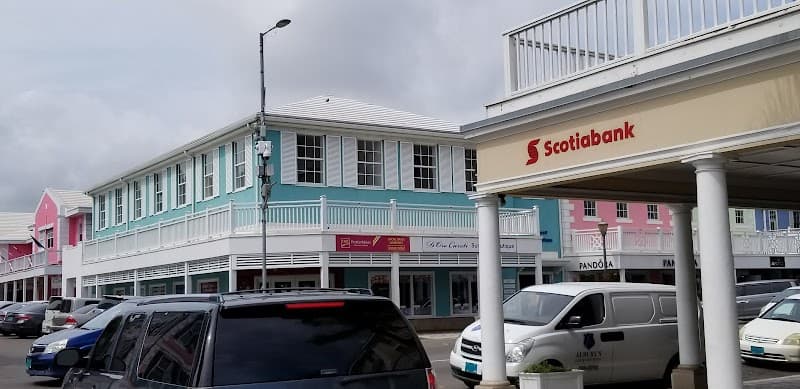
Things to Do in Bahamas (Nassau/Paradise Island)
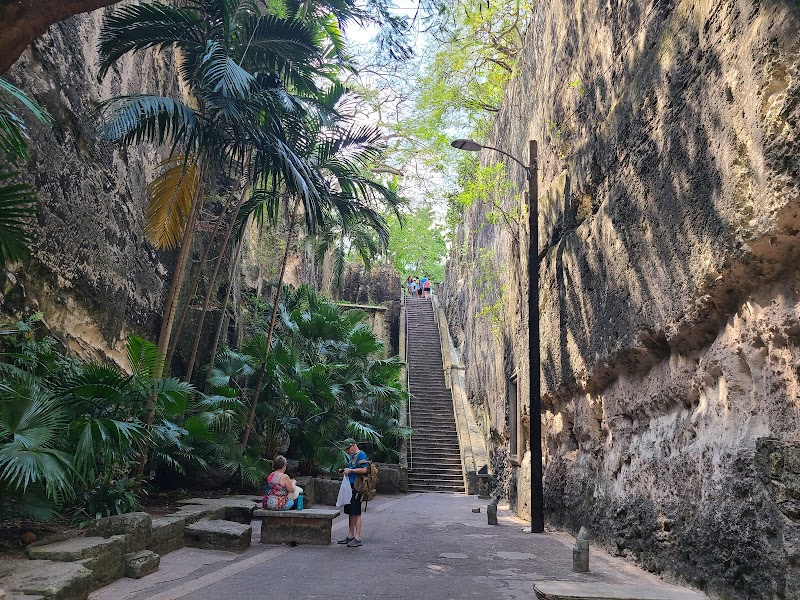
Queen's Staircase
Downtown Nassau · 45 min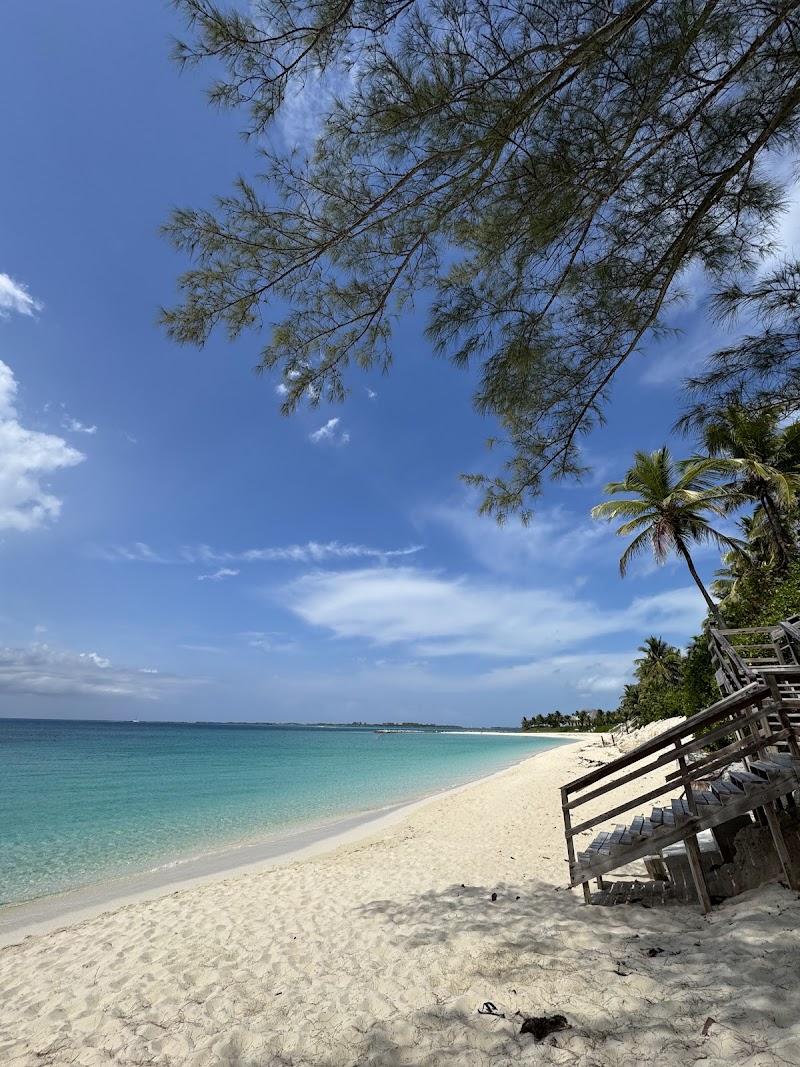
Cabbage Beach
Paradise Island · 150 min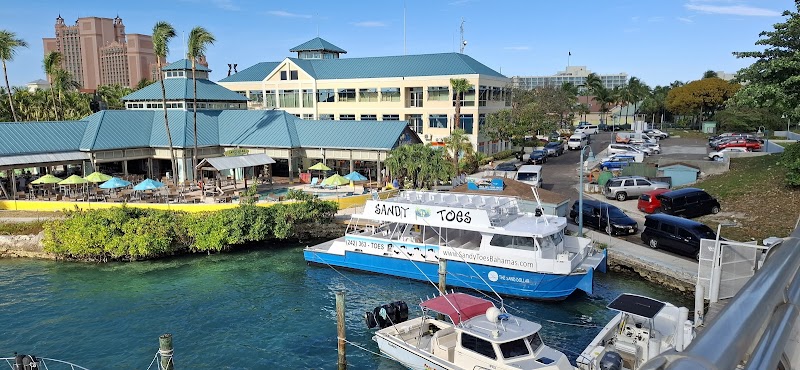
Paradise Island Drive & Paradise Island Bridge
Paradise Island · 45 minMoney-Saving Tips
- 1.Buy alcohol at duty-free shops in the airport or downtown Nassau rather than paying resort prices — you can save 40-50% on premium spirits
- 2.Eat lunch at local spots like Arawak Cay instead of resort restaurants to cut your food budget in half
- 3.Book accommodations for Sunday-Thursday stays when possible — weekend rates can be 30-40% higher
- 4.Use jitney buses ($1.25) instead of taxis for transportation around Nassau — they run frequently and cover most tourist areas
- 5.Visit during shoulder season (May-early June) for 20-30% savings on hotels without sacrificing good weather
- 6.Buy groceries at Super Value or Solomon's Fresh Market if staying in a rental — resort convenience stores charge double
- 7.Look for happy hour specials at beach bars — many offer 2-for-1 drinks from 4-6 PM
- 8.Book excursions through local operators rather than cruise ship or hotel concierges to save 25-40%
Travel Tips
- •Bring reef-safe sunscreen — many local shops sell regular sunscreen that can damage coral reefs
- •Pack a waterproof phone case for water activities — you'll want photos while snorkeling or swimming with dolphins
- •Download the What3Words app — many local businesses use the location system instead of traditional addresses
- •Carry small bills for jitney buses and conch vendors — many don't make change for large denominations
- •Rent snorkel gear from dive shops rather than hotels — the quality is better and prices are lower
- •Check cruise ship schedules before visiting popular beaches — some get extremely crowded when multiple ships are in port
- •Bring a light rain jacket for afternoon showers, especially during summer months
- •Learn basic conch preparation terms — cracked, scorched, and steamed all refer to different cooking methods
- •Book dinner reservations early at popular restaurants like Graycliff — they fill up quickly during peak season
- •Keep your hotel receipt — you'll need it for duty-free purchases and some tourist activities offer hotel guest discounts
Frequently Asked Questions
Explore Bahamas (Nassau/Paradise Island)
BUILD YOUR
BAHAMAS (NASSAU/PARADISE ISLAND) PLAN
Insider picks, smart timing, and a plan ready when you are.
Start Planning