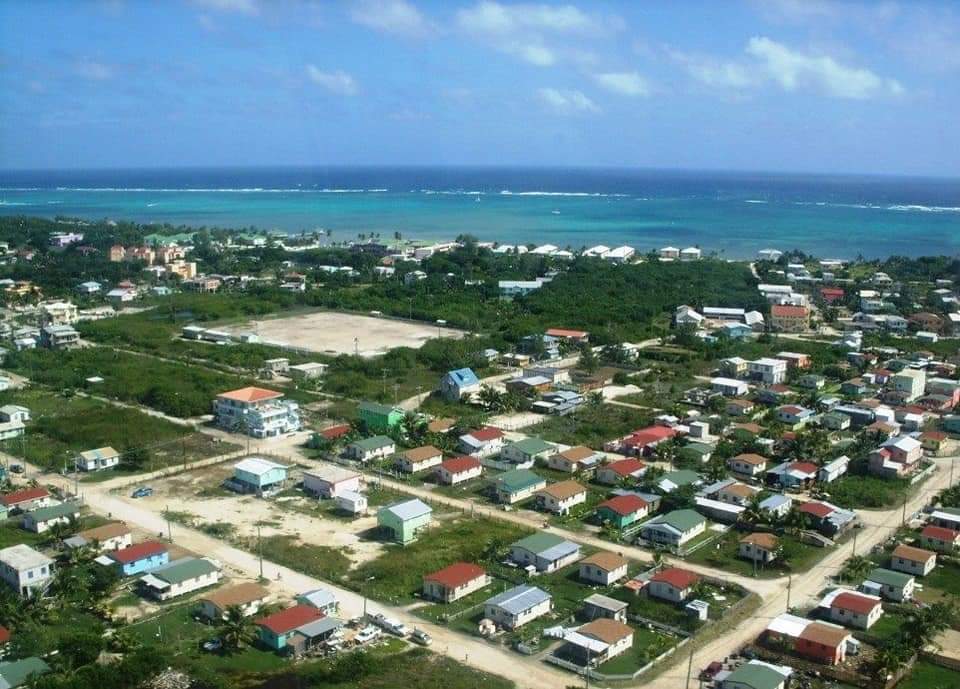
Belize City
Gateway to Caribbean adventures and Mayan mysteries
Look, Belize City gets a bad rap. Most travelers rush through on their way to the cayes or jungle lodges. But here's the thing — this gritty port city is where real Belizean culture lives and breathes. You'll find Creole wooden houses on stilts, the best rice and beans in the country, and stories that span from pirates to Maya kings. Sure, it's rough around the edges. The streets flood when it rains hard, and you need to keep your wits about you after dark. But if you want to understand Belize beyond the resort brochures, spend a day or two here. The city sits where the Belize River meets the Caribbean, and that confluence creates something special — a place where Caribbean rhythms meet Central American soul.
Best Months
JAN · FEB · MAR · APR · DEC
~28°C · high crowds
Culture & Context
KRIOL HEARTBEAT
Belize City is the country's commercial engine, not its political capital. That's Belmopan, inland. People often confuse this.
The city sits at the mouth of the Belize River on the Caribbean coast, and it's the place where modern Belize actually took shape. Colonial wooden houses on stilts, narrow streets, the smell of salt air off Haulover Creek — it's raw and real in a way resort towns never are. The population is a genuine mix of Creole, Mestizo, Garifuna, Maya, East Indian, and Mennonite communities, and you feel that layering in the food, the music, the way people talk to each other on the street.
English is the official language, but what you'll actually hear everywhere is Kriol. Not slang. Not broken English.
A distinct language with African grammar roots, Spanish borrowings, and a Caribbean rhythm all its own. As one local put it: "If it's business, it's English. But if I'm not getting paid...
it's Kriol." The city was once the colonial capital of British Honduras. Hurricane Hattie devastated it in 1961, which is why the government relocated the official capital to Belmopan.
But Belize City never really let go of its role as the center of things. The Swing Bridge on Haulover Creek — the oldest operating swing bridge in Central America — still manually opens twice daily to let boats through. That's not a performance for tourists.
That's just Tuesday.
Local Customs
GREET OR OFFEND
Greet people. Belizeans put real weight on basic pleasantness — 'Good morning' or 'Good afternoon' goes further than you'd think. Skip it and you come across as rude before you've even said anything meaningful..
Don't wear camouflage clothing. Camo is reserved exclusively for the military here, and wearing it as a tourist will get you stopped or cause problems at checkpoints. Even the kids' camo print stuff is a bad idea..
Tipping is expected from tourists, not from locals. About 10–15% in restaurants and for tour guides is the standard. Always check your bill first — some places already add a service charge.
For taxis, just round up or add a couple of dollars BZD.. 'Belize time' is a real thing. Don't expect strict punctuality.
If a local says they'll meet you at 10, plan for 10:30 and you'll be roughly right.. Ask before photographing people, especially in Maya villages or during cultural ceremonies. This isn't just politeness — it's a hard rule in indigenous communities..
Dress modestly away from the beach. Beachwear stays at the beach or resort. In town, covering up shows basic respect and you'll be treated much better for it..
Haggling is generally considered rude except at street markets. Fixed prices are fixed.. Tap water is not reliable for drinking, especially outside of resort areas.
Stick to bottled water and skip the ice in drinks from street vendors.. Belize is a conservative country in many social respects. Public displays of affection, especially from same-sex couples, draw negative attention in most areas outside tourist enclaves..
Always agree on a taxi fare before getting in. Taxis don't use meters. Ask the price upfront, every time, without exception.
Safety
ZONE AWARE REQUIRED
Look, Belize City has a real safety problem in specific zones, and glossing over it does nobody any favors. The U.S.
State Department rates Belize City as Level 3 — 'Reconsider Travel' — specifically for the Southside, which runs from the Haulover Creek Canal south to Fabers Road. That area has concentrated gang activity and frequent violent incidents. Stay out.
As of May 8, 2026, Canada's government noted a one-month state of public emergency was declared in specific areas of Belize City and Belize District following gang-related violence near tourist zones. The good news is that tourists rarely go near these zones anyway. Fort George, the Swing Bridge area, and the waterfront are all daytime-safe for careful travelers.
Don't walk alone at night anywhere in the city. Use only licensed, clearly marked taxis — agree on the price before you get in and keep your phone out of sight. ATM fraud is real: use ATMs inside banks only, never standalone machines.
Credit card skimming happens in tourist areas, so cash for daily expenses is smarter. Avoid flashing expensive gear, jewelry, or thick wads of cash. And don't accept food, drinks, or cigarettes from strangers — spiked drinks are a documented risk.
For most travelers, Belize City is just a transit point to the cayes or inland ruins. If you're treating it that way, get in, get your water taxi or domestic flight, and move. If you want to explore the city's actual character — the Museum of Belize, the waterfront, the colonial architecture — go with a licensed guide or at minimum during daylight with a group.
Getting Around
TAXI NEGOTIATE FIRST
The Philip S.W. Goldson International Airport sits about 9 miles northwest of the city center.
A taxi into town runs about $25 USD — a fixed fare that's well-established. Don't share a cab with strangers who approach you in the arrivals hall. The city also has a Municipal Airstrip (TZA) for domestic hops only — Maya Island Air and Tropic Air run frequent short flights from here to San Pedro (Ambergris Caye) and Caye Caulker for around $60 each way, taking about 10 minutes.
Water taxis from the Marine Terminal and Courthouse Wharf are the standard way to reach the cayes. A ferry to Caye Caulker runs about $21 USD one-way, and San Pedro comes in around $31 USD one-way. Prices were adjusted slightly upward in 2026 due to operating costs.
Within the city, taxis are your main option. Short trips run $2.50–5 USD.
No meters. Always negotiate first. The famous 'Chicken Buses' — old American school buses repainted in bright colors — are the cheapest way to get between cities on the mainland.
Belize City to San Ignacio costs about $3.50 USD. They're slow, stop frequently, but they're authentic and cheap.
Long-distance national routes top out around $7.50–15 USD. Buses are not particularly safe or reliable by Canadian or U.
S. standards — poor maintenance, few safety features — but locals use them daily. For longer mainland journeys, shared shuttle vans between Belize City and San Ignacio run about $25–40 USD per person and are significantly more comfortable.
Useful Phrases
Money-Saving Tips
- 1.Eat at local spots like Dit's Restaurant instead of hotel restaurants — you'll pay $8 for rice and beans versus $20 at tourist places
- 2.Buy Belikin beer at corner shops for $1.50 rather than $3-4 at bars and restaurants
- 3.Take public buses to day trip destinations — $8 to San Ignacio versus $100+ for private tours
- 4.Shop at Central Market for fresh fruit and snacks instead of hotel convenience stores
- 5.Negotiate taxi fares upfront — tourists often get quoted double the local rate
- 6.Stay in Fort George mid-range hotels rather than luxury resorts for better value and authentic experience
Travel Tips
- •Keep cash handy — most local restaurants and markets don't accept cards
- •Don't walk around downtown after dark, especially alone — take taxis even for short distances
- •Bring mosquito repellent year-round — the tropical climate means bugs are always active
- •Learn basic Creole phrases like 'wah di go aan' (what's going on) — locals appreciate the effort
- •Pack rain gear during wet season (May-November) — afternoon downpours can be intense
- •Ask your hotel about current safety conditions in different neighborhoods before exploring