Puerto Plata
Historic Dominican port with cable cars and amber coast
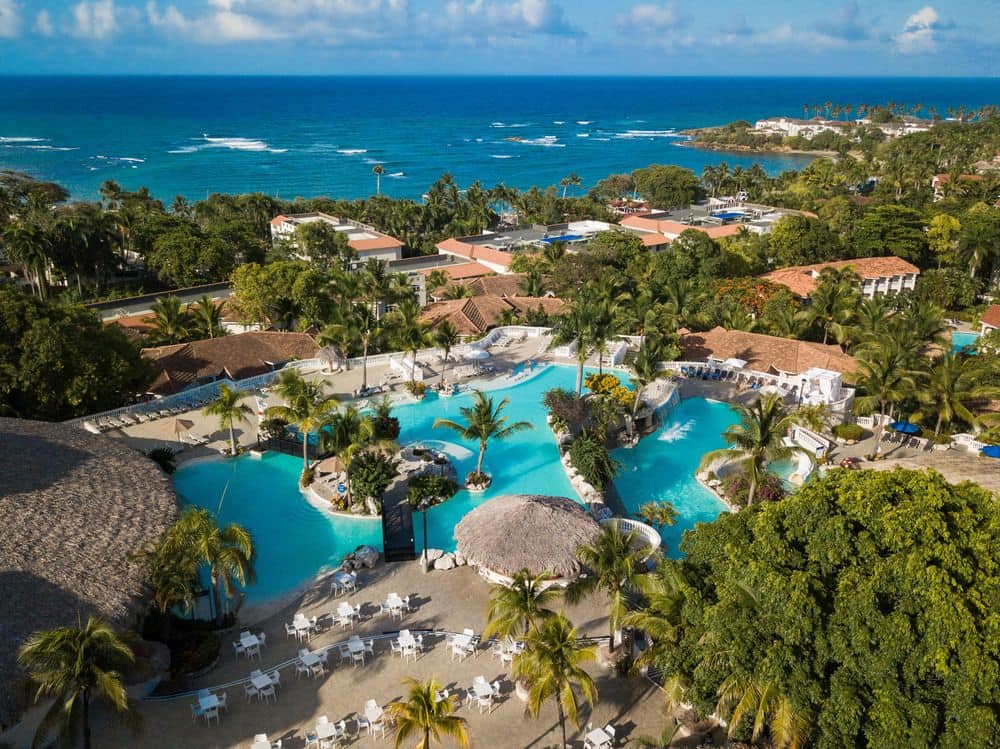
Puerto Plata sits on the Dominican Republic's northern coast like a perfectly weathered postcard. This historic port city trades the overcrowded beaches of Punta Cana for something more authentic — cobblestone streets lined with Victorian houses, a cable car that climbs Mount Isabel de Torres, and beaches where locals actually hang out. The Malecón waterfront buzzes with merengue music while cruise ships dock nearby, bringing just enough tourism to keep things lively without losing the city's soul. Here's what makes Puerto Plata worth the trip north.
Best Months
JAN · FEB · MAR · APR · DEC
~29°C · high crowds
Culture & Context
VICTORIAN AMBER GATEWAY
Puerto Plata is where Dominican tourism actually started. It has the Victorian gingerbread architecture to prove it. Established as a port by Columbus in 1493 and officially refounded in 1502, it spent centuries as a key trading post shipping gold and goods back to Spain.
That history shows up everywhere, from the 16th-century Fortaleza San Felipe at the western end of the Malecón to the colorful colonial homes lining the streets off Parque Central. The north coast has its own cultural personality too. Merengue is everywhere, but up here you also get the Cibao accent, where words get clipped and consonants at the end of words often disappear entirely.
Dominicans speak fast. Even native Spanish speakers from other countries sometimes struggle to keep up. But they appreciate anyone making an effort.
The economy runs partly on tourism, but also on agriculture: cacao, coffee, and the amber mining Puerto Plata is genuinely famous for. Amber here is considered some of the clearest in the world, and you can find pieces with ancient insect inclusions in the Amber Museum on Calle Duarte. Mama Juana, a rum-soaked tree bark and herb drink, is the local spirit of choice beyond Presidente beer.
Try it once.
Local Customs
AGREE FARES UPFRONT
Always agree on the price with a taxi or motoconcho driver BEFORE you get in. Non-negotiable rule. Meters are not common, and the fare can suddenly triple if you didn't set it upfront..
Bargaining is expected and accepted at local markets. Not at restaurants. At market stalls, starting low and working up slowly is standard practice..
Tap water is not safe to drink. Hotels provide bottled water. Stick to sealed bottles everywhere.
This isn't being overly cautious, it's just how it works.. When greeting locals, especially older people or strangers, use 'usted' rather than 'tú'. It signals respect.
Switch to 'tú' once they do or once you're clearly in friendly territory.. Tipping culture: at restaurants aim for 10%, though a service charge may already be included. At photo spots like Umbrella Street, the prop-holders work for tips.
If someone poses with you and a parrot or monkey for a photo, tip them 100-200 pesos.. Colmados (corner stores) are everywhere and open late. They sell cold Presidentes, snacks, mobile top-up cards, and basically everything else.
They're where locals actually shop. Prices here are far lower than at tourist shops.. Power outages (apagones) happen, particularly in non-resort residential areas.
This is normal. Don't panic, and pack a portable charger.. Guaguas don't run at night.
Plan accordingly. If you're out late in areas outside the resort zones, you'll need a taxi or Uber to get back.
Safety
PICKPOCKETS OVER VIOLENCE
Puerto Plata is actually ranked as the safest province in the Dominican Republic according to the Institutional and Justice Foundation (FINJUS). That's genuine good news. But the broader DR carries a US State Department Level 2 advisory (exercise increased caution), the same rating as France and Italy, so keep perspective.
The main risks here are petty theft, motorcycle bag-snatching, and tourist scams, not violent crime. The Malecón, Playa Dorada, and the historic center all have visible Politur (tourist police) presence. Avoid the Aguas Negras neighborhood.
Don't walk alone at night in isolated areas, and don't have your phone out visibly on the street. ATM fraud is a known issue: only use ATMs inside a bank branch or your hotel lobby, never a standalone street ATM. Agree on taxi fares upfront every single time.
Scams target distracted tourists in the cruise ship port areas, particularly around the Malecón and Umbrella Street. If robbed, hand over belongings without resisting. Solo women should be aware that catcalling and unwanted attention can occur, especially in non-tourist parts of the city.
For emergencies: dial 911 or contact POLITUR at 809-222-2026. The US Consular Agency in Puerto Plata is located at Plaza el Doral, Carretera Luperón KM 3 1/2, open Monday-Friday 8 AM to 5 PM.
Getting Around
GUAGUAS & MOTOCONCHOS
Getting around Puerto Plata is cheaper than almost anywhere in the Caribbean, but it requires knowing the system. Guaguas are white minivans running set routes along the main coastal road between Puerto Plata and Rio San Juan (with Sosúa and Cabarete in between). Flag one down anywhere on the main road.
Fares are 25-50 pesos within town, maybe 35 pesos to Sosúa. Guaguas do not run at night, so plan accordingly. Carritos (shared public cars) follow similar routes and do run at night.
Fares are similar, around RD$50-100. Motoconchos are motorcycle taxis and the fastest way to cover short distances. Drivers wear reflective vests if licensed.
Always agree on the price first, always. RD$50-100 for short in-town rides. Prices double after dark.
No helmets are typically provided, which is a real safety issue, so assess your comfort level. Uber works in Puerto Plata and is the most comfortable option for tourists: cashless, tracked, no negotiation. Private taxis are plentiful but agree on the fare before you get in.
A taxi from Santiago to Puerto Plata runs around $120 USD. Express buses (Caribe Tours, Metro) connect Puerto Plata to Santo Domingo for around RD$500-600 (under $10 USD). The Puerto Plata International Airport (POP) is served by several international carriers, with car rentals available from Hertz, Avis, Europcar, Budget, and National.
Note: if driving yourself, lanes are suggestions rather than rules, speed bumps appear without warning, and motoconchos materialize from nowhere.
Useful Phrases
Puerto Plata Itineraries
Things to Do in Puerto Plata
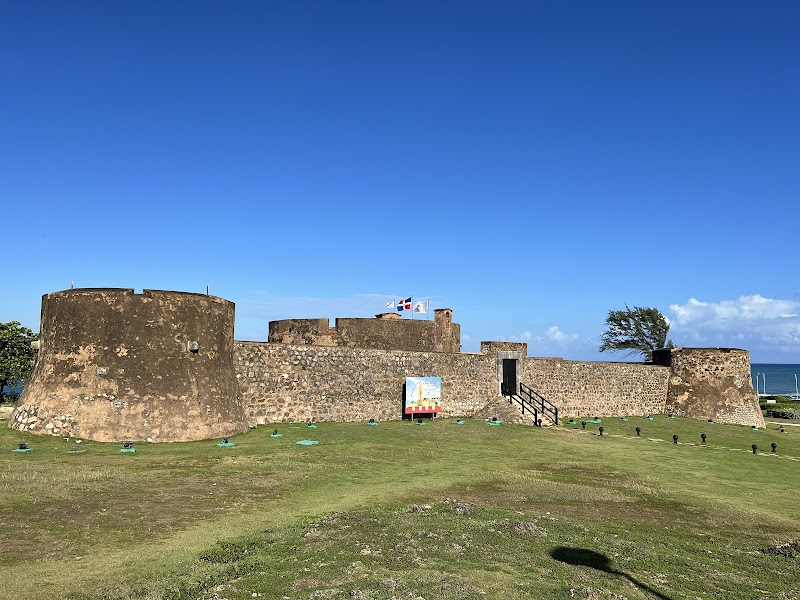
Fort San Felipe
Downtown Puerto Plata · 90 min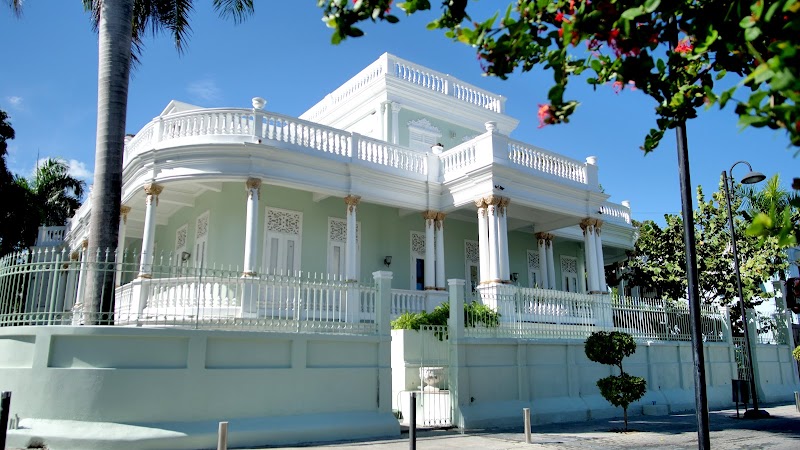
Amber Museum
Downtown Puerto Plata · 60 min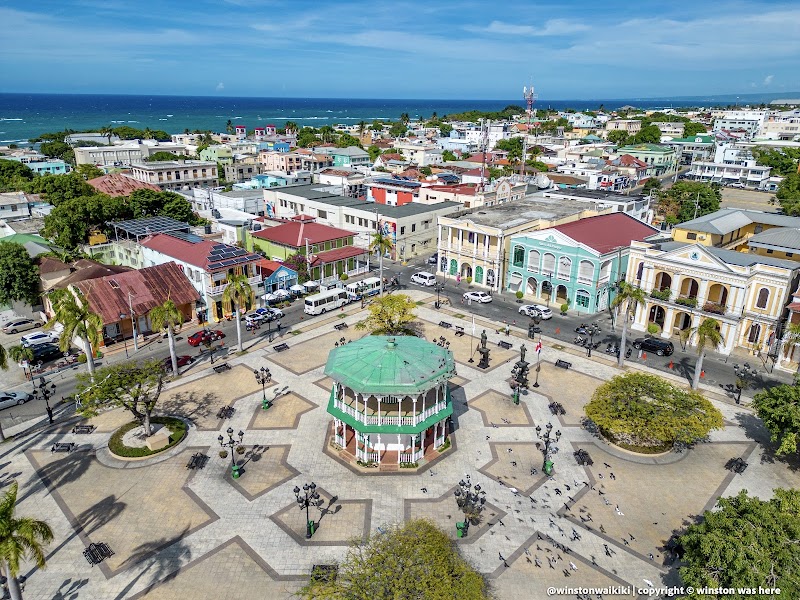
Parque Central Merengue
Downtown Puerto Plata · 90 minMoney-Saving Tips
- 1.Eat where locals eat — street vendors near Parque Central charge 50-100 pesos for meals that cost 500+ pesos at tourist restaurants
- 2.Take motoconchos instead of taxis for short trips — they cost half the price and move twice as fast through traffic
- 3.Buy amber jewelry at the source shops near the museum rather than cruise ship vendors who mark up prices 200-300%
- 4.Visit attractions on Sunday or Monday when cruise ships aren't docked — some museums offer local discounts those days
- 5.Drink coffee standing at local cafés like Café Central — sit-down service doubles the price for the same cortadito
- 6.Negotiate taxi fares before getting in — many drivers don't use meters and will quote tourist prices otherwise
Travel Tips
- •Download Google Translate with Spanish offline — many locals speak limited English outside the tourist zone
- •Bring cash in small bills — most street vendors and local restaurants don't accept cards or large denominations
- •Pack light rain gear even in dry season — afternoon showers pop up quickly and last 20-30 minutes
- •The cable car to Mount Isabel de Torres closes in high winds — check weather before making the trip
- •Cruise ship days (Tuesday-Saturday) mean bigger crowds at Fort San Felipe and the amber museum
- •Learn basic merengue steps before you go — locals love teaching visitors and it opens social doors
- •Motoconchos don't provide helmets — bring your own if safety is a concern
- •The Malecón gets crowded after 6pm on weekends — go earlier for better photos and less chaos
Frequently Asked Questions
Explore Puerto Plata
BUILD YOUR
PUERTO PLATA PLAN
Insider picks, smart timing, and a plan ready when you are.
Start Planning