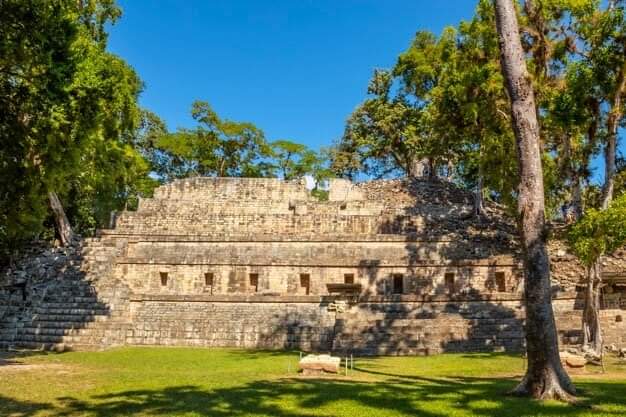
Copán Ruinas
Honduras' crown jewel of Maya civilization and culture
Forget everything you think you know about Maya ruins. Copán Ruinas isn't just another archaeological site — it's a living town where ancient pyramids cast shadows over cobblestone streets and howler monkeys wake you at dawn. This small Honduran town sits 12 kilometers from the Guatemala border, home to some of the most intricate Maya carvings ever discovered.
Here's what makes Copán special: you can walk from your hotel to 1,400-year-old temples in five minutes. The Hieroglyphic Stairway contains the longest known Maya text, with over 2,200 individual glyphs telling the story of Copán's rulers. But beyond the archaeology, this is a place where locals still speak Chortí Maya, where morning coffee costs 30 lempiras, and where you can spot toucans from your breakfast table.
The town itself feels like stepping back in time. Colonial buildings line the central plaza, their red-tile roofs weathered by centuries of tropical rain. Street vendors sell jade jewelry and obsidian knives just like their ancestors did. And when the last tour bus leaves at 4 PM, Copán transforms into something entirely different — a sleepy mountain town where dogs nap in doorways and church bells mark the hours.
Best Months
JAN · FEB · MAR · APR · NOV · DEC
~26°C · high crowds
Culture & Context
MAYA RUINS, LIVING CULTURE
Copán Ruinas sits in western Honduras near the Guatemalan border, at about 700 meters elevation, which makes it a touch cooler than the lowlands but still firmly tropical. The town is small, walkable, and built around a central plaza (Parque Central) where old men play checkers and kids kick soccer balls on the cobblestones. It's been a tourism hub for decades, anchored by the UNESCO-listed Maya ruins right on its doorstep, and the local economy shows it.
Guides, artisan stalls, and small cafes line the streets. That said, it doesn't feel fake. Locals still go about daily life here, and you'll have neighbors who are cattle ranchers or coffee farmers, not just hotel owners catering to backpackers.
The Chortí Maya, descendants of the ancient Copán civilization, still live in communities like La Pintada in the surrounding mountains. The local cuisine leans heavily on baleadas (folded flour tortillas stuffed with beans, cheese, eggs, or avocado), pupusas, and strong locally-grown coffee. Honduran Spanish is considered among the clearest and most formal in the region.
Even parents address infants with the usted form. Be respectful and follow suit. Don't come expecting a nightlife scene.
This place shuts down early and that's part of the charm.
Local Customs
FORMAL USTED ALWAYS
Copanecas (locals from Copán Ruinas) use the formal 'usted' form of address almost universally, even between close friends and family members. Match that register. Using 'tú' too quickly can come across as overly casual..
Greet people when you walk into shops, restaurants, or small spaces. A simple 'buenos días' or 'buenas tardes' is expected, not optional. Skipping it is considered impolite..
Dress modestly, especially around the ruins and religious sites. Copán is a conservative town, and tourists in very revealing clothing stand out in a negative way.. When invited to eat, wait for the host to start before you do.
Try to finish what's on your plate — leaving a lot of food is read as a slight on the cook.. Catholicism is central to local life. During Semana Santa, be respectful during processions even if you aren't religious yourself..
Physical contact in greetings (a handshake for men, a cheek kiss for women) is common once you've been introduced. But let locals lead — don't initiate overly familiar contact with strangers.. LGBTQ+ travelers should be aware that Copán Ruinas is a conservative community.
Discretion is advised in public spaces.
Safety
TOURIST-FRIENDLY, USE SENSE
Copán Ruinas is significantly safer than most of Honduras and is generally considered fine for tourists. Plenty of solo travelers, including solo women, pass through without incidents. That said, basic common sense applies: don't flash expensive cameras or jewelry around town, keep your phone in your pocket rather than in your hand on quiet streets, and avoid walking alone late at night on unlit paths.
The ruins area and town center are generally fine even in the evening, with enough tourist foot traffic and tuk-tuks around to feel safe. Avoid public transportation at night — take private shuttles or tuk-tuks after dark. Stay well away from San Pedro Sula beyond the bus terminal.
For jungle hikes and routes outside of town (like toward La Pintada or Las Sapos ruins), go with a reputable guide. Petty theft is low but not zero. A hidden money belt is never a bad idea.
US travelers should consult the State Department's current Honduras advisory before traveling. Healthcare in Copán Ruinas is basic — for anything serious, you'd need to get to a larger city.
Getting Around
TUKTUKS & MOUNTAIN BUSES
Getting here is the main hurdle. There are no commercial flights to Copán Ruinas — the nearest airport is Ramón Villeda Morales International (SAP) in San Pedro Sula, roughly 4 hours away by road. Fly into San Pedro Sula, then take the Casasola Express bus for about $6 USD (160 Lempiras), though the ride typically takes 5+ hours on winding mountain roads despite the relatively short distance.
Book it online via GuateGo or buy on the spot. Coming from Guatemala? Shuttles from Antigua are very popular and take about 6–7 hours, with most departing at 3:00 or 4:00 AM — so set that alarm.
Roneey Shuttles runs from La Ceiba for $45 USD (about 7 hours). From El Salvador, Gecko Explorer and Go Travel El Salvador both run shuttles from Santa Ana for around $45 USD (5 hours). Once you're in town, red tuk-tuks (three-wheeled moto-taxis) are everywhere and cost $1–2 for any trip around town, including to the ruins.
The ruins are just over 1 km from Parque Central — walkable in 15 minutes via the pedestrian path along Av. Copán then east on CA11. Go early on foot, take a tuk-tuk back when it's hot.
Important: don't hang around San Pedro Sula. Transit through it quickly. Night buses anywhere in Honduras are not recommended.
Useful Phrases
Money-Saving Tips
- 1.Bring US dollars — they're accepted everywhere and often get better exchange rates than converting to lempiras first
- 2.ATMs in town charge high fees (around $5 per withdrawal), so take out larger amounts less frequently
- 3.Negotiate tuk-tuk prices before getting in — locals pay 20 lempiras, tourists often get quoted 50
- 4.Buy snacks and water at local pulperías instead of tourist shops near the ruins to save 50-70%
- 5.Many restaurants offer 'plato del día' lunch specials for 80-120 lempiras — much cheaper than ordering à la carte
- 6.Archaeological park entry costs $15, but the ticket includes access to the tunnels and sculpture museum
- 7.Tip guides 10-15% if you're happy with the service — most speak excellent English and provide incredible historical detail
- 8.Street food vendors don't expect tips, but rounding up to the nearest 5 lempiras is appreciated
Travel Tips
- •Pack layers — mornings can be cool (60°F) while afternoons hit 85°F, especially during dry season
- •Bring a good flashlight for exploring the tunnels beneath Temple 16 — phone lights aren't sufficient
- •Wear closed-toe shoes with good grip — ancient stone steps can be slippery, especially after rain
- •Download offline maps before arriving — cell service gets spotty around the archaeological sites
- •Learn basic Spanish phrases — English is limited outside tourist areas, and locals appreciate the effort
- •Carry small bills (20 and 50 lempira notes) — many vendors can't break large denominations
- •Book accommodations in advance during December-January and Easter week — the town only has about 200 hotel rooms
- •Bring insect repellent for evening walks — mosquitoes emerge around sunset, especially near the river
- •Start early at the ruins (8 AM opening) to beat both crowds and afternoon heat
- •Respect photography rules — flash is prohibited in museums and some areas of the archaeological park
Frequently Asked Questions
Explore Copán Ruinas
BUILD YOUR
COPÁN RUINAS PLAN
Insider picks, smart timing, and a plan ready when you are.
Start Planning