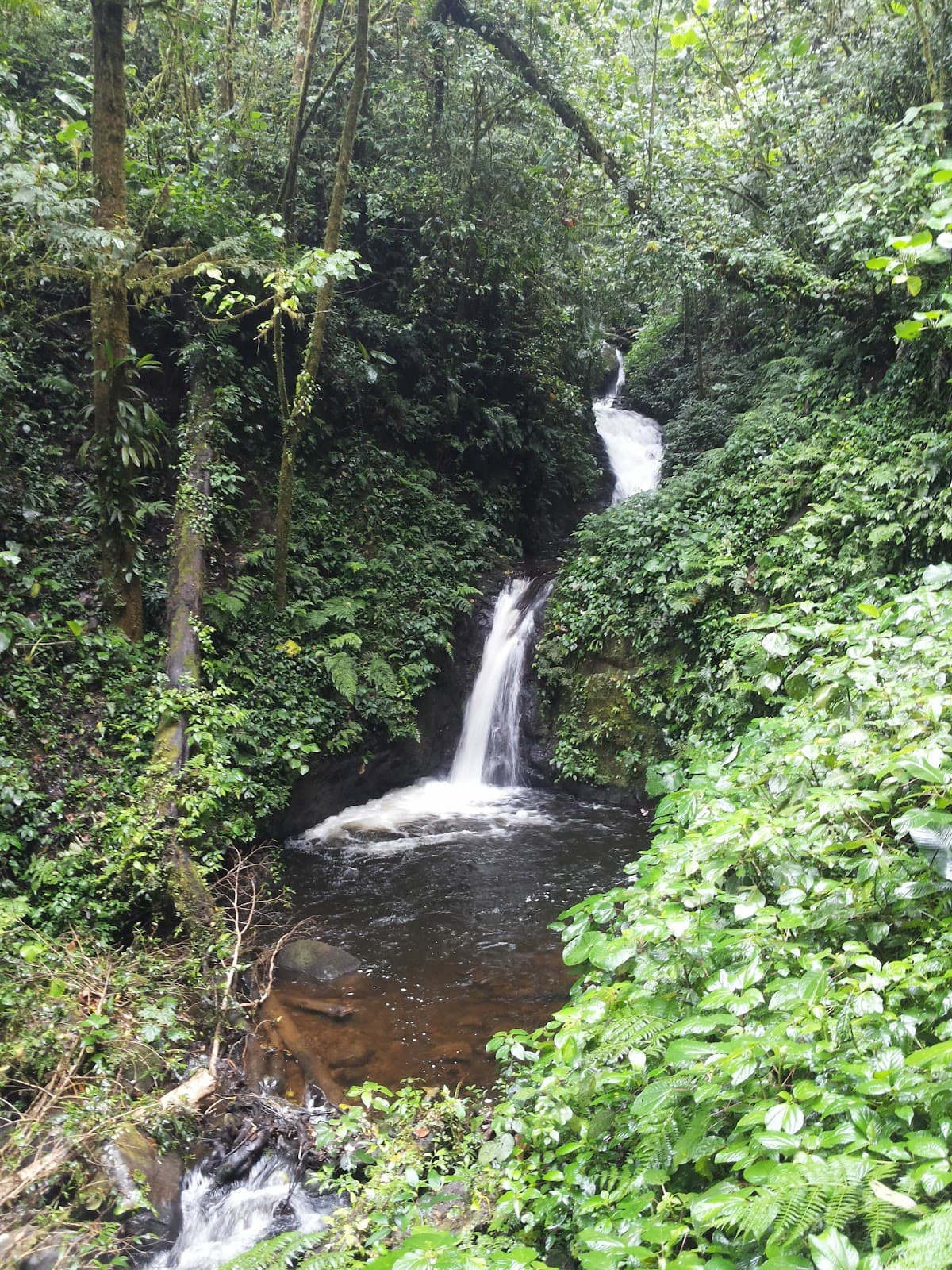
Monteverde
Costa Rica's misty cloud forest conservation paradise
Monteverde isn't just another Costa Rican destination. It's where the clouds literally live in the trees, creating one of the planet's rarest ecosystems. This high-altitude haven sits at 4,600 feet above sea level, where cool mountain air meets tropical warmth to create something extraordinary.
The town itself? Pretty basic. A few dirt roads, some hotels, and restaurants scattered around. But that's not why you come here. You come for the cloud forests that wrap around the mountains like nature's own air conditioning system. The mist rolls in every afternoon, transforming hiking trails into something from a fairy tale.
Here's what makes Monteverde special: it's one of the few places on Earth where you can walk through actual clouds. The Monteverde Cloud Forest Reserve protects 26,000 acres of this rare ecosystem, home to over 400 bird species including the legendary quetzal. Add world-class zip lining, hanging bridges, and some of the best wildlife spotting in Central America, and you've got a destination that delivers on its promises.
Best Months
JAN · FEB · MAR · APR · DEC
~24°C · peak crowds
Culture & Context
QUAKER-BUILT CONSCIENCE
Monteverde exists because of Quakers. A group of American pacifists fled the US in the early 1950s to dodge the Korean War draft and landed here in the Tilarán Mountains, where they built dairy farms and eventually the cheese factory that still operates today. That origin shapes everything about the place.
It's quieter than Costa Rica's beach towns, more community-minded, and deeply invested in conservation. The reserve itself wasn't carved out by the government but protected by a patchwork of private organizations, a school fundraising campaign, and scientific research dating back to the 1970s. People here take eco-tourism seriously, not as a marketing angle but as a genuine operating principle.
Expect trail limits, visitor caps, and guides who will tell you exactly why you can't step off the path. The local Tico community and the Quaker descendants have coexisted and blended over generations, giving Monteverde an unusually thoughtful vibe for a tourist town. English is widely spoken by people who work in hospitality and tours, but Spanish earns you real goodwill once you step off Road 620.
Local Customs
TRAILS & ETIQUETTE STRICT
Eco-etiquette is enforced, not just suggested. Stay on marked trails, don't feed wildlife, and follow guide instructions. Trails in the main reserve have a hard cap of 200 simultaneous visitors..
Restaurant bills include a 10% service charge (called 'servicio') by default, plus 13% sales tax ('impuestos ventas'). You can add more for exceptional service but it's not expected. Ask for 'la cuenta, por favor' when you're ready — servers won't bring it unless you ask..
Greet people with 'buenos días' (morning) or 'buenas tardes' (afternoon). Even a quick nod and 'buenas' when entering a shop goes a long way.. Directions use landmarks, not street names or numbers.
Locals will tell you something is '200 meters north of the church' or 'next to the red building.' Don't expect Google Maps to always align.. Use 'usted' (formal 'you') with strangers until invited to switch.
It's the safe default in Costa Rica and sounds respectful rather than stiff.. Taxi fares in Monteverde are set prices, no meters. Have your hotel call a reputable taxi company to avoid being overcharged..
Tipping guides 10-15% (or a flat amount) is genuinely appreciated and fairly standard among travelers who hire local naturalist guides.
Safety
WATCH THE ROADS
Monteverde is genuinely one of Costa Rica's safer tourist destinations — quiet, eco-focused, and not the kind of place that attracts much serious crime. Petty theft does happen, mostly car break-ins and opportunistic pickpocketing in crowded areas. Never leave anything visible in a rental car.
Not for five minutes. The mountain roads deserve real caution: steep, narrow, sometimes unpaved, and prone to landslides in rainy season. Check road conditions before any long drives and absolutely do not drive at night.
Tap water is a legitimate concern here. Despite what you might read, the tap water in Monteverde can cause stomach issues — drink bottled water or ask specifically before drinking from the tap. Use insect repellent in the evenings; dengue fever is a real (if not extreme) risk.
The altitude sits between 1,400 and 1,800 meters, which can mildly affect people with certain health conditions. In an emergency, dial 911 (English-speaking operators are available in tourist areas). The nearest hospital-level care is in Ciudad Quesada or San José.
There's a small medical clinic (Consultorio Médico Emergencias Monteverde) in Cerro Plano and a pharmacy in downtown Santa Elena for minor issues.
Getting Around
4WD MOUNTAIN COMMITMENT
Getting to Monteverde involves a commitment no matter how you do it. The road is a fact of life here. Route 606 is now paved, but the side roads leading to many hotels are still rough gravel.
A 4WD vehicle is genuinely recommended, especially during rainy season (May-November) when mud and landslides are real possibilities. Always drive the mountain roads during daylight. The public bus from San José's Terminal 7-10 departs at 6:30am and 2:30pm daily, costs $6-8, and takes 5-6 hours including a transfer in Puntarenas.
It's slow but it works. Private shuttles run $55-65 per person, door-to-hotel, in about 4.5-5 hours.
From La Fortuna and Arenal, the van-boat-van transfer across Lake Arenal is a popular and scenic alternative that cuts road time significantly. Within the Monteverde area, shared taxi-buses connect Santa Elena to the reserves for $2-5. Private taxis to the reserves run $8-15 but taxis here have no meters — ask your hotel to call one and agree on the price first.
Renting a car gives the most flexibility for hitting multiple reserves and nearby areas, but factor in the cost of 4WD insurance.
Useful Phrases
Money-Saving Tips
- 1.Book cloud forest reserve tickets online in advance - they're $25 at the gate but $22 online, plus you guarantee entry during peak season
- 2.Many restaurants offer lunch specials (almuerzo del día) for $6-8 instead of à la carte meals that cost $12-15
- 3.Shuttle services between hotels and reserves cost $10-15 per person, but walking takes 45 minutes and saves money if you don't mind the uphill trek
- 4.Buy coffee directly from local cooperatives like Cooperativa Santa Elena - it's half the price of coffee shops and higher quality
- 5.Hostel beds in Santa Elena start at $15/night, while private rooms in the same properties cost $45 - significant savings for solo travelers
- 6.Combo adventure packages (zip line + hanging bridges + transport) cost $65-85, cheaper than booking activities separately
- 7.Pack your own rain gear - rental ponchos cost $5/day and aren't waterproof enough for serious hiking
Travel Tips
- •Bring layers - temperatures drop 20 degrees from afternoon to evening, and morning hikes start cold and foggy
- •Waterproof hiking boots are essential year-round; trails stay muddy even in dry season due to constant mist
- •Book quetzal-spotting tours for early morning (6-8 AM) when birds are most active and visibility is clearest
- •The road to Monteverde is rough - rent an SUV if driving yourself, or take organized shuttles to avoid car damage
- •Reserve restaurants for dinner by 4 PM - most places are small and fill up quickly with tour groups
- •Bring a good flashlight for night walks and early morning reserve visits - streetlights are minimal
- •Pack binoculars or rent them at reserves ($5/day) - wildlife spotting improves dramatically with magnification
- •Download offline maps - cell service is spotty in the forest reserves and GPS doesn't work reliably