Day of the Dead
Mexico's vibrant celebration of life, death and remembrance
Forget everything you think you know about death celebrations. Day of the Dead isn't Halloween with a Mexican twist - it's something entirely different. For two days every November, Mexico transforms into a living gallery where families welcome back departed souls with marigold petals, sugar skulls, and stories told over candlelit graves.
You'll find altars on every corner in Oaxaca. Families camping overnight in Pátzcuaro's island cemetery. Mexico City's Zócalo filled with 20-foot-tall skeleton puppets. This isn't about fear or sadness - it's pure celebration. The dead return as honored guests, and the whole country throws them a party.
But here's what guidebooks won't tell you: the best experiences happen in small pueblos where traditions run deepest. Where abuela still makes mole from scratch and kids learn to fold papel picado before they can write. Sure, the big cities put on spectacular shows, but the real magic lives in places like Mixquic, where cemetery visits feel more like family reunions than tourist attractions.
Best Months
NOV
~25°C · peak crowds
Culture & Context
Day of the Dead (Día de Muertos) is one of Mexico's most significant cultural celebrations, observed November 1–2 — though festivities in many cities begin as early as October 28 and run through November 3.
The holiday blends 3,000+ years of Indigenous Mesoamerican tradition (Aztec, Maya, Purépecha) with Spanish Catholic observances (All Saints' Day, All Souls' Day). November 1st honors deceased children (Día de los Angelitos), while November 2nd is dedicated to adult spirits.
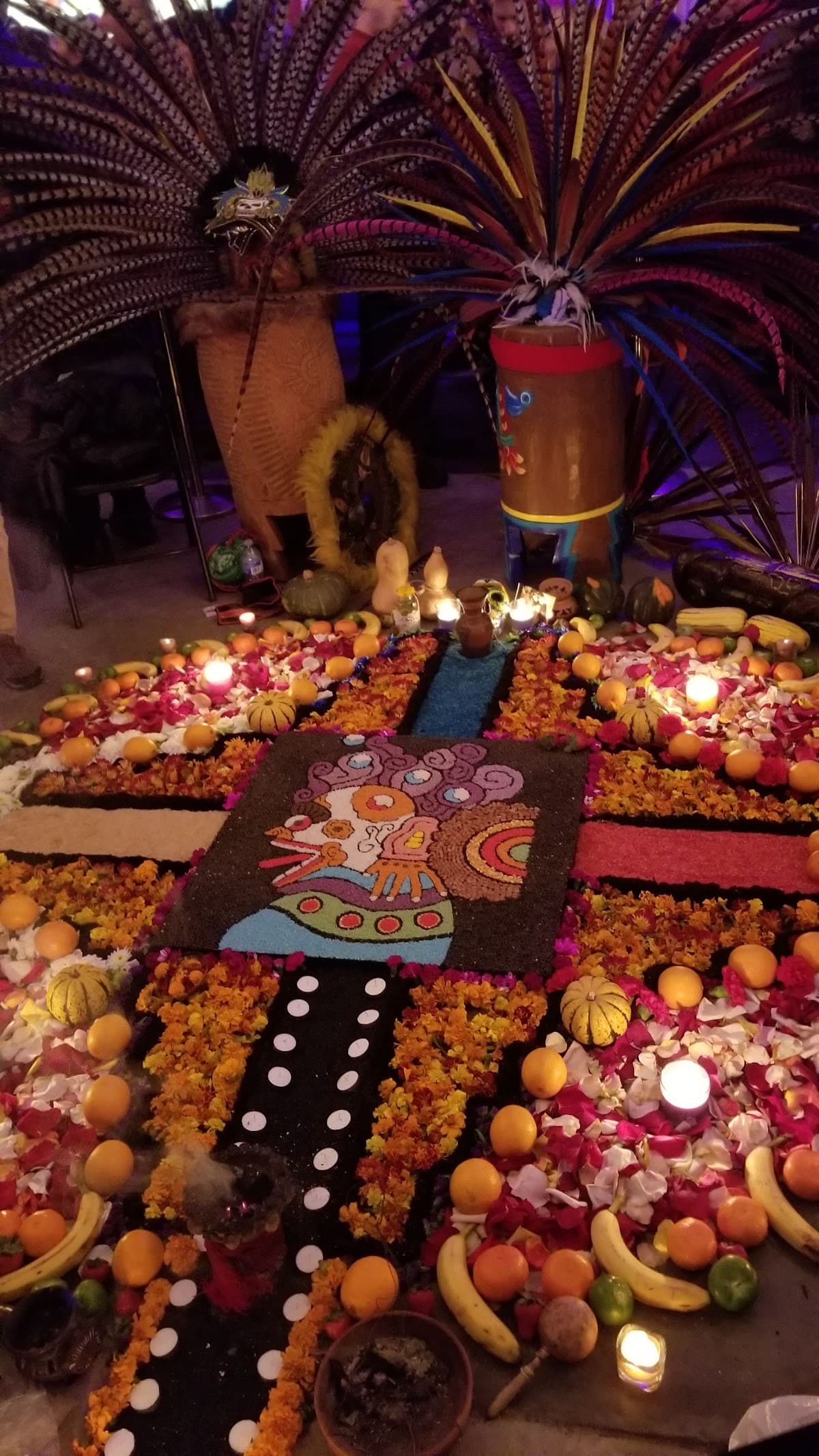
This is not Halloween. Families build elaborate ofrendas (altars) loaded with marigolds, copal incense, food, water, photos, and the favorite things of those who've passed. The belief: the spirits return home for a brief visit, and the ofrenda is their welcome.
The CDMX parade is famous but was literally invented in 2016 after the James Bond film Spectre staged one. Oaxaca and Michoacán are where the deep, pre-commercial roots of the tradition still pulse hardest.
Local Customs
Day of the Dead is a sacred family observance, not a tourist festival.
You are welcome as a guest — Mexican culture is genuinely generous — but behave accordingly. At cemeteries, ask permission before photographing families at gravesites.
The golden rule: if you wouldn't do it at a family funeral in your own country, don't do it here.. Costumes are appropriate at CDMX parades and comparsas — half the city will have Catrina face paint. But at cemetery vigils, dress in dark, understated tones and avoid face paint out of respect for families who are genuinely grieving and welcoming spirits..
The ofrenda (altar) is a personal, sacred welcome home for a specific spirit. Never touch an ofrenda without being invited to. Never help yourself to the food or items on it..
Marigold petals (cempasúchil) are scattered everywhere during the holiday — on streets, cemetery paths, and in hotels. It's completely normal and part of how the living guide spirits home. Don't be surprised to find petals underfoot everywhere you walk..
Watch Pixar's Coco before you go. Seriously. It's accurate enough to give you a much deeper appreciation for what you're witnessing, and locals love that foreigners have seen it..
Mezcal is deeply woven into Oaxacan culture and the Día de Muertos celebrations. Ordering mezcal (not tequila) in Oaxaca is both culturally appropriate and delicious. Ask for a 'joven' (young) or 'reposado' mezcal from local distilleries — agave variety matters enormously..
Noise-canceling earplugs are genuinely useful in Oaxaca. The comparsas run until 2–3 AM and brass bands are LOUD. Light sleepers should stay slightly outside Centro or Jalatlaco..
Taxis in Oaxaca: always confirm the fare before getting in. City center rides cost 50–100 MXN. During Día de Muertos, Uber availability drops to near zero — taxis are your reliable option..
Book accommodation in Oaxaca and Pátzcuaro 5–6 months ahead of time. Hotels in Oaxaca on Oct 31–Nov 2 are fully booked by May. If it's September and you haven't booked, call hotels directly and ask about cancellations.
Safety
Mexico is safe for tourists in the right destinations — and the main Day of the Dead cities (Oaxaca, Mexico City, Mérida, San Miguel de Allende) are among the safer urban destinations in the country.
OAXACA: The overall travel risk is low in tourist areas. Oaxaca City carries a US State Department Level 2 advisory ('Exercise Increased Caution'), primarily due to petty crime.
Violent crime against tourists is rare. The main threats are pickpockets in crowded markets (Benito Juárez, 20 de Noviembre) and during festival events. The historic center, Jalatlaco, and Xochimilco neighborhoods are considered safe and walkable.
IMPORTANT: The Istmo region of Oaxaca state (near Salina Cruz, Juchitán) is under a US government travel restriction — this is a specific border zone, not the tourist city. Oaxaca City and its surrounding villages are unrestricted. MEXICO CITY: Roma, Condesa, Centro Histórico, and Coyoacán are safe and well-trafficked.
Use Uber rather than hailing street cabs. In CDMX, don't walk with your phone out navigating — motorbike thieves (moto-ladrones) are quick. Step into a doorway to check maps, then keep moving.
COMMON SCAMS: Overcharged taxi fares (confirm price before entering), restaurant over-pricing in tourist areas, and fake emergencies/sob stories. GENERAL TIPS: Use ATMs inside bank branches (BBVA, Banorte, Banamex) — avoid standalone Euronet ATMs. Use app-based transport (Uber/DiDi) in cities after dark.
Keep valuables inside jacket pockets rather than backpacks in crowds. Avoid buying drugs. Travel insurance with medical evacuation coverage is strongly recommended.
For solo women: Oaxaca and Mérida are considered among the more welcoming cities in Mexico.
Getting Around
Getting around during Día de Muertos requires more planning than a normal Mexico trip.
In MEXICO CITY: The Metro runs for just 5 MXN per ride and is one of the world's cheapest subway systems — great for getting around outside of parade hours. Avoid driving near the Reforma parade corridor on parade day; road closures are significant.
Uber works well outside of parade congestion. The Turibus hop-on/hop-off bus covers major tourist zones (160 MXN weekdays, 180 MXN weekends). In OAXACA: There is no Uber during Día de Muertos — availability drops to zero during the festival.
Taxis are safe, abundant, and affordable; confirm the fare before you get in (50–100 MXN for most city center rides). The city center is entirely walkable — most ofrendas, the Zócalo, and the Mercado are within 15 minutes on foot from Centro hotels. For cemetery villages outside the city (Xoxocotlán, San Pablo Villa de Mitla, San Agustín Etla), join an organized night tour.
Local operators run van tours visiting 2–3 cemeteries with a guide and handle all logistics — strongly recommended over going solo. The streets are cobblestone everywhere — bring comfortable, closed-toe shoes. For intercity travel: Oaxaca International Airport (OAX) has direct flights from Dallas, Houston, LA, and Chicago.
Connecting flights within Mexico via Mexico City, Guadalajara, Cancún, and Monterrey. The drive from Mexico City to Pátzcuaro is officially 5 hours — during Day of the Dead weekend it can take 10. Plan accordingly or fly into Morelia (MLM).
Useful Phrases
Money-Saving Tips
- 1.Cemetery entrance fees range from free to 50 pesos in tourist areas like Janitzio Island
- 2.Street food vendors triple prices during celebrations - budget 200-300 pesos per person daily
- 3.Hotel rates in Oaxaca increase 300-400% during Day of the Dead weekend
- 4.Boat trips to Janitzio Island cost 25 pesos round-trip, but private night boats charge 500-800 pesos
- 5.Pan de muerto costs 15-30 pesos at bakeries, but tourist areas charge up to 80 pesos
- 6.Mexico City's Day of the Dead parade is free, but VIP viewing areas cost 500-1,500 pesos
- 7.Mezcal tastings in Oaxaca range from 150 pesos at local bars to 800 pesos at high-end venues
- 8.Colectivos (shared taxis) to nearby pueblos cost 20-40 pesos versus 200-400 pesos for private taxis
Travel Tips
- •Learn basic Spanish phrases about death and remembrance - families appreciate respectful interest in their traditions
- •Bring cash - many vendors and small establishments don't accept cards during the busy celebration period
- •Pack layers for cemetery vigils that last from evening until sunrise, temperatures drop significantly
- •Download offline maps - cell service gets overwhelmed in crowded celebration areas
- •Book return transportation before heading to cemetery celebrations, especially for overnight vigils
- •Respect photography boundaries - always ask permission before photographing family altars or grave sites
- •Try traditional foods at local markets rather than tourist restaurants for authentic flavors and better prices
- •Arrive early to popular sites like Janitzio Island - boats fill up quickly and wait times increase throughout the day
- •Bring small bills for offerings if you want to contribute to community altars or church collections
- •Stay hydrated during long walking tours of altar displays - celebration excitement can make you forget to drink water
Frequently Asked Questions
Explore Day of the Dead
BUILD YOUR
DAY OF THE DEAD PLAN
Insider picks, smart timing, and a plan ready when you are.
Start Planning