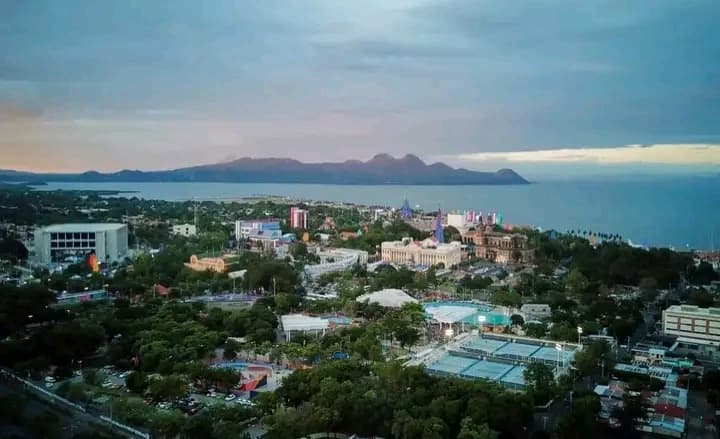
Managua
Himalayan hill station where adventure meets spiritual serenity
Look, Managua isn't going to win any beauty contests. Nicaragua's sprawling capital got flattened by earthquakes and rebuilt without much of a plan. But here's the thing — this chaotic city is Central America's best-kept secret for adventurous travelers who want authentic experiences without the tourist markup.
You'll find active volcanoes within an hour's drive, street food that costs less than your morning coffee back home, and locals who are genuinely excited to meet travelers. The city sits on the shores of Lake Managua, with the Masaya Volcano glowing orange on clear nights. Sure, the infrastructure is rough around the edges, and you'll need your wits about you. But that's exactly why Managua works as a launching pad for Nicaragua's incredible natural wonders.
Best Months
MAR · APR · MAY · JUN · OCT · NOV
~31°C · moderate crowds
Culture & Context
AUTHENTICALLY UNGLAMOROUS
Managua doesn't have the colonial postcard looks of Granada or León, and it knows it. The 1972 earthquake flattened the historic center, and the city rebuilt itself sprawled and car-dependent, with roundabouts instead of street names and malls beside humble barrios. That said, there's something genuinely compelling about a capital city that never quite figured out how to be touristy.
Locals are proud, Catholic, and deeply communal. Public life pulses loudly around religious festivals and family gatherings. The government is authoritarian and closely monitors public expression, so keep political opinions to yourself entirely.
Tipping isn't a local custom, but foreigners are generally expected to leave around 10% at sit-down restaurants. Don't drink the tap water. Bottled water only, even for brushing your teeth.
Local Customs
STAY POLITICALLY SILENT
Greet people warmly before jumping into requests — skipping pleasantries reads as rude here.. Nicaraguans use 'vos' instead of 'tú', with different verb conjugations. Don't panic, locals will understand standard Spanish..
Bargain at markets like Roberto Huembes, but do it calmly and with a smile. Aggressive haggling goes over badly.. Public displays of political opinion — even casual ones — can attract unwanted attention from authorities.
Stay quiet on that front.. Tipping is not a local habit but foreigners are expected to leave around 10% in restaurants and a dollar or two for hotel staff.. Prices are sometimes quoted in US dollars, sometimes in córdobas.
Always clarify before agreeing to a price.. Directions are given using landmarks, not street addresses. 'Two blocks north of the old cathedral' is completely normal navigation..
Don't bring drones. They are confiscated at customs, no exceptions.
Safety
DELIBERATE PRECAUTIONS REQUIRED
Here's the honest version: Managua is manageable, but it takes deliberate precautions. The US State Dept Level 3 advisory is real and worth reading before you go. Petty crime — pickpocketing, bag snatching, opportunistic robbery — is the main risk for visitors, concentrated at markets, bus terminals, and crowded public spaces.
The Mercado Oriental is specifically flagged as high-risk (US diplomatic staff are banned from going there). The Roberto Huembes Market sees multiple theft incidents daily according to vendor reports. Don't walk at night, anywhere.
Use InDriver for all evening transport. Keep your phone out of sight in public — don't photograph things casually on busy streets. Use ATMs inside banks or shopping malls, not on the street.
The political environment adds a layer of risk unique to Nicaragua: laws are interpreted broadly, and foreigners have been detained for reasons that would seem innocuous elsewhere. Avoid political gatherings entirely. Avoid posting anything political about Nicaragua on social media while in the country.
On the healthcare side, Managua has the country's only Joint Commission International-certified hospital. Everywhere outside the capital, medical resources drop off sharply. Get comprehensive travel insurance that covers medical evacuation.
Getting Around
INDRIVER AFTER DARK
Managua's Augusto C. Sandino International Airport (MGA) is the main international gateway. It's functional, customs moves fairly quickly, and airport transfers arranged through your hotel are the safest first move — avoid random guys offering rides outside arrivals.
Once in the city, download InDriver. Uber doesn't operate here, but InDriver works reliably and lets you see the driver's rating and agree on a price upfront. Traditional taxis are everywhere but don't have meters — agree on a fare before you get in, and ask your hotel what a fair rate should be for your route.
Public chicken buses cost almost nothing (around $0.15) but are crowded, confusing for newcomers, and a pickpocket risk. Petty theft does happen on buses, particularly around bus terminals.
For intercity travel, the bus from León to Managua costs around $2. Tourist shuttles cost more but save a lot of hassle on longer routes. U.
S. government employees are not permitted to use public transport in Nicaragua for safety reasons — that's worth knowing. After dark, stick to InDriver or hotel-arranged rides.
Don't walk at night, even in the safer neighborhoods. Managua is not a pedestrian-friendly city.
Useful Phrases
Managua Itineraries
View all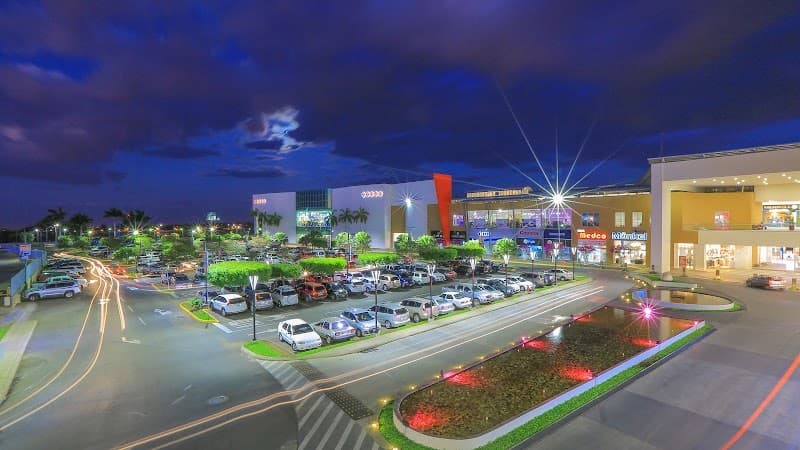
7 Jungle-Wild Days in Managua & Nearby Nature
Week · $$$
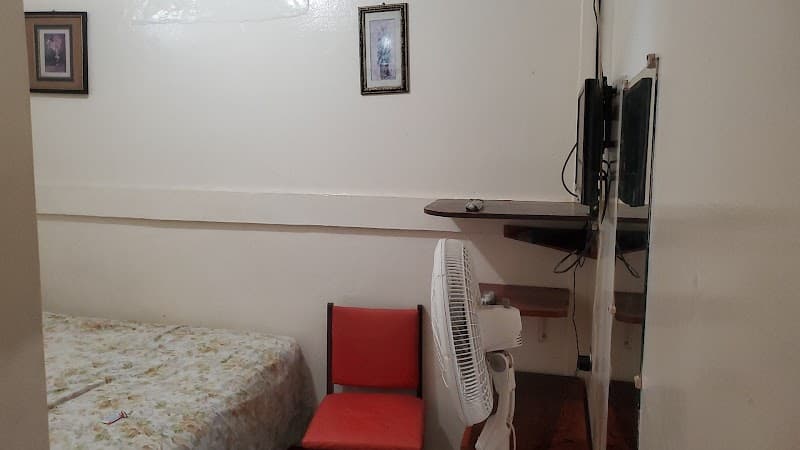
Jungle Wild Weekender in Managua & Masaya
Weekend · $$$
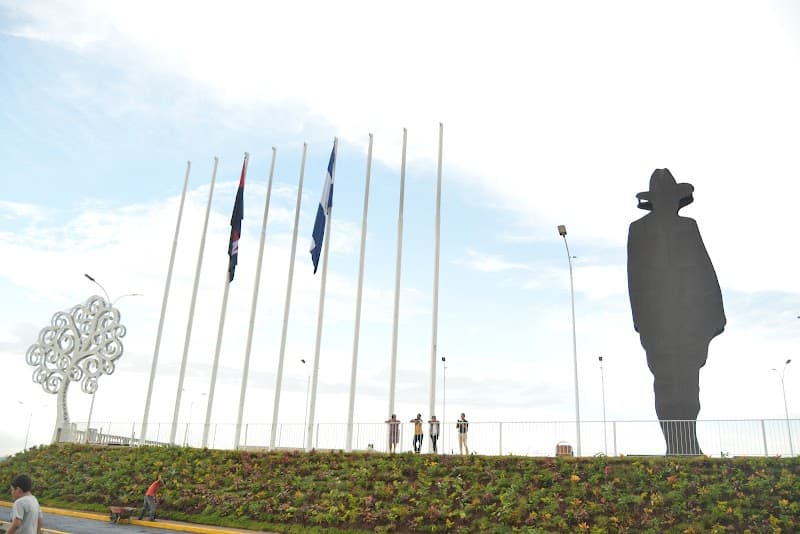
Lakes, Volcanoes & Jungle Vibes Around Managua
Week · $$$
Lakeside Love & Volcano Views in Managua
Weekend · $$$

7 Jungle-Wild Days Around Managua With the Kids
Week · $$$
Three Easy Days of Managua Family Adventure
Weekend · $$$
Things to Do in Managua
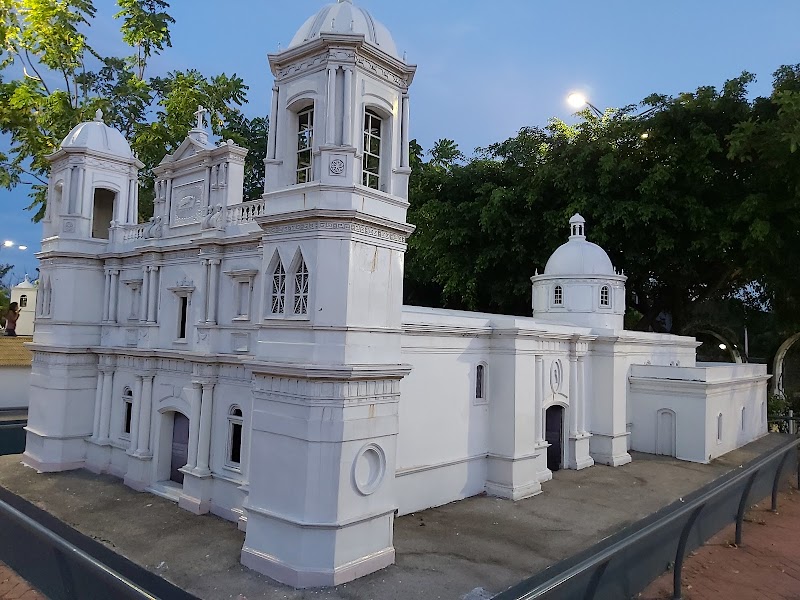
Paseo Xolotlán
Puerto Salvador Allende · 120 min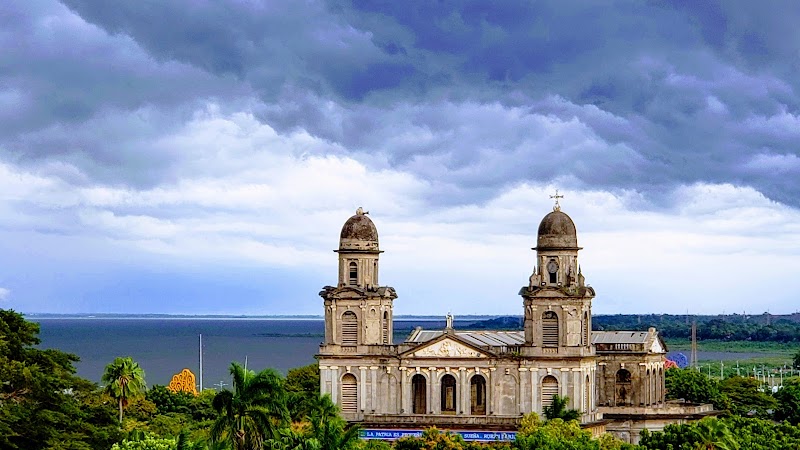
National Palace of Culture area and Plaza de la Revolución
Centro Histórico · 90 min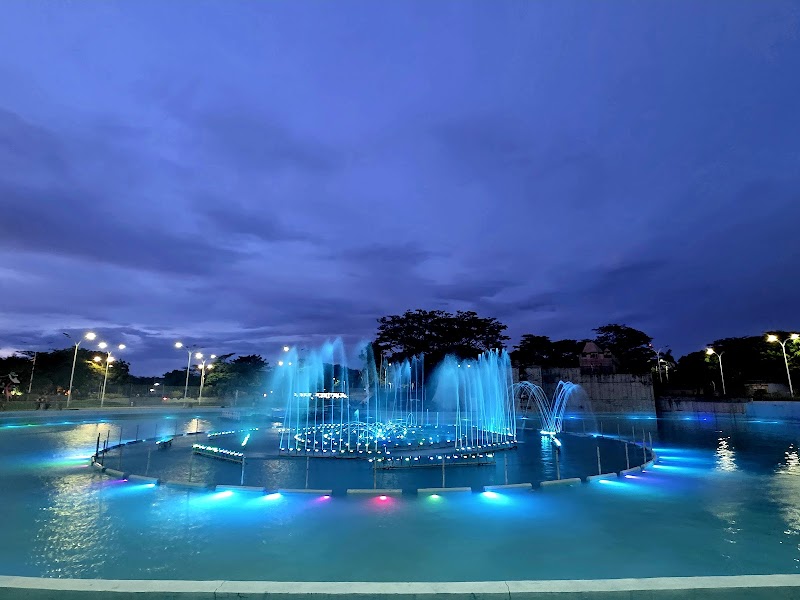
Parque Luis Alfonso Velásquez Flores
Centro Histórico · 90 minMoney-Saving Tips
- 1.Withdraw cash from bank ATMs, not street machines — Banco de América Centrale (BAC) has the most reliable network
- 2.Negotiate taxi fares before getting in — locals pay 100-150 córdobas for cross-town rides
- 3.Eat at comedores (local diners) where meals cost $2-4 instead of tourist restaurants charging $15+
- 4.Buy Flor de Caña rum at pulperías for $8 instead of hotel bars charging $4 per shot
- 5.Take local buses for 15 cents instead of tourist shuttles charging $10+ for the same route
- 6.Stay in Barrio Martha Quezada hostels for $12-15 instead of Zona Rosa hotels at $60+
- 7.Shop at Mercado Oriental for souvenirs — same hammocks cost $15 vs $40 in tourist shops
Travel Tips
- •Download offline maps before arriving — cell service can be spotty outside the city center
- •Pack a good flashlight — power outages happen regularly, especially during rainy season
- •Learn basic Spanish phrases — English isn't widely spoken outside tourist areas
- •Carry small bills — many places can't break 500 córdoba notes ($14)
- •Avoid wearing expensive jewelry or watches — keep valuables in your hotel safe
- •Pack insect repellent with DEET — mosquitoes are active year-round near the lake
- •Bring a universal adapter — Nicaragua uses Type A plugs but voltage fluctuates
- •Keep copies of important documents — leave originals in hotel safe and carry copies
- •Pack layers — mornings can be cool but afternoons get hot and humid