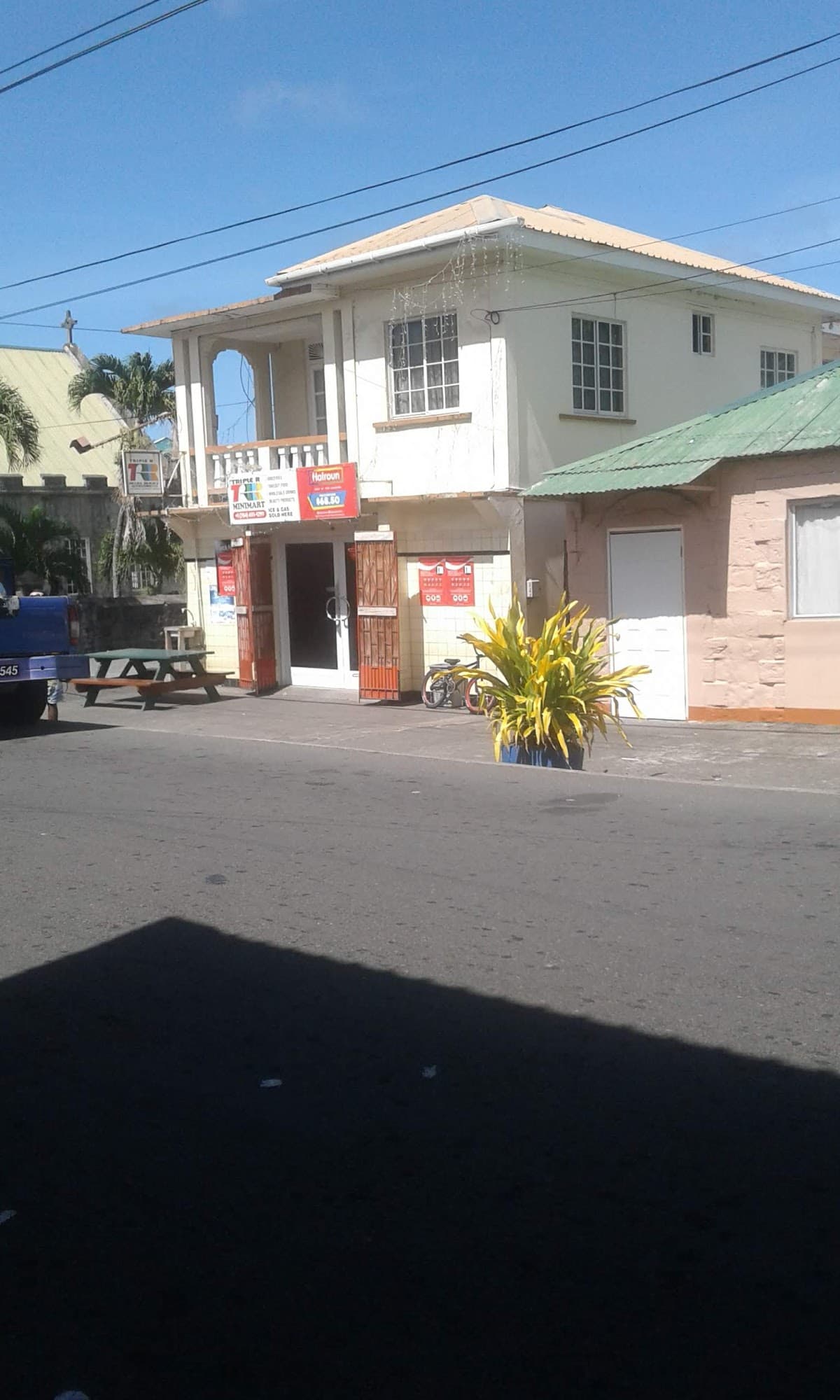
Saint Vincent and the Grenadines
Unspoiled Caribbean sailing paradise with volcanic drama
Forget the cruise ship crowds and overpriced beach clubs. Saint Vincent and the Grenadines delivers the Caribbean you thought existed only in old movies — 32 islands where you can still find completely empty beaches, where sailing between volcanic peaks feels like exploring uncharted territory, and where the most pressing decision is choosing between snorkeling with sea turtles or hiking to a waterfall. This isn't the sanitized Caribbean resort experience. It's raw, authentic, and absolutely stunning. La Soufrière volcano dominates Saint Vincent's northern landscape, while the Grenadines scatter southward like emeralds dropped into impossibly blue water. Each island has its own personality — from the yacht-filled harbors of Bequia to the untouched wilderness of Mustique.
Culture & Context
FIJIAN & INDO-FIJIAN MIX
Nadi sits on the western edge of Viti Levu, Fiji's main island, and it's where nearly every international visitor lands first. But here's the thing: most people treat it as a layover town and scramble straight to the outer islands. That's a mistake.
Nadi has genuine character. The town is a real mix of indigenous Fijian and Indo-Fijian cultures, which means you can eat jackfruit curry at a local canteen one hour and watch a traditional meke dance performance the next. Temperatures hold steady around 25.
5°C (77.9°F) year-round. And one important detail for pronunciation: the "d" in Fijian is said with an "n" in front of it.
So it's not "Nah-dee." It's "Nan-di." Get that right in the first five minutes and locals will warm to you immediately.
Local Customs
SEVUSEVU & VILLAGE RESPECT
Bring sevusevu (a bundle of kava root) when visiting a village. You can pick one up at Nadi Central Market for around FJD $20. Don't skip this — it's not optional, it's how you show respect to the village chief..
Remove your shoes AND anything on your head (hats, sunglasses) before entering a village or temple. Hold backpacks in your hand rather than wearing them on your back.. If someone offers you food, eat it.
Turning it down is rude. Even a small taste counts. This applies especially during kava ceremonies or village visits..
Fiji time is real. Your 10am boat transfer might leave at 10:30. Your dinner will arrive when it arrives.
Locals don't respond well to urgency or frustration. Slow down and the whole place opens up.. Dress modestly away from the beach — bikinis and board shorts belong on the sand, not in town.
At temples and villages, cover your shoulders and knees, full stop. Women can borrow a sulu (sarong) at most temple entrances.. No photos during the sevusevu (kava) ceremony.
At markets, always ask vendors before pointing a camera at them. At temples, exterior shots are generally fine, interior shots usually are not.. Tipping is not a Fijian tradition.
At resorts, there's often a Staff Christmas Fund box. Small tips of FJD $5-13 for exceptional service are appreciated but never expected.
Safety
USE COMMON SENSE
Nadi is generally safe, and Fijians are genuinely welcoming. But it's an urban hub, and the same common-sense rules apply here as anywhere. Petty theft (bag snatching, pickpocketing) is the main concern, mostly in crowded areas around Nadi Town, the markets, and the airport.
Don't flash expensive cameras or leave bags unattended. After dark, the stretch of Queens Highway between Namaka and the airport is poorly lit and not designed for walking — take a taxi. Same goes for the road between Wailoaloa Beach and central Nadi.
The Martintar and Denarau areas are better lit and more comfortable at night. Watch your drinks at bars — drink spiking has been reported. Credit card skimming happens; stick to ATMs at major banks (ANZ and Westpac have the widest network).
ATM fees run FJD $10-15 per withdrawal. On the health side: dengue fever is a real risk, carried by day-biting mosquitoes. Use insect repellent during the day, not just at dusk.
Cyclone season runs November to April. Flooding can affect roads and close access to the airport. Keep plans flexible during this period.
The Fiji government declared an ongoing HIV outbreak in 2025 — standard precautions apply. Emergency numbers: Nadi Police Station 670 0222, general emergency 911, Tourist Police 4502639.
Getting Around
BUSES & METERED TAXIS
Getting around Nadi is easy once you know the system. The local yellow buses are absurdly cheap at FJD $1-4 per ride and connect most of the main neighborhoods. Get an e-Transport card to make paying faster.
But buses stop running early — don't count on them after dark. For taxis, look for the ones with LT plates, which are licensed and use meters within the Nadi area. Metered fares within town run FJD $5-15.
Shared taxis (slightly faster than buses, slightly pricier at FJD $5-10) are a good middle option for Denarau or Lautoka runs. One warning: some taxi drivers at the airport claim their meters are broken. They don't.
Insist on the meter or agree on a firm price before you get in. The standard Nadi airport to Denarau fare should be FJD $25-35. Private taxis for door-to-door trips cost FJD $20-40 for short hops.
For island-hopping, all ferries to the Mamanuca and Yasawa islands depart from Port Denarau Marina. South Sea Cruises and Awesome Adventures run the main routes, with one-way fares around FJD $80-150. Ferries run roughly hourly during the day.
If you want to explore at your own pace on land, car rental starts around FJD $60/day. Remember: Fiji drives on the left. Bicycle rentals (FJD $15-25/day) work fine for exploring within Nadi Town and surrounds, but the main Queens Road has fast traffic so stay alert.
Useful Phrases
Money-Saving Tips
- 1.Book accommodations directly with hotels rather than booking sites — many offer 10-15% discounts for direct bookings
- 2.Inter-island flights cost less when booked as multi-leg trips rather than individual segments
- 3.Local ferries between Saint Vincent and Bequia cost $15 vs $80 for charter boats with similar travel times
- 4.Friday fish fries in coastal villages offer full meals for under $10 compared to $25+ at resort restaurants
- 5.Rental cars on Saint Vincent cost half the price of daily taxi rates for volcano hikes and beach hopping
- 6.Grocery shopping at local markets saves 60% compared to resort mini-marts — breadfruit and plantains cost under $2
- 7.Snorkeling gear rental for $15/day beats $50 tour packages if you have boat transportation
- 8.Camping permits for uninhabited cays cost $5 vs $200+ per night for resort accommodations
- 9.Local rum costs $12 per bottle vs $8 per cocktail at tourist bars
- 10.Shoulder season (May and November) offers 40% hotel discounts with identical weather conditions
Travel Tips
- •Pack reef-safe sunscreen — many local reefs ban chemical sunscreens that damage coral
- •Bring cash in small bills — many local establishments don't accept cards or large denominations
- •Download offline maps before arriving — cell service disappears between islands and in mountainous areas
- •Pack hiking boots for La Soufrière volcano — trails get muddy and slippery even during dry season
- •Bring seasickness medication for inter-island boat trips — the passages can get rough in trade wind season
- •Learn basic sailing knots if chartering — local charter companies expect some sailing knowledge
- •Pack insect repellent for evening activities — sand flies and mosquitoes emerge at sunset
- •Bring a waterproof phone case for snorkeling and boat trips — saltwater destroys electronics quickly
- •Pack light, quick-dry clothing — humidity stays high and laundry services are limited on smaller islands
- •Respect local customs — swimwear is for beaches only, not for walking through villages
Frequently Asked Questions
BUILD YOUR
SAINT VINCENT AND THE GRENADINES PLAN
Insider picks, smart timing, and a plan ready when you are.
Start Planning