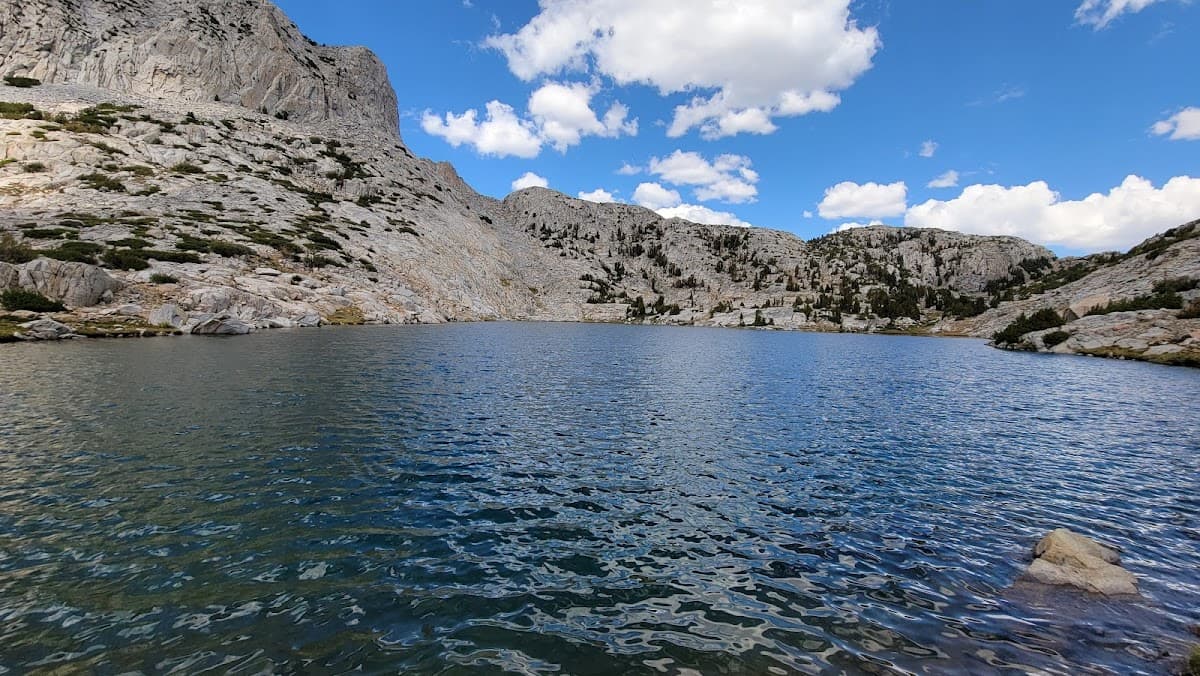
John Muir Trail
America's most spectacular high-altitude wilderness trek through Sierra Nevada
The John Muir Trail isn't just a hike—it's a 211-mile pilgrimage through the Sierra Nevada's most jaw-dropping terrain. You'll cross thirteen mountain passes above 11,000 feet, walk alongside crystal-clear alpine lakes, and camp under some of the darkest skies in California. This isn't your weekend warrior trail. The JMT demands serious preparation, ironclad permits, and legs that can handle 20+ days of relentless elevation gain. But here's what makes it legendary: you'll traverse the same granite cathedrals that inspired John Muir himself, from Yosemite Valley to the summit of Mount Whitney. Most hikers tackle it southbound, starting at Happy Isles and finishing at Whitney Portal. The trail connects Yosemite, Kings Canyon, and Sequoia National Parks, passing through wilderness areas that feel untouched by time. And yes, the permit lottery is brutal—but that's exactly why the trail stays magical.
Money-Saving Tips
- 1.Rent bear canisters in Mammoth Lakes or Lone Pine instead of buying - saves $300+ and pack weight
- 2.Buy discounted National Parks annual pass for $80 if visiting multiple parks for training hikes
- 3.Mail resupply boxes to yourself instead of buying expensive trail town food - saves $200+ total
- 4.Split Whitney Portal shuttle costs with other hikers - Facebook groups coordinate rides for $20-30 per person
- 5.Camp at Alabama Hills BLM land before starting for free instead of Lone Pine motels at $150/night
- 6.Dehydrate your own meals instead of buying Mountain House - cuts food costs by 60%
Travel Tips
- •Start hiking by 6 AM daily to avoid afternoon thunderstorms - lightning kills more hikers than bears
- •Cache extra food at Muir Trail Ranch even if not doing full resupply - insurance against delays
- •Download offline maps to your phone AND carry paper backups - GPS batteries die in the cold
- •Break in boots with at least 100 miles of hiking before the trail - blisters end more attempts than anything
- •Carry duct tape wrapped around trekking poles for gear repairs - fixes everything from tents to boots
- •Plan rest days at Rae Lakes or Evolution Lake - your body needs recovery time above 10,000 feet
- •Bring electrolyte tablets not just water - altitude sickness often stems from mineral depletion
- •Test all gear on weekend trips first - the JMT is not the place to discover your stove doesn't work
Frequently Asked Questions
BUILD YOUR
JOHN MUIR TRAIL PLAN
Insider picks, smart timing, and a plan ready when you are.
Start Planning