Denver Metropolitan Area
World's Most Heavily Fortified Border Experience
Denver sits a mile above sea level, but the real elevation here comes from its unexpected layers. This isn't just another Western city with mountains as a backdrop. The Denver metro sprawls across the Front Range with neighborhoods that feel like separate towns, each carrying its own story. You'll find Chicano murals in the Highlands, craft breweries in converted warehouses, and food trucks serving Vietnamese pho next to green chile burritos. The city wears its history openly — from Union Station's restored grandeur to the remnants of Stapleton Airport turned into one of America's largest urban developments. And those Rocky Mountains? They're not just pretty scenery. They're your weekend playground, less than an hour from downtown's glass towers.
Culture & Context
BOOMING, BALANCING, EVOLVING
Denver sits at the crossroads of the American West's frontier mythology and a fast-growing, tech-forward modern city. It added nearly 80,000 people per year in recent years, drawn by outdoor access, cannabis legalization, and a strong job market — so about half the people you meet are transplants from California, Texas, or the Midwest. The Rocky Mountains aren't just scenery; they're a cultural identity.
Outdoor recreation is the social currency here. Ski season, hiking seasons, and concert seasons at Red Rocks structure the year more than holidays do. The cannabis industry is fully normalized — dispensaries operate like any retail store and locals talk about them casually.
Denver has a strong craft beer culture rooted in the Great American Beer Festival legacy, with more breweries per capita than most US cities. Five Points carries deep African American cultural history as the 'Harlem of the West.' The Latino community is significant along Federal Boulevard and in neighborhoods like Globeville.
Denver leans politically progressive overall, though it's more moderate than Boulder (affectionately called 'The People's Republic' by Denverites). Colorado is one of the sunniest states in the US — over 300 days of sunshine annually — and that shapes the outdoor, active, unhurried social vibe.
Local Customs
ALTITUDE CHANGES EVERYTHING
Altitude hits harder than you expect. At 5,280 feet, alcohol is roughly twice as potent and dehydration sneaks up fast. Drink twice the water you normally would and pace yourself on drinks — that second beer can feel like your fourth..
The sun at altitude is no joke. There's 25% less atmospheric protection from UV rays at Denver's elevation. Sunscreen, sunglasses, and SPF lip balm are daily essentials, not optional extras — even on cloudy days..
Weather flips without warning. An 80-degree afternoon can drop 50 degrees with snow by evening. Locals wear layers and never mock someone with a jacket in July.
Pack accordingly.. Never leave anything in your car. Auto theft remains Denver's most common crime even after significant 2025 drops.
Not a backpack, not sunglasses, not a gym bag. Lock it and empty it.. Rocky Mountain Oysters are bull testicles, deep-fried and served as an appetizer.
You're expected to try them at least once. It's a local dare tradition — lean in.. Cannabis is legal for adults 21+ for recreational use.
Consuming in public or in your hotel room (without explicit permission) is technically illegal. Use designated areas or private spaces.. Tipping is standard and expected: 18–20% at restaurants and bars, more for exceptional service.
The listed price is rarely what you pay after tax and tip.. Red Rocks is a genuine pilgrimage for music lovers — not just a nice venue backdrop. Show up early to hike the park before the show.
Bring layers; it gets cold after sundown at 6,450 feet elevation.. Denverites are outdoorsy and proud of it. Asking what hikes, ski resorts, or trails someone recommends is an instant conversation opener..
Subarus (locally called 'Subies') are the unofficial state car. You'll see more of them here than almost anywhere in the US.
Safety
WATCH YOUR CAR
Denver is a medium-risk city with a genuine improving trend — homicides dropped about 41% and auto theft fell 27–34% in 2025. That's real progress, but it's not finished yet. Here's the honest breakdown: Property crime is the main issue, not random violence.
The most likely thing to happen to you is a smashed car window, not a mugging. Never leave anything visible in a parked car — not a jacket, not a phone charger, nothing. The RTD A-Line to the airport is considered safe with high tourist volume and regular patrols.
The W and E light rail lines have had more reported nuisance incidents; if you ride them, sit near the operator in the lead car. Stick to 15th and 17th Streets at night downtown, and the 16th Street Mall is fine but has a visible homeless population — use standard urban awareness. Neighborhoods like Montbello, Green Valley Ranch, and areas along I-70 east are best avoided by tourists.
Cherry Creek, Washington Park, and LoDo/RiNo are the safest areas for visitors. Two Denver-specific hazards that don't make crime blogs: altitude sickness (take 24+ hours to acclimatize before strenuous activity) and the sun (burns happen fast at 5,280 feet). Colorado weather can also flip suddenly; if severe weather is forecast, stay out of the mountains.
Getting Around
RTD & RIDESHARE
Getting in: Denver International Airport (DEN) is 25 miles northeast of downtown — one of the largest airports in the world by land area. The RTD A-Line commuter rail is the best option: 37 minutes from the airport to Union Station downtown, trains run every 15–30 minutes from early morning to late night, and a day pass costs $10 covering all RTD services. Follow signs to the Transit Center (Level 5 walkway from the terminal).
Taxis and rideshares are also abundant at Level 5. Getting around: RTD operates 100+ bus routes, 10 rail lines covering 113 miles, and a free MetroRide shuttle between Union Station and Civic Center Station. Monthly pass is about $99–$114.
The MyRide mobile app handles payment and trip planning. Youth 19 and under and active-duty military ride free. June 2026 service changes take effect June 7 — check rtd-denver.
com for updated schedules. Driving note: Most visitors heading into the mountains rent a car. Chain requirements on rental vehicles apply September 1–May 31 in mountain areas — confirm with your rental agency.
Downtown Denver parking is expensive; use RTD for downtown trips and rent only when heading to Red Rocks, ski resorts, or mountain towns.
Useful Phrases

Explore the Region
Denver Metropolitan Area Itineraries
View all
Three Slow Days of Eating & Sipping in Denver
Weekend · $$
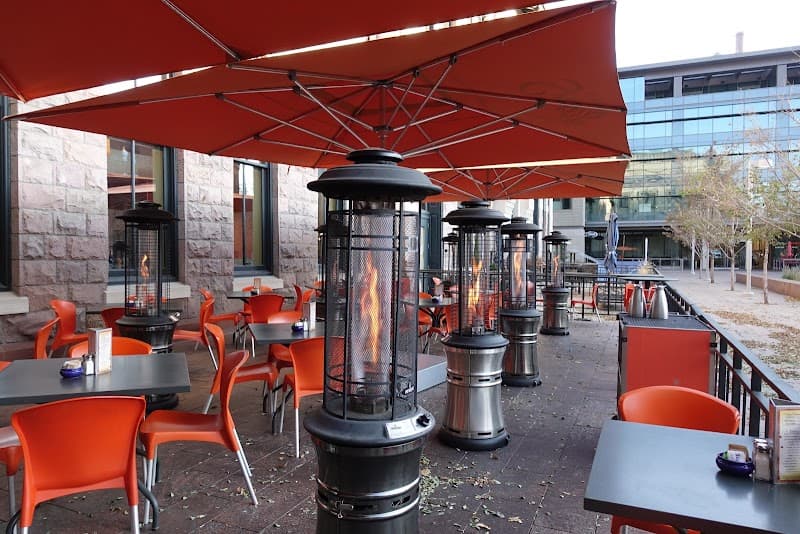
Slow & Scenic Denver: Food, Art, and Mountain Air
Weekend · $$$
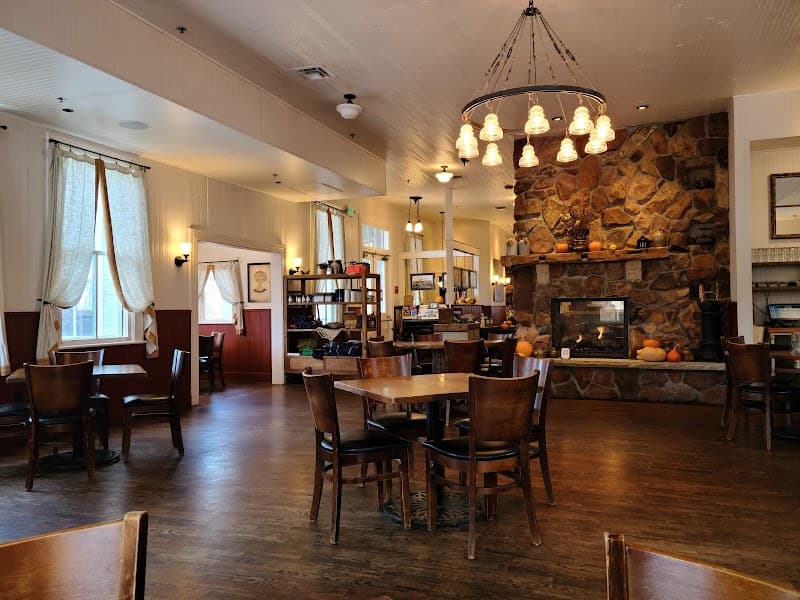
Boulder Adventure Kickoff: Flatirons, Creek, and Local Flavor
Weekend · $$$
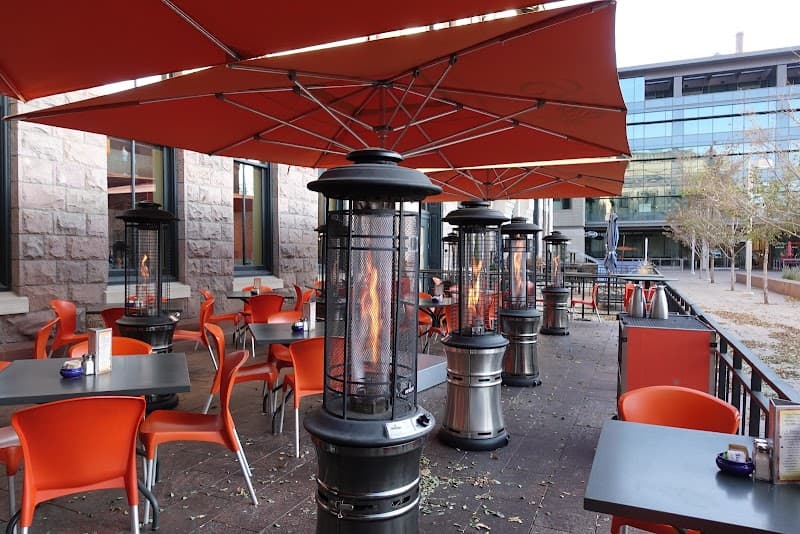
Clean Lines & Clear Skies: Six Days in Modern Denver
Weekend · $$$
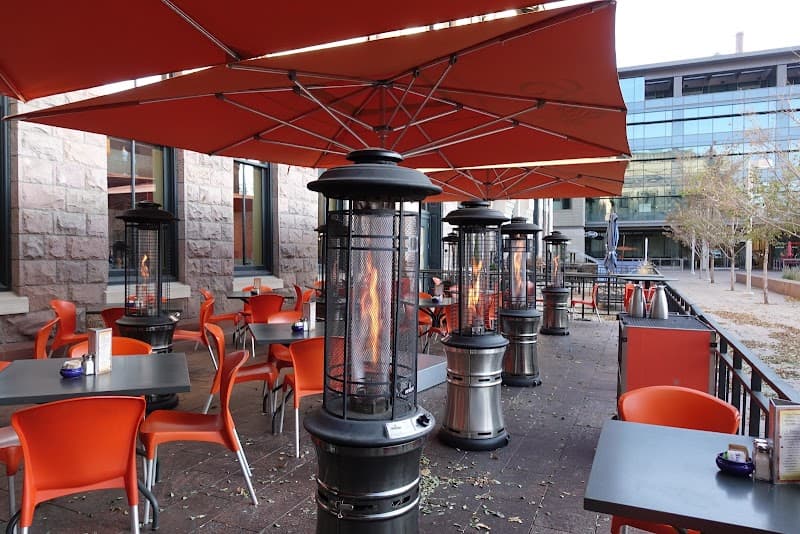
Denver Peaks & City Streets: A Balanced Day for Two
Weekend · $$$

Industrial Denver Adventure For Two (Day 1 Focus)
Weekend · $$$
Money-Saving Tips
- 1.Happy hour at breweries runs 3-6 PM with $1-2 off pints — Great Divide and Wynkoop offer the best deals downtown
- 2.RTD light rail day passes cost $5.20 versus $10+ per Uber ride — buy at machines, not from drivers
- 3.Free museum days: Denver Art Museum first Saturday monthly, History Colorado Center first Tuesday
- 4.Grocery shop at King Soopers (local Kroger) instead of Whole Foods — same organic options, half the price
- 5.Park free on residential streets in Capitol Hill and Highlands, then walk/bike to paid downtown areas
- 6.Buy Rockies tickets day-of at the box office — upper deck seats often available for $15-20
- 7.Download the ParkWhiz app for discounted downtown parking — often 50% cheaper than street meters
- 8.Food truck lunch specials run $8-12 versus $15-20 at sit-down restaurants for similar quality
Travel Tips
- •Drink water constantly your first 3 days — altitude dehydration hits harder than hangovers
- •Layer clothing year-round — Denver weather swings 40 degrees between morning and afternoon
- •Download the RTD mobile app for real-time bus/train schedules — mountain weather affects timing
- •Keep sunscreen handy — UV rays are 25% stronger at 5,280 feet, even in winter
- •Make dinner reservations 2-3 days ahead at popular spots like Linger and Root Down
- •Carry cash for food trucks and dive bars — many don't accept cards or charge fees
- •Check Red Rocks concert calendar before booking — hotel prices spike during major shows
- •Uber/Lyft surge pricing kicks in during Broncos games and snowstorms — plan alternative transport
Frequently Asked Questions
BUILD YOUR
DENVER METROPOLITAN AREA PLAN
Insider picks, smart timing, and a plan ready when you are.
Start Planning