Napa Valley
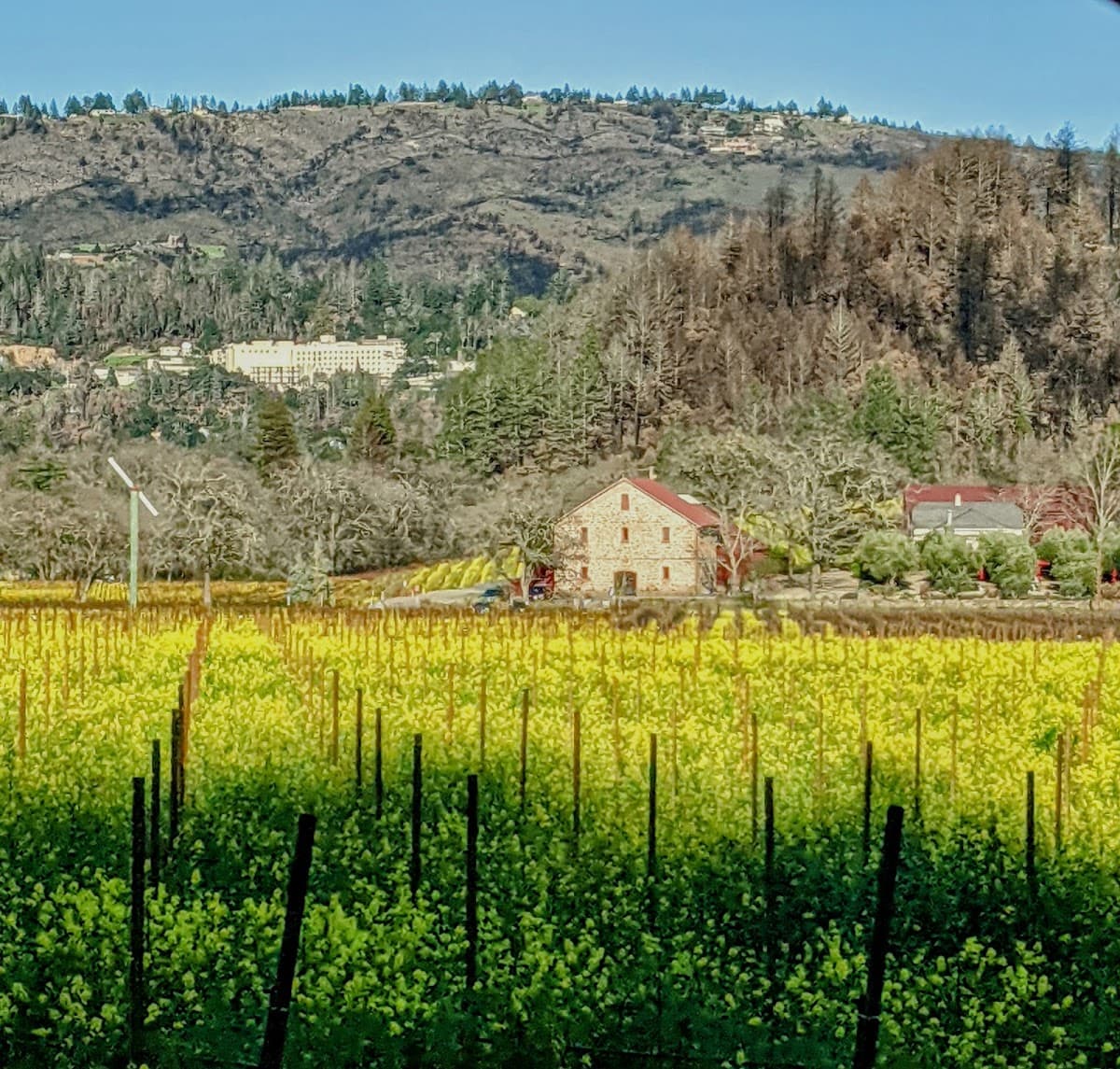
World-class wines amid rolling vineyard landscapes
Napa Valley isn't just about wine—though the Cabernet here will spoil you for life. This 30-mile stretch of California's wine country combines world-class vintages with Michelin-starred dining, luxury spas, and those postcard-perfect rolling hills you've seen on Instagram. Sure, it's pricey. But there's a reason couples fly here from around the world to pop the question at sunset over the vineyards. The valley runs north from the San Francisco Bay to Calistoga, with each town offering its own personality. Yountville feels like a European village transplanted to California. St. Helena buzzes with locals grabbing coffee at Model Bakery. And Calistoga? That's where you'll find hot springs and a more laid-back vibe. Just don't expect budget-friendly anything—a basic hotel room runs $300+ per night, and that's before you factor in $25 tastings and $200 dinners.
Culture & Context
WINE DEFINES EVERYTHING
Napa is wine country, and that shapes everything — the pace, the priorities, the economics, and the social code. This is an agricultural community that happens to also be one of the world's most recognized luxury destinations. The best local producers think of themselves as farmers first. That context matters when you visit, because the most memorable experiences here tend to come from slowing down rather than checking off a list.
The 1976 Judgment of Paris — a blind tasting where Napa wines beat their French counterparts in every category — still casts a long shadow over local identity. It's not just wine history; it's the founding mythology of modern Napa. Festival Napa Valley's 2026 season is literally commissioning an opera about it.
Here's the thing about tourist Napa versus real Napa: they coexist awkwardly. First Street downtown has become genuinely polished, with boutique hotels and restaurant-bar concepts that feel more like a carefully curated outdoor mall than a small California town. But drive ten minutes in any direction and you're back in working agricultural land, with family-owned estates that have been growing the same varietals for three or four generations. The best version of a Napa trip finds a way to touch both.
Local Customs
RESERVE AHEAD, TIP HOSTS
Always make tasting reservations in advance. Most Napa wineries now require them, especially on weekends. Showing up walk-in at a top estate is how you get turned away at the gate..
Tip your tasting room host. They typically earn a base salary similar to a restaurant server but serve far fewer guests per day. The standard: $10–15 per couple for a stand-up bar tasting, $15–20 for a seated experience, $20+ for a private tour or boutique winery.
Calculate the tip on the tasting fee only, not the wine you buy.. Skip the perfume and cologne. This is taken seriously — strong scents disrupt everyone's ability to smell the wine, including your own.
Leave the fragrance at the hotel.. Cap yourself at two or three wineries per day. Four or more sounds ambitious but just means you're rushing and not tasting properly.
Locals and industry people rarely do more than three in a single outing.. Dress 'Wine Country Casual.' That means polished but not formal.
Dark-wash jeans and a nice top work for everything from casual tastings to dinner at a Michelin-starred restaurant. Stilettos are a bad idea on gravel and grass — comfortable flats or stylish boots are the move.. Designate a driver before you leave the hotel.
California DUI laws are strictly enforced and this is a town that takes it seriously. Private driver services, the Vine Transit bus, or a non-drinking group member are all legitimate strategies.. Many wineries will waive tasting fees if you buy a couple of bottles.
If you're planning to stock up anyway, mention it early — some hosts will offer a complimentary tasting once you've committed to a purchase.. The valley is an agricultural community first. The best producers think of themselves as farmers.
Ask about the land and the growing season, not just the score from Wine Spectator.
Safety
SAFE; WATCH DRIVING
Napa is genuinely safe for tourists. The property crime rate sits at 1.76%, which is low. The bigger risks here are practical rather than personal safety concerns.
Drunk driving is the real issue. California DUI enforcement is strict, and the valley has a lot of rural roads with limited lighting at night. Sort your designated driver or transit plan before the day starts, not after the third tasting.
During BottleRock weekend (May 22–24), downtown Napa gets overwhelmed. Highway 29 can back up for hours, parking is nearly impossible without pre-booking, and rideshare wait times extend significantly after the final set. Surge pricing of 3–4x is well-documented. Build this into any transportation plan.
Private property on vineyard roads is a real consideration. Many of the most scenic back roads pass through working estates, and 'No Trespassing' signs are common and enforced. Stick to wineries with confirmed reservations if you want that close-up vineyard access.
Summer temperatures in the valley can hit the high 90s during the day but cool significantly once the evening marine layer rolls in from the bay. Pack layers for outdoor events, and drink water consistently if you're tasting through the afternoon heat.
Getting Around
DESIGNATE DRIVER FIRST
Getting around Napa without a plan is how you end up stranded after BottleRock or paying $80 for a surge-priced Lyft at midnight. Here's what actually works.
Car rental is the most flexible option for exploring wineries spread across the valley. But if you're wine tasting, someone has to stay sober — and that gets old fast. Private wine tour drivers charge roughly $50/hour with a multi-hour minimum, but split across a group of four, it's often more economical than paying individual tasting fees and Uber surge. Many drivers also help plan your itinerary and keep reservations on track.
Vine Transit is Napa's local bus system. Route 11 connects Napa to American Canyon to the Vallejo ferry and into San Francisco. During BottleRock weekend, the Vine runs extended hours and free service, dropping riders at Soscol Gateway Transit Center — about a four-minute walk to the festival gates. This is the most underrated option for festival attendees staying nearby.
Rideshare works fine for short hops around downtown Napa. A 15-minute, five-mile ride runs around $15–20 in normal conditions. During BottleRock, surge pricing hits 3–4x and driver availability collapses after the last set. Plan an exit strategy in advance.
The Napa Valley Wine Train departs from downtown Napa and runs up the valley through St. Helena, offering multi-course dining in restored Pullman cars. Tickets start around $140. It's a tourist experience, but an honest one — the scenery is genuinely good and you don't have to worry about driving.
From San Francisco, Napa is about an hour's drive north via Highways 37 and 29. BottleRock operates dedicated round-trip shuttles from SF, Oakland, Sacramento, San José, Fairfield, and several other Bay Area cities — book those early, they fill up.
Useful Phrases
Money-Saving Tips
- 1.Visit during winter months (January-March) when hotel rates drop 40-50% and many restaurants offer prix fixe menus
- 2.Skip the famous wineries and seek out smaller producers—many offer free tastings or waive fees with bottle purchases
- 3.Pack a picnic from Oxbow Public Market instead of paying $200+ for winery restaurant meals
- 4.Stay in Napa city rather than Yountville or St. Helena to save $100-200 per night on accommodations
- 5.Book wine tastings directly through winery websites to avoid third-party booking fees
- 6.Take advantage of happy hour specials at hotel bars—many offer half-price wine flights 4-6pm
- 7.Buy wine directly from wineries to avoid retail markups and get access to library wines not sold in stores
Travel Tips
- •Make dinner reservations 2-3 months ahead for Michelin-starred restaurants, especially The French Laundry
- •Book winery tastings in advance—many require reservations and some have membership-only access
- •Bring layers—mornings can be foggy and cool while afternoons reach 85°F, even in winter
- •Download offline maps before heading into the hills—cell service can be spotty at hillside wineries
- •Ship wine purchases home instead of flying with them—most wineries offer reasonable shipping rates
- •Designate a driver or book transportation—DUI enforcement is strict and expensive in wine country
- •Eat something substantial before wine tasting—crackers and cheese at wineries won't cut it after three tastings