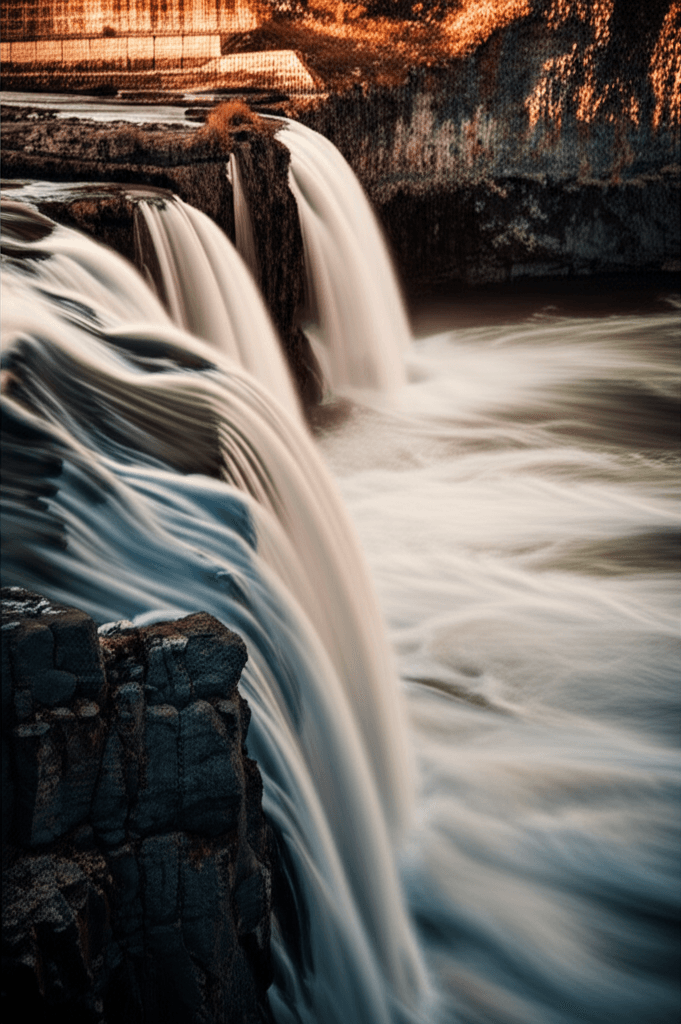
Spokane
Pacific Northwest charm with outdoor recreation and craft culture
Spokane gets overlooked, and honestly, that's part of its charm. While everyone flocks to Seattle, this eastern Washington city quietly delivers everything you want from the Pacific Northwest: killer outdoor access, a thriving craft scene, and prices that won't demolish your budget. The Spokane River cuts right through downtown, creating this natural playground that feels more like a small mountain town than Washington's second-largest city. Here's the thing – Spokane works hardest in summer and fall, when the weather cooperates and the surrounding wilderness becomes your backyard.
Best Months
MAY – SEP
~24°C · high crowds
Culture & Context
LILAC CITY SELF-MADE
Spokane calls itself the Lilac City and wears that identity without irony. It's the second-largest city in Washington state and has long lived in Seattle's cultural shadow — a fact locals will bring up before you do. But Spokane has its own deep identity.
It's where Father's Day was invented (Sonora Smart Dodd proposed it here in 1910), where Bing Crosby grew up, and where Gonzaga University turns March into a religion. The city hosted the 1974 World's Fair, which left behind the 100-acre Riverfront Park that still anchors downtown. In summer 2026, Spokane is also a FIFA World Cup 2026 Fan Zone, with Egypt's national team practicing at Gonzaga University — which adds an unexpected international energy to a city that usually focuses inward.
The arts scene is genuine and scrappy. Local breweries, coffee roasters, and First Friday art walks on downtown streets show a city building its own culture rather than copying someone else's. The Spokane River runs right through downtown, and locals relate to it personally — rafting, paddleboarding, and walking the Centennial Trail are weekend rituals, not tourist activities.
Local Customs
COFFEE & GONZAGA OBSESSED
Coffee is non-negotiable and deeply personal here. Drive-through espresso stands are on nearly every corner, and locals have strong opinions about their regular spot. Don't attempt serious conversation with a Spokanite before they've had their first cup..
Locals say 'pop,' not 'soda.' Order a Coke and call it soda and you'll get a gentle correction or at least a knowing look.. 'Going to the lake' is a universal summer phrase that means leaving town for any of the dozens of nearby lakes.
It's not unusual for people to say it Friday afternoon and return Sunday night. No further explanation needed.. First Fridays happen monthly downtown — galleries, restaurants, and shops stay open late while artists showcase work on the streets.
It's a genuine community ritual, not a tourist event, and locals treat it like a casual neighborhood party.. Spokane has an outdoor culture that runs year-round. If there's snow, people ski.
If the trails are muddy, people still hike. Complaining about weather in Spokane is considered a soft move.. The city has strong military ties.
The Lilac Festival's Armed Forces Torchlight Parade is the largest of its kind in the country, and respect for that tradition runs deep. Don't make the mistake of treating it like background noise.. Gonzaga basketball is not a hobby — it's a civic identity.
During March Madness, the city essentially pauses. Bars fill up for every game. Wear Gonzaga gear downtown during tournament time and strangers will high-five you.
Safety
DOWNTOWN SAFE, WATCH BELONGINGS
Spokane carries a medium risk rating overall, but crime is concentrated in specific areas. The downtown core sees the most property crime — car theft in particular spiked significantly in recent years, so never leave anything visible in your vehicle and consider hiding items in the trunk before you arrive at your destination (thieves watch people stash things). The North Division corridor area blending into Highways 395 and 2 is loud and has higher crime. The Hillyard neighborhood is improving but still has rough patches. South Hill is the safest and most residential part of the city.
During the day, downtown is generally active and safe for tourists. At night, travel with someone when possible and stick to well-lit main streets. The Spokane River between Division Street Bridge and Monroe Street Bridge is legally off-limits for swimming — the currents are genuinely dangerous regardless of water level. Winter driving is serious: snow and ice arrive as early as October and can last through May. Road construction is heavy from late spring through early fall as the city repairs winter damage. For non-emergency police issues, call Crime Check at 509.456.2233. For emergencies, 911. Mental health crisis line is 988.
Getting Around
BUS DOWNTOWN, CAR REQUIRED
Spokane Transit Authority (STA) runs 52 bus routes across 1,668 stops, covering most of Spokane and surrounding communities including Cheney, Liberty Lake, and Airway Heights. The flat fare is $2.00 and covers any route for 2 hours from first tap. Pay with cash, the STA Connect card (a reloadable smart card), or the STA Connect mobile app. Monthly passes run about $45. Youth 18 and under ride free on all routes. The City Line is the BRT (Bus Rapid Transit) route — zero-emission, fast, and runs east-west through the University District and Downtown Spokane. It's the most reliable and frequent service in the city.
Here's the honest reality though: if you plan to explore beyond downtown — Riverside State Park, Mt. Spokane, Green Bluff, or any of the regional lakes — you need a car. STA covers the city reasonably well but the region is spread out and transit frequency drops off quickly in outer neighborhoods. Rideshare is available downtown. Spokane International Airport (GEG) is about 10 minutes from downtown by car, served by Route 7 on STA for those who want transit from the airport. A Division Street BRT line is planned for 2027–2029, so north-south transit will improve in coming years.
Useful Phrases
Money-Saving Tips
- 1.Visit during shoulder seasons (May or September) for 30-40% lower hotel rates than peak summer
- 2.Many breweries offer free tastings – perfect for budget-friendly afternoon entertainment
- 3.The Centennial Trail provides 37 miles of free recreation along the Spokane River
- 4.Manito Park and Riverfront Park offer free admission with gardens, playgrounds, and events
- 5.Happy hour at downtown restaurants runs 3-6 PM with significant food and drink discounts
- 6.Washington state parks require a Discover Pass ($35 annual) but many city parks remain free
- 7.Food trucks around Kendall Yards offer quality meals for $8-12 versus $20+ at restaurants
- 8.Free parking exists in residential areas like Browne's Addition, just walk 10 minutes downtown
Travel Tips
- •Download the STA bus app for real-time transit updates – routes can run behind schedule
- •Bring layers even in summer – temperatures can swing 30 degrees from day to night
- •Most hiking trails require a Northwest Forest Pass ($5 daily, $30 annual) for parking
- •Riverfront Park's SkyRide offers the best city overview for just $8 per person
- •Book restaurant reservations early – Spokane's dining scene is smaller than you'd expect
- •The farmers market (Saturdays downtown) offers local produce and prepared foods
- •Cell service gets spotty in the mountains – download offline maps before day trips
- •Many attractions close Mondays – plan museum and indoor activities for other days
- •Wildfire smoke can impact air quality July-September – check AQI before outdoor activities
- •Local breweries often collaborate – ask bartenders about limited releases and special events