Fort Lauderdale
Venice of America with Beaches and Boating
Fort Lauderdale earned its "Venice of America" nickname for good reason — 300 miles of navigable waterways snake through this South Florida city, lined with mega-yachts and million-dollar mansions. But here's what the postcards don't tell you: Fort Lauderdale is way more than just a spring break destination these days. The city has grown up, trading keg stands for craft cocktails and adding world-class dining to its already stunning beaches. You'll find seven miles of pristine coastline where the sand is actually soft (not that packed-down stuff you get elsewhere), plus an arts district that rivals Miami's Wynwood. And unlike its flashier neighbor to the south, Fort Lauderdale still feels approachable — you can park without selling a kidney, and the locals actually smile back.
Best Months
JAN · FEB · MAR · APR · NOV · DEC
~26°C · high crowds
Culture & Context
VENICE MEETS DIVERSITY
Fort Lauderdale sits in Broward County, a sprawling 1,200-square-mile metro of 1.9 million people that functions as Miami's more livable northern neighbor. The city earned the nickname 'Venice of America' for its 300+ miles of navigable canals and waterways — and the comparison holds. Boats aren't recreational accessories here; they're a legitimate way people get around.
The cultural makeup is genuinely diverse. South Florida's deep Cuban and Caribbean influence means Spanish is heard constantly in shops, restaurants, and daily life. The city has one of Florida's oldest and largest LGBTQ+ communities, anchored partly in Wilton Manors and celebrated through Pride Fort Lauderdale (the state's oldest Pride event). A growing Brazilian and Latin American population has brought its own restaurants, festivals, and community rhythms.
Fort Lauderdale shed most of its Spring Break party-city reputation decades ago after the city deliberately pushed back against it in the late 1980s. But it hasn't fully escaped — Spring Break still arrives every March, just with more structure and police presence than the wild 1980s footage suggested.
The city's identity today sits somewhere between Miami's international glamour and a laid-back coastal beach town. It's more affordable, more relaxed, and easier to navigate than Miami — but it's developing fast. Flagler Village and Downtown are changing quickly, with Michelin-recognized restaurants and new residential towers appearing alongside older, saltier South Florida institutions like Southport Raw Bar (circa 1970s) and Hot Dog Heaven (open since 1979). That tension between old Florida and new development is the real cultural story of Fort Lauderdale in 2026.
Local Customs
FLIP-FLOPS EVERYWHERE
Flip-flops are considered acceptable footwear almost everywhere — casual restaurants, shopping, even 'smart casual' dinners. Don't be surprised to see dressed-up people in nice sandals at mid-range spots.. The beach has strict rules, especially during Spring Break (late Feb through March): no alcohol, no large tents, no coolers, no amplified music.
Rangers and lifeguards enforce these firmly. Beach closes 5pm daily during Spring Break for cleaning.. Water taxi culture is real here — locals and visitors alike use the Intracoastal Water Taxi as actual transportation, not just a tourist activity.
It stops at restaurants, bars, and hotels.. The 'LauderGO!' app runs the free community shuttle system; locals use it constantly around the beach and downtown.
Download it before you arrive.. Rip currents are a genuine hazard at Fort Lauderdale Beach. Always check the flag system — purple means dangerous marine life, red means high hazard.
Never swim against a rip current; swim parallel to shore until you're out of it.. Friday Night Sound Waves at Fort Lauderdale Beach is a free weekly event with live music, a makers market, and food vendors every Friday evening. Locals treat it as a weekly ritual..
The Canal System is serious — Fort Lauderdale has 300+ miles of navigable waterways. Many residents actually commute and run errands by boat. Don't be surprised to see someone pull up to a waterfront restaurant in a 40-foot yacht..
Hurricane preparedness is taken seriously by longtime locals. If a storm warning is issued during your visit, follow local guidance immediately — don't attempt to ride it out on the beach.. Sunscreen is not optional.
The UV index regularly hits 10–11 (extreme) year-round. Locals reapply every 90 minutes and still get burned. Budget time and money for quality SPF..
The Brightline high-speed train connects downtown Fort Lauderdale to Miami (30 min) and West Palm Beach (40 min). It's genuinely faster and less stressful than driving I-95 for day trips.
Safety
GENERALLY SAFE, WATCH RIPS
Fort Lauderdale is generally considered safer than Miami and is one of the more tourist-friendly cities in South Florida. Here's what actually matters:
TOURIST AREAS: Las Olas Boulevard and Fort Lauderdale Beach are regularly patrolled and well-monitored. Staying in these zones, you're unlikely to have issues beyond the usual pickpocketing risks in crowded areas.
SPRING BREAK (late Feb – March): The city ramps up police presence significantly during this period. The 'High Impact Area' (beach and entertainment district) has a 10pm curfew for unaccompanied minors under 18. Crime during Spring Break has stayed low in recent years per the police chief. But rip currents, alcohol-related incidents, and overcrowding are real concerns. Trust your instincts, travel in groups at night, and watch your drink.
BEACH SAFETY: Rip currents are the biggest physical hazard. Always check the flag system before swimming — red flags mean high hazard conditions. Lifeguards go into the water frequently, especially during Spring Break. Jellyfish and stingrays are seasonal but worth knowing about; shuffle your feet in shallow water to avoid stingrays.
NEIGHBORHOODS: Some inland areas west of I-95 have higher crime rates. Stick to the tourist corridor, downtown, and established neighborhoods like Victoria Park, Coral Ridge, and Wilton Manors. Areas around NW Fort Lauderdale require more situational awareness after dark.
GENERAL TIPS: Don't leave valuables visible in rental cars near the beach — break-ins do happen. Use secure bags in crowded festival settings. The city started distributing Narcan kits at events in 2025, reflecting awareness of overdose risks at large gatherings — the usual festival safety rules apply.
HEALTHCARE NOTE: The US has no public healthcare for visitors. A single emergency room visit can cost $1,500–$3,000. Travel insurance with at least $100,000 in medical coverage is strongly advised for international visitors.
Getting Around
CAR-FRIENDLY, BRIGHTLINE FAST
Fort Lauderdale is a car-oriented city, but visitors can get around without one if they're strategic about it. Here's the honest breakdown:
AIRPORT: Fort Lauderdale-Hollywood International (FLL) sits just 5 miles south of downtown — one of the closest major airports to a city center in the US. A new Terminal 5 (serving JetBlue) is under construction and expected to open mid-2026. Miami International (MIA) is 30 miles south; Palm Beach International (PBI) is 45 miles north.
DRIVING: Most practical for exploring beyond the beach corridor. Gas runs ~$3.04/gallon (early 2026). Rush hour is brutal: 7–9am and 4–6pm weekdays. Weekend midday (11am–2pm) also clogs up. Beach parking costs $10–$20/day in garages. Take US-1 instead of I-95 when possible — it's usually less congested.
FREE OPTIONS: The LauderGO! Community Shuttle (5 routes, free, tracks via app) and the Sun Trolley (also free, covers downtown and beach areas) are legitimately useful and locals rely on them. The Riverwalk Water Trolley crosses the New River for free.
BRIGHTLINE TRAIN: The privately operated high-speed rail connects downtown Fort Lauderdale to downtown Miami (~30 min) and downtown West Palm Beach (~40 min). Far better than driving I-95 for day trips. Tickets are reasonable and the stations are easy to navigate.
TRI-RAIL: Commuter rail linking Miami, Fort Lauderdale, and West Palm Beach. Free parking at stations. Connects to Amtrak at the Fort Lauderdale station.
WATER TAXI: Runs along the Intracoastal Waterway with stops from the beach to Hollywood. More expensive than buses but genuinely useful — and guides narrate celebrity homes along the way.
BIKING: Broward BCycle share program has 16 stations; $5/half-hour. Works well in the downtown and beach corridors. Gaps in protected lanes make it less practical for longer trips. Florida heat and afternoon thunderstorms are real deterrents from May through September.
RIDESHARE: Uber and Lyft are widely available and often the most practical option for late nights or inter-neighborhood trips. Surge pricing during festivals and Spring Break can be significant.
Useful Phrases
Fort Lauderdale Itineraries
View all
Slow & Sunny Fort Lauderdale Escape for Two
Weekend · $$$
Seven Slow Days of Sun & Style in Fort Lauderdale
Week · $$$$
Seven Slow Days in Sunlit Fort Lauderdale
Week · $$$$
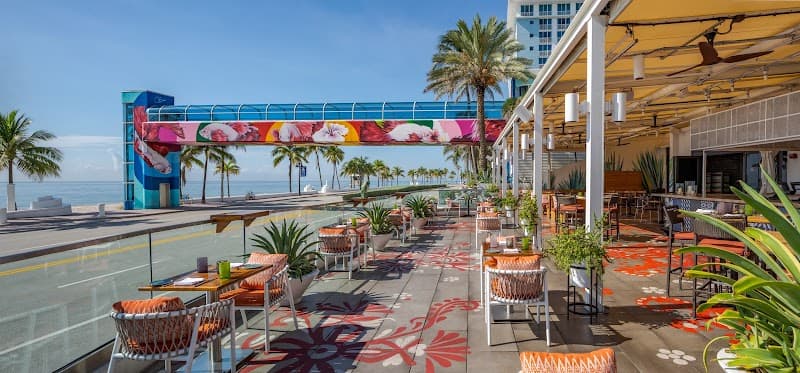
Seven Slow Days in Modern, Breezy Fort Lauderdale
Week · $$$$
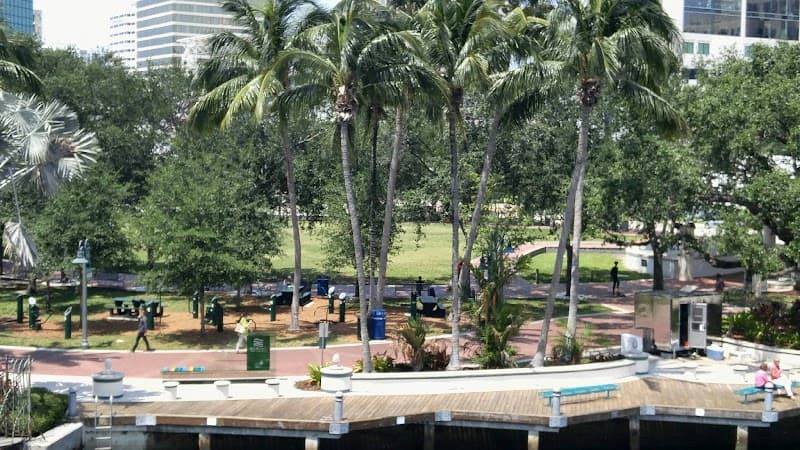
Lush Canals & Coastal Calm in Fort Lauderdale
Weekend · $$$
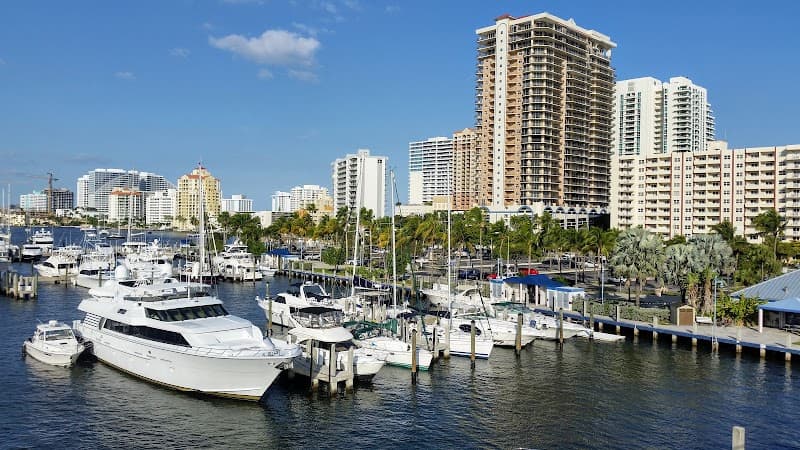
7 Days of Wild Coastlines, Canals, and Everglades
Week · $$$
Where to Stay in Fort Lauderdale
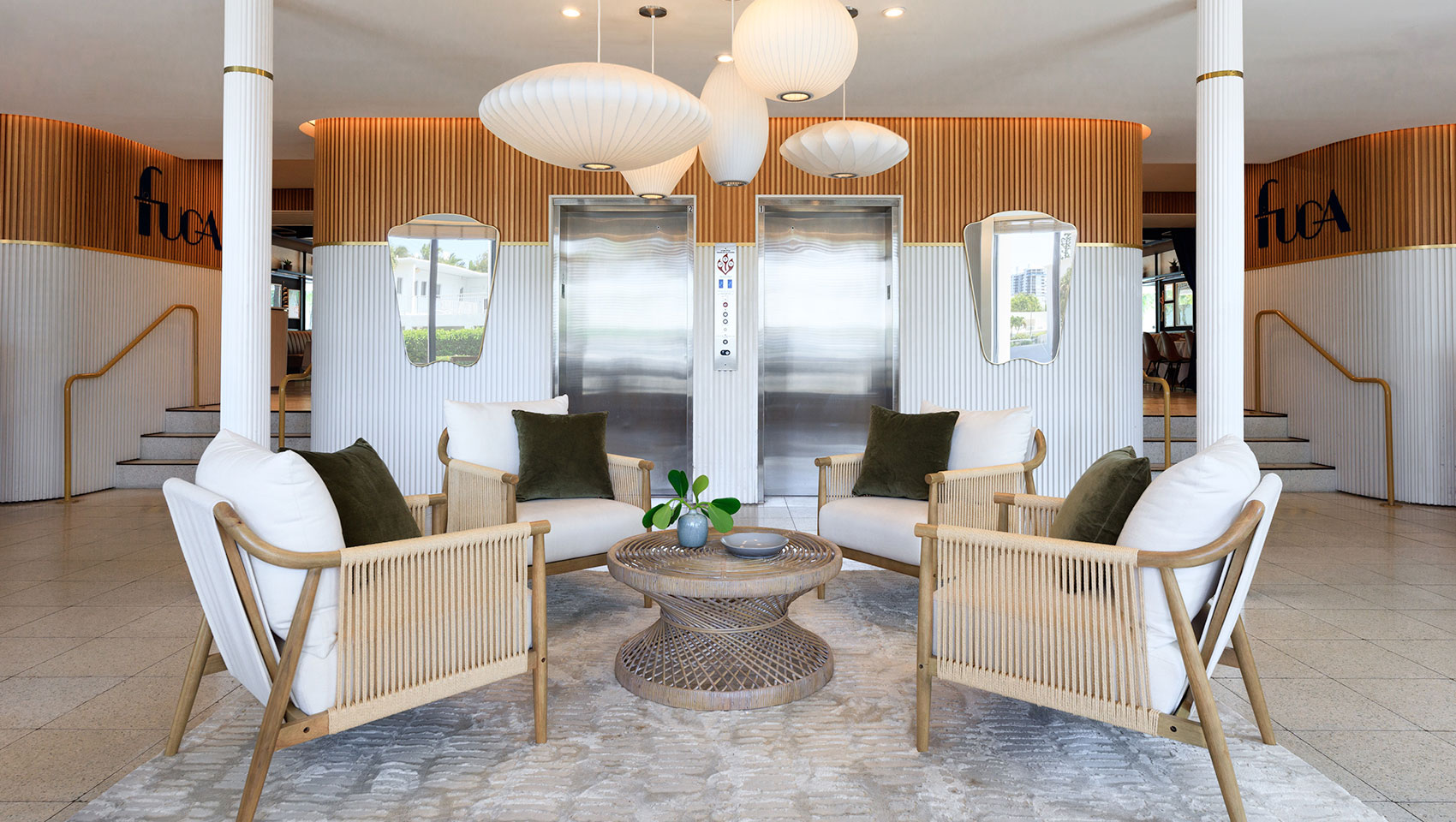
3 recommended properties
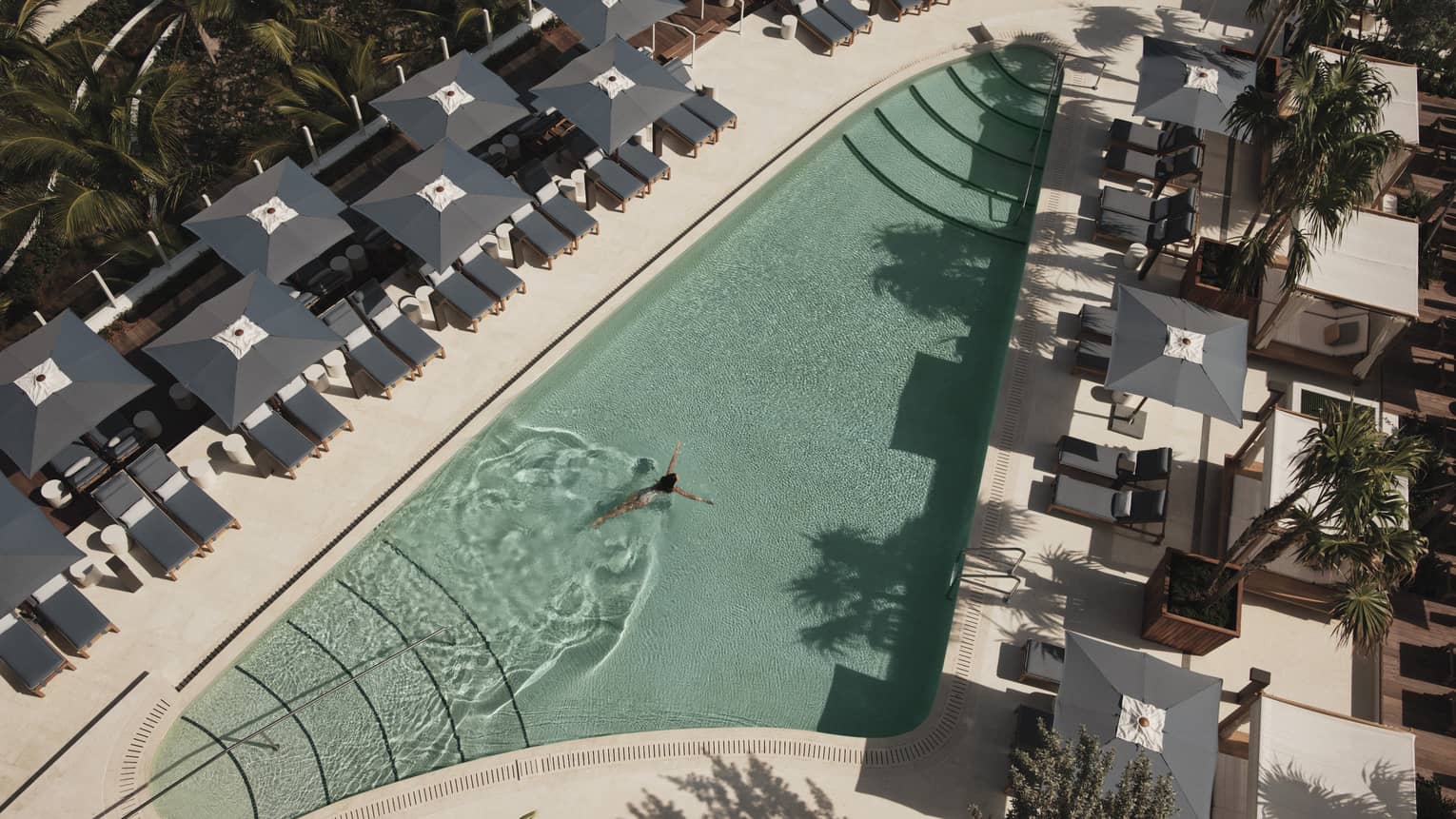
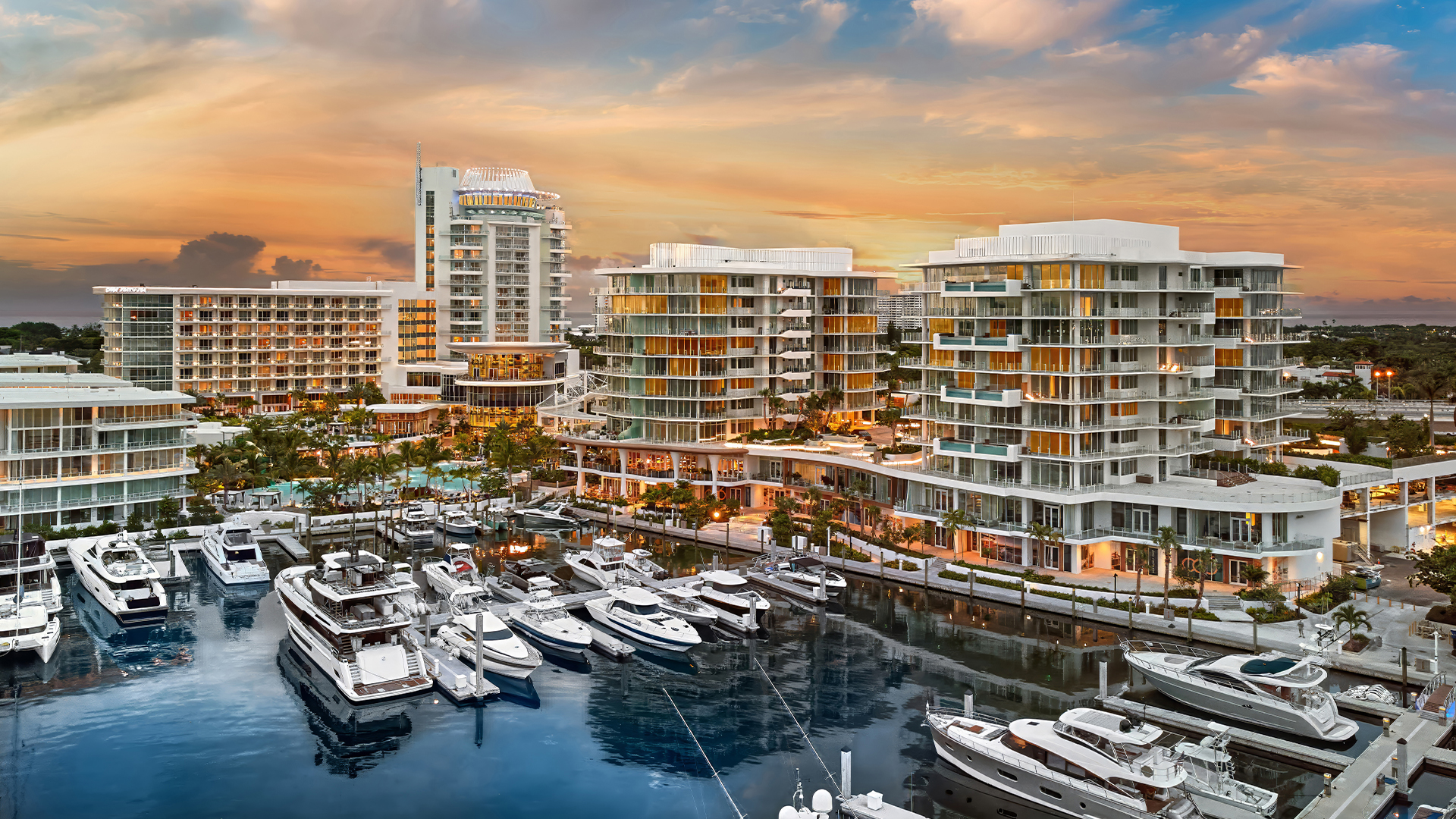
Things to Do in Fort Lauderdale
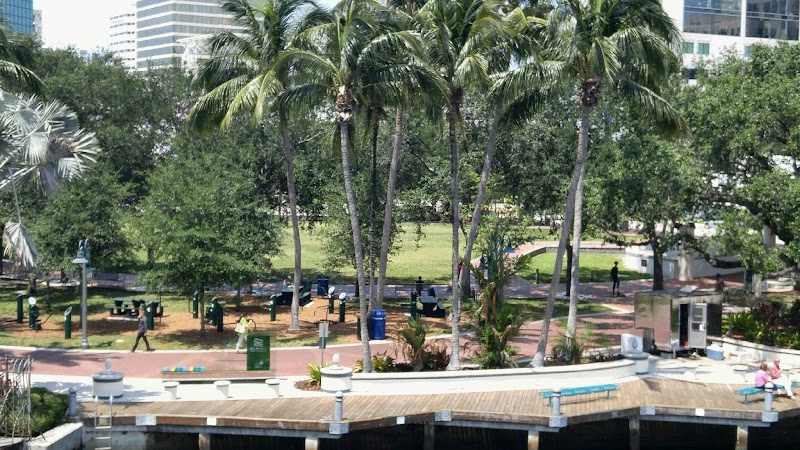
Fort Lauderdale Riverwalk
Downtown Fort Lauderdale · 90 min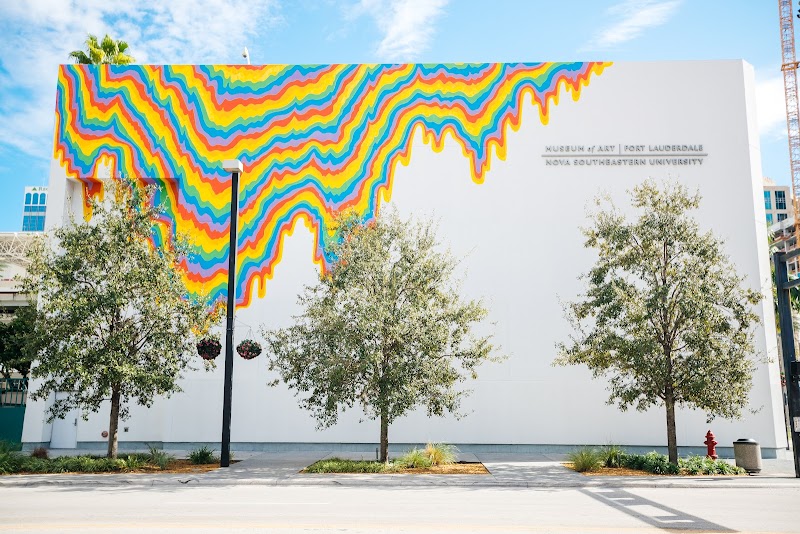
NSU Art Museum Fort Lauderdale
Downtown Fort Lauderdale · 90 min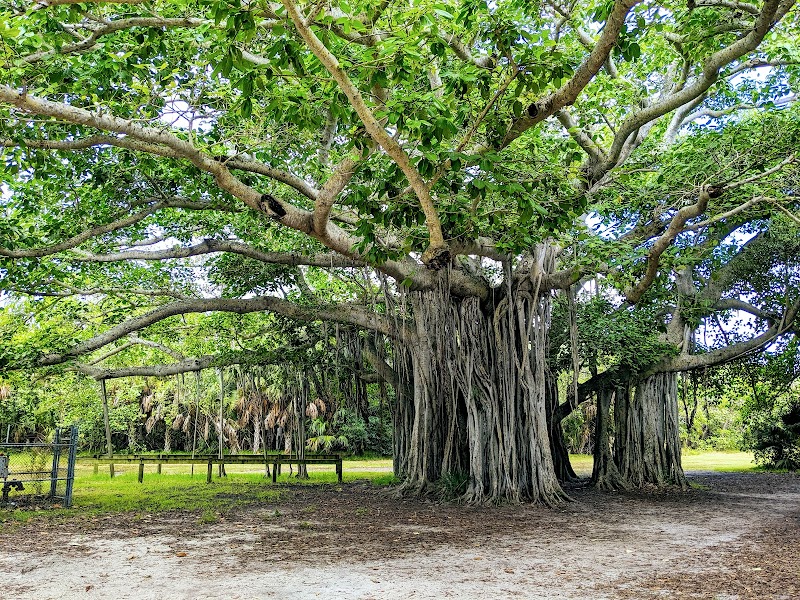
Hugh Taylor Birch State Park
Fort Lauderdale Beach North · 150 minMoney-Saving Tips
- 1.Beach parking costs $15-20 on weekends, but the city runs free shuttles from remote lots during peak season
- 2.Happy hour at waterfront restaurants typically runs 4-6pm with 30-50% off drinks and appetizers
- 3.The Sun Trolley connects major tourist spots for just $1 — perfect for bar hopping on Las Olas
- 4.Hotel rates drop 30-40% in April/May compared to winter peak season, with similar weather
- 5.Many hotels offer complimentary bike rentals — use them instead of paying $15/day for Citi Bikes
- 6.Grocery stores like Publix offer beach supplies at half the price of hotel gift shops
- 7.Water taxi day passes cost $28 and include transportation plus sightseeing of waterfront mansions
Travel Tips
- •Download the water taxi app — it tracks boat locations in real-time and saves waiting in the heat
- •Las Olas Boulevard parking fills up by 11am on weekends — arrive early or use the trolley
- •Bring reef-safe sunscreen — many marine areas now require it and regular sunscreen can cost $25 at beach shops
- •Bridge openings stop traffic for 10-15 minutes during boat rush hours (typically 9-10am and 4-5pm)
- •The Fort Lauderdale Beach promenade extends for miles — perfect for morning runs with ocean views
- •Most upscale restaurants don't take reservations for parties under 6, but will put you on a callback list
- •Afternoon thunderstorms are brief but intense — always carry a light rain jacket or umbrella
Frequently Asked Questions
Explore Fort Lauderdale
BUILD YOUR
FORT LAUDERDALE PLAN
Insider picks, smart timing, and a plan ready when you are.
Start Planning