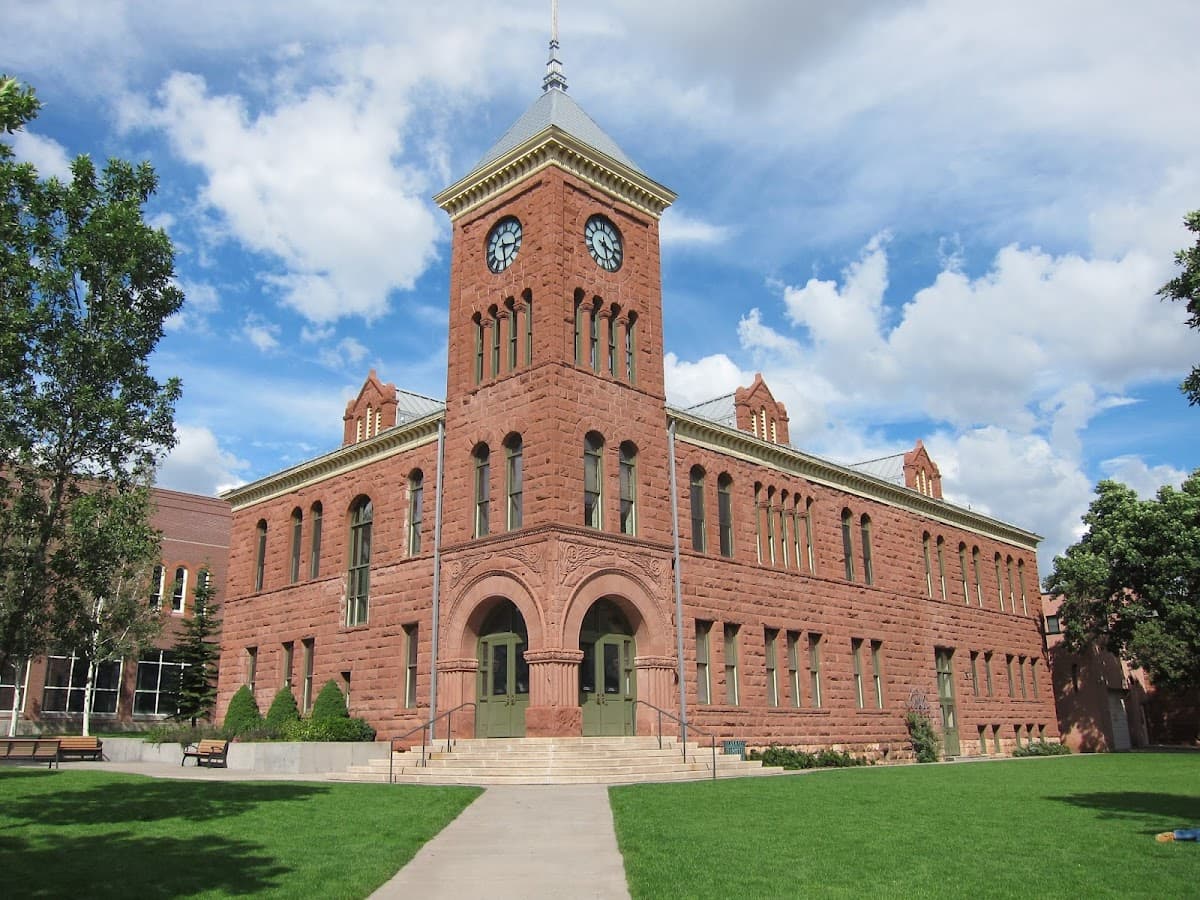
Flagstaff
Arizona's mountain town gateway to natural wonders
Flagstaff sits at 7,000 feet, trading Arizona's desert heat for pine trees and actual seasons. This college town serves as your gateway to the Grand Canyon, Sedona's red rocks, and some seriously underrated outdoor adventures. Route 66 runs right through downtown, but don't let the tourist traps fool you — locals know the real spots. The Northern Arizona University crowd keeps things lively, craft breweries pour excellent beer, and you can ski in winter then hike red rock canyons an hour south. Here's the thing: most people just pass through on their way to the Grand Canyon. Their loss, your gain.
Best Months
APR · MAY · JUN · SEP · OCT
~18°C · moderate crowds
Culture & Context
DARK SKIES & TRAIL TOWN
Flagstaff sits at 7,000 feet in the middle of Coconino National Forest, at the intersection of several identities that don't always coexist this smoothly. It's a college town (NAU enrolls around 25,000 students across 30 statewide locations), a gateway town for the Grand Canyon 80 miles north, a living piece of Route 66 history, and the world's first International Dark Sky City — a designation it earned in 2001 and is now celebrating its 25th anniversary of in 2026. The city's relationship with Indigenous communities is substantive, not decorative.
The Museum of Northern Arizona has deep roots in Colorado Plateau Native cultures, and events like the Hopi Arts and Cultural Festival are part of the genuine cultural fabric here. Route 66 itself ran through 25 tribal nations, and Flagstaff's celebration of the Centennial in 2026 is trying to grapple with that complicated history honestly. The outdoor identity runs everything.
People move to Flag specifically to be near the trails, the peaks, the skiing at Snowbowl, the proximity to the Grand Canyon, Walnut Canyon, Sunset Crater, and Wupatki. The city is compact enough — under 80,000 people — that it has a small-town feel despite its outsized cultural calendar. The locals' #1 complaint, according to residents, is that there's no Costco.
Local Customs
HIKE BEFORE NOON
Flagstaff has serious outdoor-first culture. People hike before work, not after. If you're visiting in summer, don't plan anything strenuous after noon — the altitude (7,000 feet) hits harder than people expect, especially coming up from Phoenix at sea level..
The city actively protects its dark skies. Outdoor lighting is strictly regulated by a city ordinance that's been in place since 1958. Don't be surprised when it gets genuinely dark at night — that's the whole point..
NAU shapes the vibe of the whole town. The median age here is 24.7, which means the city operates on a college-town rhythm: cheap eats, free events, lots of outdoor activity, and a crowd that's younger than you'd expect for a mountain town..
Route 66 runs right through downtown and locals take real pride in it. In 2026 especially, with the Route 66 Centennial, expect the nostalgia to be cranked up. The Museum Club on East Route 66 — built in 1931 — is still a functioning country music bar.
The neon signs on old motels along the highway are not kitsch to locals. They're landmarks.. The Flagstaff Urban Trail System (FUTS) has over 50 miles of multi-use trails crisscrossing the city.
Biking to a brewery, hiking before breakfast, running to the farmers market — this is just how people move around here.. If you're driving up from Phoenix in winter, 511 or az511.com will tell you road conditions.
Flagstaff gets an average of 100 inches of snow downtown annually. People from the desert absolutely do not know how to drive in it. Give yourself extra time and carry a blanket..
The craft brewery scene is genuinely strong. Beaver Street Brewery, Mother Road Brewing Company, Dark Sky Brewing — these are neighborhood institutions, not tourist traps. A pint will run you $7–10.
Safety
WATCH YOUR CAR
Flagstaff is generally safe for tourists, and 94 out of 100 residents and visitors report feeling safe during the day. Property crime is the main concern — theft, car break-ins, and shoplifting are more common than violent crime. Busy areas like downtown and tourist parking lots are the most frequent spots for vehicle break-ins, so don't leave valuables visible.
Keep your bike locked with a serious lock; bike theft is disproportionately high given the cycling culture here. The most dangerous areas include Siller Homes, Pine Park Manor, and parts of Sunnyside — worth being aware of at night. Areas near the NAU campus, Lynwood, Swiss Manor, and North Peak are among the safest.
Natural hazards matter more here than in most U.S. cities.
Wildfires are real in summer and fall — check the Arizona Wildfire Prevention site and know what a Red Flag Warning means. In winter, roads can close fast; call 511 anywhere in Arizona for current road conditions before driving up. Altitude sickness is underestimated — at 7,000 feet, give yourself at least a day to acclimate if you're coming from sea level.
Solo hikers should always tell someone their plans and stick to marked trails. Tap water is safe to drink. Uber and Lyft are available; always verify the driver and vehicle before getting in.
Getting Around
WALKABLE DOWNTOWN, RENT A CAR
Downtown Flagstaff is genuinely walkable — San Francisco Street, Heritage Square, the train station, and most breweries are all within easy walking distance of each other. But the city spreads out fast beyond the core, and a car is the honest answer for most people visiting. The Mountain Line bus system runs nine routes with the Downtown Connection Center as the main hub, covering NAU, the medical center, Walmart, the Museum of Northern Arizona, and more.
Frequency ranges from every 10 minutes (when NAU is in session) to every 40 minutes (summer weekends). A free downtown shuttle also runs for short hops. For the Grand Canyon (80 miles north on US-180), Sedona, and the national monuments like Walnut Canyon and Sunset Crater, you need a car or a shuttle.
Groome Transportation and Arizona Shuttle run scheduled connections. Grand Canyon shuttle from Flagstaff runs about $33/person each way, and Sedona is $43/person each way — book ahead in summer. Amtrak's Southwest Chief stops daily at the historic Route 66 train station.
FlixBus connects Flagstaff to Phoenix-Tempe, Las Vegas, Tucson, and 15+ other destinations, with fares from $11.48. The airport (Flagstaff Pulliam, FLG) is 5 miles south of downtown, with daily flights to Phoenix Sky Harbor and Dallas/Fort Worth on American Airlines.
Free Wi-Fi is available in the terminal. Over 50 miles of the Flagstaff Urban Trail System make cycling a real option in and around the city. Local shops like Absolute Bikes rent mountain, road, and e-bikes.
Note: there's no city-wide bike share program.
Useful Phrases
Flagstaff Itineraries
View all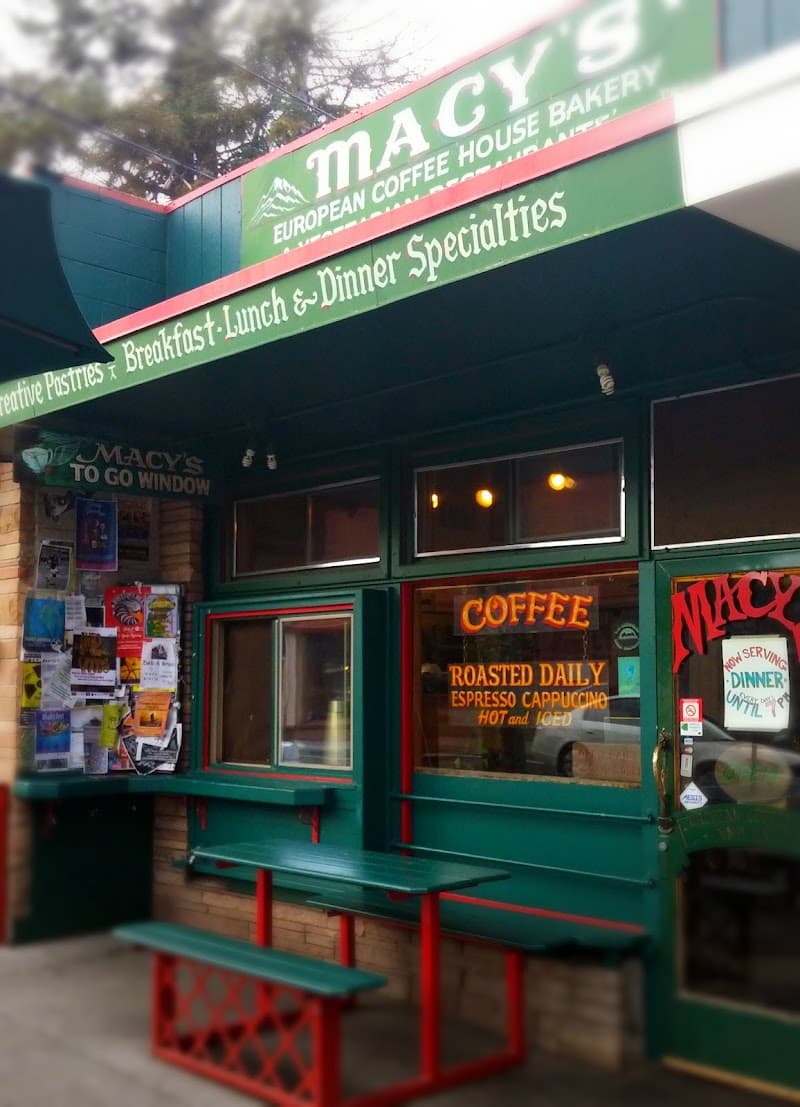
Peaks & Pines: One Adventurous Day in Flagstaff
Weekend · $$$
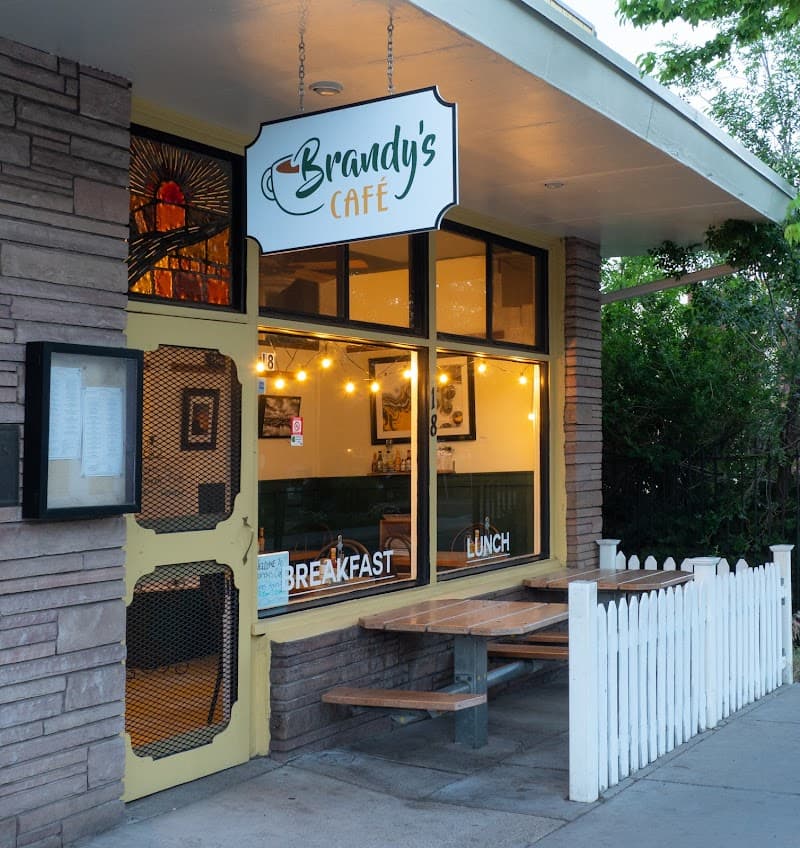
Flagstaff Slow Luxe: Pines, Plates, and Live Tunes
Weekend · $$$$
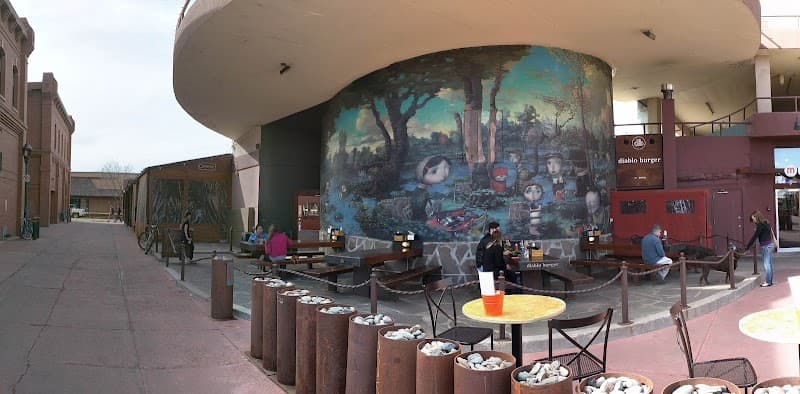
Seven Days of Pines, Canyons, and Easy Flagstaff Wandering
Week · $$$
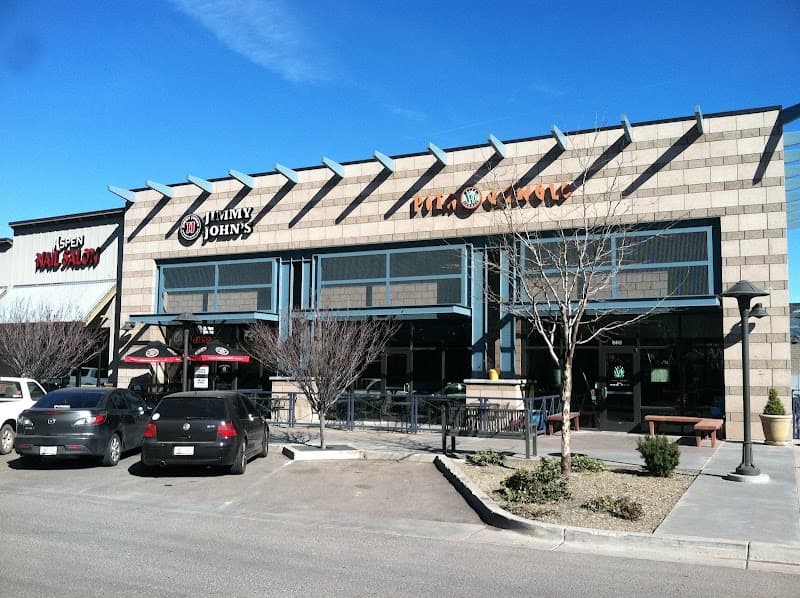
Forest Peaks & Red Rocks: A Flagstaff Solo Escape
Weekend · $$$
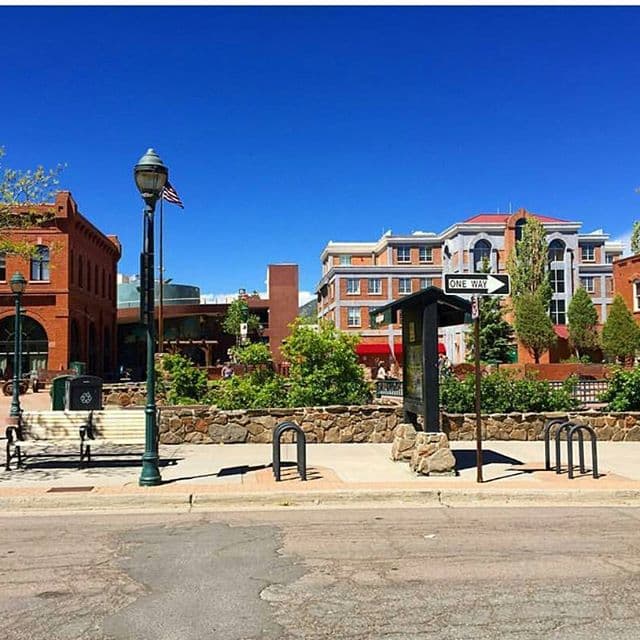
Pines, Peaks & Stars: A Flagstaff Solo Escape
Day Trip · $$$

Romantic Forest Escape in Flagstaff & Canyon Country
Week · $$$
Where to Stay in Flagstaff
1 recommended properties
Things to Do in Flagstaff
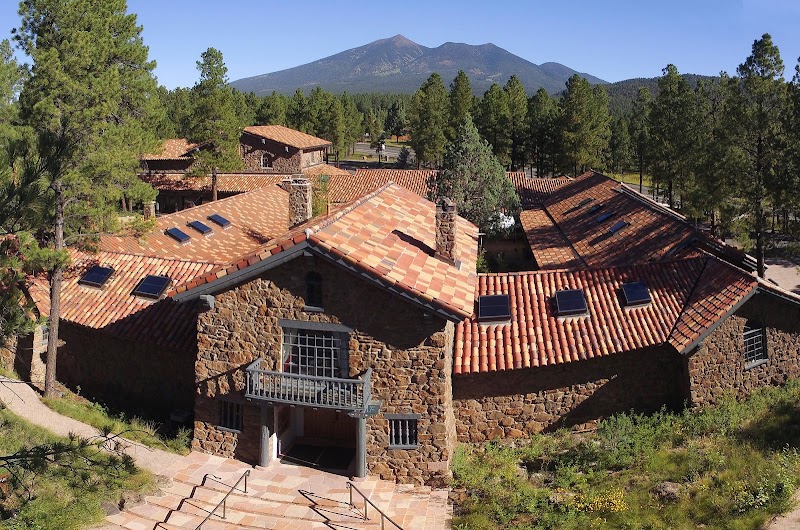
Museum of Northern Arizona
North Flagstaff · 120 min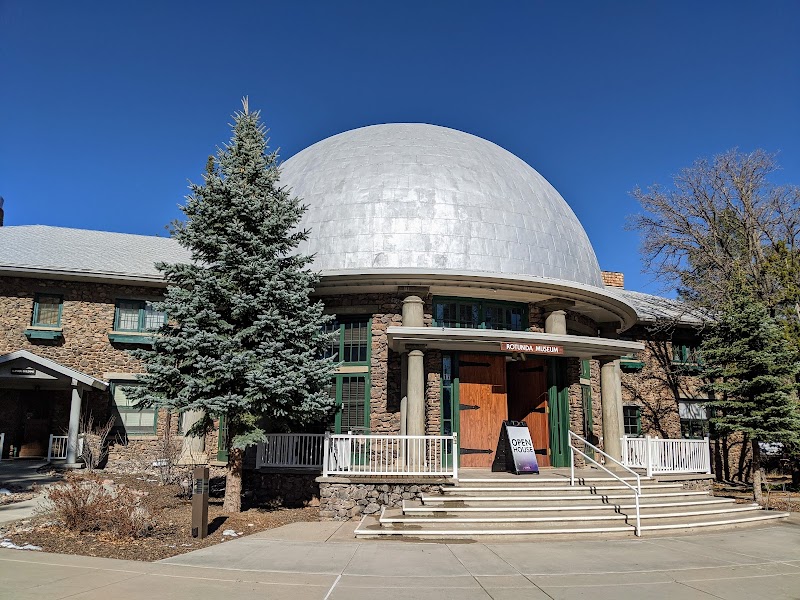
Lowell Observatory
West Flagstaff · 120 min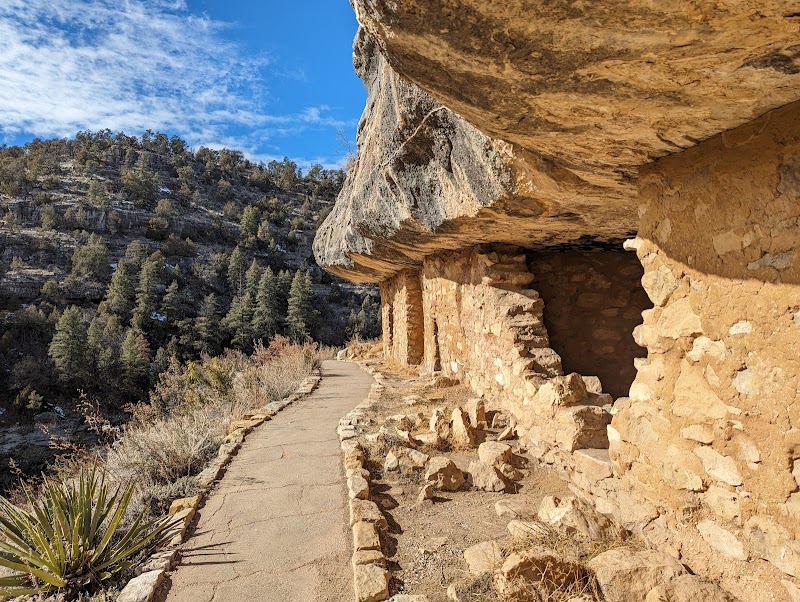
Walnut Canyon Rim Trail
East Flagstaff · 120 minMoney-Saving Tips
- 1.Buy a National Parks Annual Pass ($80) if you're visiting Grand Canyon, Sunset Crater, and Walnut Canyon — it pays for itself
- 2.Downtown parking meters only run until 5pm and are free on Sundays
- 3.Many hiking trails around Flagstaff are free, including the popular Kachina Trail
- 4.Happy hour at most breweries runs 3-6pm with $1-2 off pints
- 5.NAU student discounts apply at many local restaurants and shops — ask even if you're not a student
- 6.Camping at nearby national forests costs $10-15/night versus $150+ for downtown hotels in summer
- 7.The Flagstaff Visitor Center has free maps and often discount coupons for local attractions
Travel Tips
- •Pack layers — temperatures can swing 40°F between morning and afternoon
- •Start hiking early, especially in summer when afternoon thunderstorms roll in fast
- •Altitude affects some people at 7,000 feet — drink extra water and take it easy your first day
- •Download offline maps for hiking — cell service gets spotty in the mountains
- •Book accommodations early for summer and fall when Phoenix residents escape the heat
- •Fill up your gas tank before heading to remote hiking areas
- •Check road conditions in winter — I-40 and local roads can close during snowstorms
- •Bring sunscreen and sunglasses — high altitude means stronger UV rays
- •Many restaurants close early on weeknights, especially Sunday and Monday