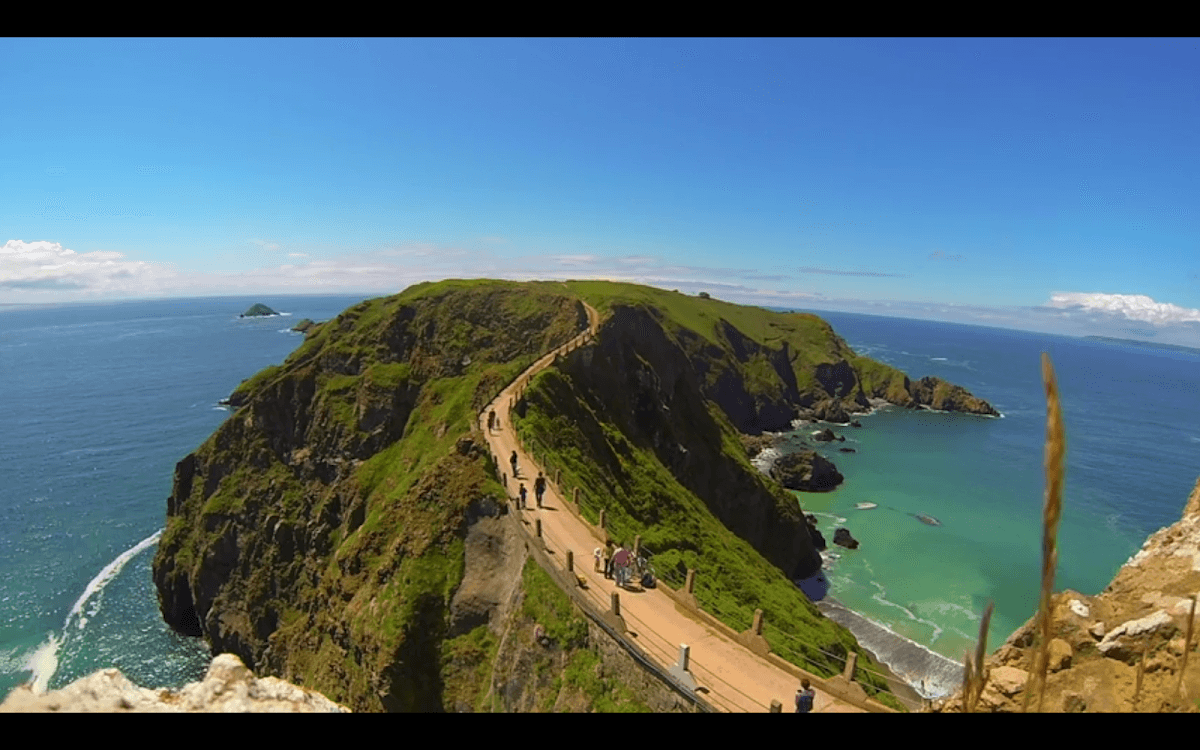
Channel Islands
California's pristine island wilderness just off the mainland coast
Forget Catalina. The Channel Islands are California's best-kept secret, floating 20 miles off the Ventura coast like a string of wilderness pearls. Five islands make up this national park, and each one feels like stepping into a nature documentary. Sea lions bark from rocky shores. Island foxes dart between scrub brush. And the snorkeling? You'll swim through kelp forests so thick they block out the sun.
But here's the thing - getting here takes effort. No casual day-trippers stumbling off cruise ships. You need to book a boat, pack smart, and commit to at least a full day. That's exactly why it works. The Channel Islands reward the curious with experiences you can't find anywhere else on the West Coast.
Culture & Context
The Channel Islands sit in the English Channel about 14 miles off the Normandy coast of France — much closer to France geographically than to England.
They are British Crown Dependencies, meaning they owe allegiance to the British monarch but are NOT part of the United Kingdom and were not part of the EU even when Britain was. Jersey and Guernsey each run their own governments, legal systems, and tax regimes.
There is no VAT; Jersey has a 5% GST and Guernsey has none. No capital gains tax. No inheritance tax.
This low-tax status shapes the economy: financial services dominate, and the islands attract wealthy residents and businesses from across Europe. The result is a high cost of living offset by high salaries for those who work there. The cultural identity is genuinely unique — British pubs and red phone boxes alongside Norman French place names, French bread in the bakeries, and a WWII history of German occupation (1940–1945) that is still very present.
Victor Hugo wrote Les Misérables during his 15-year exile on Guernsey. The islands' own native languages — Jèrriais (Jersey) and Guernesiais (Guernsey) — are Norman French dialects that survived for over 1,000 years but are now critically endangered, with fewer than 500 fluent native Jèrriais speakers remaining.
Local Customs
Liberation Day (May 9) is taken seriously island-wide — it marks the end of German occupation in 1945.
Don't treat it as just a bank holiday; it's a deeply emotional community event.. Honesty boxes are common at roadside farm stalls across Jersey.
Pick up fresh Jersey Royals, tomatoes, or eggs and leave the correct cash. The system runs entirely on trust and locals are proud of it.. The Channel Islands issue their own banknotes and coins — perfectly legal tender on the islands but NOT accepted back in mainland Britain.
Spend your Jersey/Guernsey notes before you leave or exchange them.. Sark has no cars and no public street lighting. Bring a torch after dark.
Don't expect to arrange transport at the last minute — horse-drawn carriages and bike hire should be sorted when you arrive.. Watch the tides. Jersey has the second highest tidal range in the world.
Beaches can appear walkable then cut you off in under an hour. Check tide tables before heading out to tidal islands or walking the causeway to Elizabeth Castle.. The 'parish system' still governs much of island life — each of Jersey's 12 parishes has its own honorary police force (volunteers), its own traditions, and its own fete.
Getting to know which parish you're in adds context.. Guernesiais (the local Norman French dialect) is sometimes called 'patois' by locals. Don't correct them — it's their word for it.
Fewer than 2,000 people still speak it fluently, mostly elderly, but locals are proud of the heritage.. Sark still has a functioning feudal parliament called the Chief Pleas. There's a Seigneur.
Democratic reforms only happened in 2008. Don't assume the political setup works the same as anywhere else.. French is culturally relevant even if most residents speak English.
Many place names, street signs, and menus carry Norman French. A basic 'bonjour' or 'merci' goes a long way, especially in smaller shops.. From April 23, 2026, visitors from outside the UK and Ireland need a UK ETA to enter.
Apply via the UK government website or app well before travel — airlines will deny boarding without one.
Safety
The Channel Islands are among the safest destinations in the British Isles.
Violent crime is very low, with most police activity centred on minor traffic offences and late-night disturbances in St. Helier on weekends.
Walking alone at night in St. Helier is generally fine. Petty theft (pickpocketing) is rare but can occur at peak summer events and in busy spots like the Central Market.
The biggest real risk is the tides. Jersey has the second highest tidal range in the world. Sections of bays and tidal causeways (including the path to Elizabeth Castle) can be cut off rapidly.
Always check tide tables before walking to tidal areas. RNLI lifeguards patrol the four most popular Jersey beaches from May to September. Travel insurance is strongly recommended — a simple A&E visit can cost over £500.
There is no UK NHS coverage; the islands run their own healthcare systems. Unlicensed taxis can attempt to overcharge during busy summer months — use metered cabs or agree a fare upfront. On Sark after dark, bring a torch: there is no public lighting and paths can be uneven.
Getting Around
Getting to the islands: Ferries run from Poole (4.5hrs to Jersey, 3hrs to Guernsey) and Portsmouth (overnight service) operated by DFDS and Brittany Ferries.
From France, ferries run from St.
Malo with DFDS. Note: DFDS has received poor reviews for reliability in 2025-2026 — cancellations do happen, so have a flight backup plan if your dates are fixed. Flights connect from multiple UK airports including Heathrow, Gatwick, Bristol, Southampton, Manchester, and Edinburgh.
Jersey to Guernsey is a 15-minute flight or 1-hour ferry. Guernsey to Alderney is a 20-minute flight with Aurigny. Getting around the islands: Jersey has a decent bus network centred on Liberation Station in St.
Helier, with routes covering the whole island. Cycling is excellent — the island is small enough to cover by bike. Taxis are metered.
Car hire is available if you want flexibility. Guernsey: buses cover most of the island, bicycles and scooters are popular. Sark: strictly car-free — bikes and horse-drawn carriages only.
Herm: walking only, cars banned. Sark is reached by Sark Shipping ferry from St. Peter Port (35-50 minutes).
Herm is a 20-minute boat from Guernsey.
Useful Phrases
Money-Saving Tips
- 1.Book Island Packers boats online for small discounts and guaranteed spots during peak season
- 2.Bring your own snorkel gear - rentals on the boat cost $15 per day and selection is limited
- 3.Pack all food and water rather than buying marked-up supplies at Ventura Harbor
- 4.Consider camping to split boat costs across multiple days - day trips require separate round-trip tickets
- 5.Download offline maps before you go - cell service is spotty and data charges can add up
- 6.Ventura Harbor parking is free for the first 4 hours, then $1 per hour - factor this into day trip costs
Travel Tips
- •Bring layers - island weather changes fast and ocean breezes make it feel 10 degrees cooler
- •Pack reef-safe sunscreen - regular sunscreen damages the marine ecosystem
- •Download the NPS Channel Islands app before you go for offline trail maps and wildlife guides
- •Bring a dry bag for electronics - boat rides can be splashy and salt spray kills phones
- •Check Island Packers' weight limits for camping gear - they're strict about the 50-pound limit per person
- •Book camping permits separately through Recreation.gov - boat tickets don't include camping fees
- •Bring cash for Ventura Harbor parking meters - they don't all accept cards
- •Pack motion sickness medication even if you don't usually get seasick - Channel crossings can be rough
Frequently Asked Questions
BUILD YOUR
CHANNEL ISLANDS PLAN
Insider picks, smart timing, and a plan ready when you are.
Start Planning