Oaxaca Food Scene
Mexico's culinary mecca where ancient traditions create modern masterpieces
Look, I've eaten my way through Mexico City, savored Yucatecan cochinita pibil, and devoured countless plates of street food across the country. But nothing – and I mean nothing – prepared me for Oaxaca. This isn't just another Mexican food destination. It's the beating heart of pre-Hispanic cuisine, where 3,000-year-old recipes meet modern innovation on every corner. The mole here has 30 ingredients. The mezcal flows like water. And the tlayudas are bigger than your head. Here's the thing: Oaxaca doesn't just serve food, it serves stories on every plate.
Culture & Context
ANCIENT MOLE MASTERS
Oaxaca is the kind of place that quietly changes how you think about food. It sits in a high valley surrounded by the Sierra Madre, and its culinary identity is a living system — not a museum piece. Seven distinct moles.
A chocolate tradition that traces back to pre-Columbian markets. Mezcal culture that long predates its current global fame. And a corn-based cooking canon so deep that visitors routinely arrive thinking they know Mexican food, then leave realizing they had barely scratched the surface.
The Zapotec and Mixtec peoples have been shaping this food culture for millennia, and you feel that weight at every market stall. Oaxaca has also attracted a new wave of chefs — people like Thalía Barrios García at Levadura de Olla and Chef Rodolfo Castellanos at Origen — who are translating ancient techniques into contemporary language without losing what makes them meaningful. That tension between old and new is what makes the food scene genuinely exciting in 2026.
Local Customs
BUENOS DÍAS EVERYWHERE
Always greet before doing business. 'Buenos días' before any market transaction, restaurant interaction, or question is non-negotiable in Oaxacan etiquette. Skipping it marks you immediately as rude or oblivious..
Ask before photographing anyone, especially in markets and indigenous communities. Many Zapotec and Mixtec community members have real objections to being photographed by strangers. '¿Puedo tomar una foto?
' takes two seconds and saves you from a genuine cultural misstep.. Eat where locals eat, at the times they eat. Main meal (comida) is around 2–3pm, not 7pm.
Many fondas close by 6–7pm. Restaurants in Centro stay open for dinner to cater to tourists, but the best market stalls follow local meal rhythms — show up at 11am, not 1pm, for peak freshness.. Tip regularly.
10–15% at restaurants, small amounts at market stalls even when not expected. Street food vendors don't expect tips but appreciate them. Tour guides expect 10–20% of the tour cost.
Cash tips are always preferred.. Bring small bills everywhere. Markets and street vendors routinely cannot break 500-peso notes.
Stock up on 20s, 50s, and 100s. ATMs near the Zócalo are your best bet for consistent supply.. Haggle gently on crafts, not food.
Bargaining on textiles and pottery is acceptable and expected — aim for 10–20% off the first ask, not 50%. But haggling on market food is considered bad form, and prices are already very fair.. Mezcal is not a shot.
It's sipped slowly, often with a slice of orange and sal de gusano (worm salt) on the side. Downing it in one at a serious mezcalería will get you judged. The bartender spent time choosing that pour..
Political blockades happen. Oaxaca has a strong tradition of labor and indigenous rights protests, and road blockades periodically shut down streets near the historic center. They're rarely dangerous for tourists but can be deeply inconvenient.
Stay calm, find an alternative route, and ask your hotel for guidance.. Lunch is the main meal of the day, not dinner. Order the comida corrida — the set lunch menu — at any fonda or market restaurant for the best value and the most authentic food.
Usually 100–130 MXN for soup, main, rice, beans, tortillas, and a drink.
Safety
WATCH YOUR POCKETS
Oaxaca City's historic center is considered one of the safest urban zones in Mexico for international travelers. The main tourist neighborhoods — Centro, Jalatlaco, Xochimilco, and Santo Domingo — are well-trafficked day and night, with low rates of violent crime targeting visitors. That said, petty theft is real.
Keep your phone and wallet in front pockets in markets, especially Mercado Benito Juárez and Mercado de Abastos. The Central de Abastos — the city's large wholesale market — is worth visiting by day but avoid it after dark; it's massive, chaotic, and not well-lit. Don't wander solo into unfamiliar peripheral suburbs late at night.
For day trips to Hierve el Agua, Mitla, Teotitlán del Valle, and Monte Albán, routes are well-traveled and low-risk; guided tours add both safety and context for more remote areas like the Sierra Juárez mountains. Oaxaca sits in a seismically active region — minor earthquakes are common and mostly harmless. If you hear the seismic alert system, move calmly to open space away from buildings.
Drink bottled or filtered water only. Most hotels provide it; restaurants in the centro generally use it too. Street food from busy, high-turnover stalls is generally safe — the comal and boiling heat are natural filters.
Use the DiDi app for taxis within the city (Uber is banned by the taxi union and has been since 2016) or negotiate a flat fare with a registered taxi before getting in — meters don't exist here.
Getting Around
WALKABLE & NEGOTIABLE
Oaxaca City is compact and walkable — most of the historic center can be covered on foot in 20 minutes, and the distance from the Zócalo to Santo Domingo is about a 10-minute stroll. That takes care of most of your daily movement. For longer trips within the city: Taxis are everywhere in Centro, especially around the Zócalo and near markets.
No meters — always agree on the fare before getting in. A ride within Centro typically costs 70–100 MXN. Taxis don't use meters and won't use apps.
Uber is effectively banned in all of Oaxaca state (the taxi union has blocked it since 2016 and the legal door closed in 2019). DiDi also does not operate here for passengers, though DiDi Food and Rappi deliver. Colectivos (shared vans) are how locals get to surrounding villages and valleys.
Depart from streets near Mercado de Abastos when full. Prices: 10–20 MXN for city routes, 20–50 MXN for valley towns like Mitla. No app, no schedule — just show up, confirm the destination with the driver, and wait until the van fills.
Buses run fixed routes for about 10 MXN flat fare. Marked on the windshield, frequent but informal. Airport transfers: Official taxi especial from OAX costs 490 MXN to Zone 1 (Centro) or 715 MXN to Zone 2.
Pay at the official transportation booth inside arrivals, not to the driver directly. The authorized colectivo shuttle runs 135–210 MXN per person but drops multiple passengers. For day trips: organized tours run 500–750 MXN per person all-in (transport, guide, entry).
Independent travelers take colectivos for 30–50 MXN each way and hire site guides separately. Getting to Oaxaca: Fly from Mexico City (45–55 minutes; budget $180–280 roundtrip booked early). ADO first-class overnight bus from Mexico City's TAPO terminal takes 6–7 hours (300–600 MXN).
The new Autopista Barranca Larga-Ventanilla cut the drive to Puerto Escondido from 7–8 hours to 3–3.5 hours as of 2024.
Useful Phrases
Oaxaca Food Scene Itineraries
View all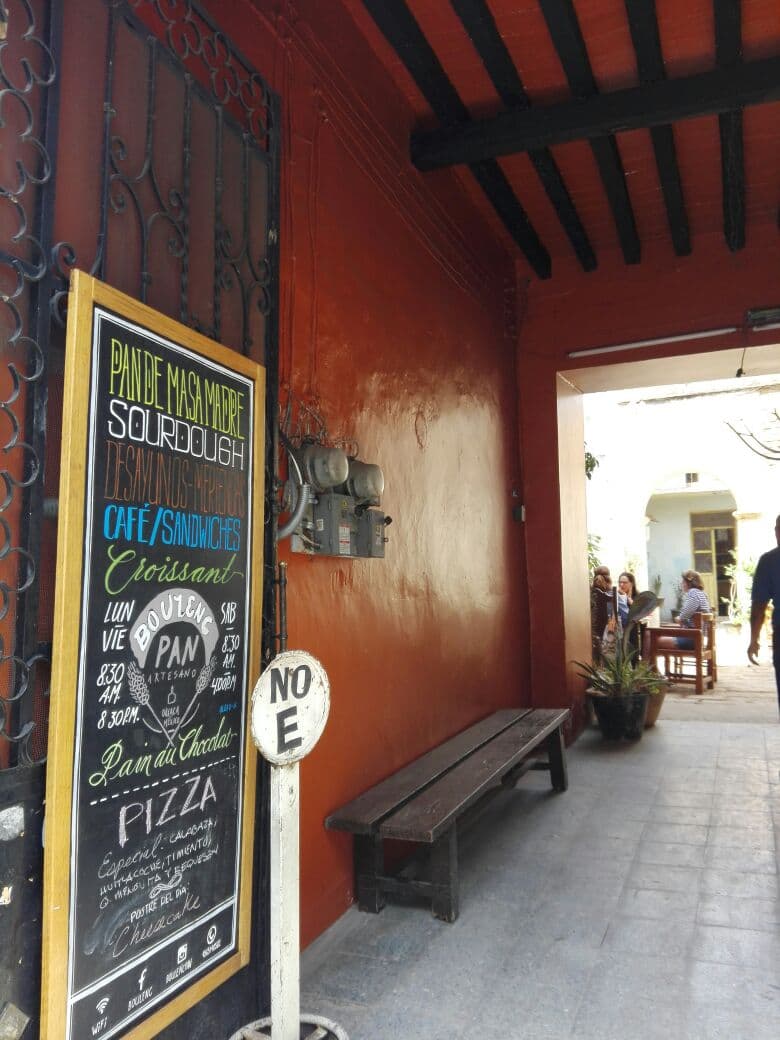
Oaxaca Wild Greens & Hidden Courtyards Food Escape
Week · $$$
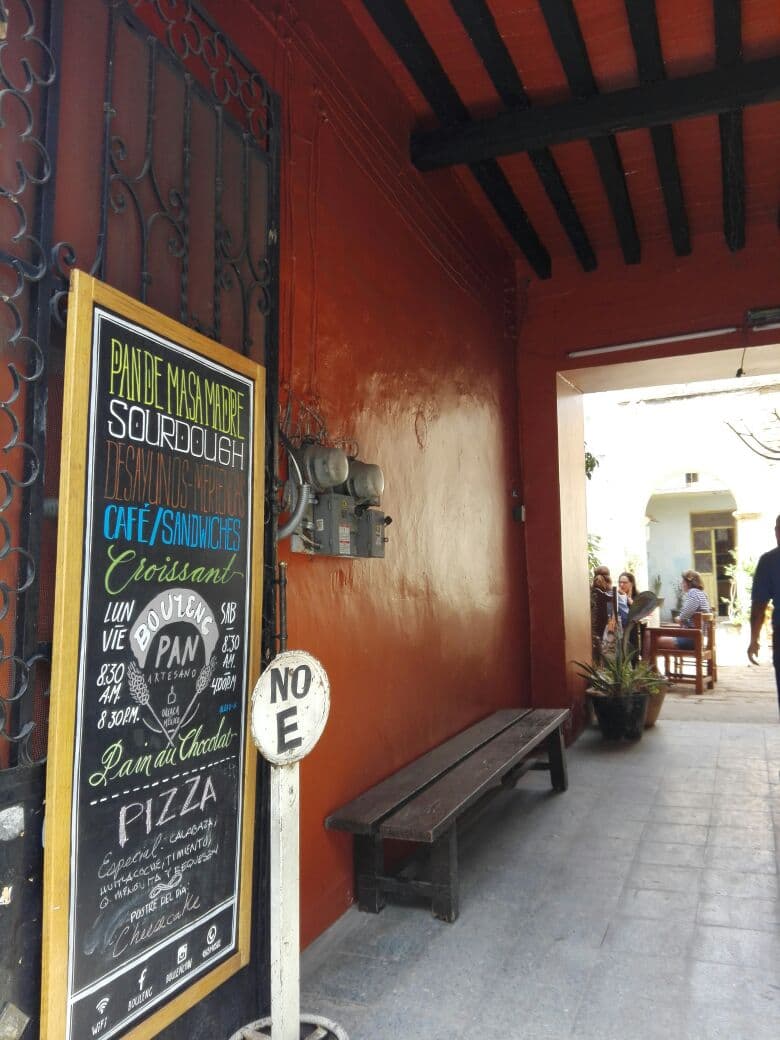
Romantic Jungle-Wild Weekend in Oaxaca City
Weekend · $$$
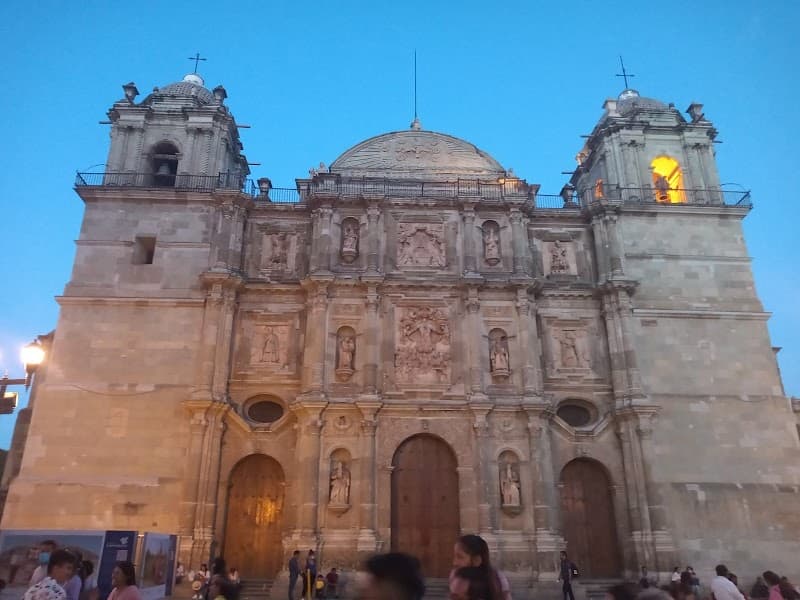
Seven Tasty Days in Wild & Colorful Oaxaca
Week · $$$
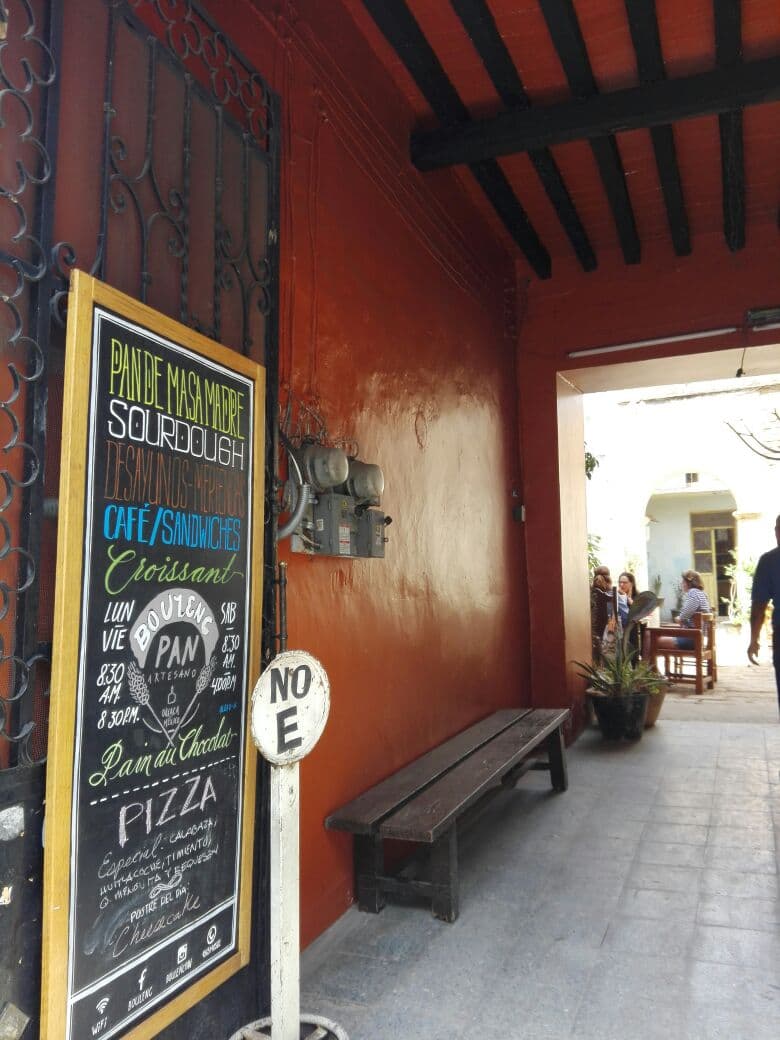
Oaxaca Food Weekend with Family, Color, and Calm
Weekend · $$$
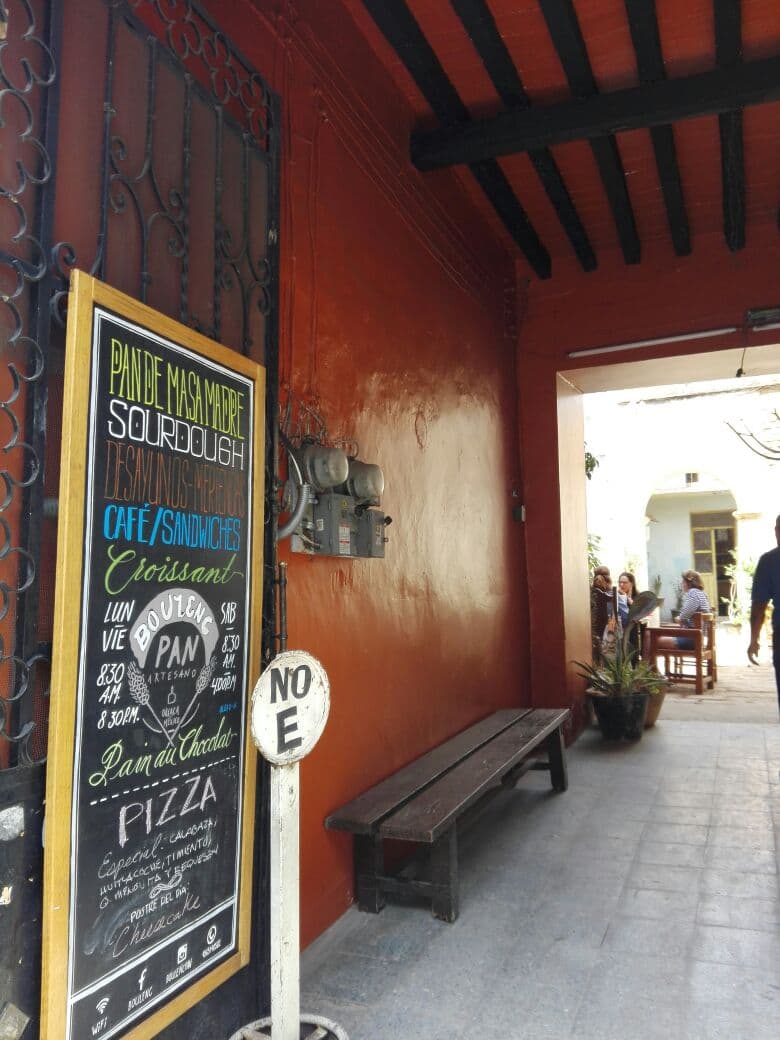
Seven Slow Foodie Days in Lush, Flavorful Oaxaca
Week · $$$
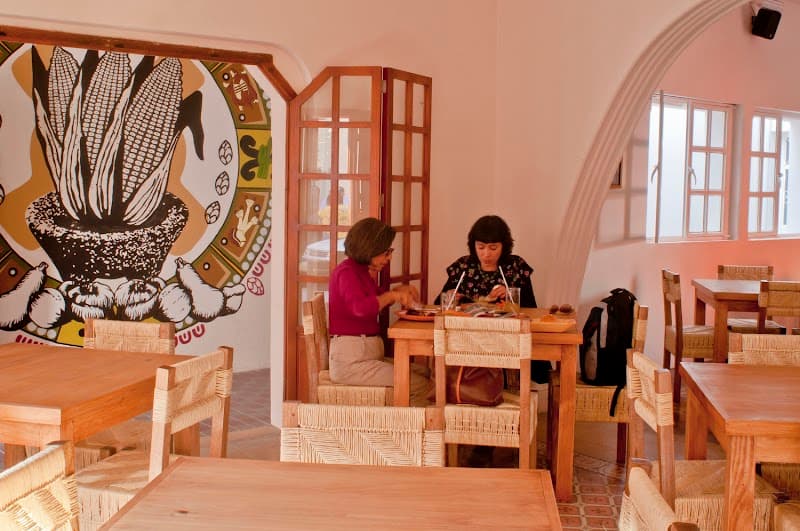
Wild Green Oaxaca: A Relaxed Jungle-Feel Food Weekend
Weekend · $$$
Things to Do in Oaxaca Food Scene
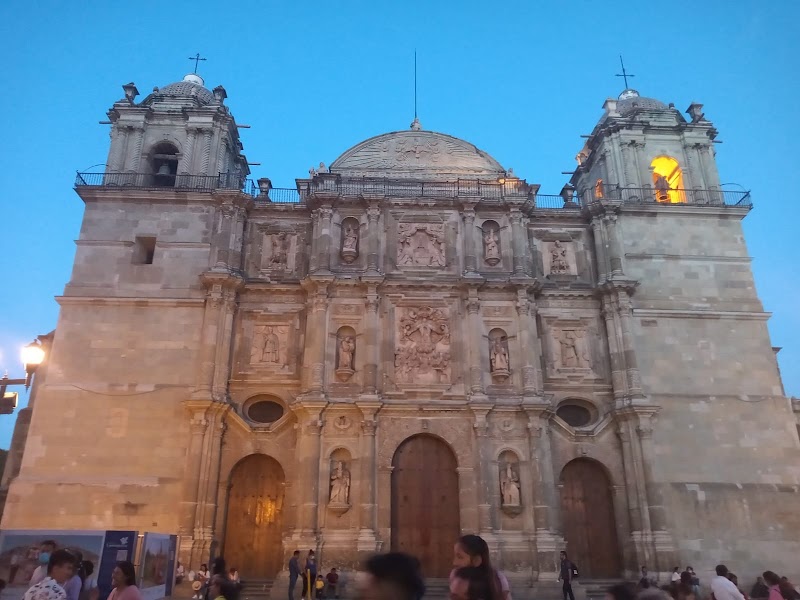
Zócalo & Alameda de León Stroll
Centro Histórico · 90 min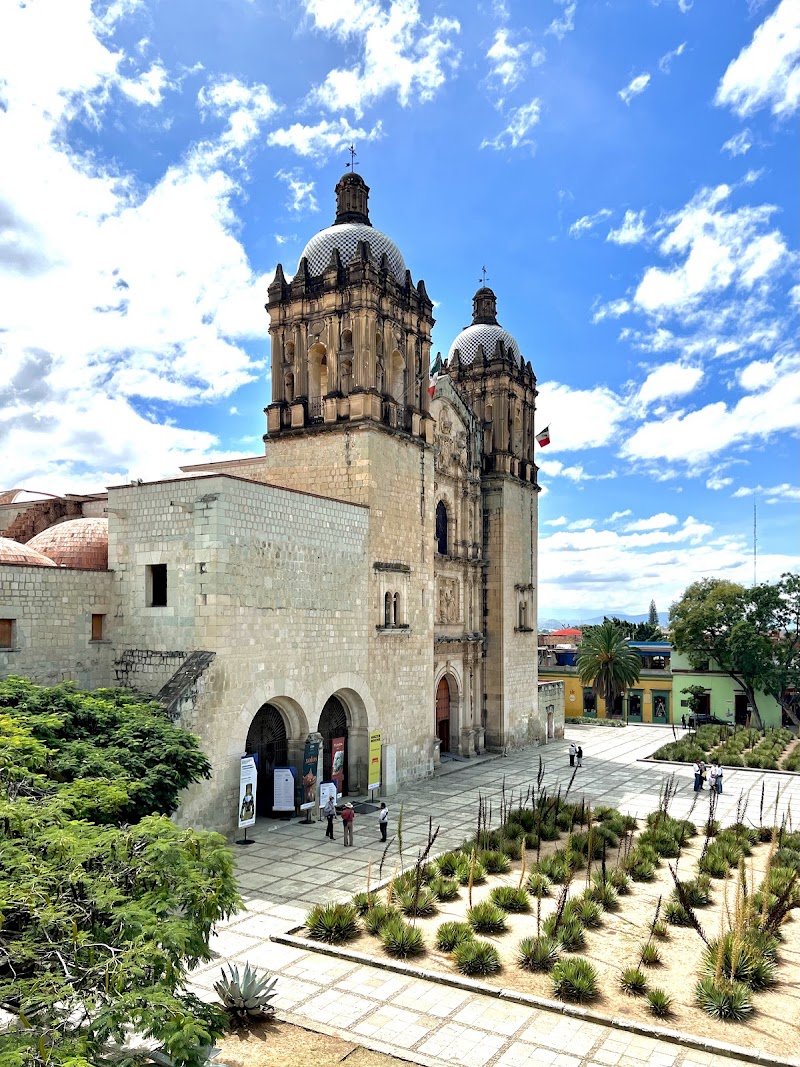
Templo de Santo Domingo & Ethnobotanical Garden (Exterior/Views)
Centro Histórico · 120 min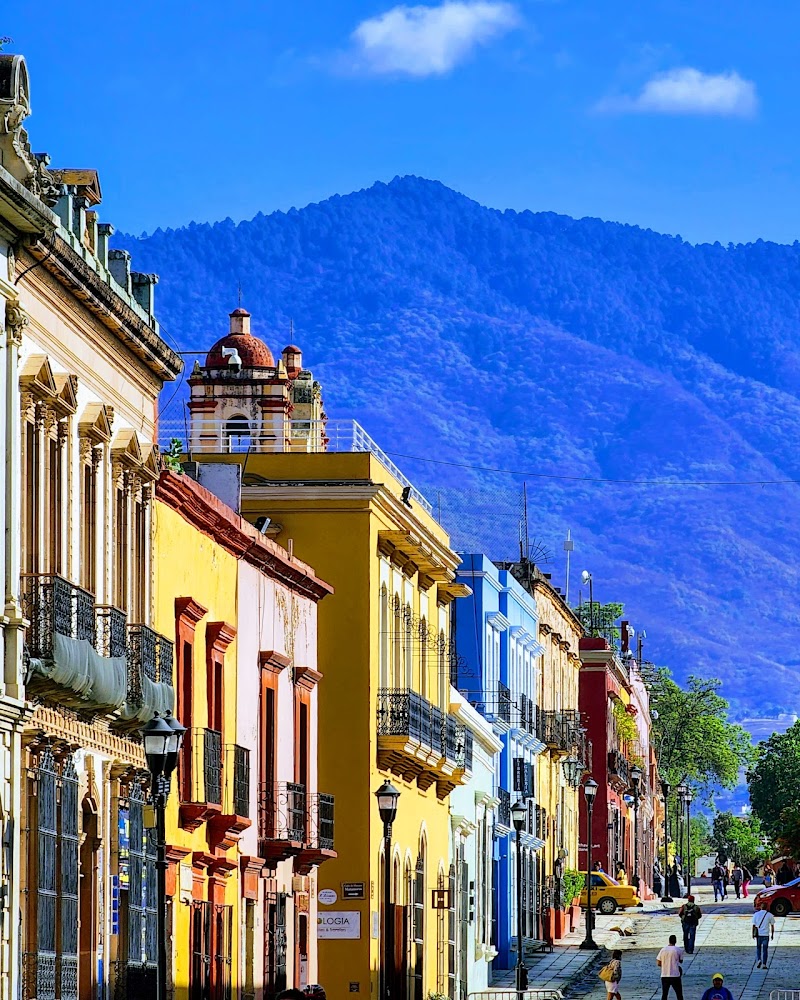
Andador Turístico (Macedonio Alcalá) Wandering
Centro Histórico · 120 minMoney-Saving Tips
- 1.Eat at comedores during lunch for the best value - full meals for 80-120 pesos
- 2.Markets close early on Sundays, but that's when prices drop on leftover produce
- 3.Mezcal is cheaper at the source - day trips to distilleries offer better prices than city bars
- 4.Street food is incredibly cheap - budget 30-50 pesos per taco/tlayuda
- 5.Many cooking classes include market tours and lunch - better value than separate activities
- 6.Local buses to nearby villages cost under 20 pesos vs 400+ for tourist shuttles
Travel Tips
- •Learn basic Spanish food terms - vendors appreciate the effort and you'll get better recommendations
- •Bring cash - most markets and street stalls don't accept cards
- •Start meals later than usual - lunch is 2-4 PM, dinner after 8 PM
- •Don't drink tap water, but ice in restaurants is usually fine
- •Book cooking classes in advance - popular instructors fill up quickly
- •Try chapulines (grasshoppers) at least once - they taste like crunchy, garlicky popcorn
- •Ask locals where they eat - the best spots rarely have signs in English
Frequently Asked Questions
Explore Oaxaca Food Scene
BUILD YOUR
OAXACA FOOD SCENE PLAN
Insider picks, smart timing, and a plan ready when you are.
Start Planning