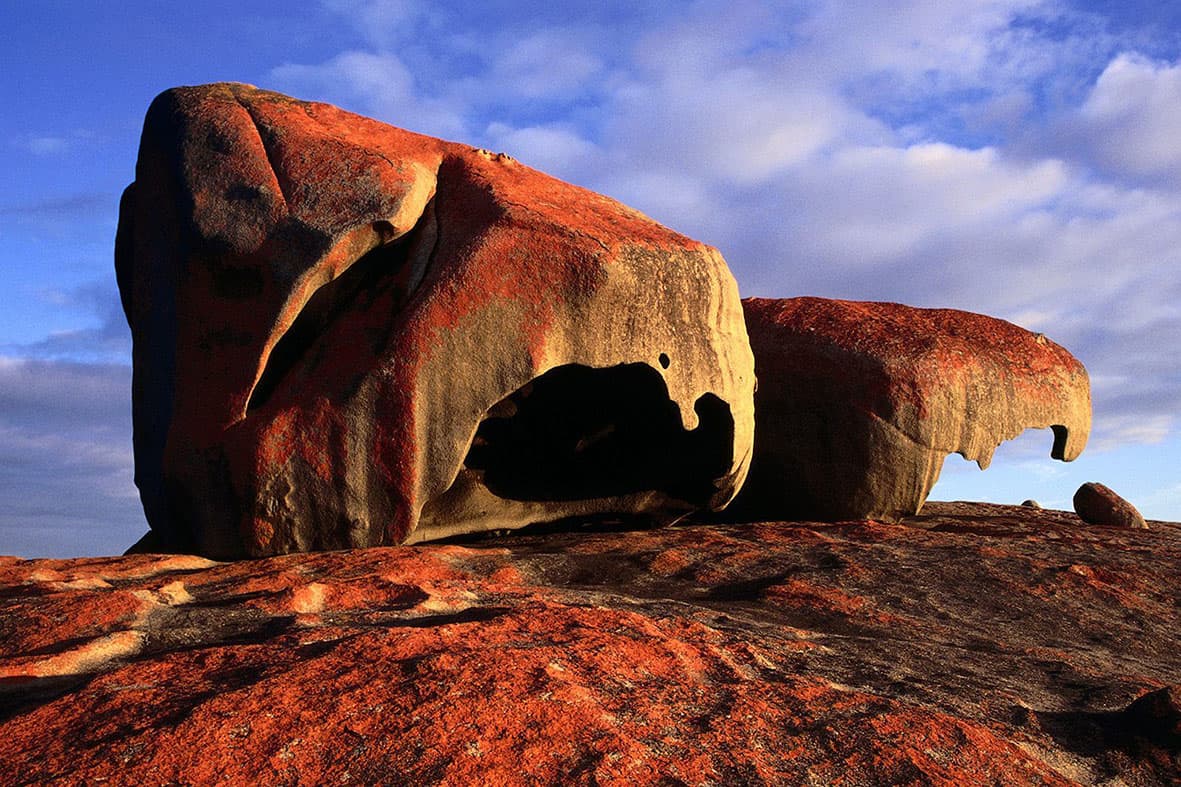
Kangaroo Island
Pristine wilderness sanctuary off Australia's southern coast
Kangaroo Island sits 100 kilometers off Adelaide's coast like Australia's best-kept secret. And here's the thing — one-third of this island remains protected national park, making it a wildlife sanctuary where echidnas waddle across hiking trails and kangaroos graze at sunset. The locals call it KI, and after your first encounter with a curious sea lion at Seal Bay, you'll understand why this place hooks travelers. But don't expect resort chains or crowded beaches. This is raw Australia at its finest, where you'll drive dirt roads to reach some of the country's most spectacular coastline and sleep under stars so bright they'll ruin city skies forever.
Best Months
JAN · FEB · MAR · APR · SEP · OCT · NOV · DEC
~23°C · moderate crowds
Culture & Context
ISOLATED ISLAND TIME
Kangaroo Island — or just "KI" to anyone who's ever been — operates on its own rhythm. No traffic lights. No public transport.
No taxis. No McDonald's. The Ngarrindjeri people knew it as Karta Pintingga, meaning "island of the dead," and archaeological evidence suggests Aboriginal communities lived here until a few thousand years before European contact, leaving behind one of the most ecologically isolated environments on earth.
Rising sea levels cut KI off from the mainland about 10,000 years ago, which is why so many of its species exist nowhere else. Roughly one-third of the island is now protected national park or conservation reserve — a decision that shapes everything about how life here works. The economy runs on sheep farming, honey, wine, fishing, and tourism.
Locals are used to doing things themselves. The community is small, tight-knit, and proud. They rebuilt after the catastrophic 2019-2020 bushfires, which burned through nearly half the island and killed enormous numbers of wildlife, and that experience left a mark on how the community talks about the land.
KI is also a certified bee sanctuary, completely free of the Varroa mite and many other mainland pests — which is why they take biosecurity seriously. Tourists who don't follow rules get remembered. The island moves slowly on purpose.
That's the whole point.
Local Customs
BEE SANCTUARY RULES
KI is a bee sanctuary. You cannot bring honey products, bee-handling equipment, or potatoes onto the island. Fines are real and locals take this seriously.
Don't try to sneak in a jar of mainland honey.. Don't drive after dark if you can avoid it. Wildlife is genuinely active at night — kangaroos, wallabies, echidnas, goannas.
Most serious accidents happen dawn to dusk. If you do drive at night, slow right down and dip your lights when you spot an animal.. Fill up your fuel tank in Kingscote or Penneshaw before heading west.
Fuel stations thin out fast, and the West End near Flinders Chase has nothing. Running dry out there is your problem, not anyone else's.. Clean your hiking boots and camping gear before arriving.
The island has strict biosecurity around weeds and plant diseases. Phytophthora cinnamomi has devastated vegetation elsewhere and the community is vigilant.. Dudley Wines does live music every first Sunday of the month at its clifftop cellar door.
It's free, the view back to the mainland is excellent, and it's where locals actually go.. Pelican feeding happens daily at 5pm at the Kingscote Wharf, behind the Penguin Centre. It's chaotic, loud, and completely free..
The phrase 'island time' isn't a tourist gimmick here — things genuinely move slower and that's a feature, not a bug. Don't arrive expecting city-speed service at restaurants or shops.
Safety
FIRE & WILDLIFE HAZARDS
Fire is the number-one safety concern, full stop. The 2019-2020 bushfires burned through nearly half the island with devastating speed. During summer (December to February), monitor fire danger ratings daily through the South Australian Country Fire Service (SACFS) website or app, and treat Total Fire Ban days as non-negotiable. Park closures can happen fast.
On the roads: wildlife is a genuine hazard, not a quaint local colour moment. Kangaroos, wallabies, echidnas, and goannas appear suddenly, especially at dawn and dusk. Keep your speed below 60kph on unsealed roads. If you spot a kangaroo at night, dip your high beams and honk — bright lights stun them. Avoid driving after dark if you can. Most wildlife collisions happen in winter when daylight hours are shorter.
Fuel up in Kingscote or Penneshaw before heading west. There are no fuel stations at the western end of the island. Coming back on a late ferry? The nearest petrol station on the mainland side is Aldinga, 64km north of Cape Jervis.
Ocean swimming: the beaches look inviting but many have strong currents and unpredictable surf. Pennington Bay is beautiful and explicitly not for swimming. Follow safety signs. Never swim alone.
Crime is low, but lock your car — theft from rental vehicles in tourist areas does happen.
Emergency services: dial 000. Register for emergency alerts via the Alert SA app. Injured wildlife: call the Kangaroo Island Landscapes Board on 08 8553 4444. The hospital is at 7 Esplanade, Kingscote (phone 8553 4200).
Getting Around
RENTAL CAR MANDATORY
Getting there: SeaLink runs vehicle and passenger ferries daily (except Christmas Day) from Cape Jervis to Penneshaw. The crossing takes about 45 minutes. Cape Jervis is roughly a 1.5-2 hour drive from Adelaide. Book well in advance in summer — spots fill fast, and as of April 2026, SeaLink has added a temporary fuel surcharge on visitor fares due to global fuel costs. The return passenger fare is around AUD $98 per person; a standard car adds about AUD $188.
Alternatively, QantasLink and Rex fly from Adelaide Airport (ADL) to Kingscote Airport (KGC) in about 20 minutes. The flights are quick but you lose flexibility and still need a rental car.
Getting around: There are no taxis and no public transport on the island. A rental car is effectively mandatory. Budget and Hertz operate on the island; book well before arrival. If you're bringing a rental car from the mainland, confirm your hire company allows it — some don't. Most main roads are sealed and fine for 2WD, but many secondary roads are unsealed dirt. Stick to 60kph maximum on dirt roads, and watch for corrugations.
A Peninsula Coaches shuttle service runs between Penneshaw and Kingscote (book via peninsulacoaches.com.au or call 08 8821 2755) but it won't get you to the main attractions. Think of it as an emergency option, not a sightseeing tool. The island is about 155km long — you can drive from Penneshaw to the western tip in around two hours on a good day.
Useful Phrases
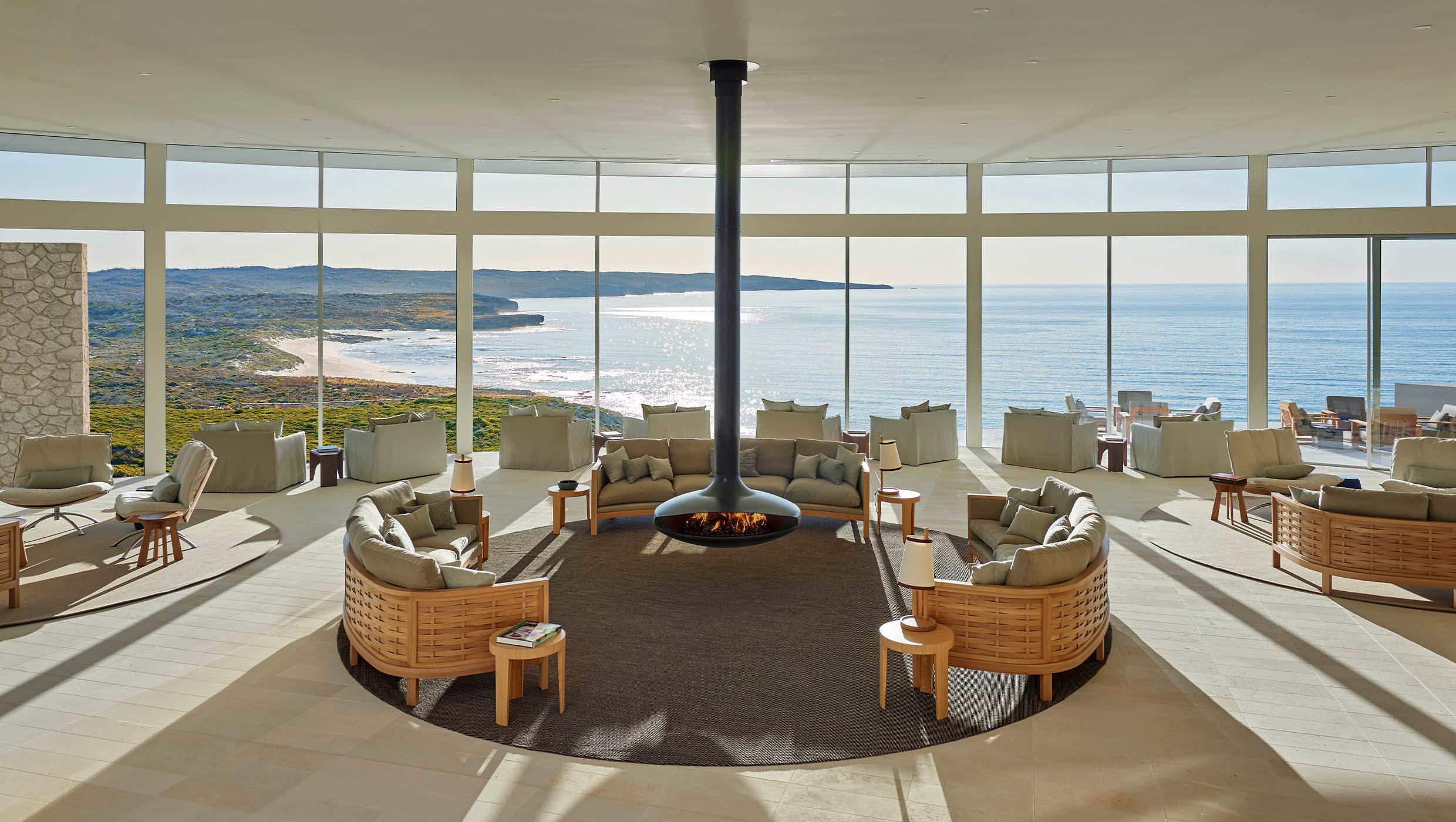
Where to Stay in Kangaroo Island
1 recommended properties
Money-Saving Tips
- 1.Ferry plus rental car costs less than flying if you're staying more than two nights — the vehicle transport fee gets offset by cheaper accommodation booking flexibility
- 2.Buy groceries in Adelaide before catching the ferry since KI supermarkets charge 20-30% more for basic items due to transport costs
- 3.Camp at Flinders Chase National Park for $15 per night instead of paying $200+ for accommodation — the wildlife encounters are actually better from campsites
- 4.Visit during autumn (March-May) when accommodation prices drop 30% but weather stays perfect for outdoor activities
- 5.Pack lunch for day trips since most attractions have no food outlets — a simple sandwich costs $12 at the few cafes that exist
- 6.Fill up your rental car whenever you see fuel stations — petrol costs 15 cents more per liter than mainland prices and stations close early
Travel Tips
- •Download offline maps before arriving since mobile coverage disappears across large sections of the island, especially around Flinders Chase National Park
- •Pack layers for unpredictable weather — morning fog can give way to 25°C afternoons, then drop to 10°C after sunset
- •Drive slowly at dawn and dusk when kangaroos, echidnas, and possums cross roads frequently — animal strikes happen weekly
- •Book accommodation 3-4 months ahead for summer visits since the island only has 400 beds across all properties
- •Bring insect repellent for bushwalking — march flies and mosquitoes can be aggressive around water sources and during humid weather
- •Check fire restrictions before camping or BBQing — total fire bans close campgrounds and hiking trails during extreme weather
- •Visit Remarkable Rocks early morning or late afternoon for the best photography light — midday sun creates harsh shadows
- •Carry water on all hikes since drinking fountains don't exist at most trailheads and dehydration happens quickly in dry conditions
Frequently Asked Questions
Explore Kangaroo Island
BUILD YOUR
KANGAROO ISLAND PLAN
Insider picks, smart timing, and a plan ready when you are.
Start Planning