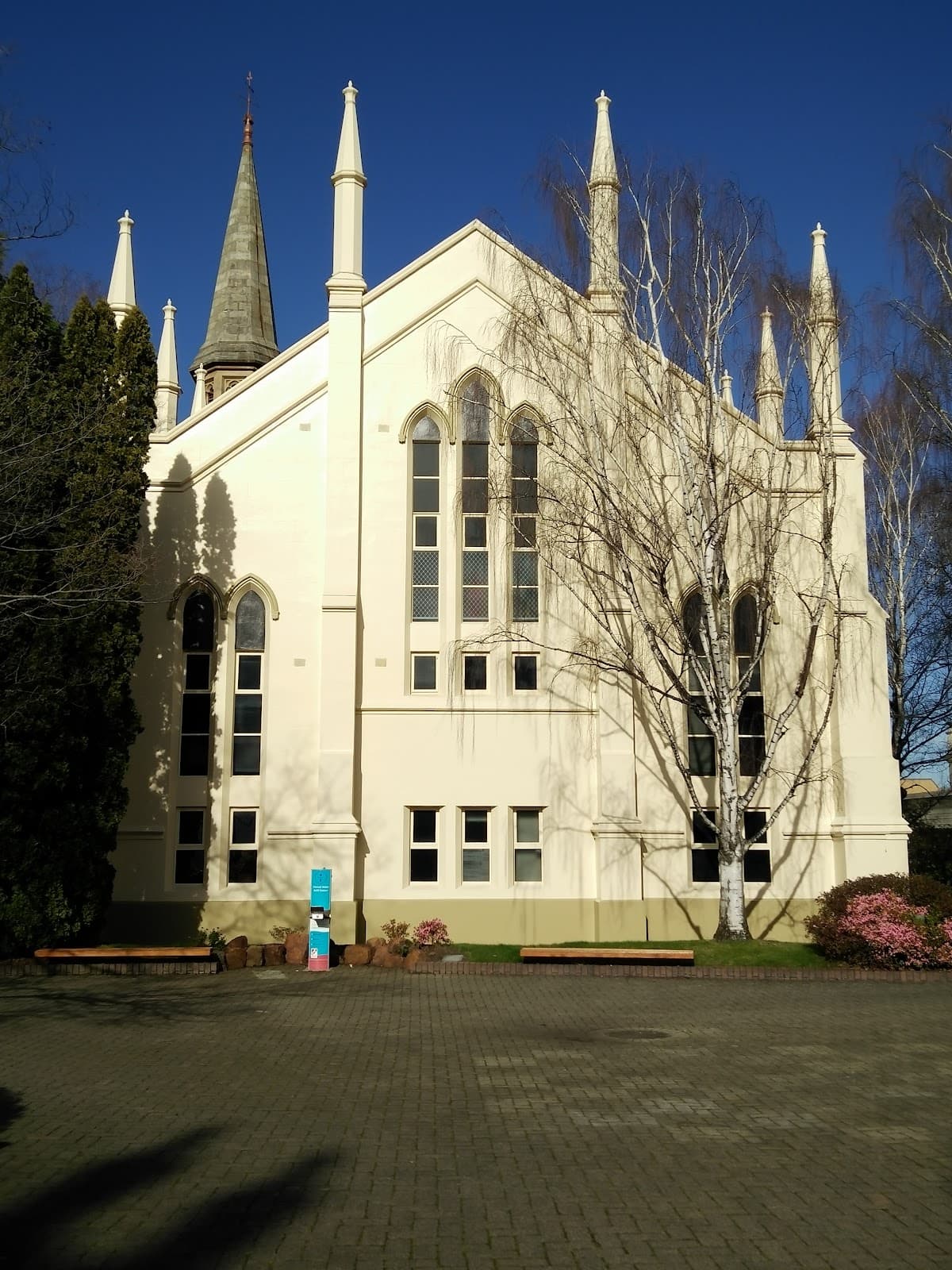
Launceston
Tasmania's northern gem of wine and wilderness
Launceston punches way above its weight. This compact city of 110,000 sits in the heart of Tasmania's wine country, where the South Esk River carves through dramatic gorges just minutes from the CBD. You can sip a Pinot Noir at Josef Chromy Wines in the morning, walk through Cataract Gorge Reserve after lunch, and catch a show at the Princess Theatre by evening. The city feels like Australia's best-kept secret – sophisticated enough for food lovers, wild enough for adventurers, and small enough to explore on foot. Here's everything you need to know about Tasmania's northern gem.
Best Months
JAN · FEB · MAR · NOV · DEC
~23°C · moderate crowds
Culture & Context
TASMANIA'S FOOD CAPITAL
Launceston sits at the confluence of the Tamar and North Esk Rivers on the traditional country of the litarimirina and panina people, in the area known in palawa kani (the Tasmanian Aboriginal language) as kanamaluka. The city has an official population of around 80,900, making it Tasmania's second-largest city and one of Australia's oldest. In 2021 it was designated a UNESCO City of Gastronomy — one of only two in Australia — which the food scene genuinely backs up.
The city punches hard above its weight on dining, with a tight network of chefs deeply connected to local producers, cool-climate Tamar Valley wineries, Cape Grim beef, Bruny Island cheeses, and fresh seafood. But it's not all fine dining. The Gorge is where everyone goes on weekends regardless of age or income.
There's a real locals-first energy here that Hobart — more touristy and capital-polished — doesn't quite have. That's both a strength and a mild warning: some businesses and restaurants close early, public transport outside peak hours is thin, and the pace of life is genuinely unhurried. There's also a rougher edge to some parts of the city that guide books tend to skip over.
Local Customs
BOAG'S PRIDE, NO TIPPING
The Harvest Market at Cimitiere Street runs every Saturday morning and is where locals actually shop. Not a tourist trap — expect roti being made fresh, organic chocolate, local cheeses, smoked salmon, artisan gins, and live music. Arrive by 9am before the good stuff goes..
James Boag's Brewery on Shields Street is a point of local pride. The beer is everywhere, and ordering a Boag's rather than a mainland beer earns you small but genuine credibility. The brewery does tours — worth booking ahead..
Tipping is not standard in Australia and not expected. If the service is genuinely excellent at a nice restaurant, rounding up or leaving a few dollars is appreciated, but nobody will be offended if you don't.. BYO (bring your own wine or beer) is common at many Launceston restaurants.
Check whether a venue is licensed or BYO before you go — it can save you significantly on a dinner bill.. Card payments are the default everywhere. Cash is fine but don't count on it being necessary outside of some market stalls or tiny rural businesses..
Launceston is genuinely walkable within the inner suburbs. Locals do walk to the Gorge for weekend exercise, and the city has a notably short average commute time of about 13 minutes. Don't rent a car just for the city — save that cost for day trips to the Tamar Valley, Cradle Mountain, or the Bay of Fires..
The weather can change fast. Locals wear layers as a default. A clear morning can turn cold and wet by afternoon, especially near the Gorge or heading into the hills.
Pack accordingly.
Safety
SAFE, WATCH NIGHTS
Launceston is a safe city overall. Normal city awareness applies. The Brisbane Street Mall in the CBD has a local reputation for antisocial behavior particularly on Thursday, Friday, and Saturday nights — use it during the day, but if you're out after dark, stick to George Street or the Seaport area instead.
Suburbs to avoid when choosing accommodation: Ravenswood, Rocherlea, and Waverly are the areas locals most consistently flag for petty crime and rough behavior. East Launceston, Newstead, Norwood, Trevallyn, and West Launceston are consistently recommended as safe and pleasant. The Gorge trail is safe during daylight hours and popular with locals, but don't wander off marked paths at dusk.
Roads outside the city — particularly the Bass Highway — have known accident hotspots and long stretches without mobile signal. Drive carefully, especially at dawn and dusk when wildlife is active on the road.
Getting Around
WALK OR RENT CAR
There are no trains in Tasmania at all. The Metro bus network covers Launceston, and as of March 30, 2026, all Metro services are currently free to ride (the free travel scheme runs until July 1, 2026). Download the Metro Tas app for real-time tracking.
For getting between cities, Kinetic runs intercity coaches connecting Launceston to Hobart (roughly 2.5 hours) and to Devonport. Tassielink covers regional routes.
Launceston Airport (LST) is 14km from the city center — taxis run around AUD 30–40. For getting to Cradle Mountain, Bridestowe Lavender Estate, the Tamar Valley wineries, or anywhere rural, you need a car. Rental cars are the biggest budget variable — book early, especially in summer, as inventory is limited and prices jump.
Ride-sharing apps operate in the city but coverage is patchier than in mainland capitals. Uber works. Within the inner suburbs, walking is genuinely the best option — average commute times in Launceston are around 13 minutes, one of the shortest in Australia for a city of its size.
Useful Phrases
Launceston Itineraries
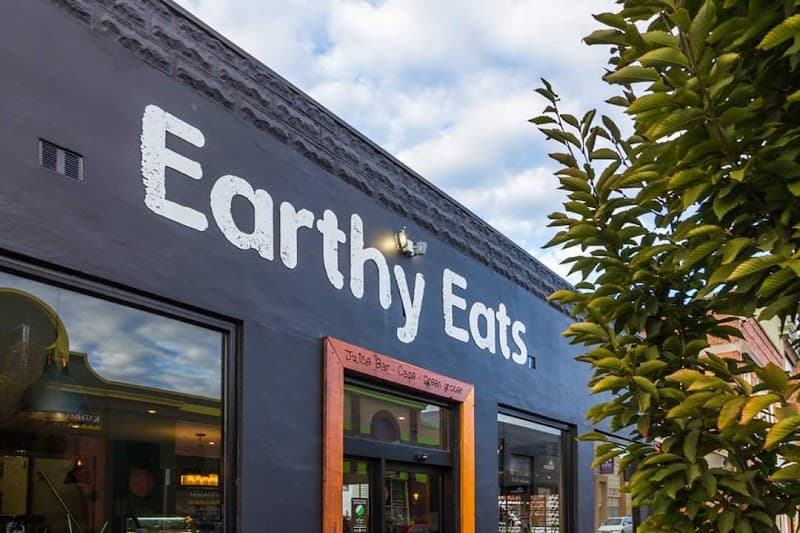
Things to Do in Launceston
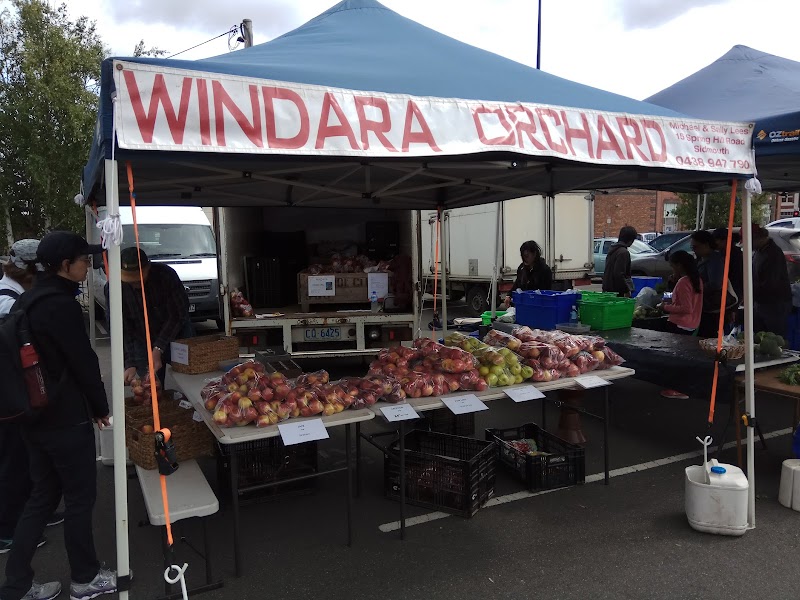
Harvest Market Launceston
CBD / City Centre (Cimitiere Street area) · 90 minMoney-Saving Tips
- 1.Visit wineries during weekdays for smaller crowds and more personal attention from cellar door staff
- 2.The Launceston City Park is free and perfect for picnics with food from the Saturday farmers market
- 3.Many restaurants offer early bird specials between 5:30-6:30pm with mains starting at $22
- 4.Buy wine directly from cellar doors to avoid retail markups – most offer 10-15% discounts on cases
- 5.The Cataract Gorge chairlift costs $16 return but walking the trails is completely free
- 6.Book accommodation Sunday-Thursday for rates up to 40% cheaper than weekend prices
Travel Tips
- •Pack layers – Tasmanian weather changes quickly, especially in the mountains
- •Book winery tastings in advance during harvest season (March-April) as they get busy
- •Download the Metro Tasmania app for real-time bus schedules and mobile ticketing
- •Rent a car if you plan to explore wineries – designated driver services are limited
- •The Cataract Gorge walking tracks can be slippery after rain, so wear proper hiking shoes
- •Most restaurants close Monday and Tuesday nights, so plan accordingly
- •Carry cash for the farmers market – not all vendors accept cards