Olympic National Park
Rainforests, mountains and coastlines in one diverse wilderness
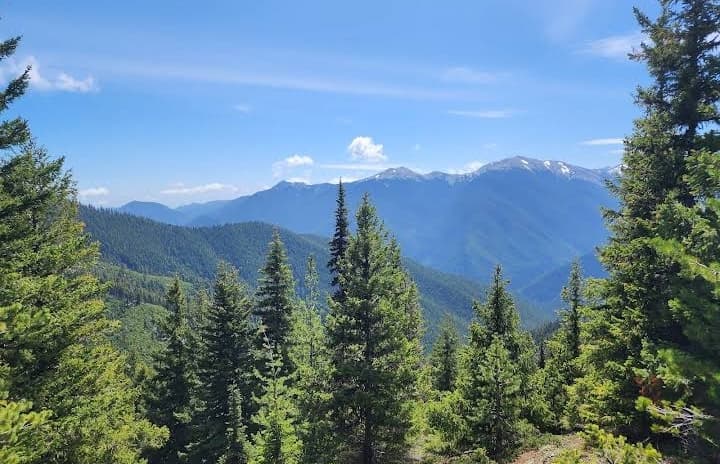
Olympic National Park packs three ecosystems into one massive wilderness area on Washington's Olympic Peninsula. You'll find temperate rainforests dripping with moss in the Hoh Valley, alpine peaks in the Olympic Mountains, and 73 miles of rugged Pacific coastline. It's one of the few places where you can hike through old-growth forest in the morning and watch sunset from a driftwood-strewn beach by evening. The park covers nearly a million acres, so planning is essential — you can't see it all in a weekend, and you shouldn't try.
Culture & Context
INDIGENOUS LANDS, MODERN RECOVERY
The Olympic Peninsula isn't just a park — it's home to several Indigenous nations whose history on this land goes back thousands of years. The Lower Elwha Klallam, Quileute, Quinault, and Makah peoples all have deep ties here. The massive Elwha River dam removal project (completed in stages through the 2010s and 2020s) is one of the largest river restoration efforts in US history, and you can see the ecological recovery in real time along the Elwha Valley.
The peninsula also has strong logging and fishing roots. "Chokers" (workers who attach cables to logs), tin pants (waxed waterproof canvas trousers), and the whole culture of working the land are woven into the regional identity. Forks, to the west, got a bizarre second life as the fictional setting for the Twilight saga — and yes, the town leans into it.
Hard. The outdoor culture here is serious and unpretentious. Nobody cares what gear brand you're wearing, but they do care whether you know what you're doing.
Showing up to a coastal beach in flip flops during a storm swell will earn you a look from locals.
Local Customs
RAIN JACKET OVER UMBRELLA
Don't carry an umbrella. Locals never do. It marks you as a tourist immediately.
A good rain jacket with a hood is the real currency here.. Bear canisters (hard-sided containers) are required for all overnight wilderness trips in the park. This isn't optional — it's a regulation, and it protects the wildlife.
A fed bear is a dead bear.. Keep dogs on-leash on all park trails. Off-leash dogs have triggered bear encounters — dogs often startle a bear and then lead it straight back to their owner..
If you swim, swim in the lakes (Lake Crescent, Lake Quinault). The Pacific coast beaches look inviting but most Olympic coast swimmers are surfers in wetsuits for a reason — powerful waves, sneaker logs, and cold water make ocean swimming genuinely dangerous.. Watch beach logs.
During storm surges and high tide, large drift logs move. People have been killed by rolling logs on PNW beaches. The tide comes in fastest halfway between low and high tide..
When in Port Angeles, stop at the visitor center before driving up Hurricane Ridge. Trail conditions and road access can change daily — rangers give you real-time ground truth that no app has.. Buy your park pass inside the park or at the visitor center, not online.
Olympic gets a greater share of the revenue from in-person sales.
Safety
SNEAKER WAVES, WILD BEARS
Black bears are the main wildlife to know about — no grizzlies here, but black bears are common throughout the park, especially in the Hoh Rain Forest and Sol Duc Valley. Hard-sided bear canisters are required for all wilderness overnight trips. Black bears are most active at dawn and dusk.
Keep 300 feet of distance. If you encounter one, back away slowly and speak calmly. Don't run.
Cougars also live in the park (roughly two dozen), but encounters are rare. Make noise on trails and keep kids close. The coast is the other serious hazard.
Sneaker waves, rolling drift logs during surge events, and fast-moving tides kill people here every few years. Never turn your back on the ocean, even on calm days. The tide comes in fastest halfway between low tide and high tide — this is when people get stranded on sea stacks.
Stick to lake swimming (Crescent, Quinault) rather than ocean beaches. The Pacific water is cold year-round. Cell service is unreliable throughout most of the park, including the coast.
Download offline maps on AllTrails or Gaia GPS before you leave your hotel. If you're backpacking, register at the Wilderness Information Center in Port Angeles (600 E. Park Ave) and pick up your permit there.
In winter, Hurricane Ridge Road is typically only open to uphill traffic 9am-4pm on Fridays through Sundays — confirm access before heading up, as snow conditions change that schedule fast.
Getting Around
CAR ESSENTIAL, FERRY SCENIC
A car is the only realistic way to see this park properly. It has no single entrance and three completely different ecosystems spread across a massive peninsula. From Seattle, the most scenic and often fastest approach during peak traffic is the Washington State Ferry from Colman Dock to Bainbridge Island (about 35 minutes, roughly $18 per car plus passengers).
From Bainbridge, drive west across the Hood Canal Bridge to reach Port Angeles in about 1.5 hours. Or skip the ferry and drive around via I-5 and US-101 (about 2.
5-3 hours without traffic, but Seattle traffic is genuinely brutal). Car-free travelers can take the Clallam Transit Strait Shot bus from Seattle/Bainbridge to Port Angeles (under $30 roundtrip total by ferry + bus). Once in the park area, the Clallam Transit Hurricane Ridge Shuttle runs late May through early September for $1 per boarding — highly recommended to avoid parking chaos at the ridge.
Clallam Transit also serves Hoh Rain Forest, Sol Duc, Kalaloch, and other major park areas, but check clallamtransit.com carefully, as schedules are limited and seasonal. Victoria, BC visitors: Black Ball Ferry Line runs between Victoria and Port Angeles, and even offers package deals with guided Olympic park tours through Olympic Hiking Co.
(720 Marine Drive, Port Angeles). For flying in, Port Angeles Fairchild Airport (CLM) receives 3 daily flights from Seattle's Boeing Field. Budget Rent-a-Car is on site.
Useful Phrases
Itineraries coming soon
We're working on adding amazing itineraries for Olympic National Park. In the meantime, try the app to create your own!
Money-Saving Tips
- 1.Buy the America the Beautiful Annual Pass ($80) if you're visiting more than one national park this year — it pays for itself after three visits
- 2.Camp instead of staying in lodges to save $150+ per night — even basic sites put you closer to the trails
- 3.Pack your own lunch for day hikes — the lodge restaurants charge $15-20 for sandwiches you can make for $5
- 4.Fill up your gas tank in Port Angeles before entering the park — no gas stations inside and limited options on the peninsula
- 5.Bring a National Parks Senior Pass if you're 62+ for lifetime free entry and 50% off camping fees
- 6.Visit in late September for lower accommodation rates and fewer crowds while still getting decent weather
Travel Tips
- •Download offline maps before you go — cell service is spotty throughout most of the park
- •Check road conditions on the NPS website before driving — winter storms can close Hurricane Ridge Road with little notice
- •Bring cash for entrance fees at some stations — not all accept cards, especially during off-season
- •Start early for popular trails like Hurricane Ridge — parking lots fill up by 10am during summer weekends
- •Always check tide tables before hiking coastal sections — some areas are impassable at high tide
- •Bring layers even in summer — temperatures can drop 30 degrees between sea level and Hurricane Ridge
- •Stop at visitor centers first for current trail conditions and wildlife activity updates
- •Book accommodations 6+ months ahead for summer visits — options fill up fast on the Olympic Peninsula
Frequently Asked Questions
Explore Olympic National Park
BUILD YOUR
OLYMPIC NATIONAL PARK PLAN
Insider picks, smart timing, and a plan ready when you are.
Start Planning