Pemba Island
Tanzania's pristine spice island paradise for diving and tranquility
Forget Zanzibar's crowds. Pemba Island sits 50 kilometers north, wrapped in clove-scented air and surrounded by some of the Indian Ocean's most pristine coral reefs. This is Tanzania's other spice island — the one that tourism forgot, where dhows still outnumber speedboats and you can dive untouched walls that drop into the deep blue.
The locals call it "Al Khudra" — the green island. And they're right. Clove trees blanket the rolling hills, their pink buds carpeting dirt roads during harvest season. Between the spice farms, you'll find beaches so empty they feel private, mangrove channels perfect for kayaking, and dive sites that rival the Red Sea without the crowds.
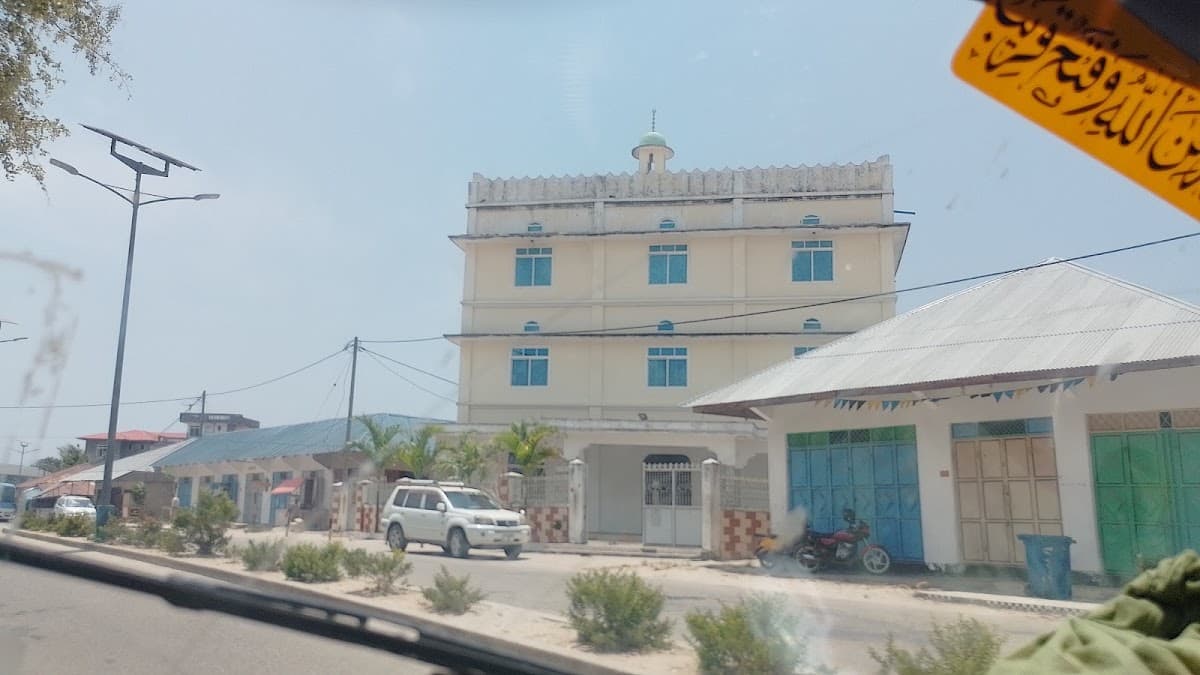
But here's what makes Pemba special: it's still authentically Swahili. In Chake Chake, the main town, fishermen mend nets outside coral stone mosques while women in bright kanga wraps sell mangoes from woven baskets. The pace moves with the tides, not tourist schedules.
Best Months
JAN · FEB · JUN · JUL · AUG · SEP · DEC
~30°C · moderate crowds
Culture & Context
ISLAMIC MAGIC, CLOVE HERITAGE
Pemba is a devoutly Muslim island, and that shapes everything. The call to prayer drifts over clove plantations five times a day. Women pass in colorful kangas and veils.
Ox-drawn carts share the unpaved roads with motorbike taxis. This is not a place that has been smoothed out for tourists. It's an island that has been producing the world's cloves — around 70% of global supply — for centuries, and that agricultural identity runs deep.
The Arab influence from Omani traders, who settled as early as the 10th century, is still visible in the ruins scattered across the hills, the architecture, and the island's famous juju (witchcraft) traditions. Pemba is actually known across East Africa as the center of traditional medicine and spirit practices. Local witchdoctors still operate here, and the island has a reputation as a place of powerful magic — which locals take seriously.
The cultural identity is distinct even from Zanzibar. Many residents feel a strong sense of Pemba-specific pride and political independence. Tread lightly on political conversations.
The local dialect is Kipemba, a variation of Swahili that differs enough from standard Kiswahili to occasionally confuse even fluent Swahili speakers.
Local Customs
GREET LONG, DRESS MODEST
Dress conservatively everywhere, not just near mosques. Cover shoulders and knees in any town or village. Swimwear is only appropriate at resort beaches — walking through Chake Chake in shorts will get you unwanted stares..
Greetings matter enormously here. Tanzanians, and Pembans especially, exchange multiple rounds of greetings before getting to business. Rushing straight to your question is considered rude.
Start with Hujambo or Habari and let it unfold.. Use your right hand for eating, giving, and receiving anything. The left hand is considered unclean..
Ask before photographing anyone, especially women. A polite refusal should be accepted without argument.. During Ramadan, avoid eating, drinking, or smoking in public during daylight hours.
Many restaurants close or operate on reduced hours.. Bullfighting takes place near Mkoani during the clove harvest season (roughly December to February). The bulls are not harmed — it's a skills contest between bull and bullfighter, a tradition with roots going back to Portuguese influence.
Fascinating to watch.. Friday is the main prayer day. Shops in town may close mid-morning for Friday prayers and reopen afterward.
Plan accordingly.. Bargaining is expected at markets in Chake Chake. Start lower than you want to pay, be friendly about it, and don't make a scene if you don't get the price you want.
Safety
SAFE, MALARIA WATCH
Pemba is genuinely one of the safer destinations in Tanzania. Petty crime in resort areas is low and violent incidents are rare. That said, take the standard precautions: don't flash valuables, avoid walking alone at night in town, and use reputable transport.
The bigger practical risks are health-related. Malaria is present — take prophylaxis before you arrive, use repellent, and sleep under a net (most resorts provide them). Drink bottled water only; avoid ice anywhere outside a proper resort.
Yellow fever vaccination certificate is required if you're arriving from an endemic country. The nearest serious medical facility is in Zanzibar or Dar es Salaam — there are pharmacies in Chake Chake, but for anything beyond basic treatment, expect evacuation. The ferry crossing can be genuinely rough and has a mixed safety record.
Flying is strongly preferred over ferry travel, especially during monsoon season. On the diving side: Pemba has strong currents and deep drop-offs. Several sites, including Misali Island, are recommended for experienced divers only.
Always dive with a reputable local operator and check conditions before going out.
Getting Around
FLY IN, CAR AROUND
Getting to Pemba: Fly. The ferry is a genuine adventure but not the comfortable kind — it runs from Zanzibar's Malindi or Stone Town ports to Mkoani or Wete, takes 4–8 hours, and the sea conditions can be rough enough to make the crossing miserable or worse. The airlines (Coastal Aviation, Auric Air, ZanAir, Precision Air) run daily flights from Zanzibar (30 minutes, $80–150 return) and Dar es Salaam (about 1 hour, $120–250 return).
Small propeller planes, scenic views, book well ahead in peak season. The airport is Wawi/Karume Airport (PMA), just outside Chake Chake. Getting around the island: There's one main paved road running north-south through the middle of the island.
A hired car and driver for the day costs $50–70 and this is the practical way to cover ground. Drivers often double as guides and many speak decent English. Dala-dalas (shared minibuses) run between Chake Chake and the other towns but only leave when full — no fixed schedule, bring patience.
Bikes can be rented from hotels for around $10/day and are a good option for short distances. Motorbike taxis (bodaboda) are available in towns. Coral Tours in Chake Chake can arrange motorbike rentals.
Taxis exist but aren't cheap. Your resort will usually arrange airport pickup (sometimes included, sometimes added to your bill — ask upfront).
Useful Phrases
Money-Saving Tips
- 1.Bring US dollars in good condition — torn or old bills get rejected everywhere
- 2.Bargain for everything except at established restaurants and lodges
- 3.ATMs exist in Chake Chake but often run empty — bring enough cash
- 4.Spice tours cost $20-30 per person but you can negotiate group rates
- 5.Local transport costs pennies but tourist boats charge tourist prices — always ask locals first
- 6.Many places add a 10% service charge automatically — check your bill
- 7.Diving packages offer better value than single dives — book multiple days
- 8.Fresh fruit from roadside stands costs 90% less than at lodges
Travel Tips
- •Pack reef-safe sunscreen — the coral here is too precious to damage
- •Bring a good mask and snorkel even if you're not diving — the house reefs are incredible
- •Download offline maps before arriving — cell coverage is spotty outside main towns
- •Respect local customs — cover up when visiting villages and mosques
- •The spice harvest happens December-February — plan tours during this time for the full experience
- •Malaria prophylaxis is essential — consult your doctor before traveling
- •Bring a waterproof bag for boat trips — everything gets wet
- •Learn basic Swahili greetings — locals appreciate the effort and it opens doors
Frequently Asked Questions
Explore Pemba Island
BUILD YOUR
PEMBA ISLAND PLAN
Insider picks, smart timing, and a plan ready when you are.
Start Planning