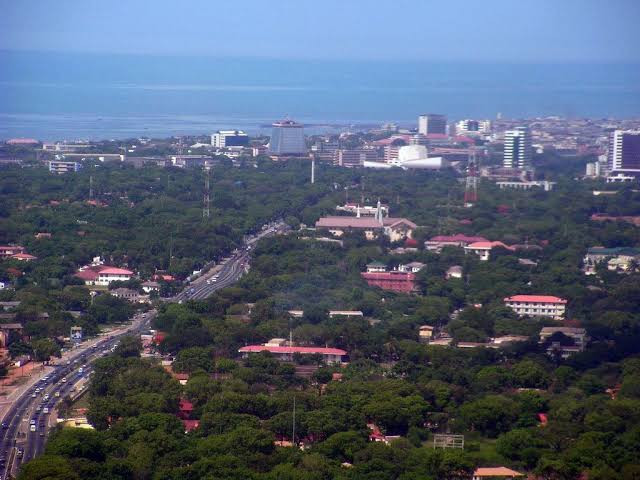
Porto-Novo
Benin's Cultural Capital with Rich Yoruba Heritage
Porto-Novo doesn't try to impress you. It just exists, quietly confident in its role as Benin's official capital, while Cotonou gets all the economic attention. And that's exactly what makes it special.
This is where you'll find the real Benin – not the sanitized version for tourists, but the living, breathing cultural heart of the country. The streets pulse with Yoruba traditions that crossed borders centuries ago. Colonial-era buildings lean against traditional compounds like old friends sharing stories.
Here's what Porto-Novo gives you: authentic West African city life without the chaos of larger capitals. The Musée Ethnographique sits steps from the bustling Ouando market. Portuguese colonial architecture frames views of Lake Nokoué. And you can walk from the royal palace to a traditional vodun shrine in fifteen minutes.
Most travelers skip Porto-Novo entirely, heading straight to Cotonou or the northern parks. Their loss. This city rewards the curious with experiences you simply can't find anywhere else in West Africa.
Best Months
JAN · FEB · MAR · NOV · DEC
~33°C · moderate crowds
Culture & Context
VODUN SPIRITS LIVE HERE
Porto-Novo goes by three names and that alone tells you something. Locals call it Hogbonou in Goun, Adjatchè in Yoruba, and Porto-Novo in French — each name a layer of the city's complicated, fascinating history. It's Benin's official capital, but you'd never clock that from the streets. Cotonou has the energy and the ministries. Porto-Novo has the museums, the colonial mansions with peeling paint, and the quiet. It rewards slow travelers, not people trying to tick boxes.
The Afro-Brazilian influence here is real and visible. In the 19th century, freed slaves returned from Brazil and rebuilt lives here, bringing tiled verandas, ornate facades, and wrought-iron balconies. Walk the Quartier Brésilien and you'll understand why the architecture looks nothing like the rest of West Africa. The Great Mosque, built between 1912 and 1935, mixes Soudano-Sahelian and Afro-Brazilian styles in a way that makes you do a double-take.
Vodun is not a museum piece here. It's Tuesday. The Zangbeto are "guardians of the night" — masked Vodun entities that still symbolically protect neighborhoods. The Egungun are ancestral spirits who appear through sacred masked performances. Attend respectfully, follow your guide's lead, and do not photograph without explicit permission. This is not performance art for tourists; it's active spiritual life. The city holds Yoruba, Goun, Fon, and Adja communities, plus a Catholic cathedral, a grand mosque, and Vodun temples all within walking distance of each other. That coexistence is old and it's genuinely held.
Local Customs
GREET BEFORE ASKING
Always greet before asking for anything — jumping straight to a question without a greeting reads as rude. A simple 'Bonjour' goes a long way before any transaction.. Dress modestly around temples, mosques, and the Royal Palace.
Knees and shoulders covered is the baseline.. Photography around government buildings (the National Assembly, colonial administrative offices) can get you in trouble. Ask your guide before pointing a camera anywhere official..
If you visit a Vodun ceremony or sacred site, follow your guide's lead precisely. Do not touch masks, sacred objects, or altars unless explicitly invited.. Accept water if offered in someone's home — refusing is considered impolite.
If it's mealtime and you're invited to eat, joining the meal is the respectful move.. Zemidjans (motorcycle taxis) are everywhere. Always negotiate the price before you get on, not after.
Prices aren't posted anywhere.. Family titles matter. Once someone has children, they're often called Maman [child's name] or Papa [child's name] rather than their first name.
Using that form shows you understand local social structure.. The word 'Yovo' (foreigner) shouted at you, especially by kids, is not an insult — it's just observation. Smile back..
Wearing the same fabric pattern as others at a funeral or ceremony signals solidarity with the family. If you're invited to a memorial event, ask if there's a designated fabric color.
Safety
SAFE UNTIL DARK
Porto-Novo is genuinely one of the safer capitals in West Africa. Crime against tourists is uncommon, and the city has a slow, residential feel that makes it feel low-threat during the day. But a few things to keep in mind.
After dark, the city gets quiet fast and streets are poorly lit in most areas outside the center. Stick to well-trafficked streets at night and don't walk unfamiliar routes alone after 9pm. It's not that things necessarily happen — it's that the combination of darkness and emptiness makes it harder to get help if you need it.
Scams are rare but not zero. The classic is an overly friendly local who inserts themselves as your unsolicited guide, walks you to a shop or attraction, then expects payment. Trust your gut. Politely decline help you didn't ask for if it feels pushy.
Health-wise: malaria is present. Take prophylactics, use repellent especially at dusk, and sleep under a net if your accommodation doesn't have screened windows. Yellow fever vaccination is mandatory for entry (not optional). Healthcare in Porto-Novo is basic — serious medical issues require evacuation to Cotonou or further. Travel insurance that covers medical evacuation is not optional here, it's just what you do.
Getting Around
ZEMIDJANS & WALKING
You land in Cotonou — Porto-Novo does not have its own international airport. The two cities are about 32km apart and the ride takes 45–60 minutes depending on traffic. Shared bush taxis and minibuses run this route regularly and cost a few thousand CFA. Private transfers are smoother but cost more. During festival season (especially January), book your transfer in advance.
Inside Porto-Novo, Zemidjans (motorcycle taxis) are the default. They go everywhere, they're cheap (200–500 CFA for short hops), and they're fast. Agree on the price before you get on. There are also shared taxis connecting major neighborhoods and the market districts.
The city is compact enough to walk large sections of the historic center, though sidewalks can be uneven and the heat is real. Comfortable closed-toe shoes beat sandals here.
A World Bank and Asian Infrastructure Investment Bank-backed project called the Grand Nokoué Sustainable Urban Mobility Project launched in 2025 is working on road and waterway infrastructure improvements across Porto-Novo and four other communes. Expect some construction disruption in certain areas, but also some improved routes by the time you visit.
For day trips to Adjara (10km, craft market), Ganvié lake village, or Cotonou's Dantokpa market, hire a local driver through your accommodation — it's worth paying for the convenience and local knowledge.
Useful Phrases
Money-Saving Tips
- 1.Carry small bills – vendors rarely have change for large notes
- 2.Bargain at markets but not in shops with fixed prices
- 3.Shared taxis cost 150 CFA within the city, zemidjan 200-500 CFA
- 4.Budget 15,000-20,000 CFA per day for food, transport, and basic expenses
- 5.ATMs exist but often run out of cash – bring euros or dollars to exchange
- 6.Tip guides 1,000-2,000 CFA for half-day tours
- 7.Local phone SIM cards cost 1,000 CFA with decent data packages
Travel Tips
- •Learn basic French phrases – English speakers are rare outside hotels
- •Carry your passport always – police checkpoints are common
- •Yellow fever vaccination is mandatory for entry
- •Download offline maps – GPS signals can be spotty
- •Respect photography rules at religious sites and markets
- •Dress conservatively, especially when visiting traditional areas
- •Malaria prophylaxis is essential – consult your doctor before traveling
- •Keep copies of important documents in separate bags