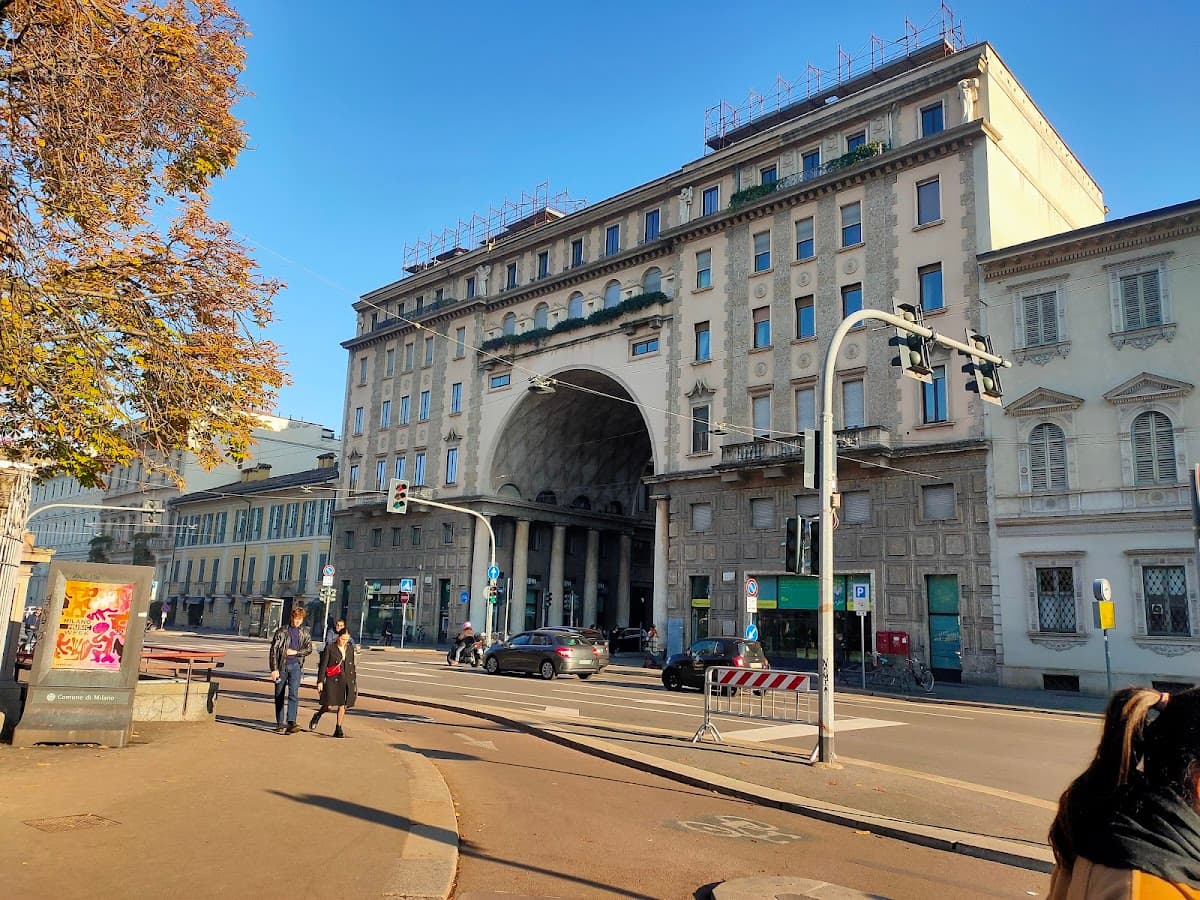
Quadrilatero della Moda
Milan's golden rectangle of haute couture luxury
Four streets. Four sides of a rectangle. One address that makes fashion editors weak at the knees. The Quadrilatero della Moda — bounded by Via Montenapoleone, Via della Spiga, Via Sant'Andrea, and Via Borgospesso — is where Milan shows off its serious fashion credentials. This isn't just shopping. It's a pilgrimage to the temples of Italian style, where a simple black dress costs more than most people's rent and window displays change like art installations. But here's what the guidebooks won't tell you: the real magic happens between the flagship stores, in century-old cafés where designers still sketch over espresso and family-run ateliers that have been dressing Milan's elite for generations.
Culture & Context
COLONIAL TEA & MYTHOLOGY
Ella sits at 1,041 meters in Sri Lanka's Uva Province, and the altitude genuinely changes the feel of the place. It's cooler, quieter, and slower than the coast. The town has deep ties to two very different things: British colonial tea history and ancient Hindu mythology.
The famous Nine Arch Bridge, completed in 1921 using only brick and cement (no steel, because WWI made it impossible to source from Europe), is a daily reminder that this was once working imperial infrastructure. The Ramayana connection runs just as deep locally. According to folklore, the demon king Ravana hid Princess Sita in caves behind Ravana Falls, and locals take this story seriously.
It's not a tourist gimmick here. Buddhist temples dot the surrounding hills, and full moon Poya days bring quiet reverence to towns across Sri Lanka. Ella itself has a relatively young tourist identity.
It was a straightforward hill country town until the train photos went viral and the backpacker crowd arrived. The locals adapted quickly, and now the main street mixes family-run rice-and-curry joints with third-wave coffee spots. There's tension there sometimes.
Long-term residents watch prices climb while the town gets more crowded. Acknowledge that, tip well at the small places, and buy your produce from roadside stands rather than supermarkets.
Local Customs
SHOES OFF, AYUBOWAN GREET
Remove your shoes (and hat) before entering any Buddhist temple or Hindu kovil. No exceptions. Some temples have shoe racks at the entrance, others don't.
White socks are a practical option on hot stone floors.. Cover shoulders and knees at religious sites. A light sarong is the single most useful thing to pack.
Buy one locally for a few hundred rupees and keep it in your day bag. It takes 10 seconds to throw on.. Never pose with your back to a Buddha statue for photos.
Beyond being disrespectful, it marks you as someone who didn't bother to learn the basics.. The traditional greeting is 'Ayubowan' (hands pressed together, slight bow, meaning 'may you live long'). Use it when meeting guesthouse owners, local guides, or older Sri Lankans.
It earns immediate goodwill.. Public displays of affection are frowned upon. Holding hands in tourist areas is generally fine; anything more visible is not..
Tipping is not mandatory in Sri Lanka but is genuinely appreciated, especially in smaller family-run spots. Around 10% at restaurants is a good benchmark. Always tip your tuk-tuk driver if they were helpful and honest..
On full moon Poya days, alcohol sales are officially banned across Sri Lanka. Some tourist-facing establishments quietly ignore this, but don't count on it. Stock up the day before if it matters to you..
Don't hand out money, sweets, or pens to children who ask. It encourages a begging culture that locals themselves find embarrassing. If you want to support local schools, donate to a recognized community organization instead..
Bargain politely at local markets and with tuk-tuk drivers not using the app. Keep it friendly. Pushing hard for the last 50 rupees on a $2 ride just isn't worth it..
Eat with your right hand if eating local-style. Most tourist restaurants provide cutlery regardless, but making the effort at a proper rice-and-curry spot is noticed and appreciated.
Safety
GENERALLY SAFE, WATCH DETAILS
Ella is genuinely safe. Petty crime is rare and violent crime toward tourists is extremely uncommon. That said, a few things worth knowing.
Tuk-tuk overcharging is the most common issue. Drivers near popular spots like the Nine Arch Bridge often avoid the PickMe app so they can set their own prices. Ask your guesthouse what a fair fare is before you go.
The Ella Rock hike involves walking along active train tracks and then ascending through forest with multiple branching paths. Trails are not well signed. Hiring a local guide for your first time is a practical choice, not just a tourist upsell.
Start the hike by 6am to avoid midday heat and mist. Don't attempt Ella Rock in heavy rain. The descent gets slippery and dangerous fast.
Leeches appear on the tea plants and lower trails after significant rainfall. They're harmless but annoying. Tuck your trousers into your socks or spray with insect repellent.
Cash is king for small vendors, tuk-tuks, and market stalls. ATMs are available in Ella town center but can run out of cash on busy weekends. Carry enough rupees for a full day before heading out on longer hikes.
Large-scale political demonstrations occasionally happen in Sri Lanka but rarely affect Ella. Monitor local news if you're visiting during politically sensitive periods.
Getting Around
TRAIN OR TUK-TUK
The iconic way into Ella is by train from Kandy (6-7 hours) or from Nuwara Eliya/Nanu Oya (about 2 hours for the most scenic section). Book second-class reserved seats on the Sri Lanka Railways website or through a reputable agent. These sell out weeks in advance in high season.
Second-class reserved means you get the open-door carriages for those photos everyone's seen. Third class is a fraction of the price ($0.50 from Nanu Oya) but no reserved seat.
There is no airport in Ella. If Colombo is your entry point, a private taxi runs around 16,000 LKR ($50-55 USD) for the 6-hour drive. It's faster than the train but considerably less interesting.
Within Ella, walking covers most of the central area easily. The town is compact. Nine Arch Bridge is a 2km walk from the station; there's a scenic jungle path called 'Nine Arches Bridge Natural Rd' that's much better than walking the tracks.
Tuk-tuks handle everything else. Use the PickMe app for fair metered pricing. Ravana Falls is a 10-minute tuk-tuk ride from the center.
Diyaluma Falls (Sri Lanka's second-highest waterfall, worth a half-day) is about 1 hour by tuk-tuk or local bus toward Wellawaya. For day trips to Yala National Park or the south coast, private vehicles or organized tours are the practical option.
Useful Phrases
Itineraries coming soon
We're working on adding amazing itineraries for Quadrilatero della Moda. In the meantime, try the app to create your own!
Money-Saving Tips
- 1.Shop during January and July sales when even Prada marks down 50% — but arrive early as the best pieces disappear fast
- 2.Many boutiques offer tax-free shopping for non-EU residents, saving you 22% on purchases over €155
- 3.Eat lunch at Il Salumaio di Montenapoleone for €15 paninos instead of €50 restaurant meals between shopping sessions
- 4.Book hotels outside the district and walk in — you'll save €200+ per night and the area is totally walkable
- 5.Hit the outlet stores in Serravalle (90 minutes away) for 70% off designer pieces if your budget is tight
- 6.Many ateliers offer bespoke services that cost less than ready-to-wear pieces from major brands
Travel Tips
- •Dress well — seriously. Shop assistants judge books by covers and service reflects your appearance
- •Learn basic Italian greetings; many boutique staff appreciate the effort and provide better service
- •Carry a small bag for purchases; many stores provide beautiful packaging that's worth preserving
- •Make appointments at high-end boutiques, especially during fashion week when walk-ins get ignored
- •Download store apps before visiting — many offer exclusive access to private sales and events
- •Wear comfortable walking shoes; cobblestones and heels don't mix well during long shopping sessions
- •Bring a portable phone charger; you'll be taking photos and using maps constantly
- •Keep receipts organized for tax-free shopping claims at the airport
Frequently Asked Questions
Explore Quadrilatero della Moda
BUILD YOUR
QUADRILATERO DELLA MODA PLAN
Insider picks, smart timing, and a plan ready when you are.
Start Planning