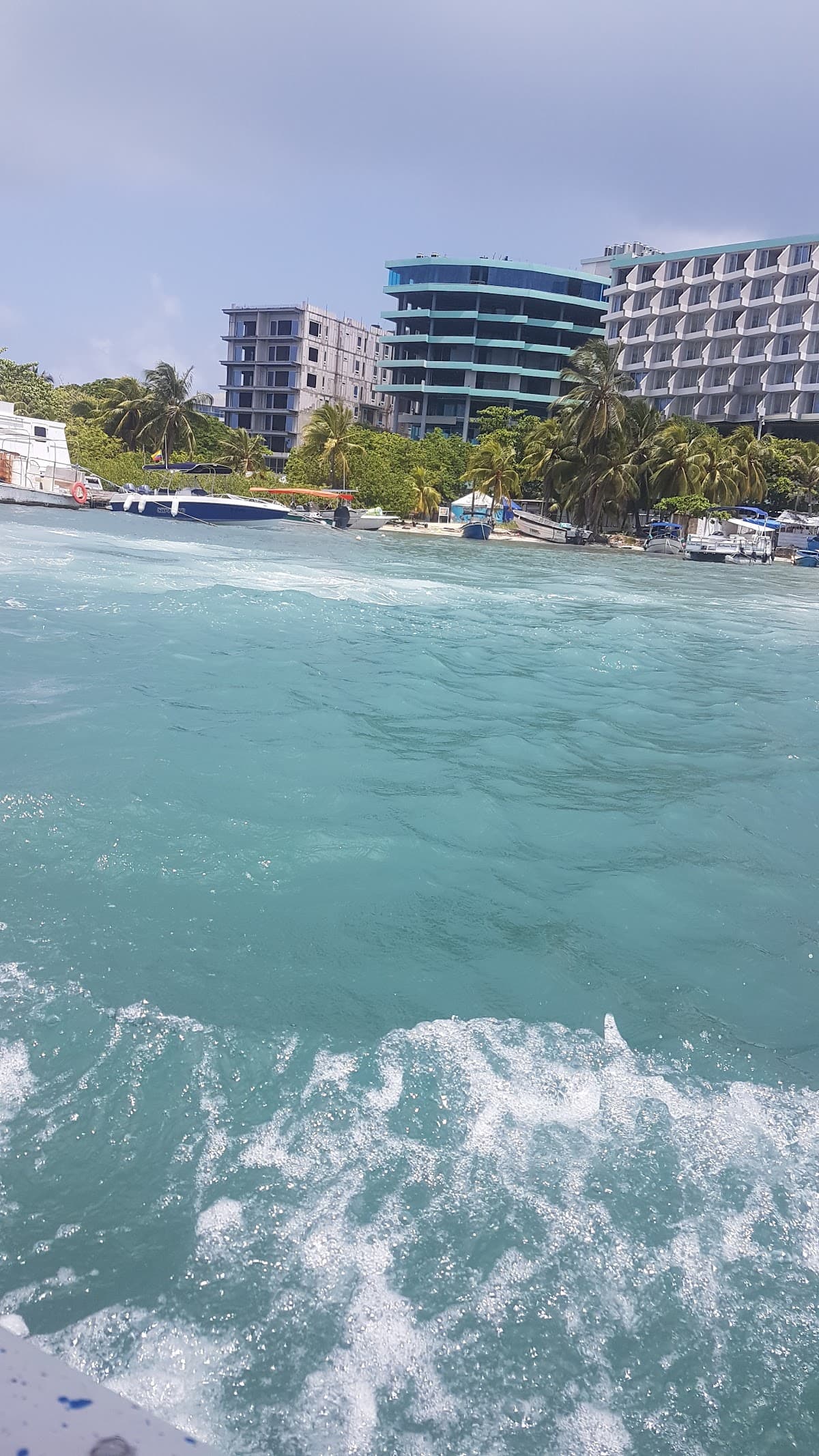
San Andrés
Caribbean island paradise with duty-free shopping and crystal waters
San Andrés sits 120 miles off Colombia's coast, floating in the Caribbean like a forgotten postcard. This isn't your typical Colombian destination — English and Creole mix with Spanish on the streets, reggae flows from beach bars, and duty-free prices make shopping feel like winning the lottery. The water here shifts from turquoise to deep sapphire in ways that'll make you question if photo filters are even real. But here's the thing: San Andrés works because it doesn't try too hard. The beaches are stunning without being overdeveloped. The nightlife pulses without being overwhelming. And the shopping? Well, let's just say your suitcase might need an upgrade for the return trip.
Best Months
JAN · FEB · MAR · APR · DEC
~29°C · high crowds
Culture & Context
CARIBBEAN MEETS COLOMBIA
San Andrés is legally Colombian but culturally it might as well be a different country. This 27 km² coral speck sits 775 km northwest of Bogotá, much closer to Nicaragua than to the mainland, and that geographic reality shows in everything. The Raizal people, descendants of English-speaking Caribbean settlers, Jamaican laborers, and Afro-Caribbean communities, have their own distinct language.
Creole (locally called "Bende") is an English-based creole that sounds closer to Jamaican patois than anything you'd hear in Bogotá. Step into a taxi and the radio crackles Creole English while the driver hands you a duty-free receipt in pesos. The whole island does that: Baptist church pews dating to 1847, reggae on the beach bars, and Colombian bureaucracy at the airport.
The island is a UNESCO Seaflower Biosphere Reserve, a free-trade zone, and the primary vacation spot for Colombians who want a Caribbean fix. That last fact matters. This is not a backpacker hideout.
During Semana Santa and Colombian holiday puentes, it floods with mainland tourists, traffic builds on the one ring road, and beach space gets tight. But arrive in September and you get the Green Moon Festival crowd instead, which is a much better crowd.
Local Customs
RONDÓN & WAYOO
Rondón is the island's defining dish, a coconut-milk seafood stew with conch, fish, cassava, green plantain, and yam, slow-cooked and deeply local. Every family version is slightly different. Order it in La Loma, not in the tourist restaurants near the pier.
And if the conch shell is closed when your ceviche arrives, send it back: only pre-frozen meat doesn't open. Fresh conch is cracked moments before serving.. The island is a duty-free zone, which means big shopping centers sell booze, electronics, and perfume at reduced prices.
This is a major draw for Colombian tourists. Don't be surprised to see more shopping mall energy than beach shack energy in El Centro.. Raizal people have deep connections to their Baptist faith.
The First Baptist Church in La Loma holds services that have been running since the 1840s. Dress modestly if you visit and treat it as a living community space, not just a photo stop.. The Green Moon Festival's unofficial greeting is 'Wayoo, wayoo!
' You'll hear it everywhere during September. Use it back and you'll get a smile.. Golf carts stop for iguanas.
This is just how it works. Johnny Cay has a community of iguanas that stroll onto the beach freely. Don't chase them, but feel free to let them photobomb your shots..
Avoid visiting during Colombian puente weekends (long holiday weekends) unless you genuinely enjoy very crowded beaches and backed-up traffic on a one-lane ring road.
Safety
VERY SAFE, WATCH BEACHES
San Andrés is one of the safest places in Colombia, full stop. Serious crime is genuinely rare, and the island's small scale and tight community make it feel far removed from the security concerns you'd have on the mainland. That said, petty theft on crowded beaches is the main thing to watch.
Leave your phone in the hotel safe when you go to the beach. Don't walk lonely coastal roads at night. Take a colectivo (5,000 COP) instead.
Stick to the Spratt Bight and hotel zones after dark if you're solo. The ocean itself is the bigger practical risk: currents can be strong on the exposed east side of the island, and around Johnny Cay boat traffic picks up during peak hours. The hurricane season runs June to November.
October and November see the heaviest rain and the highest hurricane risk. 2020's Hurricane Iota devastated the island and Providencia badly. Weather forecasts matter more here than in most Caribbean destinations.
Getting Around
GOLF CARTS RULE
Golf carts are the move. Seriously. The whole island is 27 km² with a single paved ring road.
You can circumnavigate it in about two hours by golf cart, stop whenever you want, and it's genuinely fun. Rentals are all over El Centro. Motorbikes and scooters run about 100,000 COP ($25 USD) per day.
Ask specifically about helmets because they often aren't included. The public bus system, run by Coobusan, covers the main routes for about 2,900 COP ($0.75 USD) per trip and is perfectly fine for getting between El Centro, La Loma, and San Luis.
Taxis exist but thin out quickly outside downtown. Colectivos cost around 5,000 COP and are the local's preferred way to move at night. Skip walking lonely coastal roads after dark.
Useful Phrases
Money-Saving Tips
- 1.Duty-free shopping saves 20-30% on electronics, perfumes, and alcohol compared to mainland Colombia prices
- 2.Bring cash in Colombian pesos — many local businesses don't accept cards, and ATMs charge high fees
- 3.Eat at local sodas (small restaurants) instead of hotel restaurants to cut meal costs by 50%
- 4.Book accommodation directly with hotels to avoid booking platform fees, often saving 10-15%
- 5.Rent scooters by the week (250,000 pesos) instead of daily to get better rates for longer stays
- 6.Buy snorkeling gear at duty-free shops rather than renting from tour operators
- 7.Take chiva buses (3,000 pesos) instead of taxis for short trips around the island
Travel Tips
- •Pack reef-safe sunscreen — the coral reefs are protected and chemical sunscreens are discouraged
- •Learn basic Spanish phrases, though many locals speak English and Creole
- •Bring a waterproof phone case for boat tours and water activities
- •Download offline maps — cell service can be spotty away from town
- •Pack light, breathable clothing and a rain jacket for afternoon showers
- •Respect local culture — this is a UNESCO Biosphere Reserve with strong environmental protections
- •Book popular restaurants in advance during peak season (December-April)
- •Carry small bills — street vendors and small shops often can't break large notes