Santo Antão
Dramatic volcanic landscapes perfect for epic hiking adventures
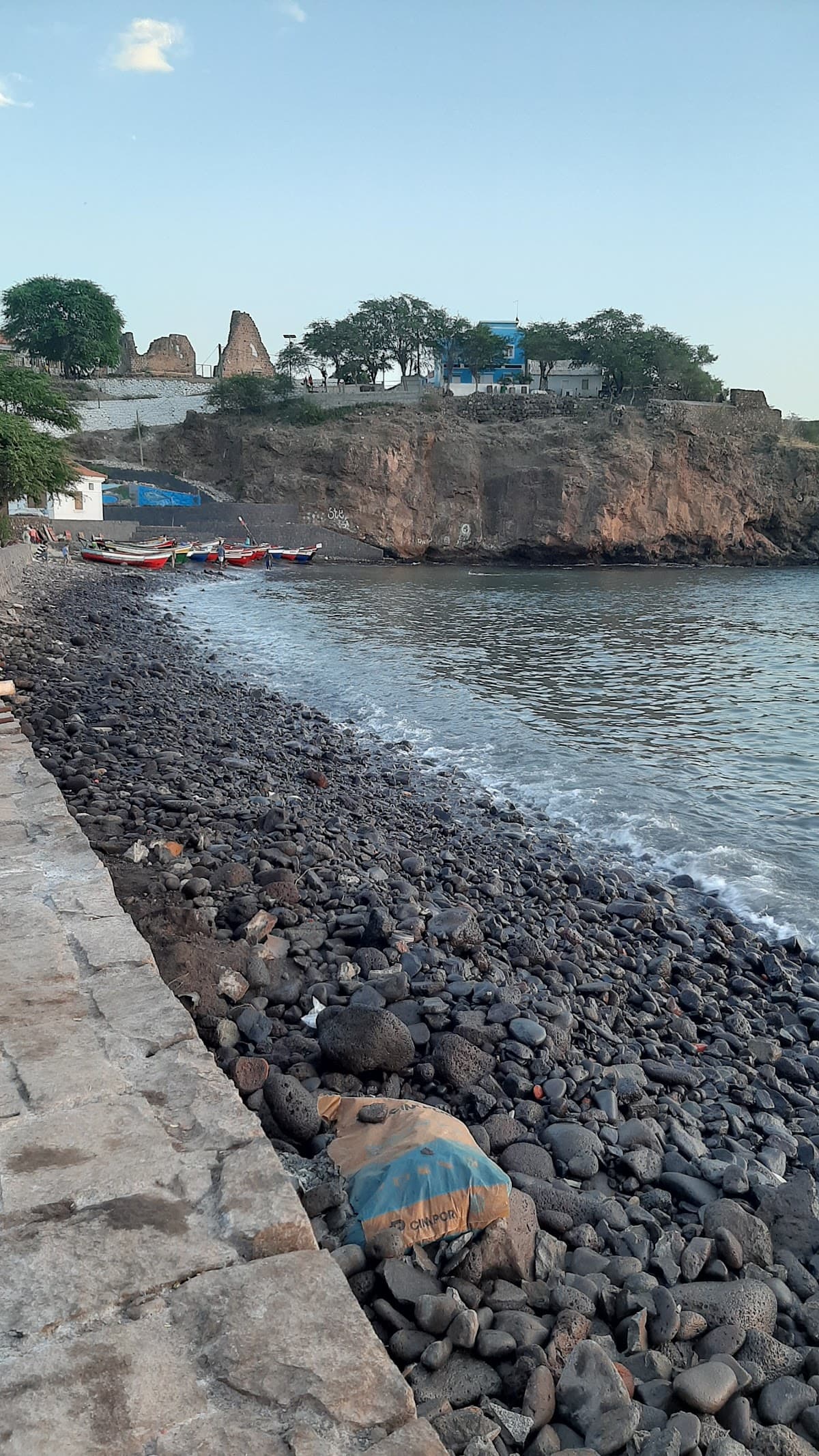
Santo Antão isn't your typical tropical getaway. This volcanic giant rises from the Atlantic like a green fortress, carved by centuries of wind and rain into some of the most dramatic hiking terrain you'll find anywhere. The island's spine runs east to west, creating two completely different worlds - the lush, terraced valleys of the north where sugarcane grows wild, and the stark desert landscapes of the south that feel more Mars than Cape Verde.
Most people skip Santo Antão for the beaches of Sal or Boa Vista. Their loss. Here's where serious hikers come to test themselves against ancient volcanic ridges and descend into valleys so green they seem impossible in the middle of the Atlantic. The trails range from gentle walks through banana plantations to full-day expeditions that'll leave your legs screaming and your camera full.
But Santo Antão rewards the effort. You'll find yourself alone on mountain peaks with views that stretch to the horizon, sharing grogue (local rum) with farmers who've never seen a tourist, and sleeping in villages where the loudest sound is goats bleating at dawn. This is Cape Verde's wild heart, and it beats to a rhythm all its own.
Best Months
JAN · FEB · MAR · APR · MAY · NOV · DEC
~27°C · high crowds
Culture & Context
AGRICULTURAL SOUL, WARM HEARTS
Santo Antão sits at the northwest tip of the Cape Verde archipelago, about 36,000 people spread across craggy mountains, deep green valleys, and a handful of coastal towns. It's the agricultural powerhouse of Cape Verde. While Sal has the resorts and Mindelo has the music scene, Santo Antão grows the food: sugar cane, bananas, mangoes, cassava, and tomatoes terraced into slopes that most farmers anywhere else would call impossible.
The concept of "morabeza" (the Cape Verdean spirit of warm hospitality) is not a tourism tagline here. It's how people actually behave. Strangers greet you in the street.
Farmers wave from their fields. A taxi driver doubles as a local historian. The island runs on two languages: Portuguese for official business and schooling, and Barlavento Kriolu (the northern Cape Verde Creole dialect) for everything else.
Don't expect English outside guesthouses. But look, a few words of Portuguese or Kriolu opens doors that a guidebook never will. The island's grogue (sugarcane rum) is considered the best in Cape Verde.
You can tour the trapiches (traditional distilleries) in the Paúl Valley between January and June when cane is being pressed. Sodade, the Cape Verdean feeling of bittersweet longing for home and those who've emigrated, runs deep in the culture here. It comes up in conversations, in music, in the way older residents talk about relatives abroad.
Local Customs
GREET EVERYONE, SAY ALUGUER
Greetings matter more than you expect. Walking past someone without saying Bom dia is considered rude, even strangers on a hiking trail. Say hello to everyone..
Always ask for an 'aluguer colectivo' when you want shared transport. If you just say 'aluguer,' some drivers will quote you a full private taxi fare. The shared rate is dramatically cheaper..
Cash only culture. Even in guesthouses that technically accept cards, the machine is often broken or Wi-Fi is down. Withdraw escudos in Porto Novo or Ribeira Grande before heading anywhere remote..
Sundays are slow transport days. Aluguers run less frequently. If you need to catch the morning ferry on a Sunday, arrange your ride the night before..
Trapiche visits (rum distilleries) run January through June when sugarcane is being pressed. Outside that window, the machinery is idle. Ask guesthouse owners which ones are currently operating..
Tipping is not obligatory but appreciated. Rounding up a bill or leaving a few hundred escudos for a guide who went above and beyond is the norm.. Mountain temperatures drop at night, especially at elevation.
Packing a layer surprises many people who arrive expecting only tropical heat.. Don't rush aluguers. They leave when full.
Sitting in a shared van waiting for it to fill up is part of the experience, not a malfunction.
Safety
MOUNTAIN ROADS DEMAND RESPECT
Santo Antão is genuinely one of the safer places in Cape Verde. The US State Department rates Cape Verde broadly at Level 1 (exercise normal precautions), with most caveats directed at Praia on the capital island. Here, the island runs like a small community where people know each other. That said, a few real risks exist.
Mountain roads are narrow and winding, particularly on the old cobblestone route. If you're in an aluguer, the drivers know what they're doing. If you're renting a car yourself, don't underestimate how technical the roads get. Stray dogs and goats wander onto roads, especially at night.
For hikers, the main risk is going unprepared. Download offline maps before heading out because signal drops to nothing in the deep valleys and on ridge trails. Bring more water than you think you need. Some trails are not marked, and getting turned around in the mountains is a real possibility. Independent hiking is fine on the main routes (Cova to Paúl, Fontainhas coastal trail). For the western valleys or remote routes, a local guide is worth the €15-30/day.
Petty theft is minimal here compared to the tourist islands. But basic precautions apply: don't leave bags on beaches or in visible spots in vehicles, and carry a copy of your passport rather than the original when hiking. Medical facilities on the island are very limited. Serious emergencies require evacuation to São Vicente or Santiago.
Getting Around
FERRY, THEN SHARED MINIBUSES
There is no airport on Santo Antão. The old landing strip near Ponta do Sol was abandoned years ago. A new airport has been planned for years (construction was supposed to begin in 2025) but nothing has happened yet. For now, the only way in is the ferry from Mindelo on São Vicente. It takes about an hour and costs around CVE 1,100 (~€10) one way. Ferries run roughly four times daily in both directions. Book ahead during festivals, especially São João in June.
Once on the island, aluguers (shared minibuses) are your main option. They run fixed routes from Porto Novo to Ribeira Grande, Ponta do Sol, and Paúl. They depart when full, not on a schedule. Porto Novo to Ponta do Sol costs CVE 500 (~€4.50). Ribeira Grande to Paúl costs around CVE 100. The coastal road (new road) is faster and cheaper. The old cobblestone mountain road is spectacular and worth taking at least once, but fares on that route are significantly higher.
Here's the thing every guide forgets to mention: taxis and aluguers use the same vehicles. The price difference is enormous. The trip from Ponta do Sol to Porto Novo by shared aluguer costs CVE 1,100. By private taxi, the same trip runs CVE 4,500. Always say "aluguer colectivo" out loud.
Car rental is possible but the mountain roads are steep, narrow, and cobbled in places. Only consider it if you're a confident driver on challenging terrain. A 4x4 runs about €50-70/day. Most travelers find a combination of aluguers and the occasional hired driver far less stressful.
Useful Phrases
Money-Saving Tips
- 1.Bring euros in cash - ATMs are scarce outside Porto Novo and often run empty during peak season
- 2.Negotiate aluguer (shared taxi) prices before getting in - tourists often get quoted double the local rate
- 3.Buy ferry tickets in person at the port, not online - the booking system frequently crashes and overcharges
- 4.Stock up on snacks and water in Porto Novo before heading to remote areas - village shops charge premium prices
- 5.Hire local hiking guides through your accommodation rather than tour companies - you'll pay half the price and get better local knowledge
- 6.Eat at local family restaurants instead of hotel dining rooms - meals cost 8-12 euros vs 20-25 euros
- 7.Fill up your rental car tank in Porto Novo - gas stations in smaller towns often run dry or charge more
Travel Tips
- •Pack a headlamp and power bank - electricity cuts happen regularly, especially during rainy season
- •Bring reef-safe sunscreen - the volcanic sand reflects heat and you'll burn faster than expected
- •Download offline maps before arriving - cell coverage is spotty in the mountains and valleys
- •Start hikes early (6-7am) to avoid afternoon heat and catch the best light for photography
- •Learn basic Portuguese phrases - English isn't widely spoken outside tourist accommodations
- •Pack quick-dry hiking clothes - humidity stays high and laundry takes forever to dry
- •Bring water purification tablets - tap water quality varies and bottled water isn't always available in remote areas
- •Respect local customs in villages - ask permission before photographing people and dress modestly when visiting churches
- •Check ferry schedules the day before travel - weather can cancel services with little notice