Seville
Andalusia's passionate heart of flamenco, tapas and Moorish splendor
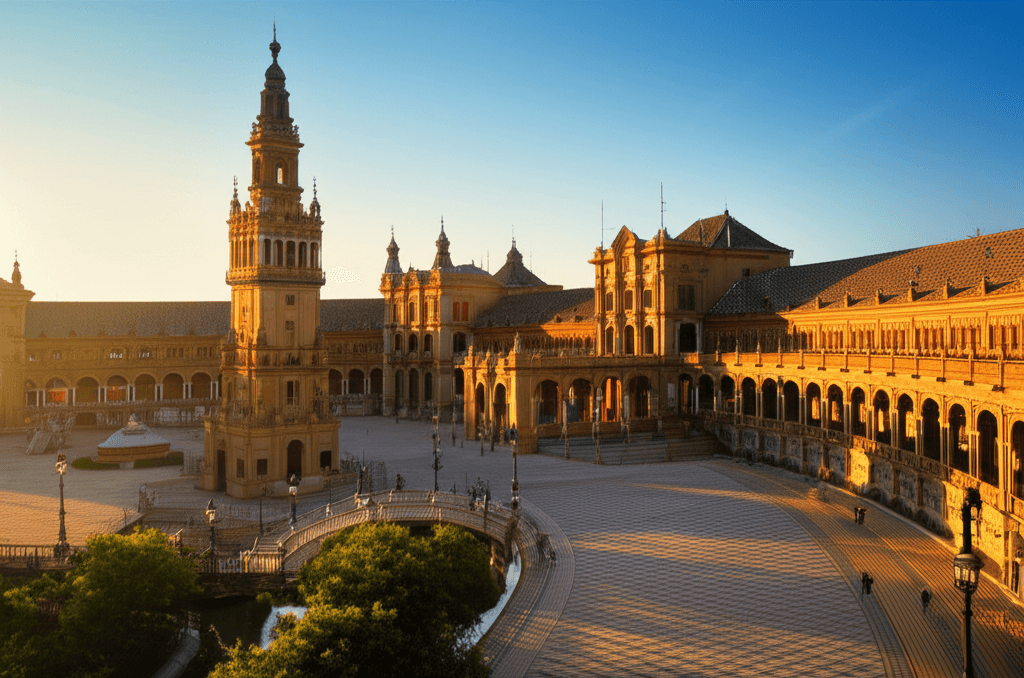
Seville hits you like that first sip of gazpacho on a sweltering afternoon — cool, complex, and completely addictive. This is where flamenco was born, where the scent of orange blossoms drifts through medieval streets, and where every corner café serves jamón that'll ruin you for the stuff back home.
The Alcázar's intricate tilework tells stories of Moorish rulers, while the Cathedral's Gothic spires pierce an impossibly blue sky. But here's what guidebooks won't tell you: Seville's real magic happens after dark, when locals emerge for their evening paseo and the tapas bars fill with laughter that echoes off ancient stone walls.
Sure, summers can feel like standing inside an oven. And yes, the tourist crowds around the Cathedral can test your patience. But catch Seville during shoulder season, when temperatures hover around 70°F and the city belongs to locals again, and you'll understand why people fall so hard for this place they never quite recover.
Best Months
MAR · APR · MAY · SEP · OCT · NOV
~24°C · moderate crowds
Culture & Context
ANDALUSIAN TIME RULES
Seville runs on Andalusian time, and that's not a metaphor. Lunch doesn't start until 2–3pm. Dinner before 9pm marks you as a tourist immediately.
The sweet spot for dinner is closer to 10pm, when the locals actually show up. Bars are family spaces here — don't be surprised to see kids out past midnight on a Friday. That's normal.
Coffee comes in a small glass called a vaso de caña, not a mug. Order it that way. Locals drink tinto de verano (red wine with lemon soda) far more than sangria, which is basically a tourist export.
The siesta is real for small shops, roughly 2–5pm, so plan your errands accordingly. Supermarkets close on Sundays. Flamenco is not a dinner show with paella.
Real flamenco is raw, unscripted emotion. Skip the tourist tablaos near the Cathedral and head to La Carbonería instead — it's tucked behind an unassuming gate in an old coal warehouse, no frills, deeply local. Tapas etiquette matters: a ración is a full plate, a media ración is half.
If you're bar-hopping for bites, ask '¿Tienen tapas?' first. Tipping is modest — round up or leave a few euros for good service.
Not expected the way it is in the US.
Local Customs
DINNER AT TEN PM
Meal times are non-negotiable. Lunch is 2–3pm. Dinner starts at 9pm, peaks at 10pm.
Show up at 7pm and you'll be eating alone surrounded by confused waitstaff.. Coffee comes in a small glass (vaso de caña), not a mug. That's how it's done..
Locals drink tinto de verano (red wine + lemon soda), not sangria. Ordering sangria is fine, but it signals tourist.. The siesta is real.
Small shops close roughly 2–5pm. Most supermarkets close entirely on Sundays.. Two cheek kisses is the greeting between acquaintances.
Personal space is closer than you might be used to — don't back away.. Don't over-tip. A few euros or rounding up is appreciated.
Percentage-based tipping is an American convention.. At tapas bars, eating standing at the bar is cheaper than sitting at a table or terrace. The terrace surcharge is real (€0.
20–0.60 per item).. When Semana Santa processions pass, be quiet and respectful.
Don't push through them for a shortcut.. Real flamenco is not at the tourist tablaos near the Cathedral. Head somewhere like La Carbonería for the authentic version..
Don't accept the 'free' rosemary sprigs near major tourist sites. It leads directly to a palm reading you'll be pressured to pay €10 for. Just keep walking.
Safety
WATCH FOR PICKPOCKETS
Seville is genuinely safe. Violent crime is rare. The real issue is pickpocketing — non-violent but consistently annoying in tourist-heavy zones.
Santa Cruz, Plaza de España, around the Cathedral and Alcázar, and crowded buses are the main hotspots. During Semana Santa and Feria de Abril, those already-crowded areas become extremely dense, which pickpockets love. Keep your phone out of your back pocket.
Bag in front of your body. Don't put anything valuable on tables or bar tops. The rosemary scam near the Cathedral is the oldest trick in the city — women hand you a sprig as a 'gift' then demand €10 for a palm reading and won't easily let go.
Firm 'no gracias' and keep walking. Avoid the Polígono Sur neighborhood (also called Las Tres Mil Viviendas) in the south — higher crime rates, zero tourist interest. Avoid the Santa Justa train station area late at night.
Summer heat is a genuine safety concern — temperatures regularly exceed 40°C in July and August. Dehydration and heat exhaustion are more likely risks than crime. Carry water, plan midday rest, go out early morning or after 7pm.
Licensed taxis are white with yellow stripes and use meters. Uber and Cabify also operate in the city, though driver availability can be limited. The SATE tourist assistance office helps with police reports in English if needed.
Getting Around
WALKABLE & COMPACT
Seville's historic center is compact and walkable — most major sights are within 20 minutes on foot from each other. That's genuinely the best way to see it. For longer distances, the city has a good network.
Single bus or tram ticket costs €1.40. A 72-hour unlimited travel pass is €10 — worth it if you're moving around a lot.
The SEVIci bike-sharing system covers the city with a solid network of dedicated lanes. The airport express EA Line bus is €6 and connects directly to the city center. Official taxis charge €1.
52 base fare plus €0.96/km. Uber and Cabify run about 15–30% cheaper but can have longer wait times.
For day trips, the Santa Justa train station handles high-speed AVE routes to Madrid and Barcelona, plus regional trains to Córdoba, Jerez (great sherry bodegas and horses), and Ronda. Book Alcázar and Cathedral tickets online well in advance — especially in spring. They genuinely sell out weeks ahead.
Download the TUSSAM app for real-time bus information.
Useful Phrases
Explore Neighborhoods

Explore the Region
Seville Itineraries
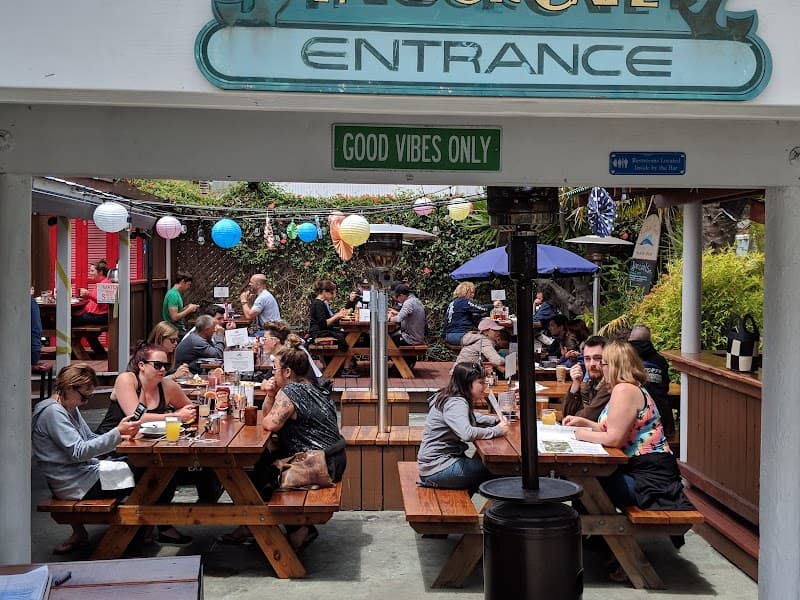
Coastal Calm: A Relaxing 3-Day Santa Cruz Getaway
Weekend · $$$
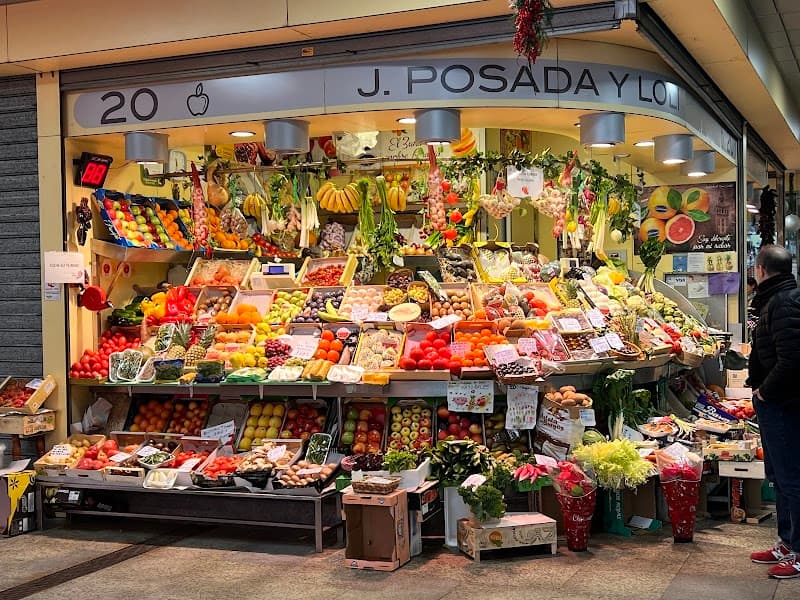
Seville's Golden Age: Culture, Cuisine & Flamenco for Couples
Weekend · $$$
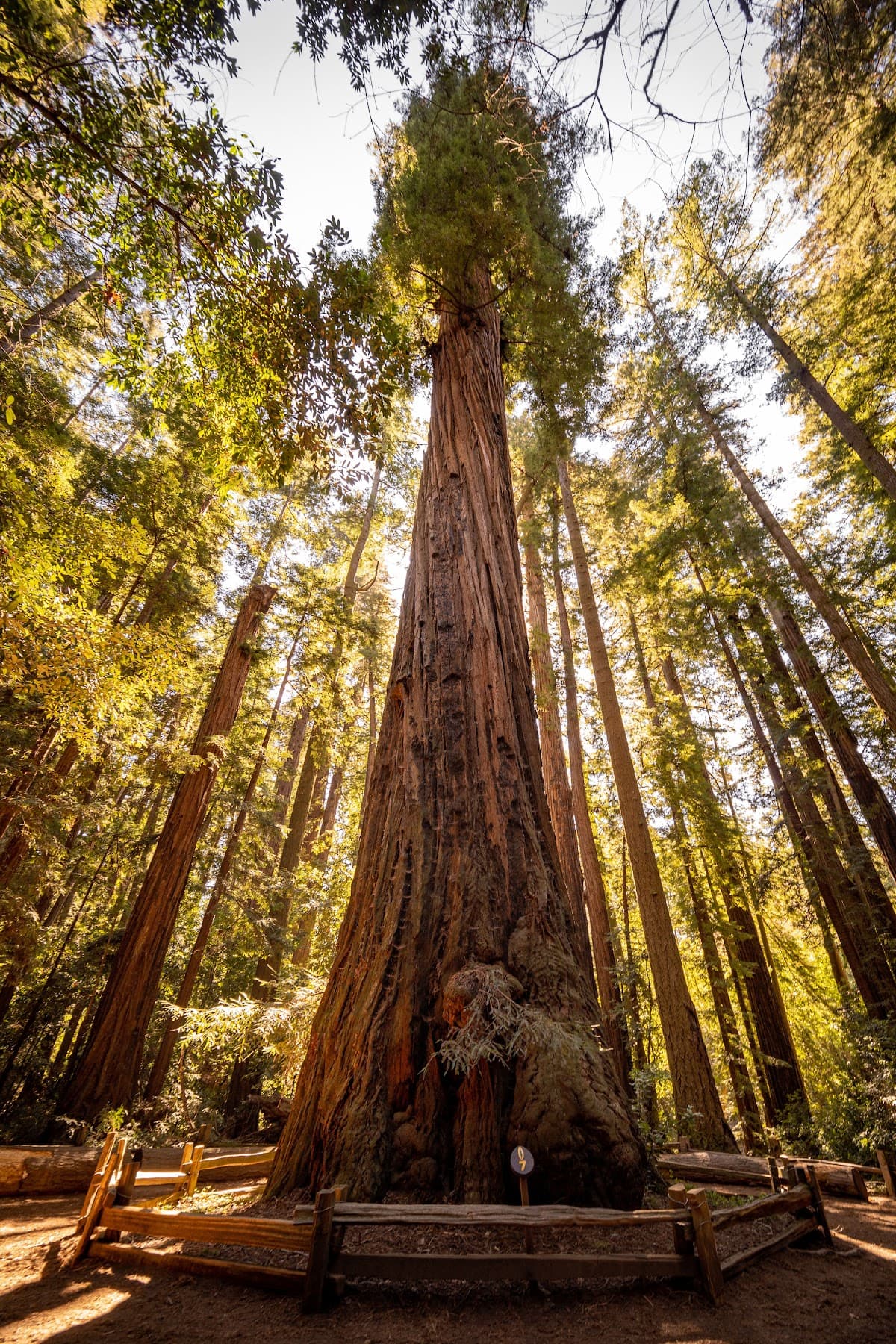
Jungle Wild Santa Cruz: Redwoods, Waves & Hidden Bites
Weekend · $$$
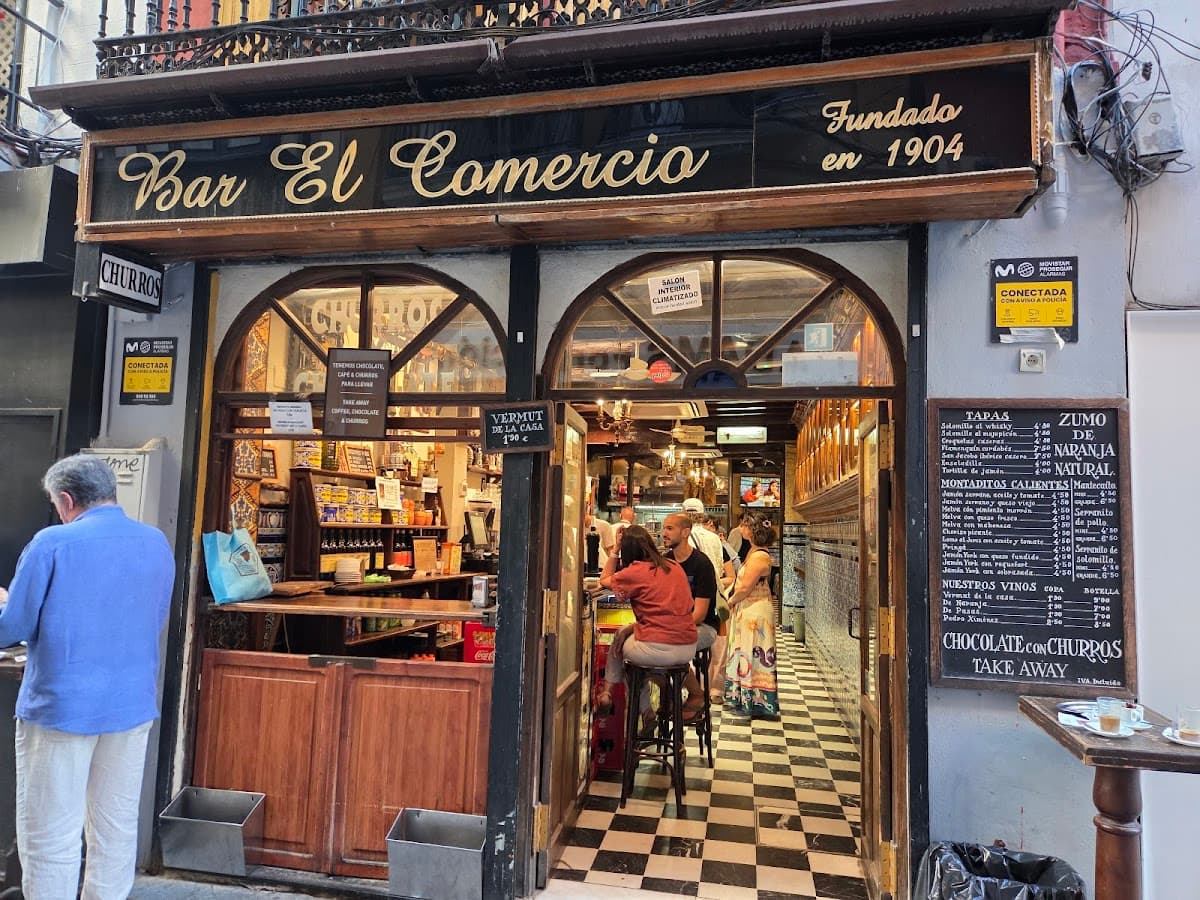
Family Treasures of Seville: 7-Day Value Itinerary
Week · $$
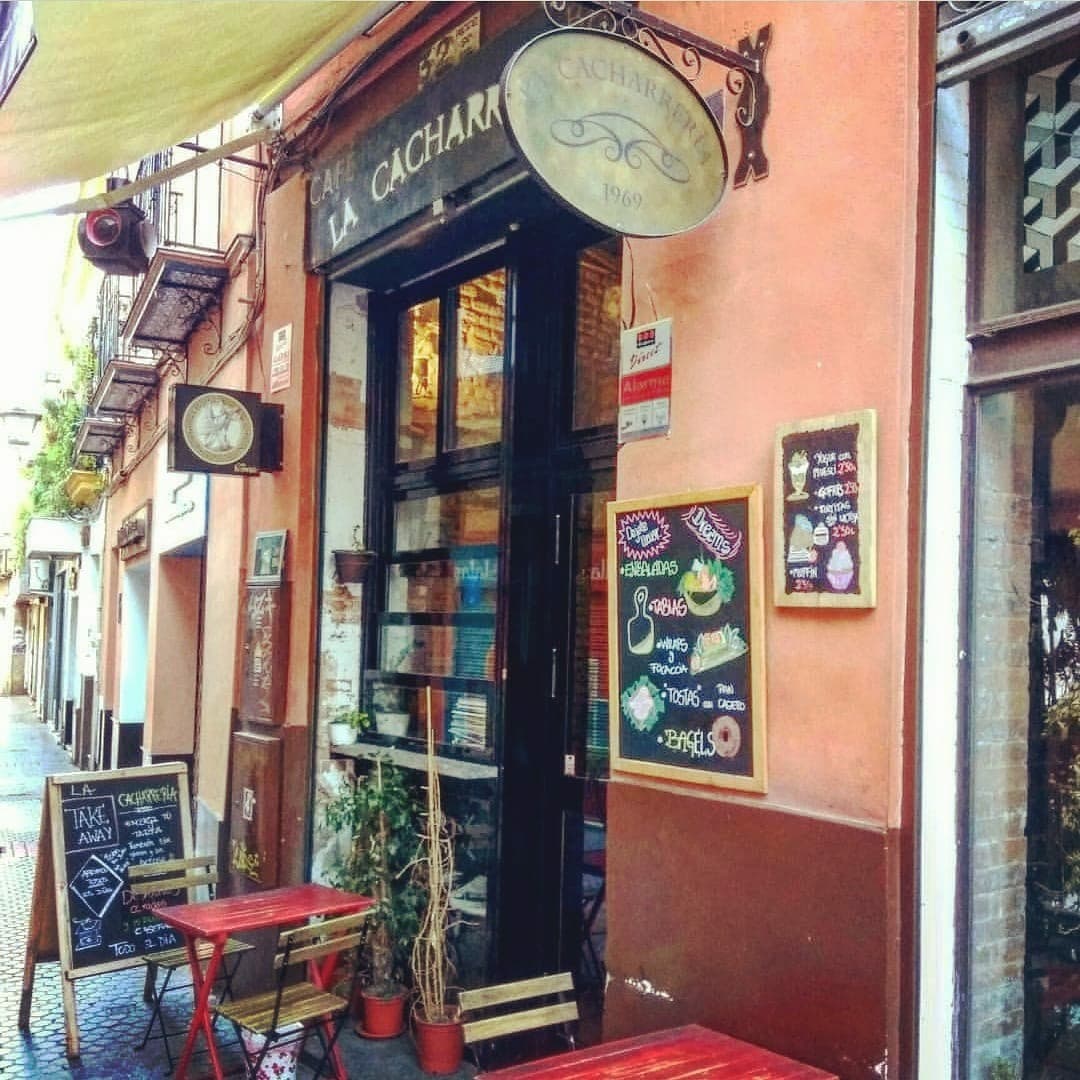
Family Weekend in Seville: History, Parks & Tapas
Weekend · $$
Things to Do in Seville
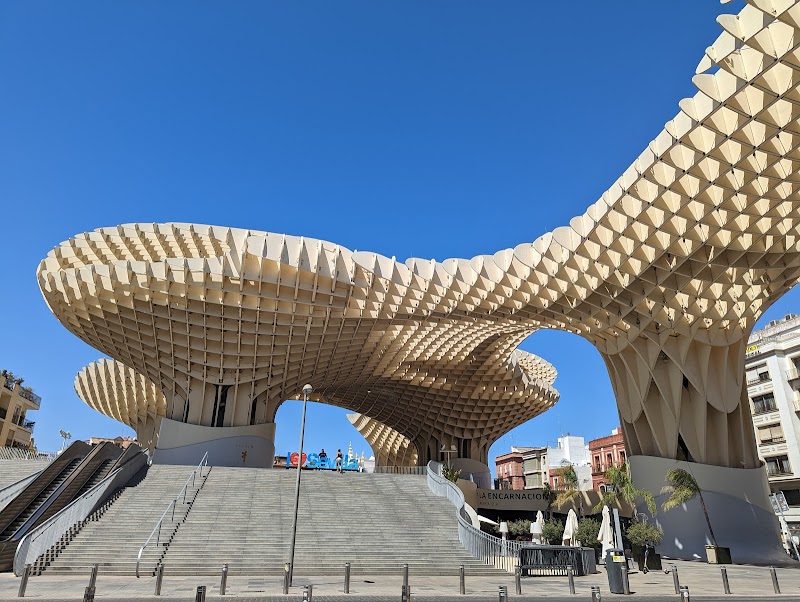
Metropol Parasol (Las Setas) & Antiquarium
Centro (Setas Area) · 120 min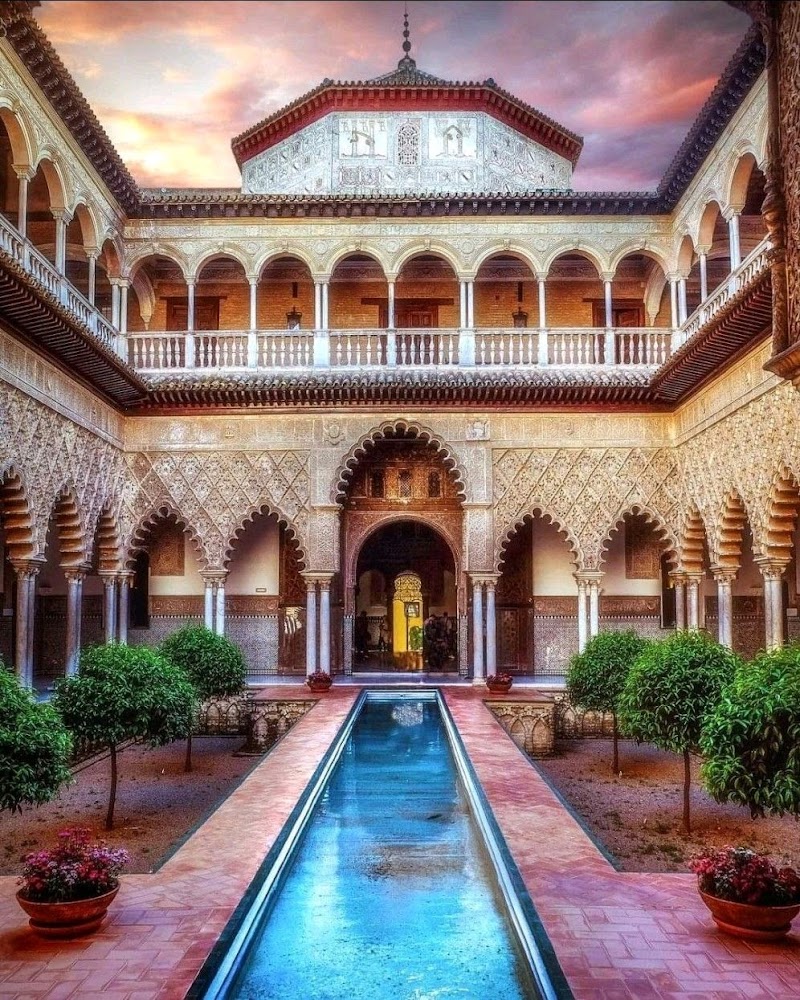
Real Alcázar (Royal Palace)
Santa Cruz · 150 min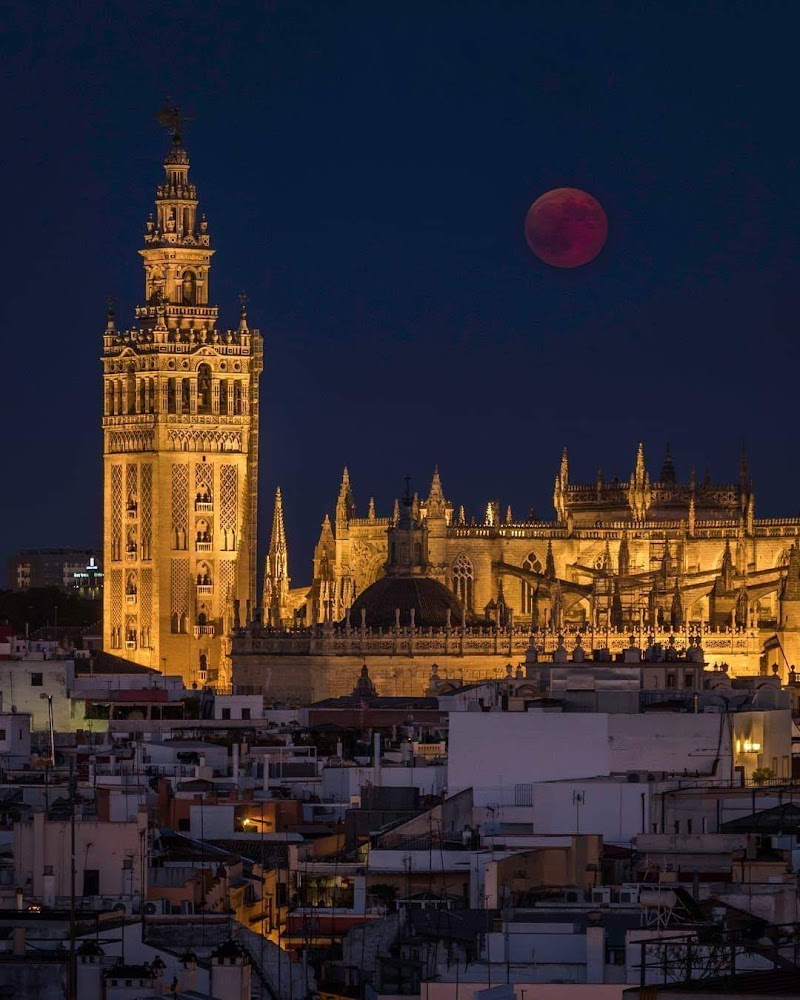
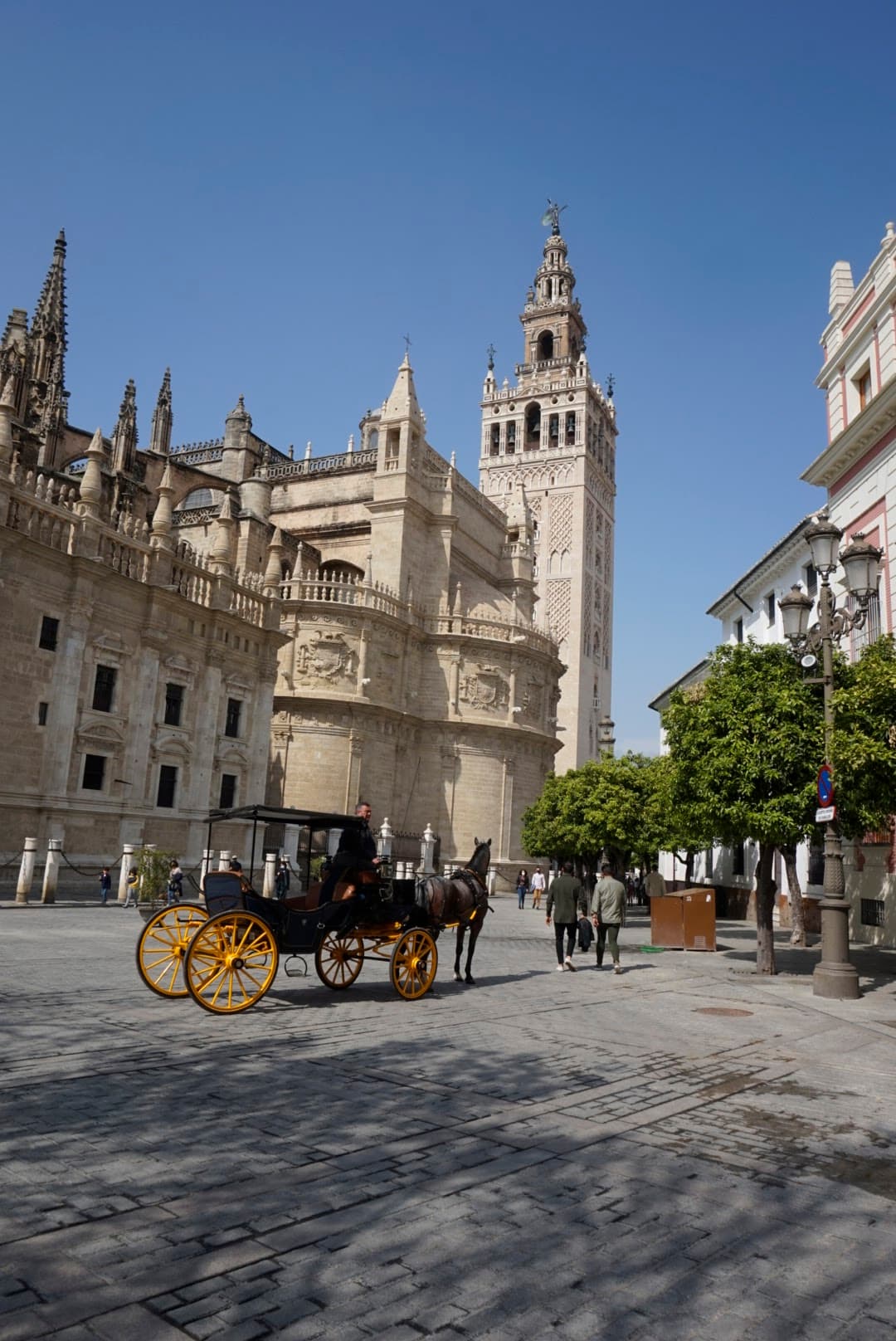
Seville Cathedral & La Giralda Bell Tower
Centro Histórico · 120 minMoney-Saving Tips
- 1.Free tapas come with every drink at traditional bars — order a beer and get a small plate of olives, jamón, or cheese automatically
- 2.The Alcázar offers free entry on Mondays from 6-7pm for EU residents (bring your passport)
- 3.Lunch menus (menú del día) at local restaurants cost €12-15 and include three courses plus wine
- 4.Buy groceries at Mercadona or Dia instead of tourist-area shops where a bottle of water costs €3
- 5.The Cathedral and Alcázar combo ticket saves €4 compared to buying separately
- 6.Avoid restaurants on Calle Mateos Gago — they charge tourist prices for mediocre food
- 7.Sevici bike rentals cost €2 per day versus €15 for tourist bike shops
- 8.Happy hour at rooftop bars runs 6-8pm with cocktails for €6 instead of €12
Travel Tips
- •Download the Sevici app before arriving — bike stations fill up quickly during peak season
- •Restaurants don't serve dinner until 9pm — plan afternoon snacks or you'll starve
- •The Cathedral's Giralda tower closes 30 minutes before the main building
- •Bring comfortable walking shoes — Santa Cruz's cobblestones destroy sneakers
- •Book flamenco shows in advance during Easter week and April fair
- •Siesta is real — shops close from 2-5pm, so plan museum visits during these hours
- •The airport bus stops running at midnight — take a taxi for late arrivals
- •Cash-only establishments are common, especially in traditional tapas bars
- •Learn basic Spanish numbers — bartenders chalk your tab and expect you to track it