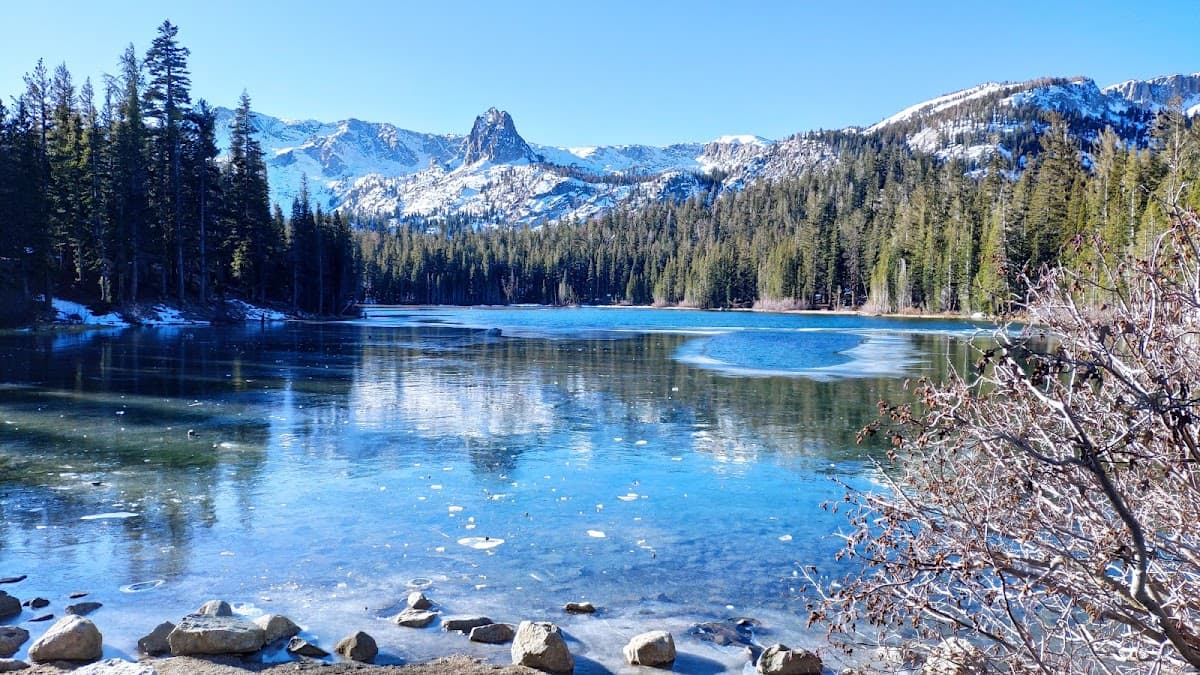
Sierra Nevada
Granite peaks and alpine wilderness adventures await
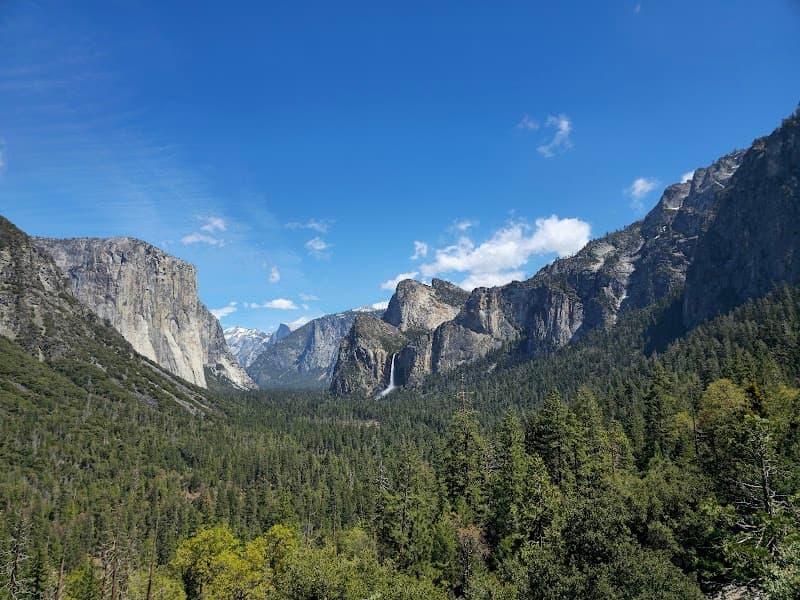
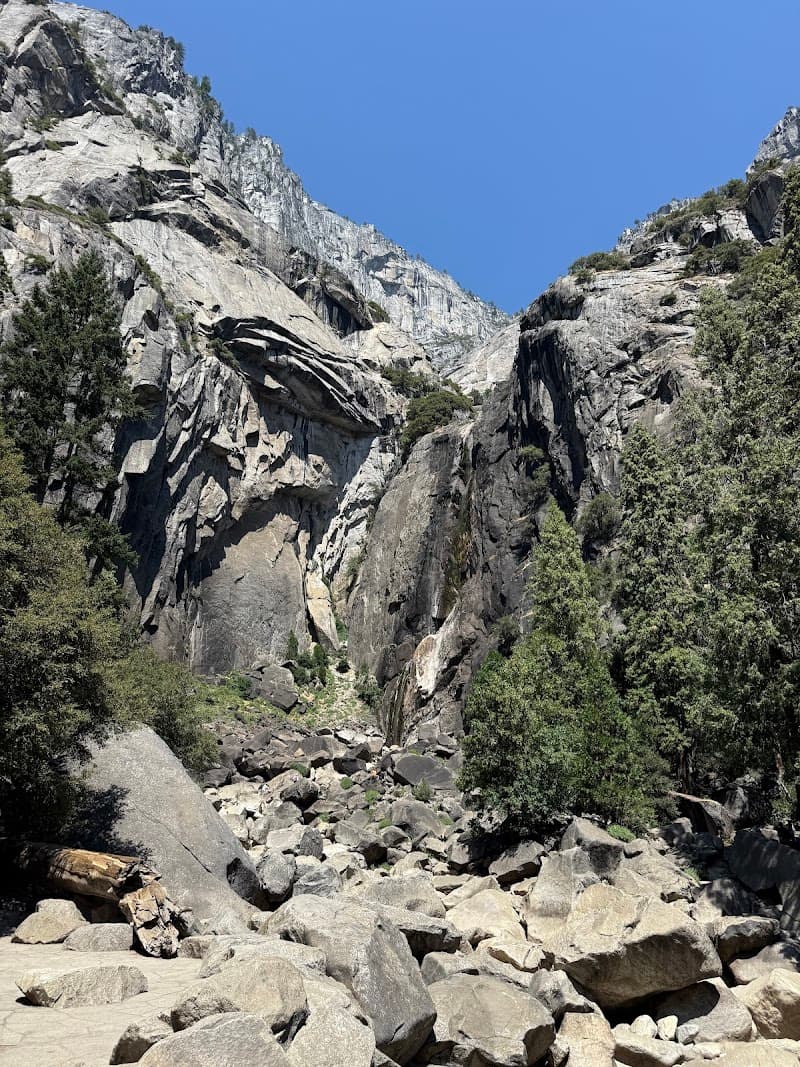
The Sierra Nevada isn't just a mountain range—it's California's granite backbone, where 14,000-foot peaks scrape the sky and alpine lakes reflect ancient sequoias. This is where John Muir fell in love with wilderness, where Ansel Adams found his light, and where you'll understand why people abandon city life for mountain air.
But here's the thing: the Sierra demands respect. These aren't gentle rolling hills. We're talking about serious elevation, weather that changes faster than your GPS signal, and wilderness that'll humble you in the best possible way. The payoff? Some of the most stunning alpine scenery in North America, from Yosemite's granite domes to the Eastern Sierra's jagged peaks.
Summer brings wildflower meadows and crystal-clear lakes perfect for swimming (if you can handle the cold). Fall paints the aspen groves gold while keeping the crowds at bay. And yes, winter transforms this place into a snow-covered wonderland, though many high-elevation areas become inaccessible.
Explore Cities


Explore the Region
Money-Saving Tips
- 1.Buy a National Parks Annual Pass for $80 if visiting multiple parks—Yosemite alone costs $35 per vehicle
- 2.Camp instead of staying in park lodges—sites run $25-35/night vs $200+ for hotel rooms
- 3.Stock up on groceries in Bishop or Mammoth before heading into remote areas where prices double
- 4.Fill up gas tanks in major towns—remote stations charge 50+ cents more per gallon
- 5.Book permits and accommodations 12+ months ahead to avoid paying premium last-minute rates
- 6.Visit during shoulder seasons (June, September) for lower lodging costs and fewer crowds
- 7.Pack lunches for day hikes—restaurant meals in parks cost $15-25 per person minimum
Travel Tips
- •Download offline maps before leaving cell service—GPS signals disappear quickly in mountain terrain
- •Pack layers for dramatic temperature swings between elevations and times of day
- •Start hikes early to secure parking and avoid afternoon thunderstorms above treeline
- •Carry bear spray and know proper food storage—black bears are active throughout the region
- •Check road conditions before traveling—Tioga Pass closes completely in winter
- •Bring cash for entrance fees and small businesses that don't accept cards
- •Acclimate gradually to high elevation—drink extra water and take breaks if feeling dizzy
- •Reserve wilderness permits months in advance for popular trails like Whitney or Half Dome
- •Pack emergency supplies including extra food, water, and warm clothes for backcountry travel
Frequently Asked Questions
Explore Sierra Nevada
BUILD YOUR
SIERRA NEVADA PLAN
Insider picks, smart timing, and a plan ready when you are.
Start Planning