Skagway
Gold Rush Gateway to Alaskan Adventure
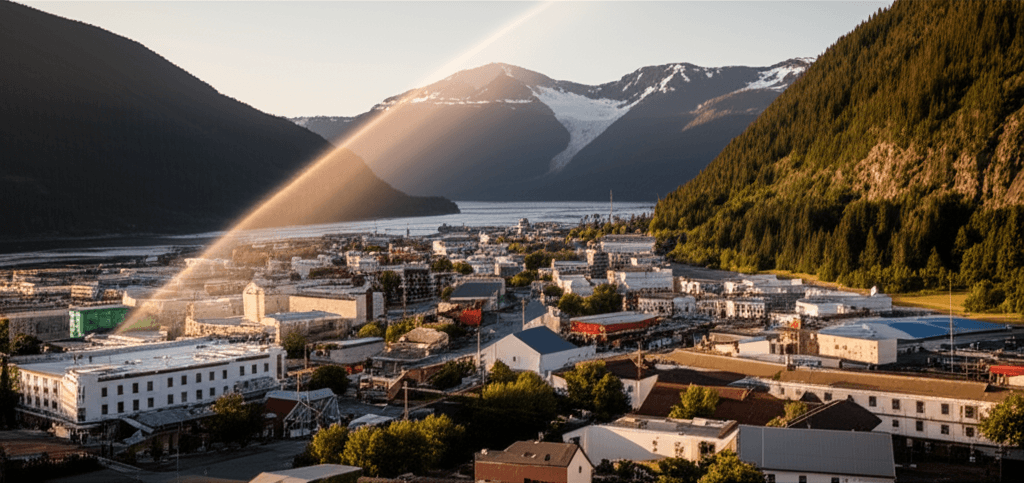
Skagway feels like stepping into a Wild West movie set, except the saloons are real and the mountains actually dwarf you. This tiny town of 1,200 people swells to accommodate half a million cruise passengers each summer, but don't let that fool you — beyond the tourist shops on Broadway lies genuine Alaskan adventure. The Klondike Gold Rush put Skagway on the map in 1897, and today you can still walk the same wooden sidewalks where prospectors once planned their fortunes. The White Pass & Yukon Route Railroad still chugs up the same treacherous mountain passes, now carrying tourists instead of gold seekers. But here's what the cruise crowds miss: stay a few extra days and you'll find hiking trails that lead to glacial lakes, local bars where fishermen swap stories, and some of the most dramatic scenery in Southeast Alaska.
Best Months
JUN – AUG
~19°C · peak crowds
Culture & Context
GOLD RUSH BOOMTOWN
Skagway sits on the traditional land of the Lḵoot Kwáan (Chilkoot Tlingit People). That context matters. The Skagway Traditional Council is active and runs cultural programming, including Alaska Native Cultural Host seminars — worth attending if you want to understand the place beyond the Gold Rush story.
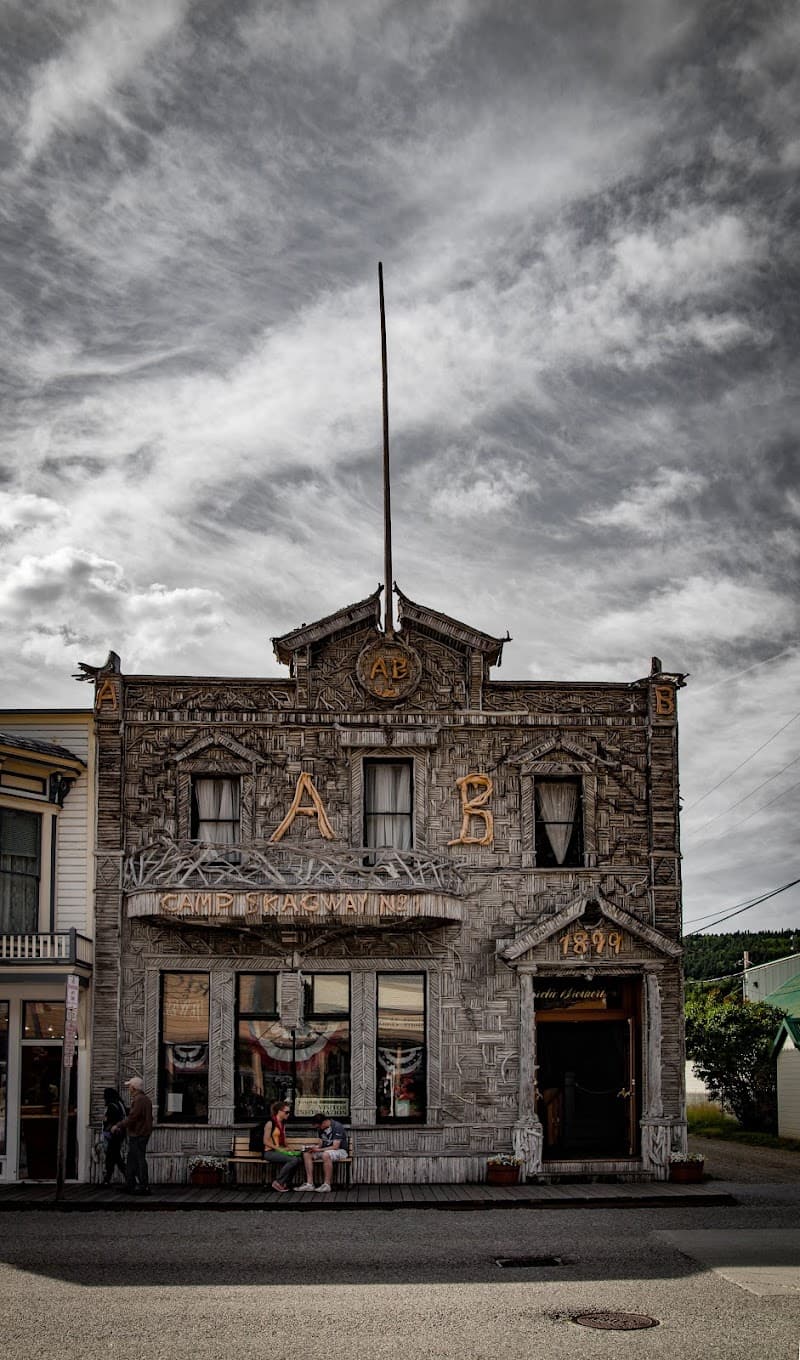
Speaking of which, Skagway became a boomtown in 1897 when more than 40,000 stampeding miners used it as the jumping-off point to the Klondike goldfields. The most famous character from that era is Soapy Smith, a con man the town toasts with a mock wake each July. Broadway is seven blocks of preserved false-front buildings, wooden sidewalks, and period-costumed locals.
About a million cruise ship passengers pass through every summer, which doubles (or more) the year-round population of roughly 1,240 people. The town is four blocks wide and 23 blocks long. If you're not on a cruise, you're in a small, isolated community — the nearest neighbor by road is Whitehorse, Canada, two hours north.
That geography shapes everything: what's in the stores, what's on the menu, and how people treat each other.
Local Customs
CRUISE SEASON RULES
The town lives and dies by the cruise ship season (roughly May–September). Come October, restaurants close, shops shutter, and Skagway quietly belongs to its 1,200 year-rounders again. If you visit off-season, call ahead before assuming anything is open..
Locals call themselves Skagwegians (or Skagweigans). Using the term correctly earns a small nod of approval.. Food arrives by barge from Seattle about once a week.
Don't complain about grocery prices to a local — they know, and they've accepted it.. The Chilkoot Trail requires advance permits from the National Park Service. You cannot just show up and hike it.
Book months ahead, especially for summer dates.. The White Pass train returns to the dock around the same time every day. If you're eating near Broadway when it pulls in, expect a sudden surge of 300+ hungry people.
Eat before the train gets back or be prepared to wait.. Recreational and medical marijuana is legal in Alaska. Consumption in public is not..
When locals refer to going 'Outside,' they mean anywhere that isn't Alaska. Not outside as in outdoors.. Soapy Smith's grave is in the Gold Rush Cemetery, about a mile north of downtown on State Street.
Frank Reid — the man who shot him — is buried nearby. The cemetery is free to visit and genuinely interesting.
Safety
WATCH YOUR BELONGINGS
Skagway is one of the safer towns in Southeast Alaska. Violent crime is low. Property crime runs moderate — mainly petty larceny, which spikes with tourist season simply because more people are around.
The crime statistics that look alarming on aggregate sites are partly a function of how crime rates are calculated per resident in a town where thousands of visitors pass through daily. That said, don't leave things unattended. The real risks here are environmental.
Bear country means bear spray if you're hiking anything beyond a paved path. The Chilkoot Trail and surrounding mountains are serious wilderness. Weather changes fast and cell service disappears quickly outside of town.
Carry a paper map on longer hikes. The water quality is excellent (rated 100/100). Air quality is good 98% of the year.
Note: Alaska has a higher statewide rate of substance abuse than the US average, and Skagway is not immune to that. It's not a visible threat to tourists, but it's part of the local reality. For those venturing to Haines by fast ferry, the crossing is safe and well-run, but book ahead in summer — it fills up fast.
Getting Around
WALKABLE & ISOLATED
Getting to Skagway: You can arrive by cruise ship (most visitors do), by the Alaska Marine Highway ferry system, by driving the Klondike Highway from Whitehorse (about 2 hours from the Canadian border), or by flying into Skagway Municipal Airport (SGY) with connections through Juneau. The Skagway–Haines Fast Ferry takes about 45 minutes and runs multiple times daily in summer — book ahead, it sells out. Getting around town: Skagway is genuinely walkable.
The town is four blocks wide and 23 blocks long. The SMART bus (Skagway Municipal And Regional Transit) covers local routes. Most tour operators pick you up near the docks.
Renting a car makes sense for driving to Dyea or heading north on the Klondike Highway toward Canada — but for just doing Broadway and nearby hikes, you don't need one. The White Pass & Yukon Route Railroad runs from the depot at 2nd and Spring and is the most scenic way to get a sense of the terrain without a full hike. Round trips, summit trips, and one-way options are available.
Useful Phrases
Skagway Itineraries
View all
Seven Wild Days in Skagway’s Forests, Falls & Fjords
Week · $$$

Wild Trails & Fjord Views: A Long Weekend in Skagway
Weekend · $$$
Rainforest Ridges & Gold Rush Trails in Skagway
Day Trip · $$$
7 Romantic Days in Wild & Waterfall-Filled Skagway
Week · $$$
Misty Forest Romance in Skagway’s Wild Fjord Valley
Weekend · $$$
Wild Romance in Skagway’s Rainforest & Fjords
Day Trip · $$$
Things to Do in Skagway
Skagway Historic Downtown Walk
Historic Downtown / Broadway · 120 min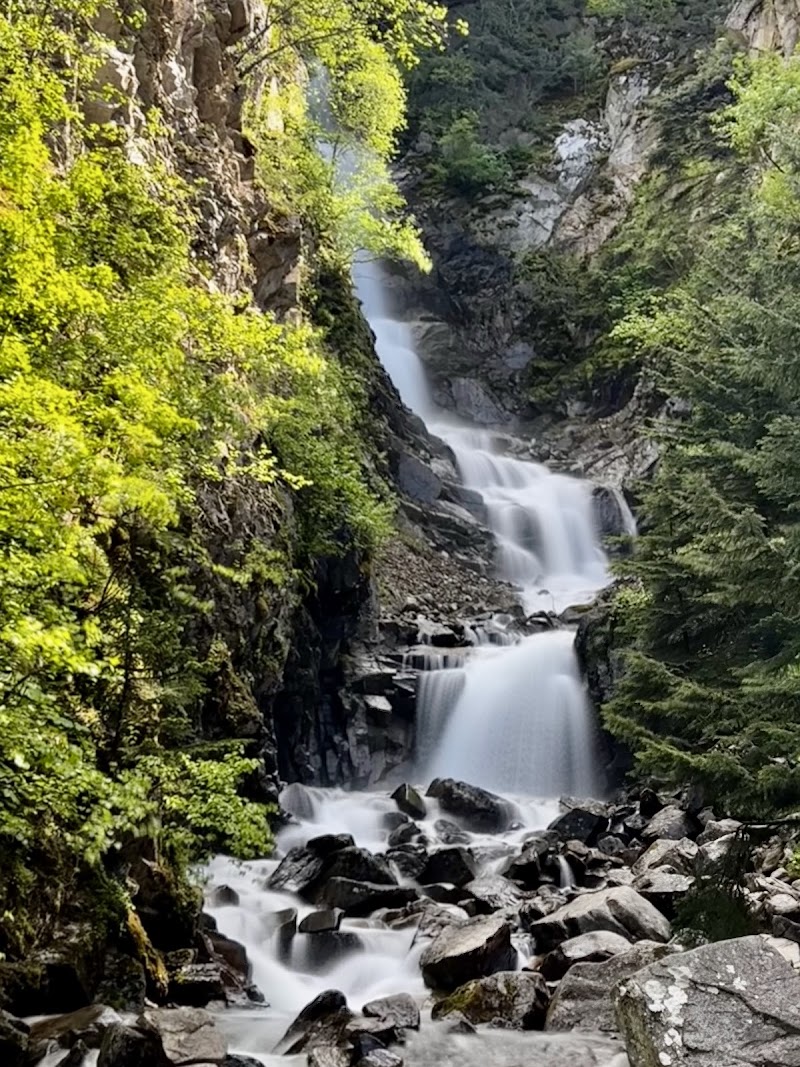
Gold Rush Cemetery & Lower Reid Falls Walk
East Skagway / Gold Rush Cemetery Area · 90 min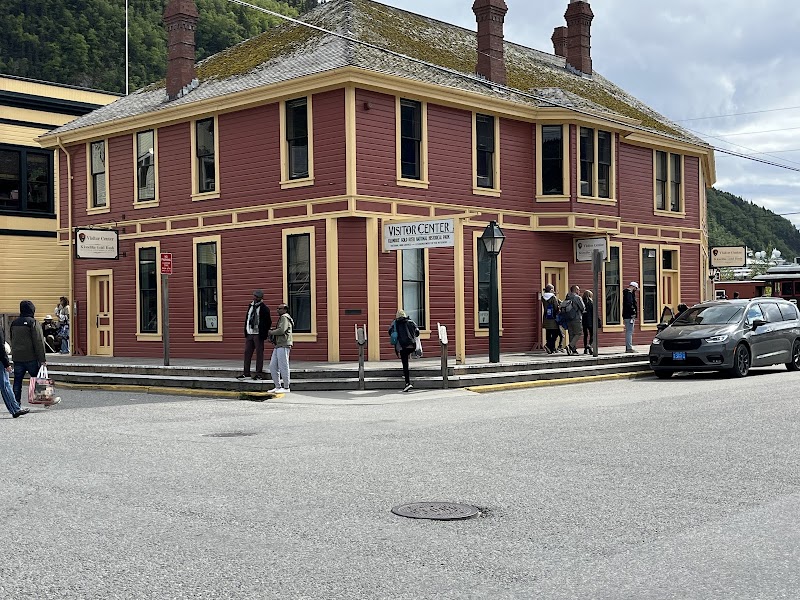
Klondike Gold Rush National Historical Park Visitor Center
Historic Downtown / Broadway · 90 minMoney-Saving Tips
- 1.Book accommodations for July and August by February — prices double and availability disappears during peak cruise season
- 2.Eat breakfast at Sweet Tooth Cafe instead of hotel restaurants to save $15-20 per person
- 3.Buy groceries in Whitehorse or Haines where prices are 30% lower than Skagway's tourist-inflated rates
- 4.Skip the expensive helicopter tours and take the White Pass train for better mountain views at half the cost
- 5.Pack rain gear and layers instead of buying overpriced outdoor gear in Skagway's tourist shops
- 6.Stay an extra night after cruise ships leave for lower hotel rates and restaurant specials
Travel Tips
- •Download offline maps before arriving — cell service is spotty outside downtown Skagway
- •Bring cash for small businesses and tips — some places don't accept cards
- •Pack layers and waterproof clothing even in summer — weather changes quickly in the mountains
- •Book White Pass train tickets online in advance — they sell out daily during cruise season
- •Respect private property on gold rush trails — some mining claims are still active
- •Check ferry schedules carefully — the Alaska Marine Highway runs limited summer service to Skagway