Bellavista
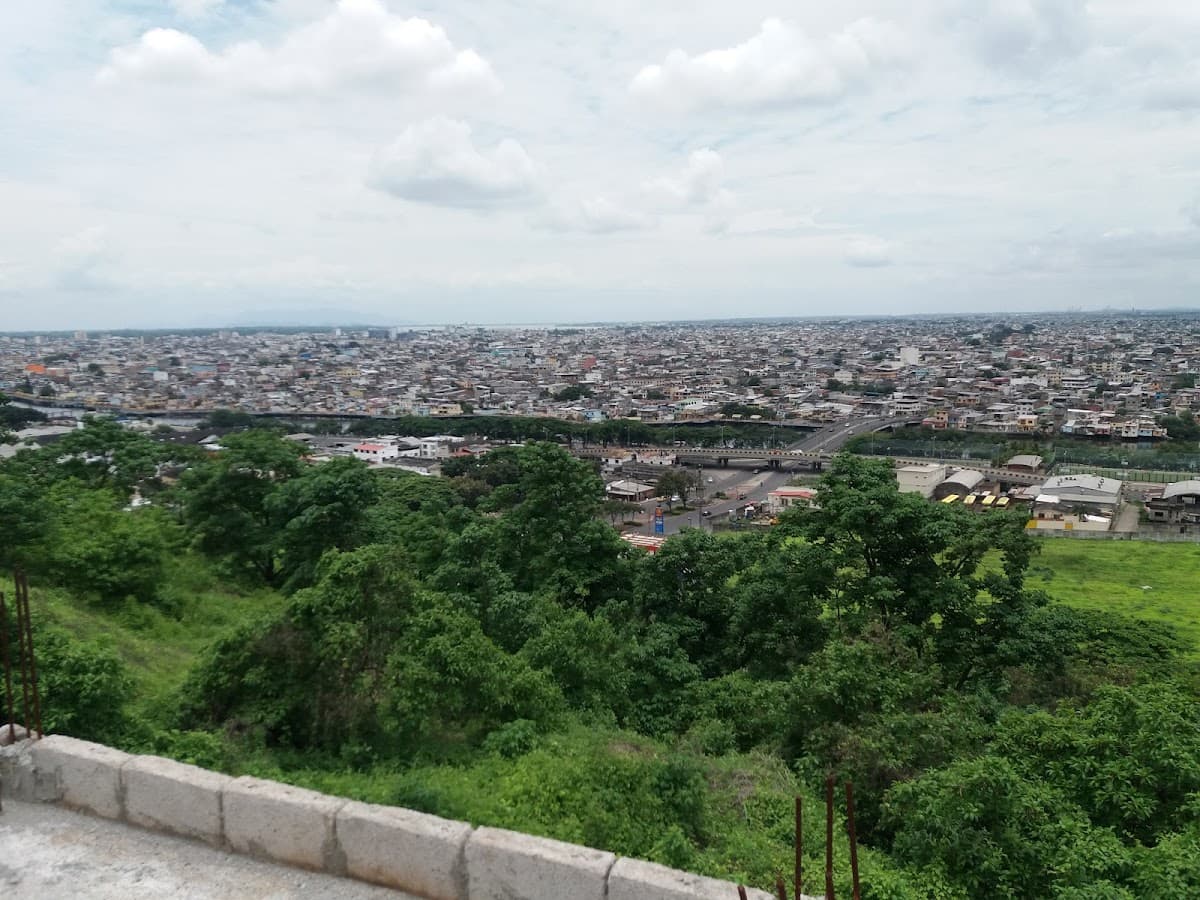
Santiago's bohemian hillside enclave with artistic soul and panoramic views
Bellavista clings to Santiago's hillsides like paint on canvas. This is where artists rent studios for $300 a month, where murals cover every available wall, and where you can sip pisco sours while the Andes glow pink at sunset. The neighborhood feels like a village that got swallowed by the city but refused to change its ways. Street vendors sell empanadas on Pío Nono, galleries stay open until midnight, and locals argue about politics in corner bars that haven't updated their décor since the 1980s. But here's what makes Bellavista special: it's authentically bohemian, not the sanitized version you find in other cities.
Culture & Context
Bellavista is Santiago's most famous bohemian barrio, wedged between the Mapocho River to the south and Cerro San Cristóbal to the north.
Pío Nono Street physically splits it into two communes: Providencia on the east and Recoleta on the west. The neighborhood has been drawing artists, intellectuals, and students since the early 20th century.
Nobel Prize-winning poet Pablo Neruda chose it as the location for La Chascona, his Santiago home, which is still one of the most visited cultural landmarks in the city. Today Bellavista runs on a split personality: mornings and afternoons belong to gallery-hoppers, mural-chasers, and visitors touring La Chascona; come nightfall, Pío Nono morphs into one of the densest concentrations of bars in all of Chile. The neighborhood also carries a well-known LGBTQ+ scene, centered around Bombero Núñez street.
Lapis lazuli jewelry shops line Avenida Bellavista — the deep blue stone is Chile's national gem and a legitimate souvenir worth buying here.
Local Customs
Chileans go out late — bars don't really fill until 11pm and clubs peak between 1-4am.
Show up at 9pm and you'll be drinking alone.. It's normal and expected to order a liter of beer and sit at a sidewalk table on Pío Nono for hours.
Nobody rushes you.. Pisco sour is the national drink. Ordering a terremoto (white wine, grenadine, pineapple ice cream) signals you're willing to commit to the night — it's a serious drink..
Lapis lazuli is Chile's national stone. The jewelry shops around Bellavista sell it in every form. It makes an excellent, locally-significant gift — just compare prices before buying..
The weekend Feria Artesanal on Pío Nono runs Saturdays and Sundays. It's a real craft market, not a tourist trap — local artisans sell ceramics, leatherwork, and jewelry.. Tipping is not mandatory but 10% is standard at sit-down restaurants.
The propina sugerida (suggested tip) often appears on bills — you can decline it.. Chileans are more reserved initially than other Latin Americans. Don't mistake early quietness for unfriendliness; they warm up quickly, especially over a shared copete..
Paying for accommodation with a foreign credit card can waive Chile's 19% IVA (VAT) tax legally — ask your hotel about this to save significantly per night.. Church visits require covered shoulders and knees. Outside tourist neighborhoods, English is rare — even basic Spanish phrases go a long way..
Demonstrations happen regularly in Santiago, especially on March 29, May 1, September 11, and October 18. They can disrupt metro service. Check local news if visiting around those dates.
Safety
Bellavista is generally fine during the day — walk freely, visit La Chascona, explore murals, browse the market.
After dark it requires more awareness. Theft from crowded bars and late-night streets is the primary concern; violent crime targeting tourists is less common but not unheard of.
The US State Department currently classifies Chile as Level 2 (Exercise Increased Caution). Practical rules: Use Uber or Didi to get home after midnight rather than walking to a distant metro station (the metro stops at around 11pm on weekdays, later on weekends). Don't walk alone late at night, especially off the main strip.
Watch your drink at bars and clubs — drink spiking has been reported in Bellavista and nearby Suecia; the Canadian government specifically calls this out in official travel advice. Keep your phone in a front pocket or bag, not in your hand while walking. Leave flashy jewelry and watches at the hotel.
ATMs inside banks or malls are safer than those on the street. Be aware of 'distraction scams' where someone spills something on you while an accomplice grabs your bag. Stick to licensed taxi apps; avoid flagging random taxis off the street.
Lastly, Chile sits on an active seismic zone — familiarize yourself with earthquake procedures at your accommodation on arrival.
Getting Around
The easiest metro access is Baquedano Station (Lines 1 and 5), which puts you at the south end of Bellavista for 640–800 CLP.
Buy a Bip! card at any metro station (1,550 CLP one-time fee) — it works on metro, buses, and the Metrotren.
Santiago's metro is modern, efficient, and covers all key neighborhoods; rush-hour pickpocketing is a known issue so keep bags in front. The hop-on hop-off tourist bus stops at Patio Bellavista and Parque Metropolitano. You can walk to Bellavista from Plaza de Armas in about 25 minutes via Parque Forestal.
Uber and Didi are the recommended transport options after dark — surge pricing kicks in after 2am on weekends, so have the app ready before you need it. Cycling is increasingly viable; Bike Santiago (Itaú) monthly subscription is about 8.50 USD for unlimited 60-minute trips.
Getting in from the airport: take the Centropuerto or Turbus airport bus to Los Héroes metro station for around 2.87 USD — significantly cheaper than a taxi.
Useful Phrases
Money-Saving Tips
- 1.Happy hour at most bars runs 6-8pm with 50% off drinks – time your evening accordingly
- 2.Buy empanadas from street vendors instead of restaurants to save $3-4 per meal
- 3.The funicular to Cerro San Cristóbal costs $3, but walking up is free and takes 45 minutes
- 4.Many galleries offer free admission on the first Sunday of each month
- 5.Pisco sours cost half as much at local bars compared to hotel rooftops – try Bar Constitución
- 6.Take the metro to Baquedano station instead of taxis to save $8-12 on transport
- 7.Street art tours through local operators cost $15 vs $35 for hotel-arranged versions
Travel Tips
- •Wear comfortable walking shoes – these hillside streets are steep and often cobblestoned
- •Learn basic Spanish phrases; English isn't widely spoken outside tourist-focused businesses
- •Carry cash – many small bars and galleries don't accept credit cards
- •Visit Pablo Neruda's house (La Chascona) early in the day to avoid tour bus crowds
- •The best street art changes frequently, so download a current map from local tour companies
- •Restaurants don't serve dinner until 8pm at the earliest – plan your meal times accordingly
- •Keep your phone charged for photos – the Instagram opportunities are endless but battery-draining