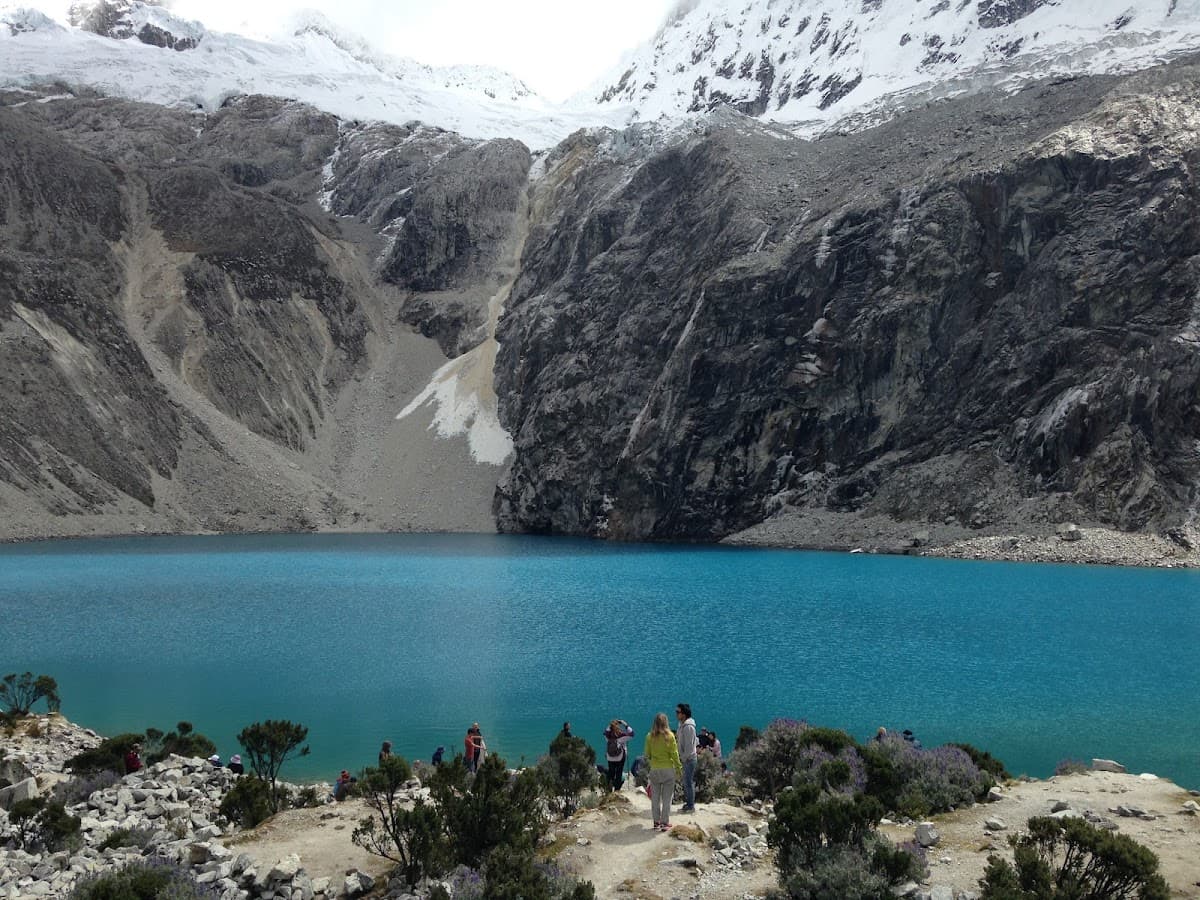
Huaraz
Peru's adventure capital beneath towering Andean peaks
Huaraz sits at 3,052 meters above sea level, surrounded by some of Peru's most dramatic peaks. This isn't your typical tourist town — it's where serious hikers come to tackle the Cordillera Blanca, where budget backpackers fuel up on hearty mountain food, and where you can see glaciated peaks from your hostel window. The town rebuilds itself constantly, literally and figuratively, after a devastating 1970 earthquake that leveled most colonial architecture. What you get instead is a functional base camp with killer mountain views and some of the best adventure opportunities in South America. But here's the thing — the altitude hits hard, the weather changes fast, and if you're not into hiking, you might find yourself wondering what all the fuss is about.
Best Months
MAY – SEP
~22°C · high crowds
Culture & Context
GLACIER-RIMMED ADVENTURE CAPITAL
Huaraz takes its name from the Quechua word "Waraq," meaning dawn. That's a fitting name for a place where mornings arrive with glacier-lit peaks towering above your coffee. Sitting at 3,052 meters above sea level in the Santa River valley, flanked by the snow-capped Cordillera Blanca to the east and the Cordillera Negra to the west, this is Peru's outdoor adventure capital.
Full stop. The city itself was largely rebuilt after a catastrophic earthquake on May 31, 1970 that destroyed 95% of it and killed over 20,000 people. So don't come expecting colonial churches and cobblestone charm.
The architecture is functional, even blunt. But that's not why people come. They come for the Cordillera Blanca, which contains 30+ peaks over 6,000 meters and more turquoise glacial lakes than you can hike in a season.
Huascarán, Peru's highest mountain at 6,768 meters, lords over everything. You can see it clearly from the city center on a good day. The culture is a mix of Andean Quechua heritage and modern highland city life.
Markets sell alpaca wool and altitude sickness pills side by side. Coca tea flows freely. And the people — called Huaracinos — earned Simon Bolívar's admiration during the independence wars, when they gave everything they had to the liberating army.
He called it "the noble and generous city." That generosity is still real.
Local Customs
COCA TEA CURES EVERYTHING
Coca tea (mate de coca) is the culturally accepted remedy for altitude sickness. Accept it when offered. It's a gesture of hospitality, not a drug offer..
Chewing coca leaves is normal and common among locals and trekkers during hikes. Many Andean communities use them before physical labor. Try it if you want, but don't make a scene about it..
Sundays bring armed robbery risks on certain trails and areas according to locals and Wikivoyage. Hike popular trails on weekdays when possible.. WhatsApp is how everyone communicates in Peru including tour agencies and local guides.
Download it, get a local SIM, and use it.. Bargaining is expected at markets but not in restaurants. Don't haggle over food prices at comedores — it's considered rude..
Always carry small bills. Rural colectivos, market stalls, and small restaurants rarely break large notes without griping.. Greet shopkeepers and guesthouse staff with 'Buenos días' before asking for anything.
Jumping straight into a request without a greeting is considered abrupt in Andean culture.. Altitude demands respect. Don't plan a big hike on your first day.
Spend 48 hours in the city walking, eating lightly, and drinking water before hitting the trails.
Safety
ALTITUDE FIRST, STREET SMARTS
Huaraz is generally safe for tourists by Peruvian standards, but a few things need saying. The altitude is the real danger most visitors underestimate. At 3,052 meters, you will feel it — headaches, dizziness, shortness of breath. Give yourself 2 full days in the city before any serious hiking. Drink water constantly. Coca tea helps. Avoid alcohol the first couple of days.
Petty theft is the main human risk. Watch bags closely at the bus station on arrival and in the central market. Don't flash cameras or phones in crowds. Solo female travelers should avoid unregistered taxis at night — stick to well-lit streets and use taxi services your hostel recommends.
Don't drink tap water. Bottled water or purification tablets only. Street food is generally fine if there's high turnover of customers and food is visibly cooked, but be selective.
Trail safety matters too. For multi-day treks like the Huayhuash Circuit or Santa Cruz, go with an experienced agency. Don't improvise routes alone. Always tell your hostel your itinerary before heading into the mountains. Sunscreen is essential even in cold weather — UV penetration increases significantly at high altitude and many visitors burn badly without expecting it. Armed robberies on trails have been reported, particularly on Sundays, so plan longer hikes on weekdays when possible.
Getting Around
BUS BEATS FLIGHTS HERE
Getting to Huaraz takes effort. Most people take the overnight bus from Lima, which runs 8-9 hours and costs S/40-100 ($12-27 USD) depending on the company and comfort level. Cruz del Sur and Oltursa are the most reliable carriers — mid-range tickets are the sweet spot between price and comfort. Book on Redbus or directly from company websites. Travel at night to save a hotel night and arrive ready to start day one.
LATAM resumed direct flights from Lima to Anta Airport (ATA) in 2024 after a six-year gap. The flight takes 45-50 minutes and costs around $46-49 USD one-way. Anta Airport is about 25 km from the city, so factor in ground transport time. But flights get canceled frequently due to mountain weather — the bus is more reliable if your schedule is tight.
Within the Callejón de Huaylas valley, colectivos (shared minibuses) leave Huaraz roughly every 20 minutes heading north toward Carhuaz, Yungay, and Caraz. They're cheap (under $1), packed, and quintessentially Andean. Taxis around the city cost $1-3 USD for most trips but stick to taxis your hostel recommends — unregistered cabs carry more risk, particularly at night. For less-traveled mountain routes, informal combis are your only option. For day tours to major sites like Laguna 69 or Chavín de Huántar, book through agencies in the city center since they handle transport included.
Useful Phrases
Huaraz Itineraries
View all
7 Days in Huaraz: Wild Andes, Lakes & High-Altitude Trails
Week · $$$

Cloud Forest Peaks & Andean Quiet in Huaraz
Weekend · $$$

Wild Andes Romance: 7 Days in Huaraz
Week · $$$

Cloud Forest Romance in the Andean Highlands
Weekend · $$$

Family Andes Adventure in Wild Green Huaraz
Week · $$$

Huaraz Family Weekend: Lagoons, Peaks, and Easy Jungle-Style Adventure
Weekend · $$$
Things to Do in Huaraz
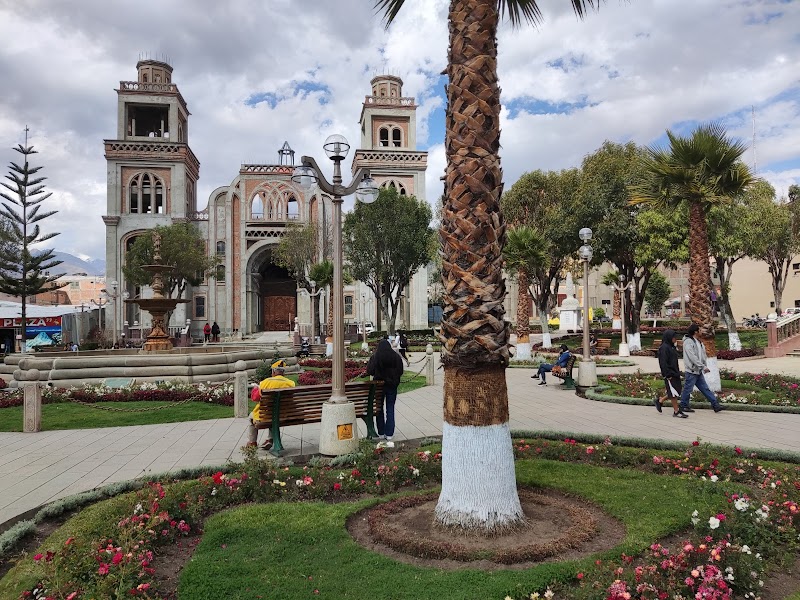
Plaza de Armas de Huaraz & Surrounding Streets
Centro Histórico · 60 min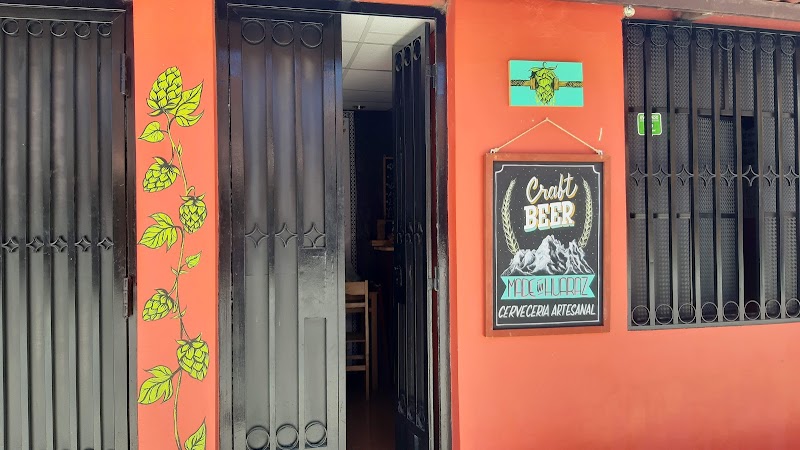
Craft Huaraz (Artesanía & Textiles)
Centro Histórico · 45 min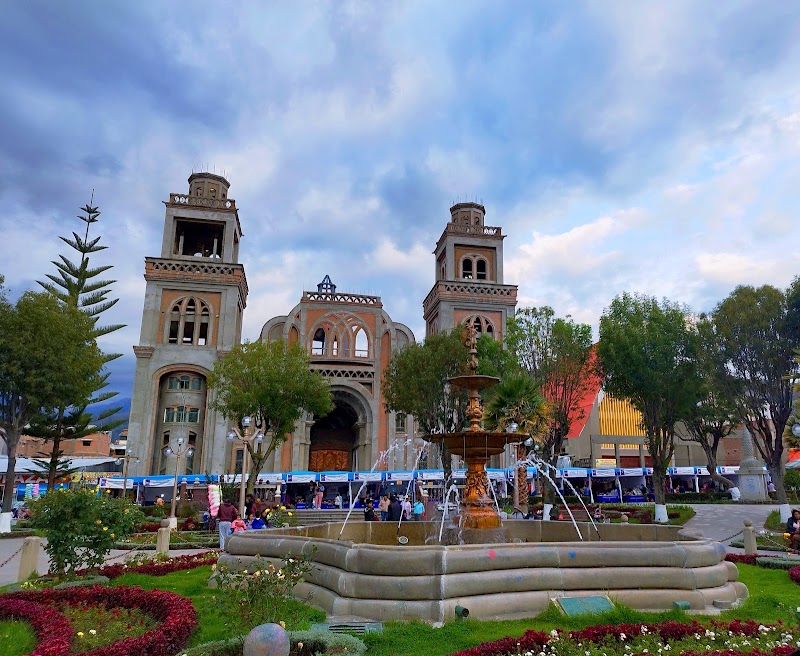
Plaza de Armas de Huaraz
Centro Histórico · 60 minMoney-Saving Tips
- 1.Book accommodation directly with hostels to avoid booking fees — many don't appear online anyway
- 2.Buy hiking snacks at Mercado Central instead of tourist shops to save 50% or more
- 3.Share taxi costs to trailheads with other travelers — post on hostel bulletin boards
- 4.Eat menú del día lunches for 8-12 soles instead of tourist restaurant dinners
- 5.Rent gear locally rather than bringing everything — quality is decent and prices fair
- 6.Take combis instead of taxis for short distances within the city center
- 7.Book multi-day treks directly with local operators, not through agencies in Lima
- 8.Stock up on coca leaves at the market — they're much cheaper than coca tea bags
Travel Tips
- •Arrive 2-3 days early to acclimatize before attempting any serious hiking
- •Pack layers — mountain weather changes dramatically throughout the day
- •Bring a good headlamp and extra batteries for early morning trek starts
- •Download offline maps before heading out — cell service is spotty in the mountains
- •Keep copies of your passport — you'll need ID for national park entries
- •Learn basic Spanish phrases — English isn't widely spoken outside tourist areas
- •Bring cash in small bills — many places can't break large notes
- •Check weather forecasts daily and be flexible with hiking plans