Tahiti
French Polynesia's exotic paradise of black sand beaches and Polynesian culture
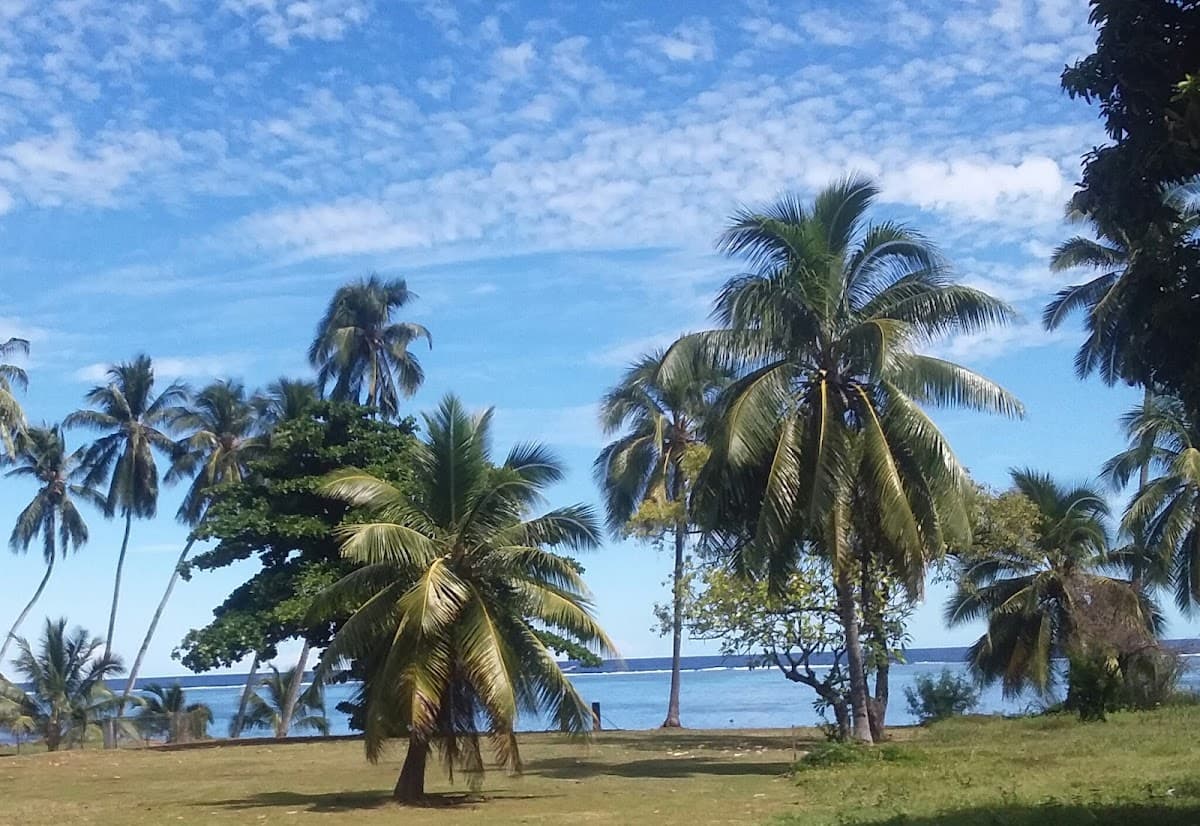
Tahiti isn't just another tropical island. It's where French sophistication meets Polynesian soul, where black volcanic sand beaches stretch beneath emerald peaks, and where the word "paradise" actually feels accurate. The main island of French Polynesia serves up a different kind of South Pacific experience — one where you'll sip wine with your poisson cru and hear as much French as Tahitian on the streets of Papeete. But don't mistake this for some sanitized resort destination. Tahiti pulses with real island life, from the chaotic energy of its markets to the quiet reverence of ancient marae temples scattered across the interior.
Best Months
MAY – OCT
~27°C · high crowds
Culture & Context
MANA & FRENCH FUSION
Tahiti is the administrative capital of French Polynesia, a territory that is technically part of France while running its own government since 1984. About two-thirds of French Polynesia's entire population lives on this one island. The mix of Polynesian Maohi culture and French colonial influence shows up everywhere: French and Tahitian are both official languages, the currency (XPF) is pegged to the Euro, and you'll find a French bakery next to a roulotte selling poisson cru.
Tahitian identity is built around the concept of Mana, a spiritual force that flows through people, land, and ocean. Tattoo art (ta'u) is ancestral and deeply personal, not decorative. The Heiva festival each July is the year's emotional center of gravity for Polynesian culture on the island.
The Chinese Polynesian community, present since the 19th century, is woven into everyday life — Papeete's Chinatown and the annual Lunar New Year celebrations reflect a culture that is more layered than the overwater-bungalow marketing suggests. The local philosophy of 'aita pea pea (not to worry) is genuine, not a tourism slogan — pace yourself accordingly and don't try to rush anything.
Local Customs
TIARE FLOWER SIGNALS
Tipping is not customary. Service is included in bills everywhere. Leaving a small extra for an exceptional tour guide (~$2–$5 USD) is appreciated but genuinely not expected — don't stress about it..
The tiare flower worn behind the ear is a social signal. Right ear means you're single and available. Left ear means you're taken.
Locals notice.. When invited to a local feast (ma'a Tahiti or tamaaraa), try a little of everything. Declining food is considered rude.
Asking about what you're eating opens conversations that lead somewhere real.. Dress code matters outside tourist zones. Sarongs (pareos) and covered shoulders are expected in shops, churches, and cities.
The beach rules don't apply everywhere.. Always ask before photographing locals, especially at cultural sites and markets. A smile and 'Ia ora na' first goes a long way..
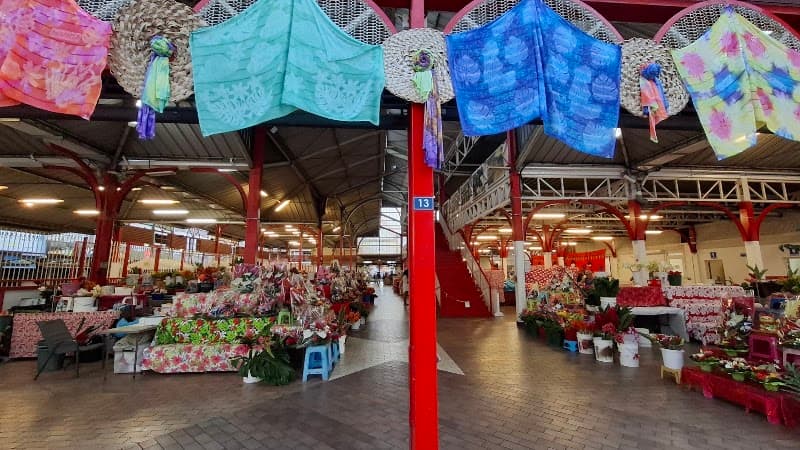
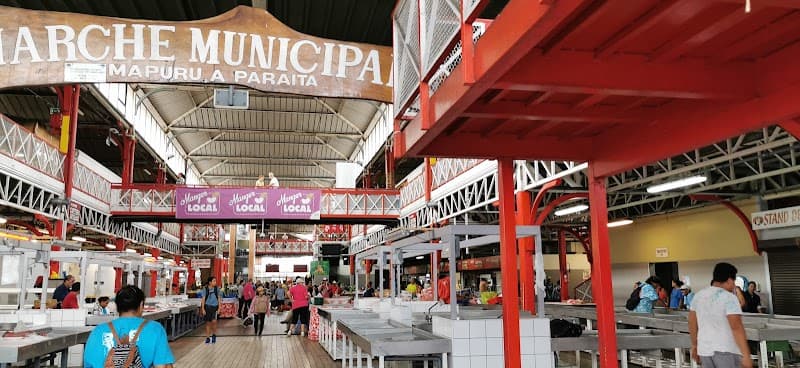
Sacred sites (marae) sometimes require prior authorization to visit. Check with local authorities before showing up anywhere marked as a heritage or spiritual site.. Sunday markets are a local institution — the Papeete market comes alive at 5am on Sundays with the cheapest and most authentic breakfast on the island..
Packing light is wise. Bring lightweight breathable clothing. The sun is intense even on overcast days — sunscreen is non-negotiable..
Feral dogs can be aggressive in packs, especially if you're biking or walking rural roads. Keep your distance if you see a group of them.. Don't sit or eat under a coconut palm.
Seriously. A falling coconut from 15 meters causes real damage.
Safety
PETTY THEFT ONLY
Tahiti is genuinely safe. Violent crime affecting tourists is essentially unheard of. The real risks are the everyday kind: petty theft is most common in Papeete, especially around the port when cruise ships dock and at the main market. Keep your phone in your front pocket in those areas. Car break-ins are the most common crime statistic on the island — if you rent a car (and you probably should), lock it and don't leave anything visible. Don't overthink it: this isn't a high-alert destination.
A few things worth knowing. French Polynesia is politically connected to France, which means French labor strikes occasionally ripple out to Tahiti — transportation unions join when there are big mainland strikes. Check local news before any major travel day. The rainy season (November–March) brings cyclone risk, though it's rare. The dry season (April–October) is calmer. In the water, ask locals about any specific hazards before snorkeling or surfing a new spot — stonefish, moray eels, and rip currents are real. Emergency number for ambulance is 15; police is 17. There's no US Embassy in French Polynesia. The nearest US consular services are handled through the US Embassy in Suva, Fiji. Medical care on Tahiti is solid — the Taaone hospital in Papeete is well-equipped — but outer islands have only basic clinics. Travel insurance with medical evacuation coverage is genuinely worth it here.
Getting Around
FERRY TO MOOREA
Everything arrives and departs through Faa'a International Airport (PPT), about 5 minutes from central Papeete. Air Tahiti Nui flies direct from Los Angeles, and budget carrier French Bee also serves the route on modern A350s — fares from the US West Coast start around $700 round-trip in low season.
Getting around Tahiti itself: Le Truck is the public bus system and costs about $1 per ride — a remarkable deal — but schedules are infrequent outside Papeete and it doesn't run at night. Taxis from the airport cost $20–$25 to nearby hotels. Car rental starts around $125/day from companies like Avis at the airport and is genuinely worth it if you want to explore beyond the capital. Rent one early in your trip, not just for day trips.
Getting to other islands: the Terevau high-speed ferry to Moorea costs $13 USD (1,350 XPF) and takes about 30 minutes — runs 7 days a week from 5am to 5:30pm. Bora Bora and the outer islands require Air Tahiti domestic flights or, in some cases, slower inter-island ferries. The Aremiti and Terevau ferries are reliable for the Tahiti-Moorea run. For remote atolls like Rangiroa or Fakarava, flying is faster. ATM note: withdraw XPF cash before leaving Papeete — outer islands often have no reliable card terminals.
Useful Phrases
Things to Do in Tahiti
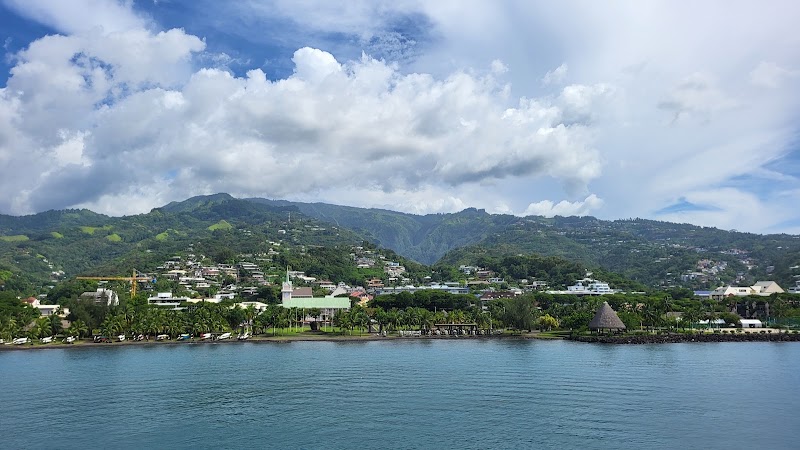
Papeete Waterfront Promenade
Papeete · 60 min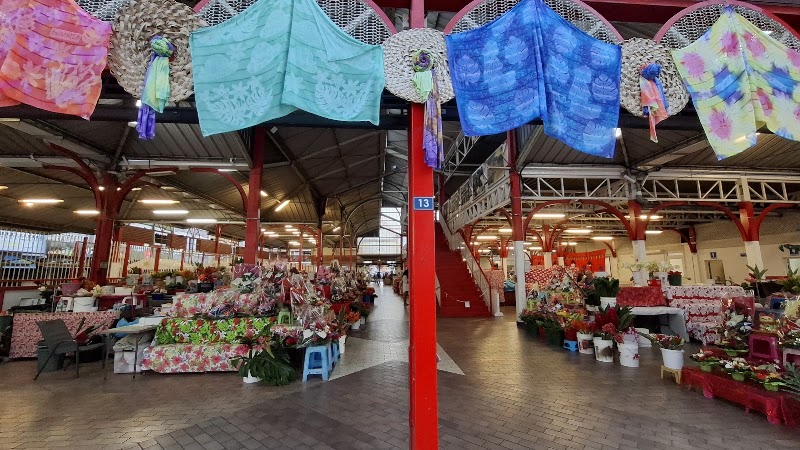
Le Marché de Papeete (Municipal Market)
Papeete · 90 min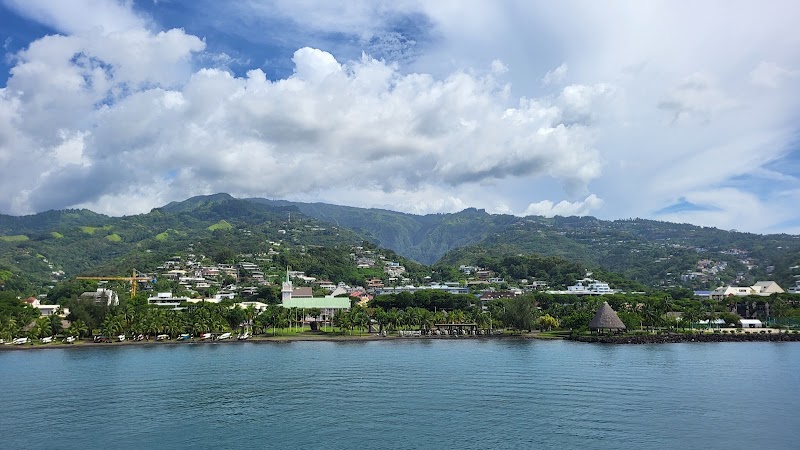
Papeete Town Walk
Papeete · 90 minMoney-Saving Tips
- 1.Book accommodations well in advance — Tahiti has limited hotel inventory and prices spike during peak season
- 2.Rent a car instead of relying on taxis for exploring — daily rental rates often cost less than a single taxi trip around the island
- 3.Shop at local markets and cook some meals if staying in vacation rentals — restaurant prices reflect the remote location
- 4.Consider staying in pensions (family guesthouses) over resorts — you'll save significantly and get authentic cultural experiences
- 5.Time your visit during shoulder seasons (May-June or September-October) for 30-40% savings on hotels
- 6.Buy groceries at local supermarkets like Champion or Carrefour rather than resort shops where prices double
- 7.Use le truck public buses for short trips around Papeete — they cost about $2 versus $30+ for taxis
Travel Tips
- •Pack reef-safe sunscreen — many areas prohibit chemical sunscreens to protect coral reefs
- •Learn basic French phrases — while many speak English, French remains the primary language outside tourist areas
- •Bring mosquito repellent, especially if visiting during wet season (November-April)
- •Respect marae (ancient temples) — these sacred sites require quiet, respectful behavior and often prohibit photography
- •Download offline maps — cell coverage can be spotty in remote areas of the island
- •Pack light layers — trade winds can make evenings surprisingly cool even in tropical weather
- •Bring water shoes for rocky shorelines and coral areas — many beaches have sharp volcanic rock
- •Exchange money at banks rather than hotels — better rates and more reliable service
- •Try local transportation like le truck for authentic island experiences and budget savings