Taormina
Sicily's Jewel Perched Above the Mediterranean
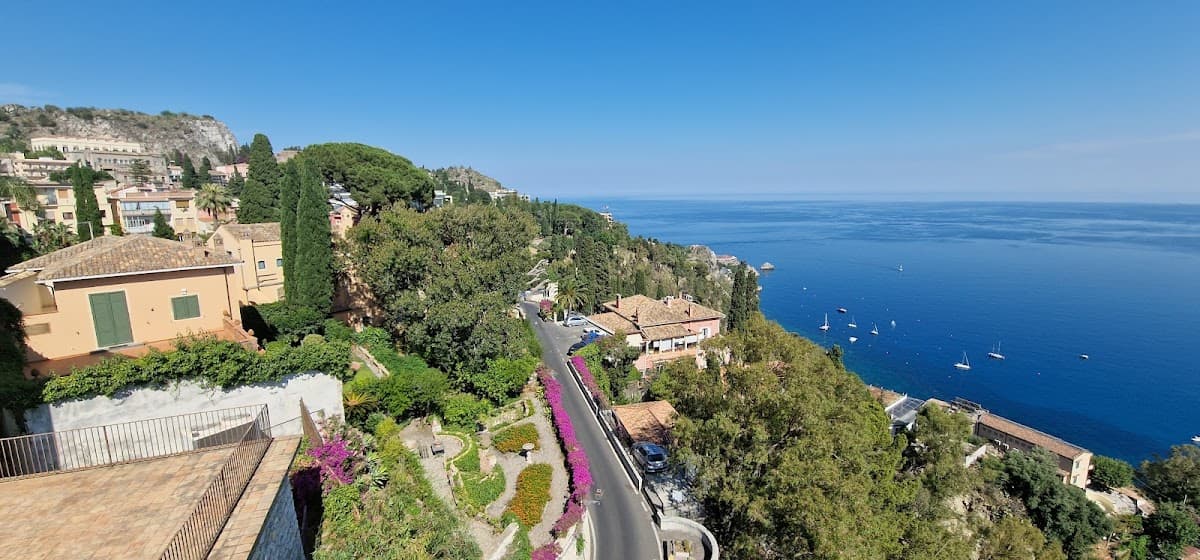
Taormina clings to Sicily's eastern coast like a beautiful afterthought. This medieval town perches 200 meters above the Mediterranean, with Mount Etna brooding in the distance and the Ionian Sea sparkling below. But here's what makes it special: Taormina has been seducing visitors since ancient Greek times, and it still knows exactly how to work its magic.
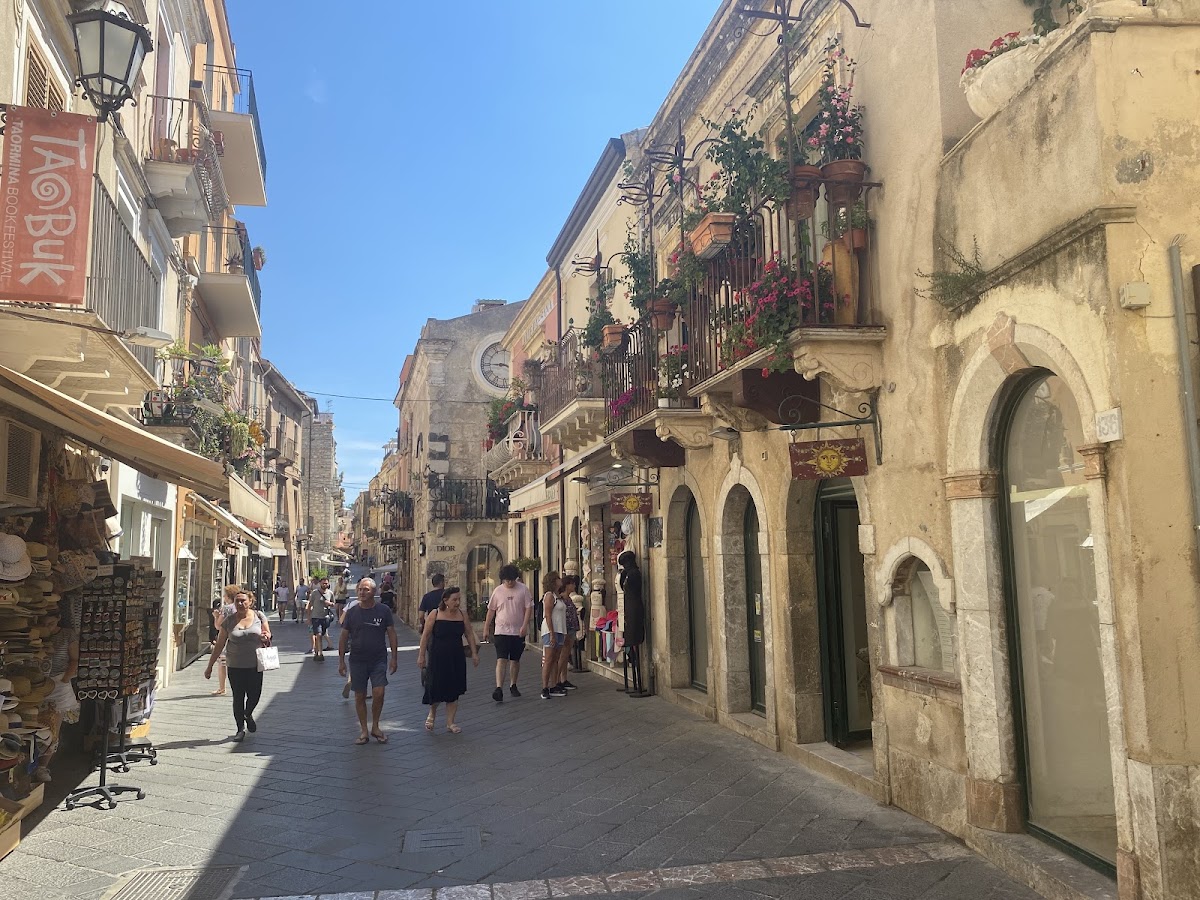
The main drag, Corso Umberto, runs the length of the old town. Stone buildings house designer boutiques, ceramic shops, and restaurants with terraces that make you forget about your credit card limit. And then there's the Teatro Antico, a 2,300-year-old Greek theater that still hosts concerts with arguably the world's best backdrop.
Look, Taormina isn't a secret. It's been Sicily's premium destination since the Grand Tour days. But sometimes the popular places earn their reputation honestly.
Best Months
APR · MAY · JUN · SEP · OCT
~25°C · moderate crowds
Culture & Context
SICILIAN SOUL, POLISHED LUXURY
Taormina has been a resort town for a very long time — ancient Romans came here to escape the summer heat, and the 19th-century Grand Tour crowd made it fashionable for wealthy Europeans. That history shaped a place that knows how to host tourists without being entirely consumed by them.
The Sicilian identity runs deep here. Sicilians think of themselves as Sicilian first and Italian second — the island was ruled by Greeks, Romans, Arabs, Normans, Spanish Bourbons, and others in sequence, and the culture absorbed all of it. The food shows this. The dialect shows this. The architecture definitely shows this.
Here's the thing: Taormina sits at the expensive, polished end of that Sicilian identity. It draws luxury travelers from across Europe and has done for well over a century. The Grand Hotel Timeo opened in 1873. The result is a place that's genuinely beautiful and well-maintained, but also sometimes feels like it's performing a version of itself for visitors. The realness comes in the edges — in Castelmola, in the early-morning bars, in conversations that actually go somewhere. You have to seek it slightly.
The Catholic calendar shapes the social rhythm. Religious festivals bring genuine community energy, not just spectacle. The passeggiata along Corso Umberto is a living tradition, not a tourist recreation — locals actually do it, every evening, regardless of season. Treat it accordingly.
Local Customs
JOIN THE EVENING PASSEGGIATA
Do the passeggiata. Walk Corso Umberto around 7pm, grab a granita, find a spot near Piazza IX Aprile and watch the sunset. This is how locals end a day.
Joining in (rather than photographing it from behind a camera) is the actual point.. Shops and restaurants close for a midafternoon break — roughly 1pm or 2pm to around 7:30pm. Plan accordingly.
Don't show up at 3pm expecting a sit-down lunch at a restaurant that isn't specifically targeting tourists.. Stand at the bar to drink coffee. It's faster and cheaper.
Table service is for when you want to sit, relax, and pay extra for the privilege.. Cheese does not go on seafood pasta. Asking for Parmesan on spaghetti alle vongole will get you a polite refusal.
Trust the kitchen.. Sicilian dialect is not just accented Italian — it has roots in Greek, Arabic, Norman French, and Latin. Older locals in Taormina may use it more heavily than younger ones.
Standard Italian still works fine everywhere in the tourist areas.. Religion is embedded in daily life here. Dress codes at churches are enforced.
Shoulders and knees covered to enter. Keep a light scarf or layer handy.. Italians value a proper greeting.
Walk into a shop without saying 'buongiorno' and the interaction will be cooler. Two words and a smile changes the whole dynamic.. Don't expect to drive into the historic center.
The ZTL (Zona Traffico Limitato) covers the entire old town. Cameras enforce it. Park at Lumbi or Porta Catania and walk or take the shuttle bus.
Safety
WATCH CROWDED STREETS, FAST DRIVERS
Taormina is considered one of the safest towns in Sicily and compares favorably to most Italian tourist cities. Solo travelers, including solo women, consistently report feeling comfortable here. The tourist industry keeps the center well-maintained and fairly well-lit.
The main thing to watch for is petty theft and pickpocketing in crowded areas — Piazza IX Aprile and along Corso Umberto during peak season. Keep your bag on your front, don't leave your phone on a café table, and don't put your wallet in your back pocket. Standard stuff, but worth saying.
The roads are a genuine hazard. Drivers around Taormina move fast on the hairpin roads, and streetlighting outside the centro can be patchy at night. If you're walking anywhere outside the pedestrianized area after dark, stay on sidewalks and pay attention. Cars do not slow down for pedestrians the way you might expect.
English is spoken widely in the tourist-facing parts of town — more so than most Sicilian destinations. You'll manage fine without Italian in hotels, most restaurants, and at the theatre box office. Step outside the centro and it becomes more useful.
Getting Around
WALKABLE, CABLE CAR TO BEACH
Getting to Taormina: Fly into Catania Fontanarossa airport (CTA), which is about 50km south. The Interbus runs directly from the airport roughly every hour and costs about €8.50 — takes around 1.5 hours. A private transfer runs €50–80 but is significantly easier after a long flight with luggage. Trains from Catania Central take about an hour, but remember: the station is called Taormina-Giardini Naxos and sits at sea level, not in town. You'll still need the cable car or a bus to get up.
Getting around town: The historic center is largely pedestrianized and compact — most things are reachable on foot. The cable car (Funivia) connects the hilltop to Mazzarò beach in 3–4 minutes; costs €6 one-way or €10 return. In summer 2026, it runs daily from 8:00am to 1:30am. During peak July and August, queues build mid-morning heading down and late afternoon heading back up. Go early or late. Local buses (ASM) connect the bus terminal near Porta Messina to Mazzarò every 20–30 minutes for around €2 — useful backup if the cable car queue is outrageous.
Getting to nearby towns: Interbus runs to Giardini Naxos (15 minutes), Messina (about 1 hour), and Catania. For Mount Etna, take a bus to Catania and then the AST service to Rifugio Sapienza, or book an organized tour directly from Taormina, which is considerably less hassle.
Driving warning: Do not attempt to drive into Taormina centro. The ZTL cameras will photograph your plates and you'll receive a fine in the mail weeks later. Parking at Lumbi (with shuttle bus access) or outside Porta Catania are your options.
Useful Phrases
Taormina Itineraries
Things to Do in Taormina
Corso Umberto
Centro Storico · 90 min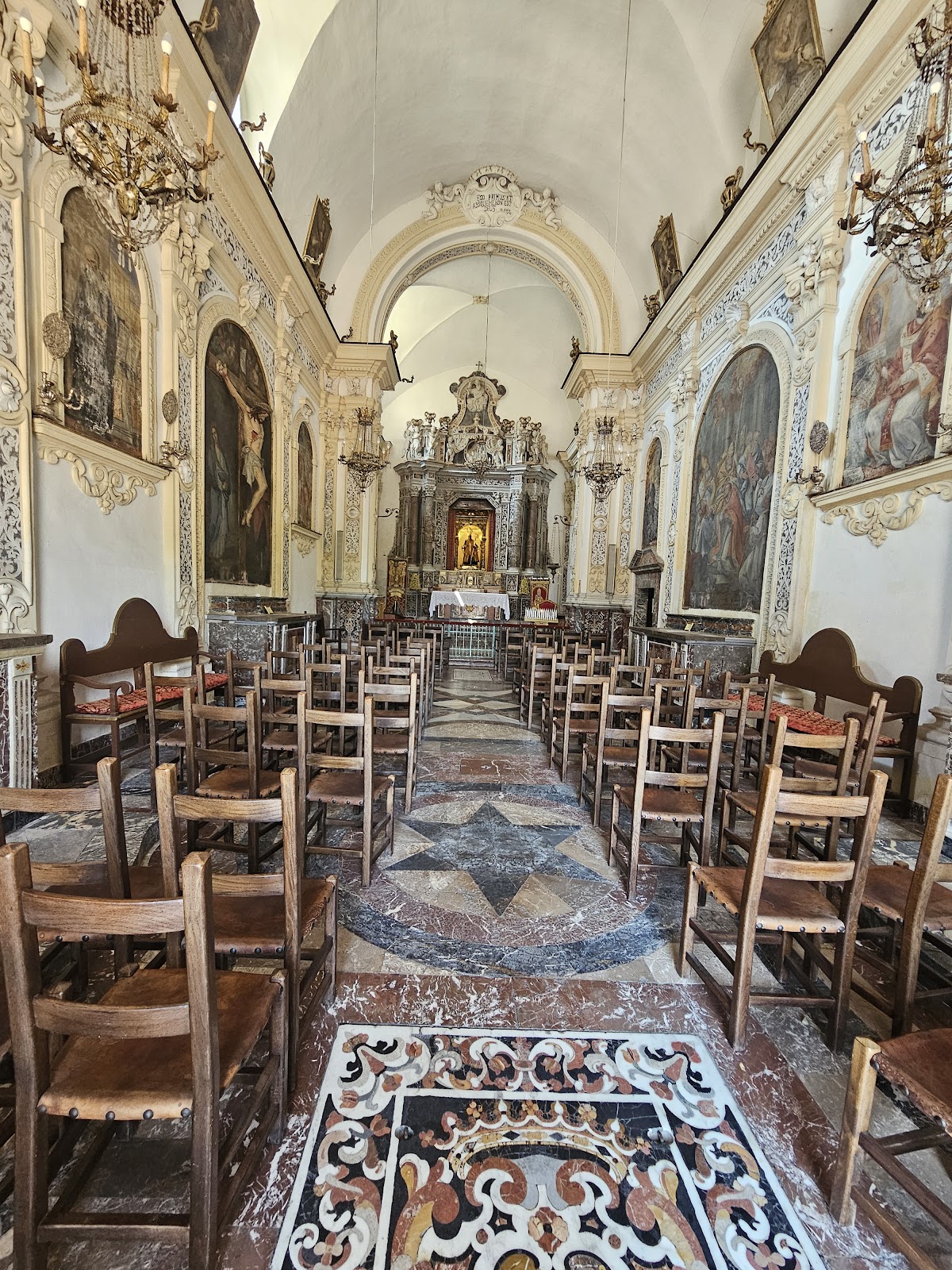
Piazza IX Aprile
Centro Storico · 60 min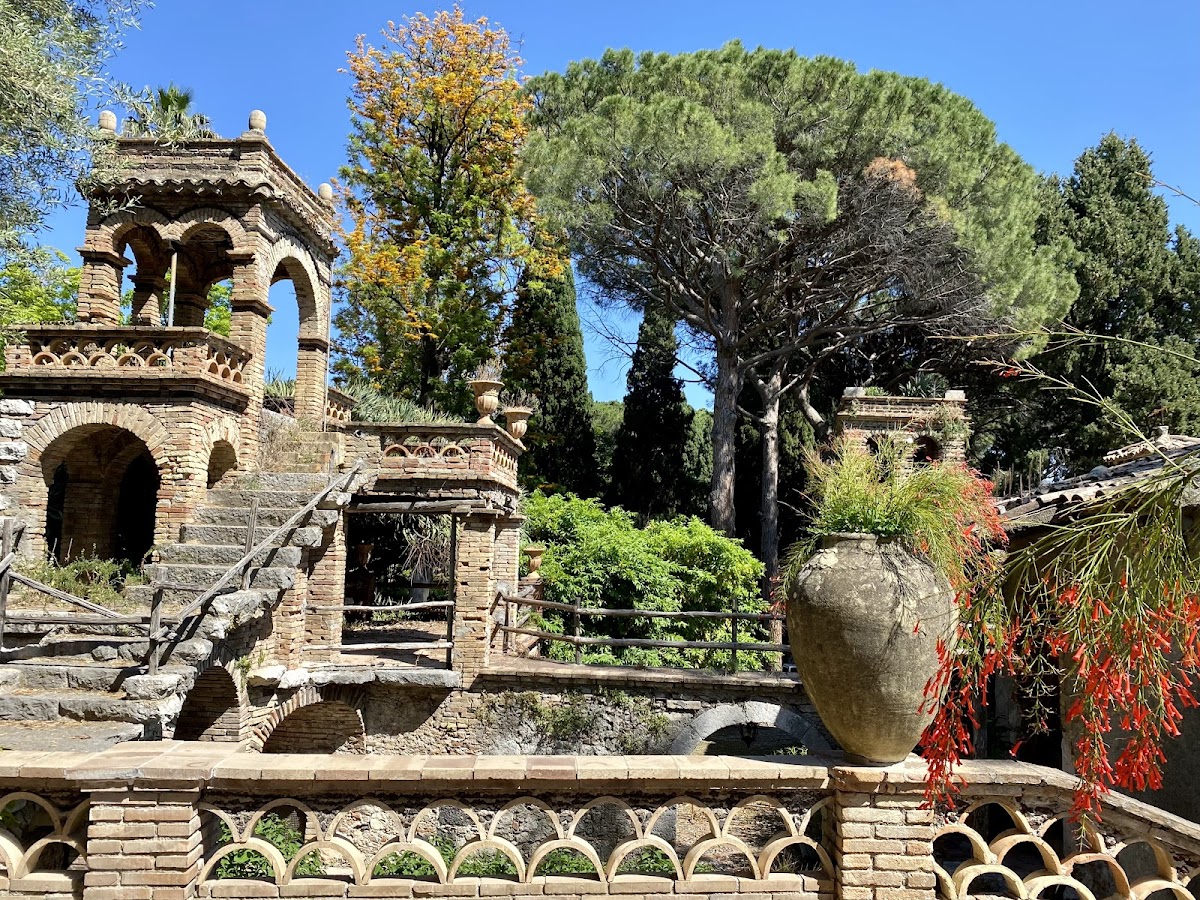
Villa Comunale
Centro Storico · 75 minMoney-Saving Tips
- 1.Book restaurants for sunset dining by 4 PM – prime terrace tables fill up fast and cost nothing extra to reserve
- 2.Buy ceramics directly from workshops in nearby Santo Stefano di Camastra instead of Corso Umberto boutiques to save 40-60%
- 3.The public beach at Mazzarò is free, but umbrella and chair rental costs €25 per day – bring your own gear
- 4.Many hotels include breakfast, but check if it's continental or buffet – the difference is usually €15-20 per person
- 5.Skip the tourist menu at restaurants – ordering à la carte often costs less and gets you fresher food
Travel Tips
- •The Greek theater offers better photos in late afternoon when the light hits Mount Etna behind the stage
- •Corso Umberto gets packed between 11 AM and 2 PM when day-trippers arrive – shop early morning or evening
- •Hotel pools close to non-guests, but many day-pass deals exist for €30-50 including lunch credit
- •The cable car stops running at 8 PM in winter, 1 AM in summer – check times if staying at beach level
- •Wednesday is market day in nearby Giardini Naxos – fresh produce and local specialties at local prices