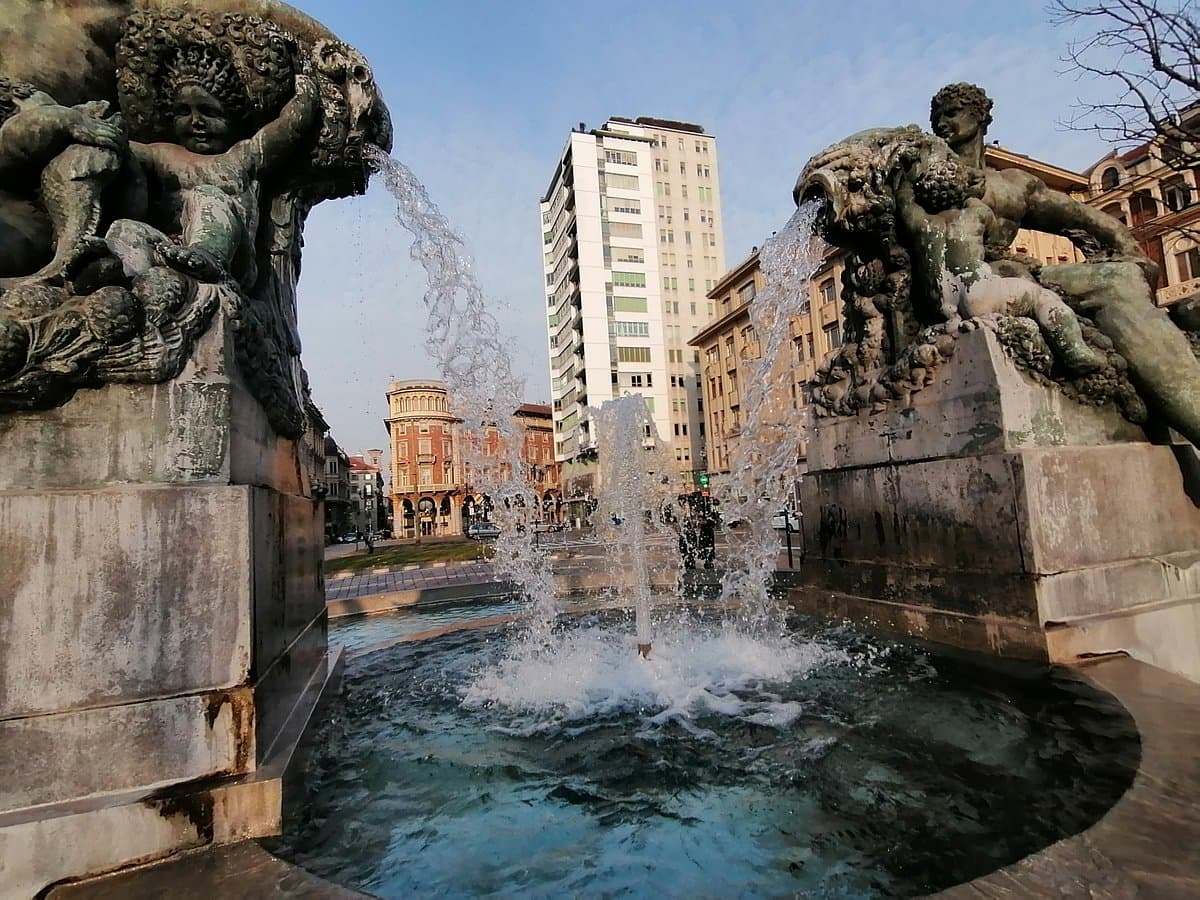
Turin
Pristine white sand beaches meet crystal clear turquoise waters
Turin gets overshadowed by Rome and Milan, but here's the thing — this former royal capital might just be Italy's best-kept secret. The city that gave us Nutella and the Shroud of Turin sits pretty against the Alps, serving up baroque architecture, world-class museums, and some of the country's finest food. And the crowds? Way smaller than anywhere else you'd get this much culture and history packed into one place.
Best Months
JAN · FEB · MAR · APR · MAY · NOV · DEC
~12°C · low crowds
Culture & Context
ROYAL CAPITAL, NOT PERFORMING
Turin is a city that doesn't perform for tourists. It was Italy's first capital (1861–1865), the seat of the Savoy royal family for centuries, and the birthplace of Fiat, Lavazza coffee, and Juventus FC. It holds the world's second-largest Egyptian collection outside Cairo.
And it invented vermouth. Locals know this, but they're not going to shout it at you. The city has long arcaded streets, serious museums, Baroque palaces, and a deep coffee-and-chocolate culture.
What it doesn't have is the nonstop tourist crush of Rome or Florence. Menus are often Italian-only, which is either charming or alarming depending on your prep. Bring a translation app.
English is workable in hotels and the Centro, but drops off fast once you leave. This is a Level 2 city: less touristy, more local, more rewarding if you meet it halfway.
Local Customs
ESPRESSO AT THE BAR
Drink your espresso standing at the bar. Sitting at a table adds a surcharge and signals tourist. Locals knock it back in 90 seconds and leave..
Say 'buongiorno' when entering any shop, bar, or restaurant. Walking in silently reads as rude, not neutral.. The aperitivo hour (roughly 6–8pm) is serious business here.
In San Salvario especially, a €6 drink comes with a full buffet spread. Locals use it as dinner.. Don't ask for a cappuccino after noon.
Baristas will serve it, but they'll quietly judge you. Espresso is the afternoon drink.. Tipping is not expected.
Round up slightly or leave a euro or two for excellent service. Don't feel obligated to tip on every coffee.. Porta Palazzo market operates Sunday mornings.
Prices drop sharply in the final hours (3–4pm) as vendors want to clear stock. Go early for best selection, late for best deals.. Many smaller shops close from 1–3pm for riposo.
Plan museum visits or market errands for the morning and save lunch for a long, unhurried sit-down.. Football (Juventus) is religion. If you're visiting on a match day, expect the city to reorganize around it.
Juventus Stadium is in the Continassa area, far from the centre. Book transport in advance.. Validate your bus or tram ticket immediately on boarding.
Inspectors fine without warning. The TO Move app handles this digitally — worth downloading before you arrive.. Piedmontese food is its own thing: vitello tonnato, agnolotti, bagna cauda, brasato al Barolo.
Don't sleep on any of it in favor of pasta aglio e olio just because it's familiar.
Safety
WATCH YOUR BELONGINGS
Turin is a manageable city for most travelers, but it's still a real urban center. The main risk is petty theft, not violence. Daytime safety is solid (index 65.8/100 per Numbeo 2026); nights drop to 31.9 — meaning after midnight, isolated streets need more caution than you'd exercise in the daytime.
Pickpockets concentrate around Porta Nuova station, Porta Palazzo market, and on tram lines 4 and 10. Keep bags closed and in front of you in these spots. The TO Move app for buying transit tickets digitally means you spend less time fumbling with cash at kiosks where you're most exposed.
Crocetta and the Centro Storico are the safest areas. Barriera di Milano, Aurora, and the blocks immediately around Porta Palazzo warrant more awareness at night — fine during the day, just don't wander those streets solo at 1am. San Salvario's main drag (Via Madama Cristina) is lively and safe; the side streets past midnight less so.
Emergency number is 112. The YouPol app allows silent, digital reporting to Italian State Police — useful if you need to flag something without making a scene. Women traveling solo generally navigate Turin without unusual difficulty; use registered taxis (or the app) rather than walking long distances alone late at night. Italy's State Dept advisory is Level 2 (exercise increased caution) — standard for most of Western Europe.
Getting Around
METRO & TRAM NETWORK
The city center is walkable with 18km of covered porticoes connecting most of it, so you can explore for hours without an umbrella. But Turin is bigger than it looks, and your daily step count will surprise you.
For longer distances: the GTT network runs metro, trams, and buses. Single ticket is €2 paper or €1.90 via the TO Move app. A 24-hour pass costs €4.50 (or €3.70 via app). Buy digitally — it's cheaper and means less fumbling at kiosks. Validate immediately on boarding; inspectors are real and fines are not small.
Metro: One line (M1) connects the main stations and key points. Limited but useful for station-to-station runs.
Airport (Caselle/TRN, 16km north): SADEM bus to the center costs €7.50, takes 45–50 minutes, runs regularly. The airport train to Porta Susa or Porta Nuova is €3.70 and takes about 30 minutes. Taxi to center is a fixed rate of €35–45. Avoid non-metered rides.
Trains to Turin: Milan is 1 hour (€12–30 on Trenitalia/Italo high-speed), Rome is 4 hours (€40–80), Venice is 3.5 hours (€30–60). Turin is a major rail hub, so connections are solid.
Bikes: Bike-sharing is available and works well for flat central areas. Not ideal if you're heading up toward the Collina (the hill neighborhoods across the Po).
One thing to know: tram lines 4 and 10 serving Porta Nuova are pickpocket hotspots. Stay aware on those specific routes.
Useful Phrases
Where to Stay in Turin
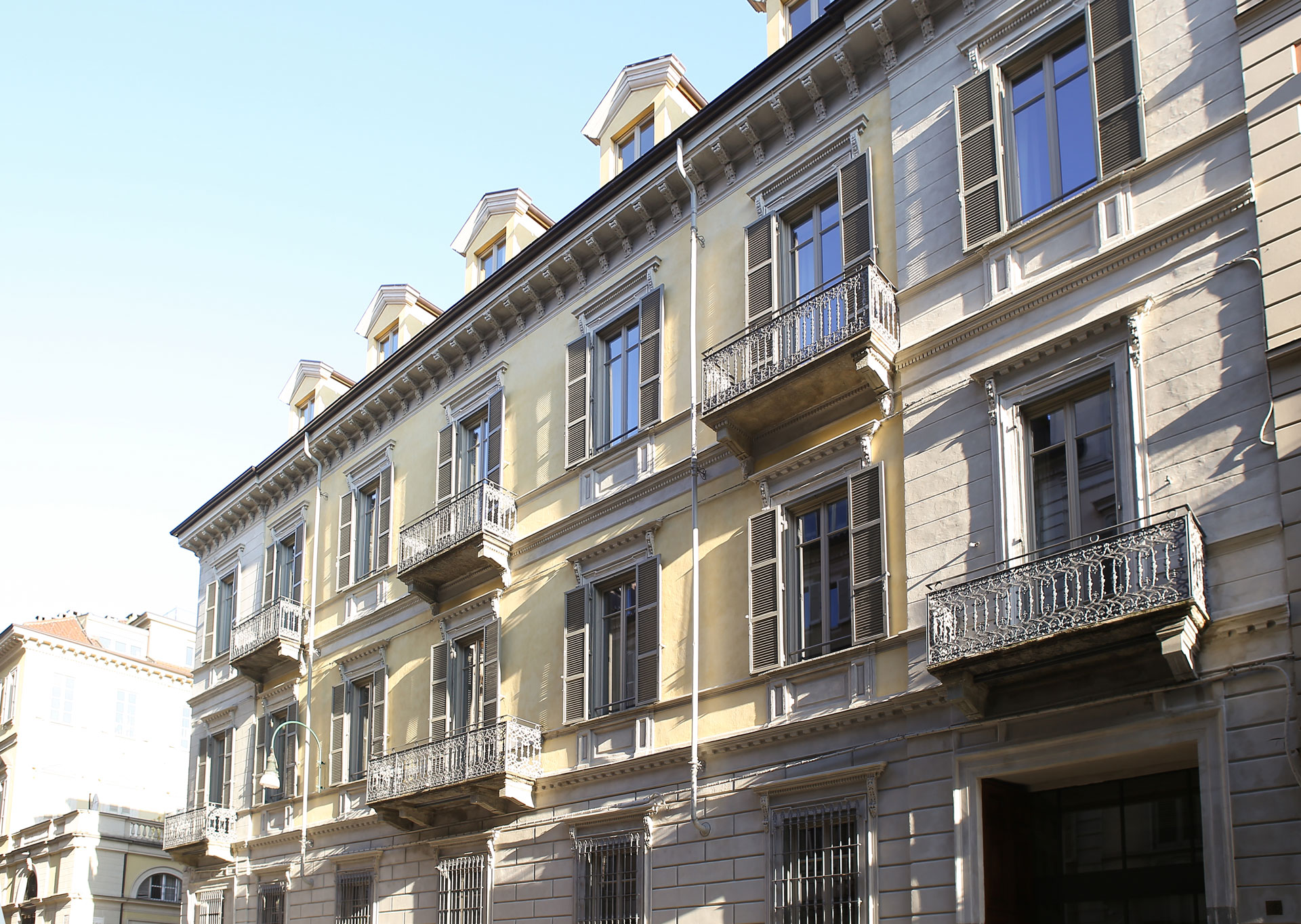
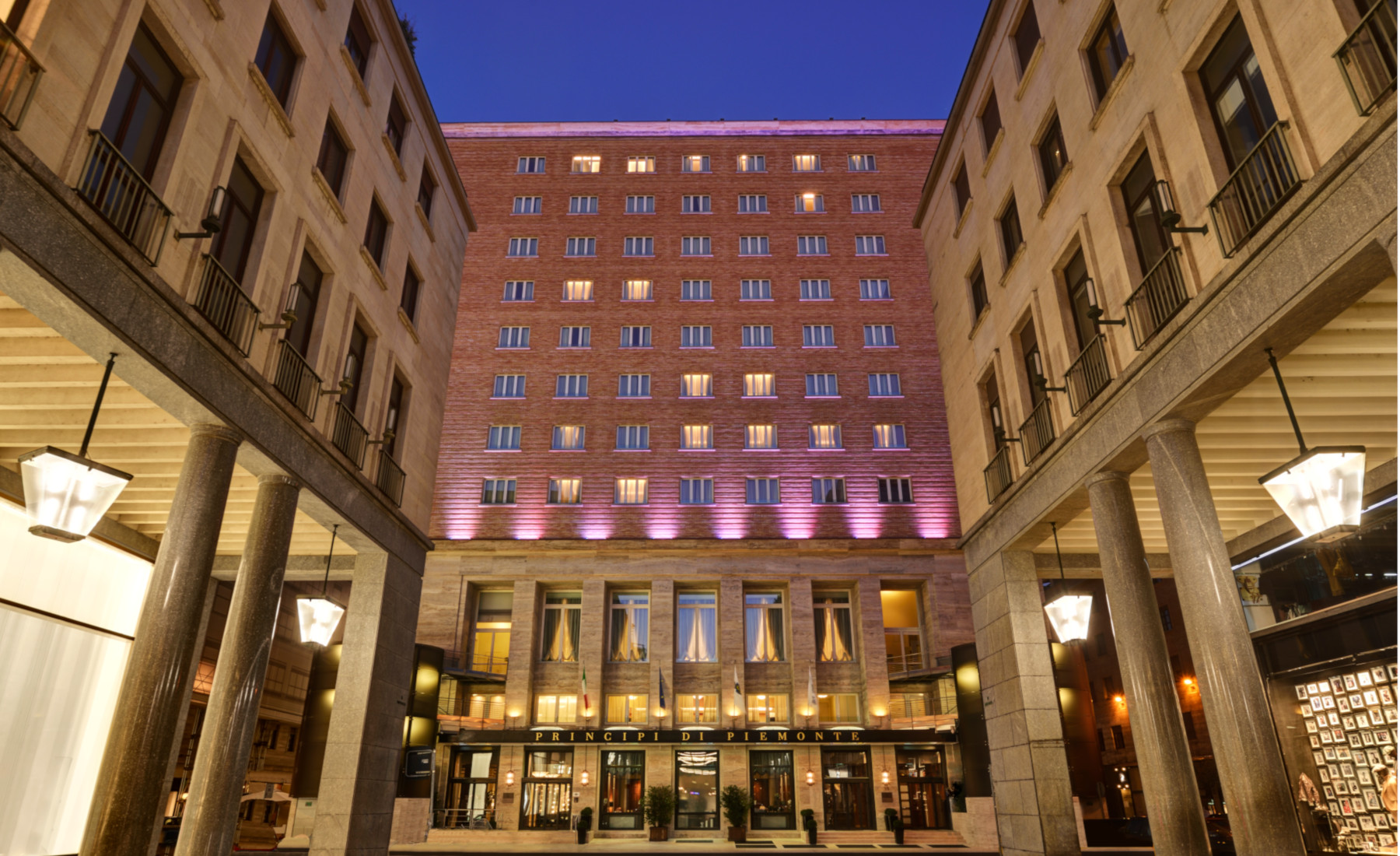
2 recommended properties
Money-Saving Tips
- 1.Many museums offer free entry on the first Sunday of each month
- 2.Aperitivo bars provide substantial free food with drink purchase - skip lunch and go straight to 6 PM drinks
- 3.The Torino+Piemonte Card (€35 for 48 hours) includes public transport and museum entries
- 4.Shop at Porta Palazzo market for fresh produce and local specialties at fraction of restaurant prices
- 5.Book dinner at lunch counters like Osteria del Borgo for the same quality at half the price of evening service
- 6.Free walking tours operate daily from Piazza Castello - tip-based so you control the cost
Travel Tips
- •Download the GTT app for real-time public transport updates and mobile tickets
- •Restaurants close between 2:30-7:30 PM, so plan your meal times accordingly
- •Learn basic Italian greetings - Turin locals appreciate the effort more than in tourist-heavy cities
- •Book restaurant reservations in advance, especially for dinner - many popular spots fill up
- •Carry cash for small purchases - some cafes and markets don't accept cards under €10
- •The city center is mostly pedestrian-friendly but cobblestones can be tough on luggage wheels
- •Museums typically close on Mondays - plan your cultural visits for Tuesday through Sunday