Turku
Bali's spiritual heart surrounded by emerald rice terraces
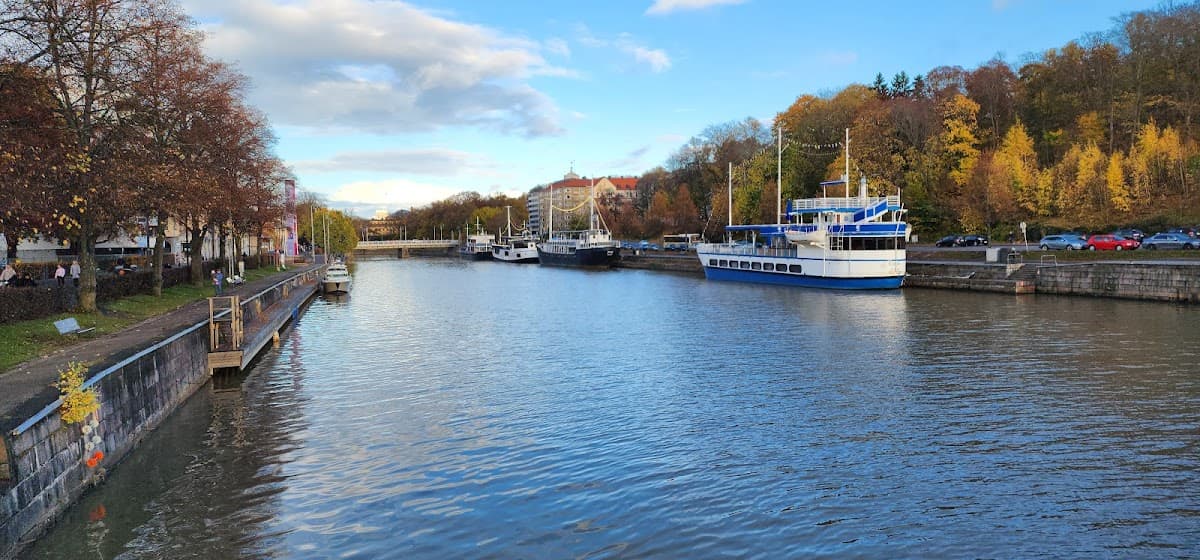
Finland's oldest city sits where the Aura River meets the Baltic Sea, and honestly, most people skip it for Helsinki. Their loss. Turku was Finland's capital for 600 years, and you can feel that history in every cobblestone street around the medieval cathedral. But this isn't some sleepy museum town. Students from the University of Turku keep the bars buzzing, local chefs are putting Nordic cuisine on the map, and the summer riverboat scene rivals Stockholm's archipelago. The castle dates to 1280, the restaurants serve reindeer with lingonberries, and you can island-hop to 20,000 skerries without leaving the city limits.
Best Months
APR – OCT
~16°C · moderate crowds
Culture & Context
BILINGUAL STUDENT SOUL
Turku is Finland's oldest city and its former capital, and locals have never quite let Helsinki forget it. The population of around 210,000 skews young, largely because of the University of Turku and Åbo Akademi (a Swedish-language university). That student energy keeps the city relaxed and relatively affordable by Finnish standards.
Here's the thing about Turku: it's officially bilingual. Finnish and Swedish both appear on street signs, menus, and official communications. The city's Swedish name is Åbo, and you'll actually meet Finnish-Swedes who use it daily.
Sisu, the Finnish concept of gritty resilience and stoic determination, runs deep here. Locals tend to be quiet but warm once you break the ice. Don't mistake silence for rudeness.
Personal space matters. Greet people with a handshake in formal settings and a simple "Hei" everywhere else. The sauna is not a tourist gimmick but a genuine social institution.
If someone invites you to one, go. The Aura River is the social spine of the city. On summer nights, everyone ends up along the riverbanks, either at a terrace restaurant or with a can from the supermarket sitting in the grass.
Local Customs
SILENCE IS GOLDEN
The sauna is sacred. If you get an invite, accept it. Strip down, don't talk too much, and enjoy the silence.
It's not weird — it's the most Finnish thing you can do.. Silence is comfortable here. Finns do not fill quiet moments with small talk.
Don't feel pressured to chat constantly; it'll actually make people like you more.. Shoes off at the door when entering someone's home. Always..
Tap water in Turku is excellent. Skip the bottled stuff — ordering tap water at a restaurant is completely normal and usually free.. Look for 'lounas' signs at lunch.
These fixed-price lunch deals (roughly €10–13) are how locals eat affordably at sit-down restaurants. Most stop serving by 2–3 PM.. Alcohol is expensive in bars.
The local move is grabbing cans from an S-Market or K-Market and drinking by the river. Totally normal and widely practiced.. Queuing is serious business.
Do not cut in, ever. Finnish queue etiquette is strict.. The Föri ferry across the Aura River is free and beloved.
Locals literally talk about it with affection. Ride it at least once.. Card payments are accepted virtually everywhere.
Carrying cash is unnecessary and slightly old-fashioned.
Safety
VERY SAFE
Turku scores around 86 out of 100 for safety perception in 2026, which puts it well ahead of most European cities. Violent crime is rare. The realistic risks are minor: petty theft can happen in crowded areas or bars, and the area near the main train station can get rough late at night on weekends due to drunk people being loud and occasionally pushy.
They're rarely dangerous, but they can be annoying. The standard advice applies: keep your bag zipped, don't flash expensive phones in crowded spots, and use common sense after midnight. Solo female travelers consistently report feeling safe here.
If you're heading out to the Turku Archipelago by boat or kayak, make sure someone knows your route — some islands are private property, and island-hopping without a chart is genuinely risky. Emergency number is 112. Card payments are accepted everywhere, so you won't need to carry much cash.
Getting Around
BUSES & FREE FERRIES
Getting to Turku: VR trains from Helsinki take roughly 2 hours and run frequently throughout the day. Turku Airport handles domestic flights and a handful of European routes — it's small but easy to navigate. Ferry connections to Stockholm (Viking Line, Tallink Silja) and Tallinn depart from the harbor.
Within the city: the Föli bus network covers the whole city. A single ticket costs around €3. The Föri cable ferry crosses the Aura River continuously throughout the day and is completely free.
Getting to Ruissalo Island during Ruisrock means taking shuttle buses from the city center — no cars allowed on the island during festival weekend. Expect slow movement during peak festival hours; up to 35,000 people use the same roads. Cycling is a genuinely good option.
Turku is flat, relatively small, and has bike infrastructure. A seasonal bike pass runs around €35–45. Taxis exist but are expensive by most standards.
Book through official apps rather than hailing off the street.
Useful Phrases
Money-Saving Tips
- 1.Buy groceries at K-Market or S-Market instead of tourist areas - prices drop 30% outside the city center
- 2.The Turku Card costs €25 but includes free museum entry and public transport, paying for itself after 3 attractions
- 3.Restaurant lunch menus run €12-15 vs €25+ for dinner - eat your main meal at midday
- 4.City bikes cost €2/day vs €40+ for taxi rides - perfect for getting around the compact center
- 5.Happy hour at riverside bars runs 4-6 PM with €2-3 off cocktails
- 6.Kauppahalli market hall offers authentic Finnish lunch for under €10 vs €20+ at tourist restaurants
Travel Tips
- •Download the Föli app for real-time bus schedules - Finnish public transport runs exactly on time
- •Book Kaskis restaurant weeks ahead if you want the Michelin star experience
- •Pack layers even in summer - Baltic Sea winds can drop temperatures 10 degrees in minutes
- •Learn basic Finnish greetings - locals appreciate the effort even if they speak perfect English
- •The castle closes at 4 PM in winter, so plan morning visits during short daylight hours
- •Restaurant boats along Aura River require reservations in summer - book when you arrive
- •Bring a reusable water bottle - tap water is excellent and free everywhere
- •Cash still works better than cards at market stalls and some smaller cafes