Japan
20 Days of Adventure Across Japan’s Peaks and Temples
Zipline, onsen, and temples on a seamless 20-day Japan adventure
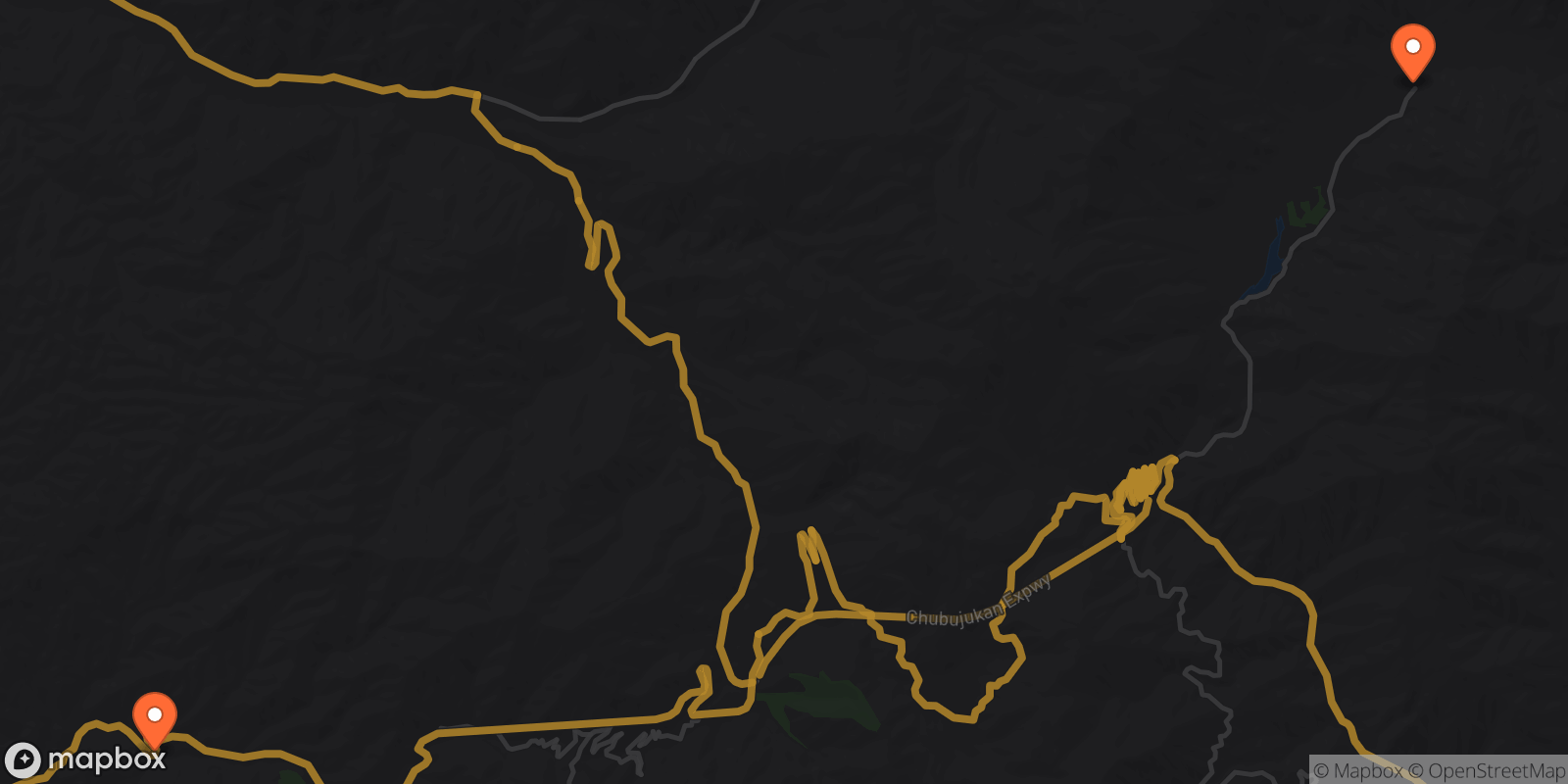
A 20-day, packed-but-comfortable route from Tokyo through Hakone, the Japanese Alps, Kyoto, Nara, Hiroshima, Miyajima, and Osaka, blending adrenaline, nature, and deep culture. You’ll hike, zipline, meet wildlife, soak in onsen, explore shrines and castles, and sample local food markets and neighborhoods with minimal backtracking.
Highlights
Capture neon cityscapes and serene shrines from Asakusa to Shibuya.
Relax in hot springs with views of Mount Fuji and lake scenery.
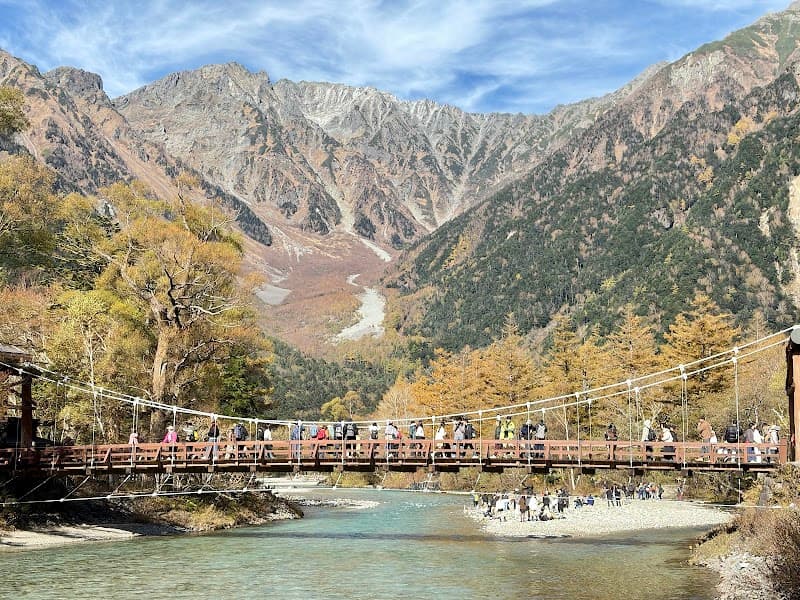
Hike the Japanese Alps around Kamikochi and Takayama’s old town.
Walk through iconic gates, bamboo groves, and historic tea districts.
Visit Peace Memorial sights and nearby Miyajima’s floating shrine.
Feast on street food and explore lively markets and shopping arcades.
Good to Know
Use IC Cards for Transit
Get a rechargeable IC card (like Suica, PASMO, or ICOCA) to tap in and out of most trains, subways, and buses across major cities.
Cash and Cards Balance
While cards are widely accepted in cities, smaller shops, temples, and rural areas still prefer cash, so keep some yen on hand.
Onsen Etiquette Basics
Wash thoroughly before entering communal baths, bathe naked (no swimsuits), and keep towels out of the water.
Quiet Public Transport
Speak softly, keep phone calls to a minimum, and set phones to silent on trains and buses.
Tipping Not Expected
Tipping is not customary in Japan and can cause confusion; exceptional service is already included in prices.
Trash Carry Policy
Public trash bins are scarce, so carry a small bag to hold your rubbish until you find a bin or return to your hotel.
Temple and Shrine Respect
Follow posted instructions, don’t enter closed areas, and avoid loud conversations or intrusive photos of people praying.
Street Food and Walking
In many areas eating while walking is discouraged; stand to the side or use designated eating spaces, especially at shrines and markets.
Weather and Layers
Pack lightweight layers and a compact rain jacket, as weather can change quickly, especially in mountain and coastal areas.
Language and Phrases
Learn a few basic Japanese phrases like ‘sumimasen’ (excuse me), ‘arigatou’ (thank you), and ‘onegai shimasu’ (please).
Shoes On and Off
Be prepared to remove your shoes when entering some accommodations, temples, and traditional restaurants; wear socks in good condition.
JR Pass vs Point-to-Point
Compare the cost of Japan Rail Passes with individual tickets for your exact routes before buying, especially for multi-city trips.
Luggage Forwarding
Use takkyubin services to send large suitcases between hotels, traveling with a smaller bag for overnight stays when needed.
Convenience Store Power
Konbini like 7-Eleven, FamilyMart, and Lawson sell inexpensive meals, drinks, and basic supplies 24/7.
Respect Photo Rules
Some temples, museums, and performances prohibit photography; always check for signs before shooting.
Plan Peak Sight Times
Arrive early at popular spots like Fushimi Inari, Arashiyama, and Miyajima to avoid crowds and midday heat.
Seasonal Clothing for Onsen
Bring or use provided yukata robes; wear them loosely and comfortably within the onsen facility and ryokan.
Travel Insurance for Adventure
Ensure your insurance covers hiking, ziplining, and other adventure activities you plan to do.
Climbing and Hiking Footwear
Pack supportive walking shoes or light hiking shoes for days with long walks and hikes like Kamikochi or Mount Misen.
Hydration and Vending Machines
Use Japan’s ubiquitous vending machines for quick water, tea, or sports drinks, especially in summer.
Restaurant Ordering Systems
Some places use ticket machines or tablet menus; pay at the machine or at the register beforehand when required.
Train Luggage Etiquette
Store large bags in designated areas or overhead racks and avoid blocking doors and aisles.
Wi-Fi and SIM Options
Consider a local SIM or pocket Wi-Fi if you need navigation often, but many stations and cafés also provide free Wi-Fi.
Restaurant Peak Times
Popular restaurants may have lines during lunch and dinner peaks; visiting slightly earlier or later can reduce waiting.
Emergency and Safety
Japan is generally very safe, but keep valuables close in crowds and know that 110 is the police number and 119 is for fire/ambulance.
Respect for Nature on Trails
Stay on marked paths, pack out your trash, and avoid feeding wildlife outside designated areas.
Shoes on Tatami
Never step on tatami mats with shoes and often not even with outdoor slippers; switch to indoor slippers or go barefoot/socks as indicated.
Timing Laundry Days
Plan to use coin laundries around mid-trip in Takayama, Kyoto, or Osaka, where many accommodations or nearby shops have machines.
Zipline and Adventure Booking
Reserve zipline and adventure park slots in advance, especially on weekends and in peak seasons, and check age/weight limits.
Seasonal Festival Crowds
Major festivals, cherry blossom, and autumn foliage periods bring crowds and higher prices; book trains and hotels early.
Food Allergies and Preferences
Carry a card in Japanese explaining any serious allergies and show it at restaurants, as English may not be widely understood everywhere.
Your Weekend Itinerary

Tokyo Outside Adventures Bouldering Session
Indoor bouldering session at a Tokyo climbing gym with rental shoes available (operator example: Tokyo Climbing Gym & Yoga Shibuya).
2h · $20-30Travel Tokyo to Hakone & Hakone Ropeway
Take the train to Hakone, ride the Hakone Ropeway over Owakudani’s volcanic valley, and enjoy views of Lake Ashi and Mount Fuji when clear.[2][4]
3h · $40-60 including passes19 activities across 12 days
Map