Naoshima
Seven Slow Days on Naoshima Art Island
Drift through art, sea, and forest on Japan’s wildest art island
Planning a trip to Naoshima?
A full week of calm island wandering on Naoshima, balancing world‑class art museums with quiet fishing villages, sea views, and leafy back lanes. Designed for a solo traveler who wants low‑stress days, halal‑friendly food, and a lush, slightly wild island vibe.
Highlights
Experience Tadao Ando’s underground museum where natural light and architecture transform Monet and James Turrell’s works.
Walk the coast between Miyanoura and Benesse, discovering outdoor artworks framed by pines, grass and the Inland Sea.
Explore Honmura’s traditional lanes where old homes hide avant‑garde installations and quiet gardens.
Soak in Naoshima Bath’s playful art‑filled public bath, a surreal but relaxing evening ritual.
Follow leafy hill paths and overgrown shortcuts that link villages, shrines, and hidden sea views.
Unplug at tiny cafés and harborsides where fishermen, artists, and travelers share the same sunset.
Where to Stay

Benesse House (Park or Beach)
Museum‑hotel designed by Tadao Ando set among green hills and seaside sculpture trails, with rooms overlooking art, trees and the sea.
$280-380/night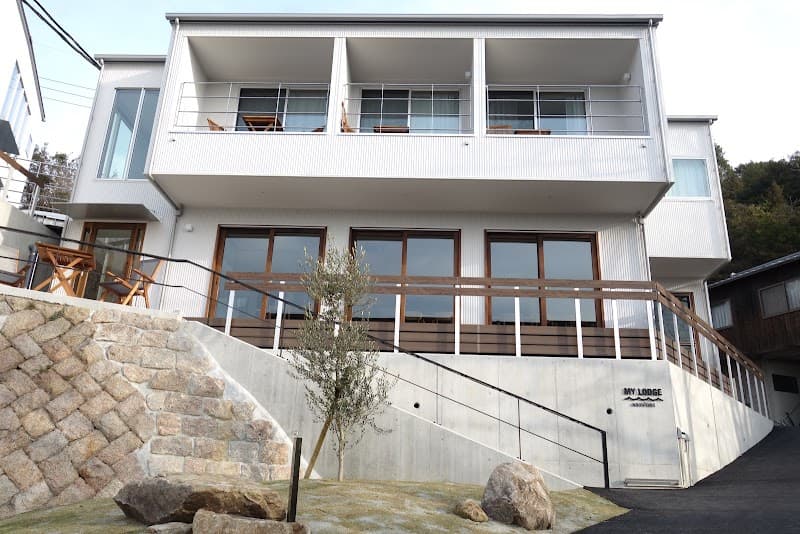
My Lodge Naoshima
Modern, simple lodge perched above the port with large windows, wood textures, and sea views, surrounded by a bit of greenery.
$120-180/nightGood to Know
How to Reach Naoshima Smoothly from Mainland Japan
From Osaka or Kyoto, take the Shinkansen to Okayama, then a local train to Uno (about 50–60 minutes), and catch the ferry to Miyanoura Port; from Takamatsu, you can sail directly to Naoshima. Aim to arrive by early afternoon so you can check in and explore in daylight.
Getting Around: Buses, Bikes, and Walking
The island bus runs between Miyanoura, Honmura, Tsutsuji-so, and the museum areas; services are not frequent but are well timed for museum visits. You can also rent a bike, but if you’re not a confident rider on hills, stick to buses and walking—most sights are within a 15–20 minute radius once you are in the right neighborhood.
Halal Food Strategy on a Small Japanese Island
Naoshima has no dedicated halal restaurants, so rely on vegetarian, seafood, and packaged options. Always ask staff politely about pork, meat broths, and alcohol in sauces using simple phrases or a translation card, and keep some trusted snacks from the mainland for backup.
Museum Reservations and Crowd Timing
Chichu and Teshima Art Museum often require timed tickets—buying online in advance is safest, but if you prefer flexibility, aim for early morning or late afternoon slots on weekdays when crowds are thinner and standby chances are better.
Cash, Cards, and ATMs
Some museums and larger cafés take cards, but bus fares, small shops, and older cafés are often cash only. Withdraw enough yen in Okayama, Uno, or Takamatsu before boarding the ferry, and keep small coins handy for buses.
What to Pack for a Jungle‑Wild Island
Bring comfortable walking shoes, a light rain jacket, hat, sunscreen, insect repellent for summer evenings, and a small daypack. A compact umbrella and phone flashlight are handy for sudden showers and dark village lanes.
Respecting Local Life in Tiny Villages
Honmura and Miyanoura are real communities; keep voices low at night, don’t photograph people’s homes or gardens without permission, and follow signs about where you can and cannot walk or sit.
Offline Maps and Limited Connectivity
Download offline maps for Naoshima and Teshima before arriving, and save locations for your accommodation, bus stops, and ferries; mobile coverage can dip on coastal paths and in some valleys.
Your Week Itinerary
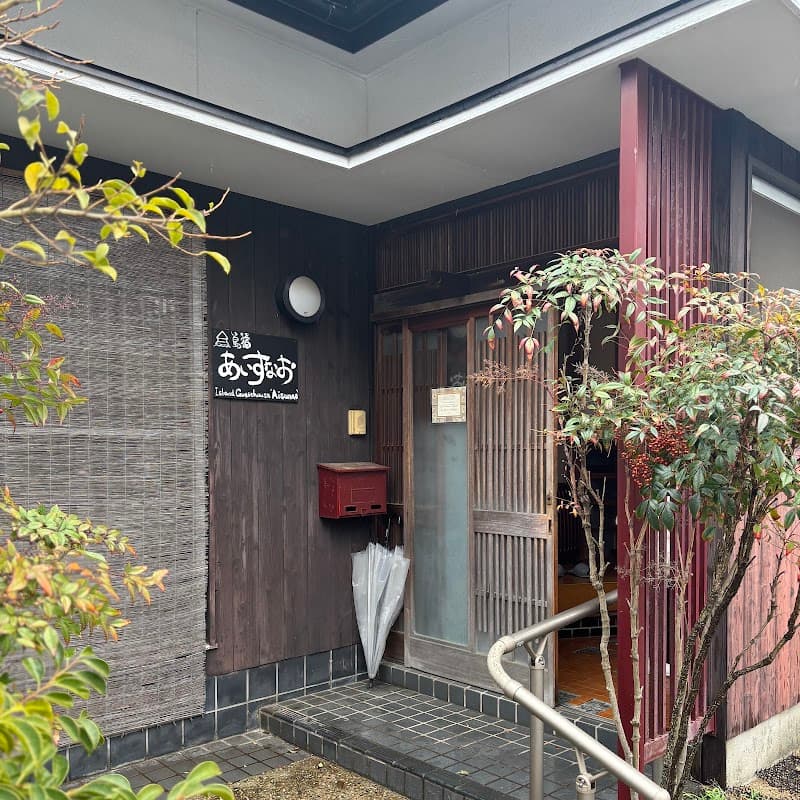
Aisunao
Cozy old‑house café near the Art House Project; order the vegetable curry set or seasonal vegetable set and request it without alcohol or meat to keep it halal‑friendly.
1h · $15-25 per person
Yuunagi Shokudo (Set Meal & Udon)
Simple local diner near Miyanoura Port; choose plain udon, onigiri, and vegetable side dishes, and confirm no pork, beef or alcohol in the broth for a halal‑compatible meal.
1h · $10-20 per personMiyanoura Port Arrival & Seaside Walk
Arrive by ferry, drop bags at your accommodation, and stroll along the small harbor to see outdoor works like the Naoshima Pavilion and soak in first impressions of the sea and hills.
1h 30m · Free
Honmura Art House Project (Intro Loop)
Walk from house to house (like Kadoya, Minamidera, Go’o Shrine) where old homes have been transformed into installations; pick 3–4 to keep it relaxed.
2h 30m · $20-30 (combined tickets)Honmura Village Free Explore
Wander narrow side streets, spot roadside shrines, peek into tiny gardens, and photograph the contrast between tiled roofs and surrounding greenery.
1h · FreeMiyanoura Evening Harbor & Sunset
Sit on the seawall by the port and watch the sky change colors over the Seto Inland Sea as ferries and fishing boats come and go.
1h · Free
Café Salon Nakaoku
Quiet, slightly overgrown garden café in a renovated home; order toast, salad, and coffee or tea, checking that any spreads and soup are free from meat and alcohol.
1h · $10-18 per person
Benesse House Museum Café
Light meals and set lunches inside the museum; ask for vegetarian pasta, salad, or soup options prepared without meat, fish stock or alcohol.
1h · $20-35 per person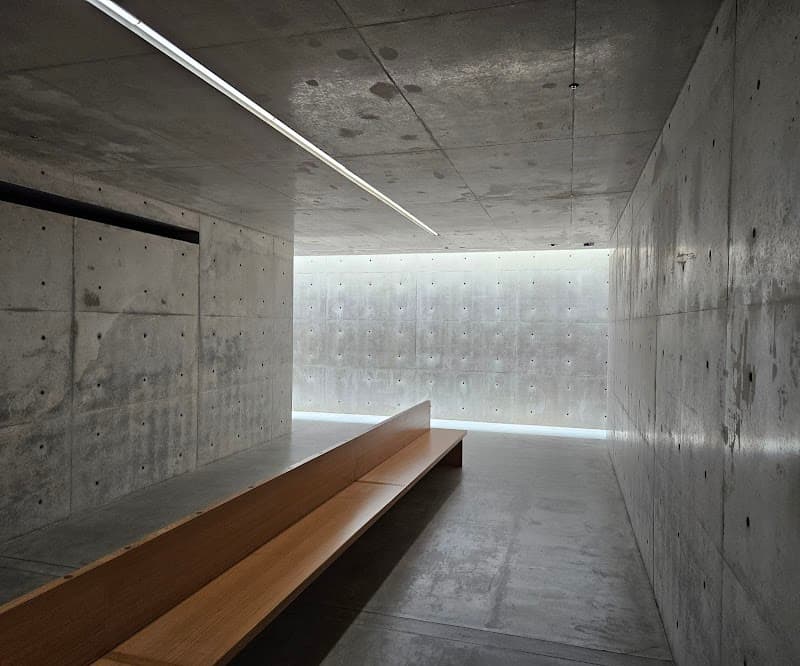
Chichu Art Museum
Spend the morning in Tadao Ando’s underground museum, focusing on the Monet room, James Turrell installations, and how the natural light changes as time passes.
2h 30m · $25-30Benesse Seaside Sculpture Walk
Walk the paths between Chichu and Benesse House, discovering outdoor sculptures sitting among tall grass, pines, and sea views, including works along the shore.
1h 30m · FreeBenesse House Museum
Explore the museum’s collection of contemporary art integrated with Ando’s architecture, with windows framing the sea and open terraces facing the hills.
2h · $15-20
Miyanoura Night Stroll
Return by bus, then wander the dimly lit streets near the port, listening to insects and waves and seeing the Naoshima Pavilion glowing at night.
45m · Free36 activities across 7 days
Map