Naoshima
7 Slow Days on Japan’s Dreamlike Art Island, Naoshima
Slow island days of art, sea breezes, and wild greenery
Planning a trip to Naoshima?
A relaxed, week‑long escape on Naoshima that balances world‑class contemporary art, quiet fishing villages, and wild seaside landscapes. Designed for a halal‑observant couple who want low‑stress planning, this itinerary clusters each day around walkable areas, with plenty of free time to wander, swim, and soak in the island’s tranquil jungle‑meets‑sea vibe.
Highlights
Experience Tadao Ando’s underground museum where natural light, concrete, and sea views frame iconic works by Monet and James Turrell.
Wander Honmura’s narrow lanes where old wooden homes have been transformed into immersive, experimental art spaces.
Stroll past Yayoi Kusama pumpkins, beachside installations, and quiet coves along Naoshima’s rugged coastline.
Cycle gentle roads between ports, villages, and museums, with constant views of forested hills and sparkling inland sea.
Unwind with sunset walks on uncrowded beaches framed by pine groves and lush hillsides.
Take a mellow day trip to nearby Teshima or Shodoshima for more art, rice terraces, and island scenery.
Where to Stay

Benesse House (Park or Beach Building)
Architect‑designed hotel embedded in the museum complex, surrounded by pine trees, lawns, and outdoor sculptures with direct access to the beach and galleries.
$280-420/night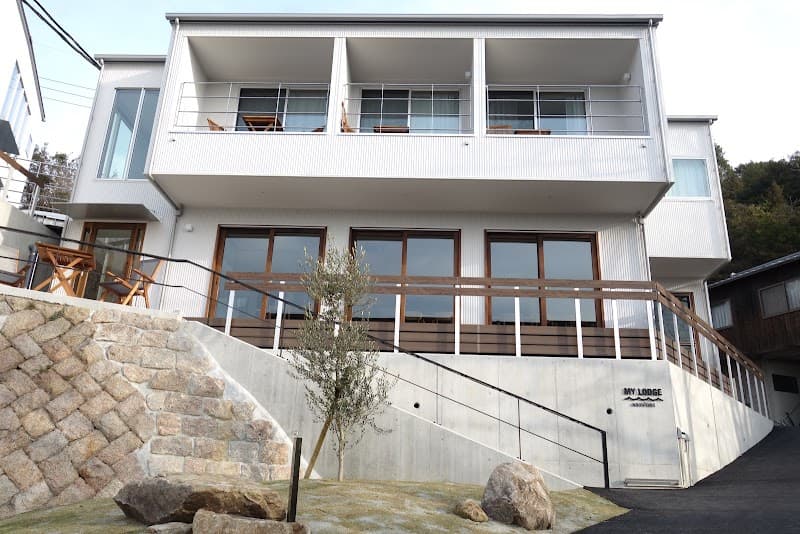
My Lodges Naoshima
Modern, simple cottages and rooms with lots of wood and greenery around, a short walk from the port, restaurants, bike rentals, and the art bath.
$140-220/night
Guest House Oomiyake or Similar Honmura Machiya Stay
Traditional wooden guesthouse in Honmura with tatami rooms and a leafy courtyard or garden, putting you right inside the Art House Project village.
$90-160/nightGood to Know
Halal Food Strategy on Naoshima
Naoshima has virtually no explicitly halal‑certified restaurants, so the best approach is to rely on seafood and vegetarian dishes at local eateries while clearly requesting no pork, no meat, and no alcohol in your food, and to bring a stash of halal‑certified snacks and instant foods from larger cities like Osaka, Kyoto, or Okayama.
Booking Art Museums in Advance
Chichu Art Museum and sometimes other Benesse facilities require advance reservations for specific time slots, which can sell out on weekends and holidays; book time slots first, then arrange your day‑by‑day plan around them rather than the other way around.
Getting Around: Bus vs. Bicycle
Buses run between Miyanoura, Honmura, and the Benesse area, but schedules can be infrequent; renting an electric bike on your first full day gives you flexible, scenic transport while still keeping distances short and manageable.
Packing for a Wild‑Coastal Island
Bring comfortable walking shoes, a light rain jacket, quick‑dry clothes, sunscreen, and a small daypack so you can handle sudden coastal showers and move easily between beaches, forests, and museums.
Cash, Cards, and Tickets
Carry enough yen in cash for buses, small cafés, and local shops, but use cards wherever possible at museums and ports; keep tickets and time‑slot confirmations printed or saved offline, since you won’t rely on constant internet.
Onsen and Sento Etiquette
At Naoshima Bath and any other public baths you visit, you’ll be expected to wash thoroughly before entering the shared tub, bathe naked (no swimsuits), keep towels out of the water, and stay quiet; if this feels uncomfortable, it’s fine to just enjoy the art and atmosphere in the lobby.
Respecting Art Spaces and Villages
Naoshima’s art installations are embedded in living neighborhoods; keep voices low, avoid photographing private homes, follow no‑photo rules in museums, and stay on marked paths so your visit supports rather than disturbs local life.
Weather Flex Days in a 7‑Day Stay
With a full week, you can treat one or two days as flexible—if heavy rain arrives, swap in indoor museums or reading time at your lodging and shift beach or cycling plans to a clearer day instead of forcing yourself outside.
Your Week Itinerary
Issen Naoshima (Seafood & Set Meals)
Casual, greenery‑framed restaurant near the port serving fresh local seafood and vegetable dishes. Halal‑friendly options: grilled or sashimi fish sets, tempura vegetables, rice, miso soup (ask them to avoid pork/alcohol‑based sauces and confirm broth is fish/seaweed based).
1h 15m · $18-30 per personArrival & Miyanoura Port Stroll
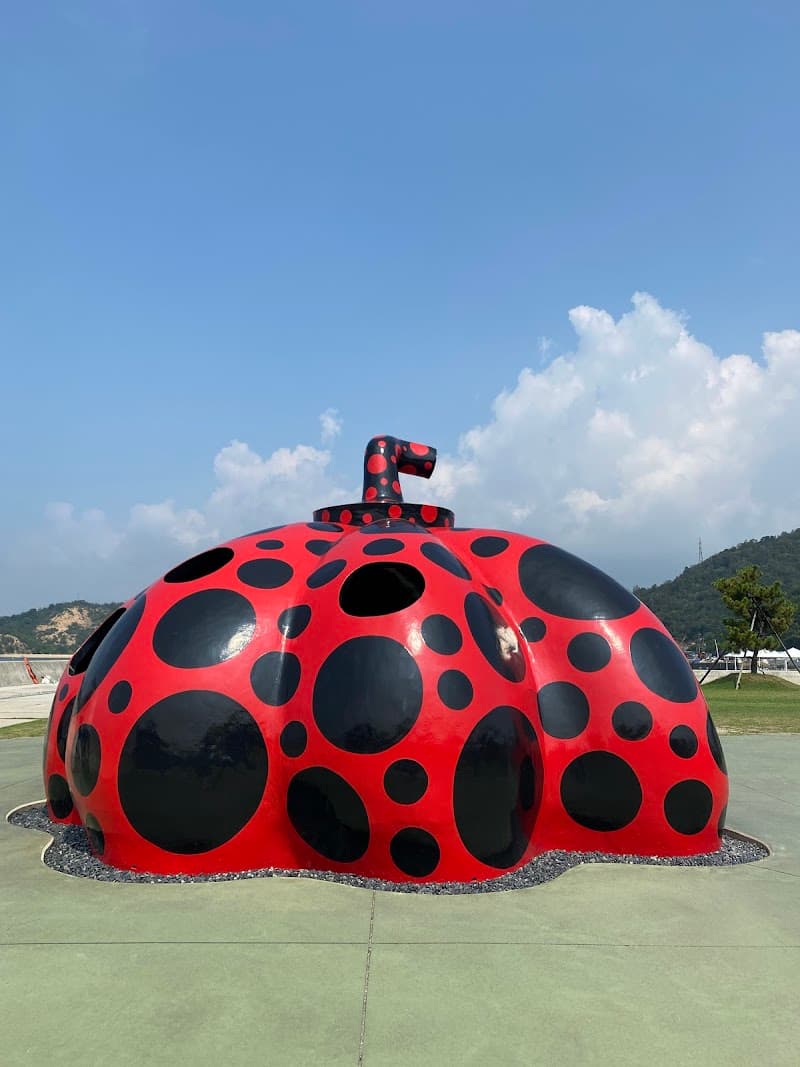
After arriving by ferry, wander the compact port area: check out the Red Pumpkin by Yayoi Kusama (if placed at Miyanoura at your time of visit), the small harbor, and narrow streets with low houses creeping up into green hills.
1h 30m · FreeMiyanoura Free Explore Time
Spend a couple of unstructured hours exploring side streets, photographing fishing boats, popping into small shops, and finding viewpoints where wild vegetation meets the harbor.
2h · Free (plus any small purchases)Cafe Ougiya (Bakery & Light Meals)
Simple cafe‑bakery close to the port with greenery around, offering bread, pastries, and simple plates. Halal‑friendly options: plain or cheese breads, vegetable sandwiches, salads, coffee/tea—avoid meat and items baked with visible ham/bacon.
45m · $6-12 per personAisunao (Brown Rice & Vegetable Meals)
Set inside a traditional wooden house with a small garden, this cozy place leans into simple, natural cooking. Halal‑friendly options: brown‑rice and vegetable set meals (ask for fully vegetarian with no dashi/fish stock if you prefer, and confirm no alcohol in sauces).
1h · $15-22 per personShimacoya (Homey Cafe Kitchen)
Small, plant‑filled cafe in an old house with a slightly bohemian feel. Halal‑friendly options: vegetable curries, pasta or rice bowls without meat, and side salads; explicitly request no pork or alcohol in your dish, and choose seafood or vegetarian bases only.
1h 15m · $18-28 per personNaoshima Orientation & Bike Rental
Rent standard or electric bicycles from a shop near the port, get a basic island map, and talk through main routes (Miyanoura–Honmura–Benesse) with the staff.
45m · $10-20 per person (full‑day rental)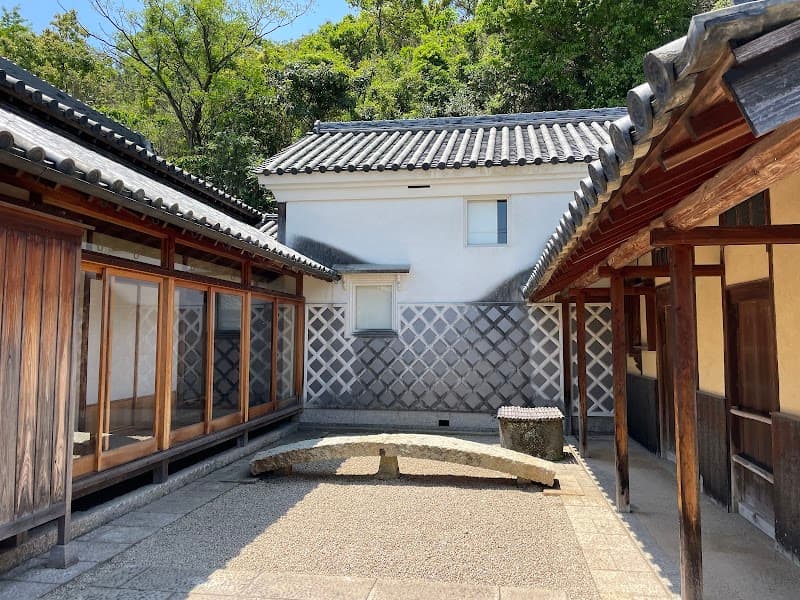
Art House Project – Honmura Village
Visit a selection of renovated old houses turned into art installations (e.g., Minamidera, Kadoya, Haisha, Go’o Shrine). Walk between them through lanes lined with greenery, stone walls, and traditional homes.
2h 30m · $10-20 (multi‑site ticket)Honmura Free Explore & Seaside Walk
After the Art House Project, stroll down to the small waterfront, watch local life around the pier, and walk short stretches of coast where trees meet the sea.
1h 30m · Free30 activities across 7 days
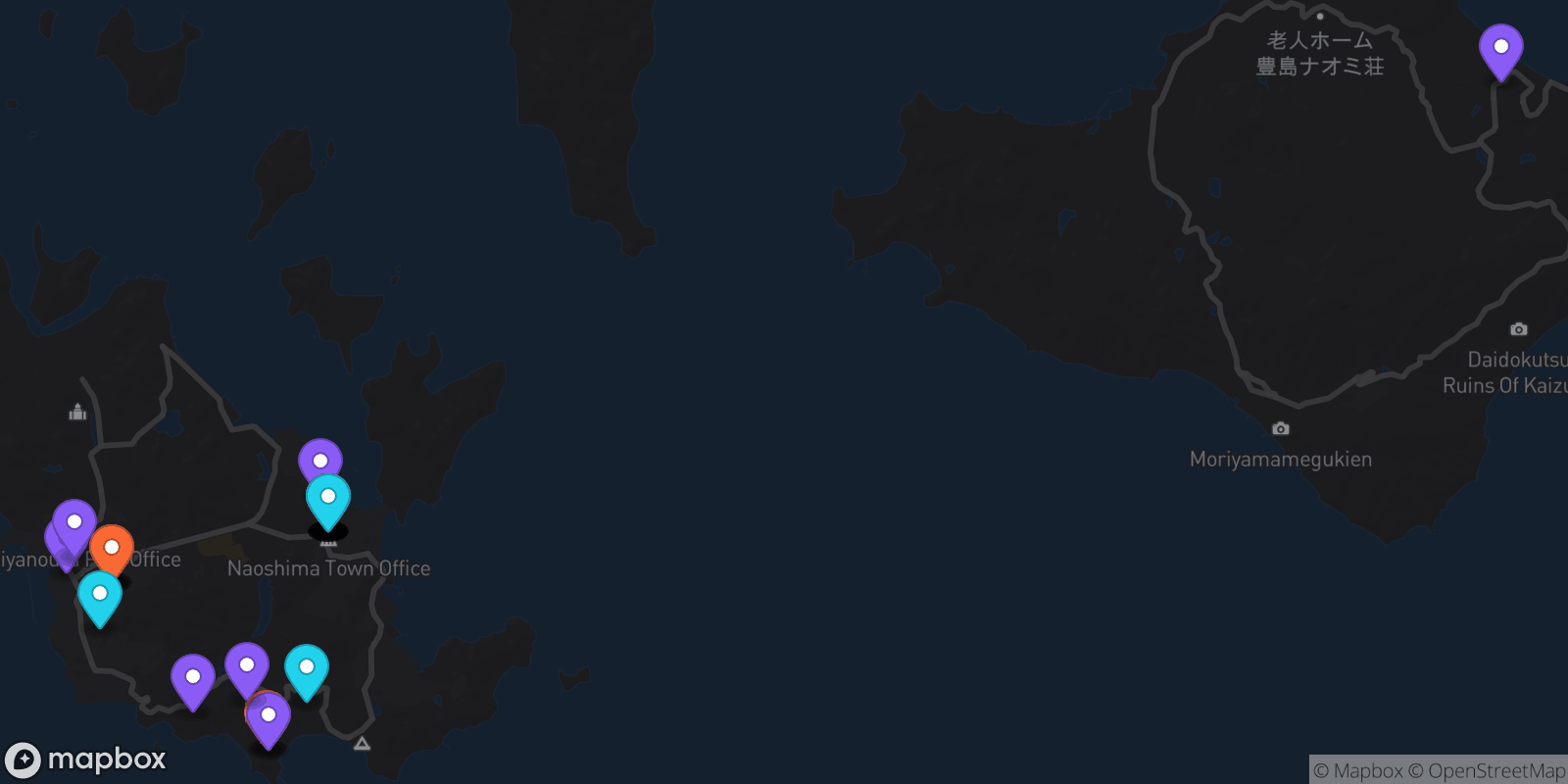
Map