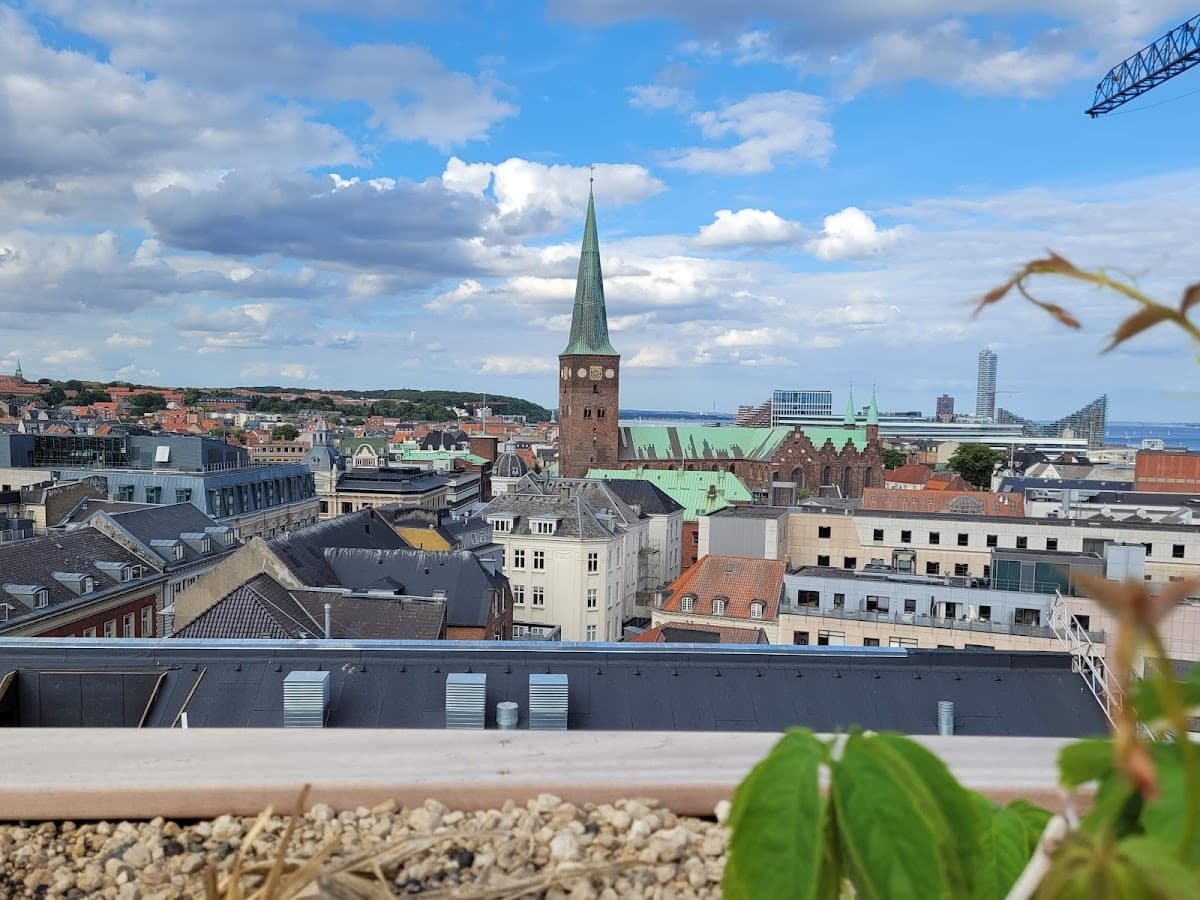
Aarhus
Denmark’s Quiet Capital of Cool
Look, Copenhagen gets all the attention, but Aarhus? This is where Denmark really shows off. The country's second-largest city sits pretty on the Jutland Peninsula, where medieval cobblestones meet bold modern architecture and world-class museums rub shoulders with cozy cafes. You'll find Michelin-starred restaurants next to traditional smørrebrød shops, and some of Europe's most innovative cultural spaces just steps from a perfectly preserved Latin Quarter. The locals here have mastered that Danish art of hygge without the tourist crowds of the capital.
Best Months
JAN · FEB · MAR · APR · NOV · DEC
~6°C · low crowds
Culture & Context
YOUNG, UNPRETENTIOUS NORDIC CULTURE
Aarhus calls itself "Smilets By" — the City of Smiles — and the nickname isn't just marketing fluff. It genuinely has the youngest demographic of any Danish city, anchored by Aarhus University (one of Scandinavia's largest), which keeps the whole place feeling alive and unpretentious. This isn't a museum piece of a city.
It's a working port town that also happens to have world-class art, a seriously good food scene, and more music festivals per summer than you can realistically attend. The locals are straightforward, friendly without being performative about it, and refreshingly unbothered by tourists — mostly because most tourists haven't figured out Aarhus exists yet. Copenhagen gets all the press.
Aarhus reaps the benefits. The pace is slower than the capital, the crowds are thinner, and you can actually get a table at a good restaurant without booking three weeks out.
Local Customs
NO PLEASE, BIKES FIRST
Denmark has no word for 'please' — and Danes aren't being rude when they don't use one. Tone of voice plus 'tak' (thank you) covers the politeness gap. Don't look for a direct translation..
Wait for everyone at the table to be served before you start eating. It's not a rule anyone will lecture you about, but locals notice.. Tipping is not expected.
Service charges are built into prices. Rounding up or leaving 10% at a restaurant you genuinely loved is appreciated, but nobody will make you feel bad either way.. Always buy your bus or light rail ticket BEFORE boarding.
There's no option to pay the driver on Aarhus city buses or the Letbane light rail. The Rejsebillet app or Rejsekort card are your best options. Getting caught without a valid ticket carries a real fine..
The city runs almost entirely on cards and apps. Some smaller vendors at markets take cash only — it's worth having 100–200 DKK in your pocket just in case, but you can survive the whole trip without it.. Bikes have full right of way.
If you're walking and step into a bike lane without looking, you will get a bell rung at you. Look before crossing any marked lane.. Hygge is real but Danes don't perform it.
It just means sitting together comfortably, often with coffee or beer, without needing to fill every silence. Lean into it.
Safety
SAFE & WEATHER-AWARE
Aarhus is one of the safer cities you'll visit in Europe. Crime rates are low, solo travelers do fine, and even late-night wandering in the center is generally without incident. Normal urban awareness applies — the area around Vesterbro Torv can get edgy after midnight, and a couple of underpasses near the train station attract loiterers. Nothing alarming, just not worth lingering in at 2am for no reason.
The bigger practical risk is the weather. Outside of July and August, it rains and the wind off the Kattegat is no joke. Dress in layers. A waterproof outer layer is not optional between September and May. The locals aren't being dramatic — they just learned to dress for it.
Denmark uses the Danish Krone (DKK), not the Euro. Card skimming is rare, contactless payment is the norm, and ATMs are plentiful in the center if you need cash. Emergency number: 112.
Getting Around
WALKABLE, BUY TICKETS FIRST
Getting around Aarhus is genuinely easy. The city center is compact enough that you can walk between most things. But here's what you need to know before you touch a bus or tram.
The public transport system is run by Midttrafik. Yellow buses cover the whole city. The Letbane (light rail) runs north toward Grenaa (Line L1) and south toward Odder (Line L2), with key stops at Aarhus Central Station, Dokk1, and the University Hospital. Use Rejseplanen.dk or the app to plan any journey — it covers buses, trains, and light rail in real time.
Critical point: you cannot buy a ticket on the city bus or light rail once you're on board. Buy before you board using the Rejsebillet app, a Rejsekort travel card (available at 7-Eleven at the train station), or the Aarhus Day Ticket from the Midttrafik customer centre at Rutebilstation. Also note the Midttrafik app stopped selling tickets on March 31, 2026 — don't rely on it.
There's currently a service disruption on parts of the light rail network. Due to a brake issue with the Variobahn trains, the L2 line runs at reduced frequency (4 trains per hour instead of 8) on the central section, and peak-hour L1 service has been trimmed since October 2025. For most tourist routes this won't matter much, but check Midttrafik's live updates before heading out.
Uber is illegal in Denmark. Taxis are expensive — starting fare around 50 DKK, then 12 DKK per kilometre. Save them for late nights or heavy luggage.
And look: Aarhus is a genuine cycling city. Bike lanes are everywhere and well-maintained. Renting a bike for a day or two is a completely viable way to see the city and get out to Marselisborg Forest or the beach without waiting for a bus.
Useful Phrases
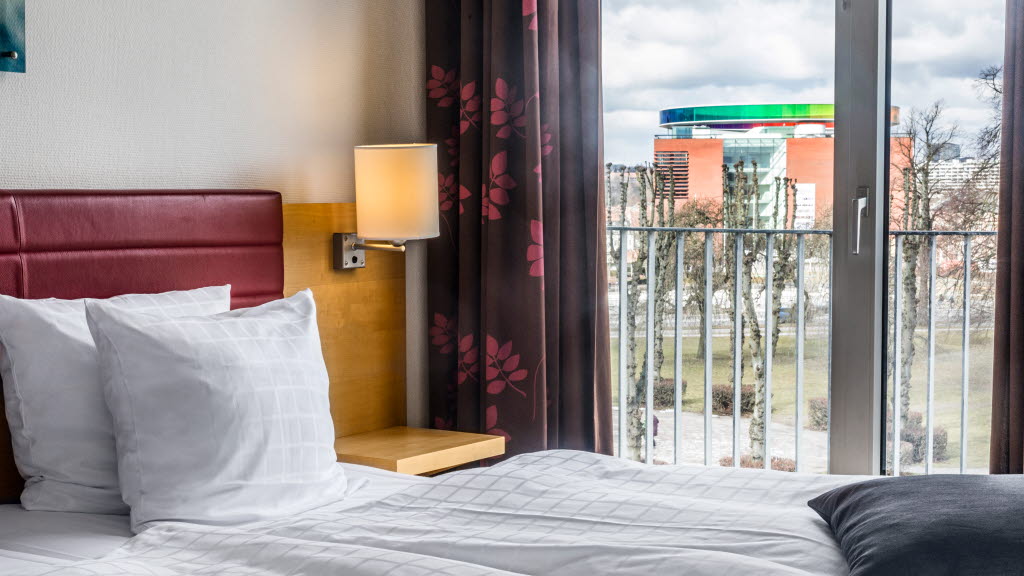
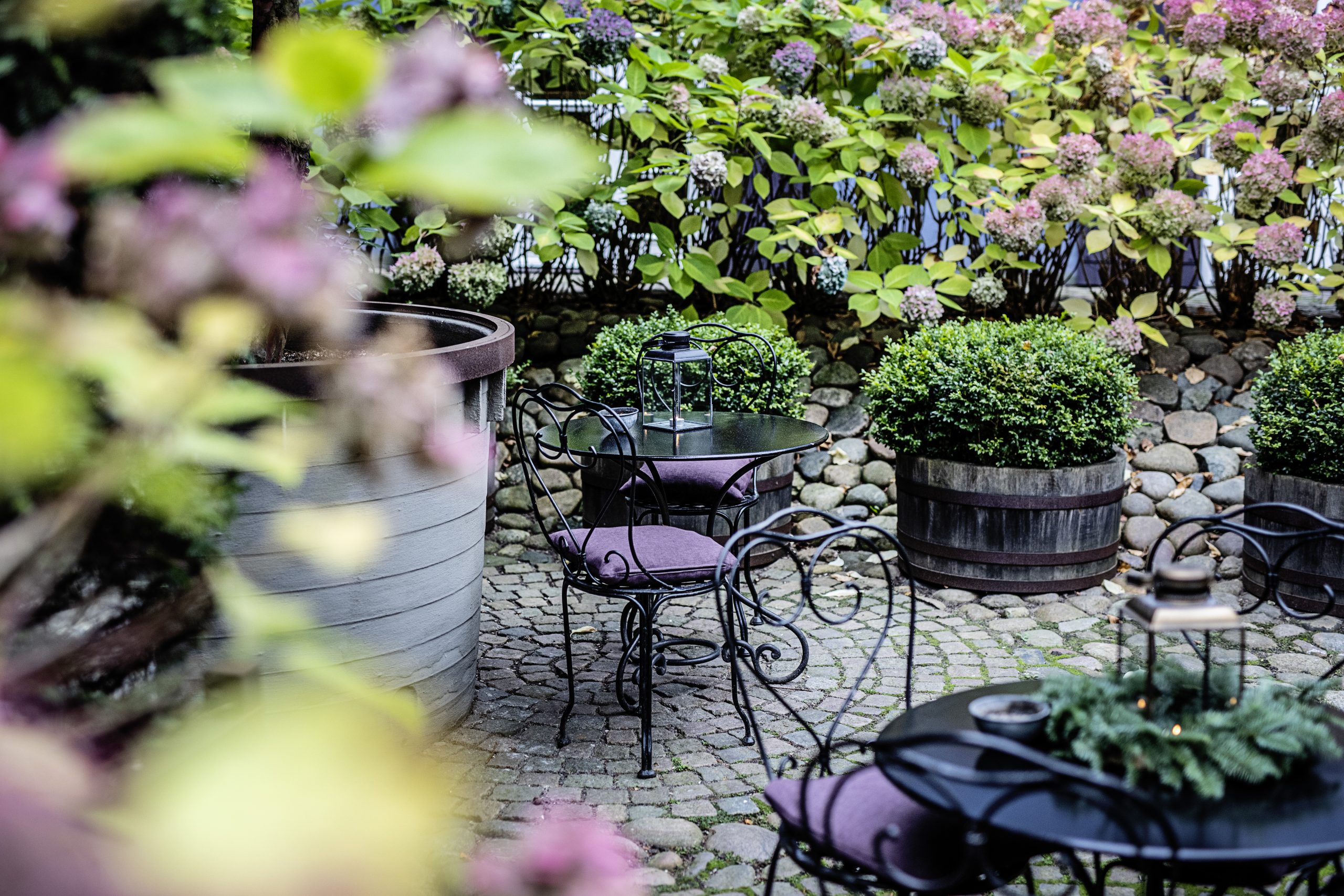
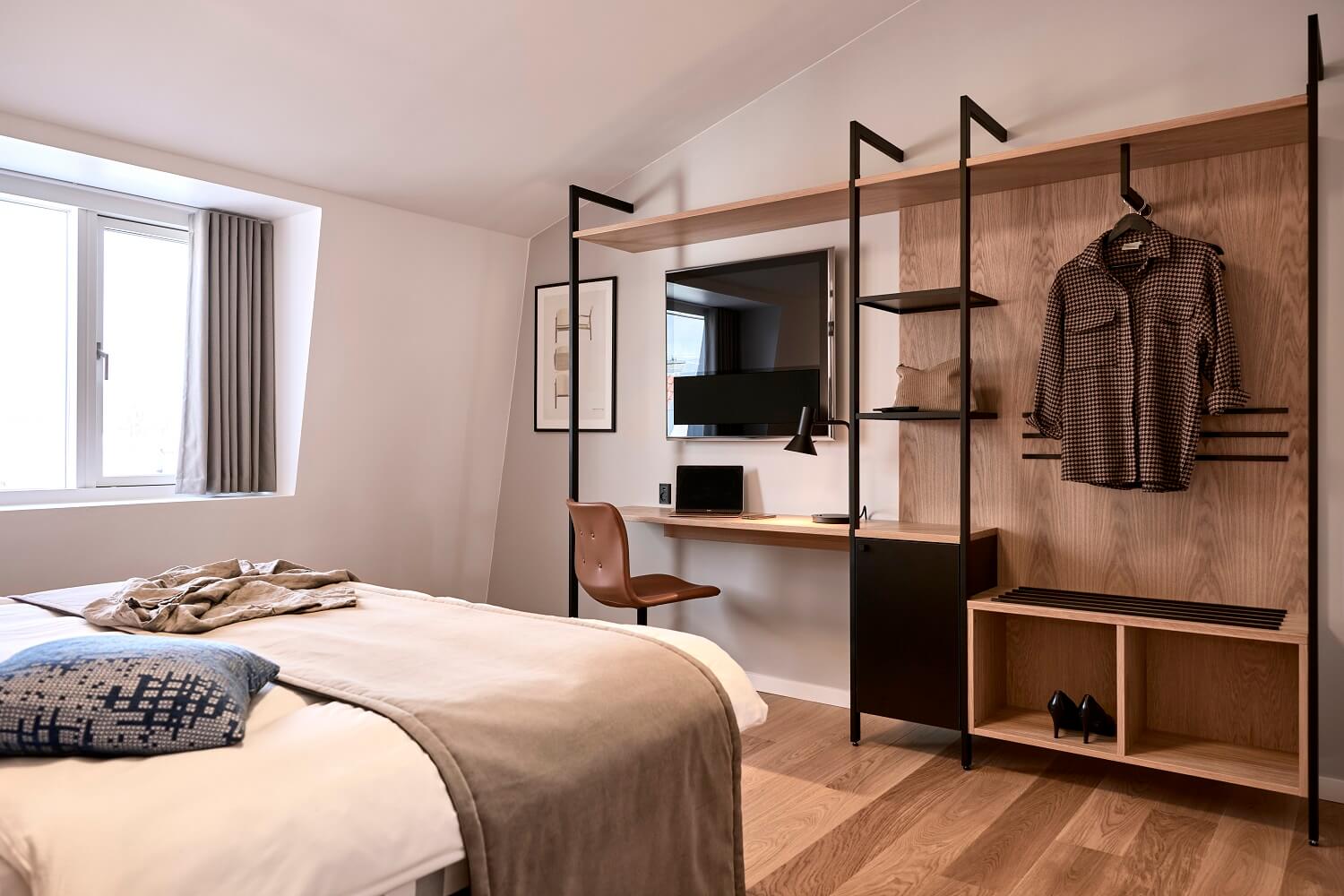
Where to Stay in Aarhus
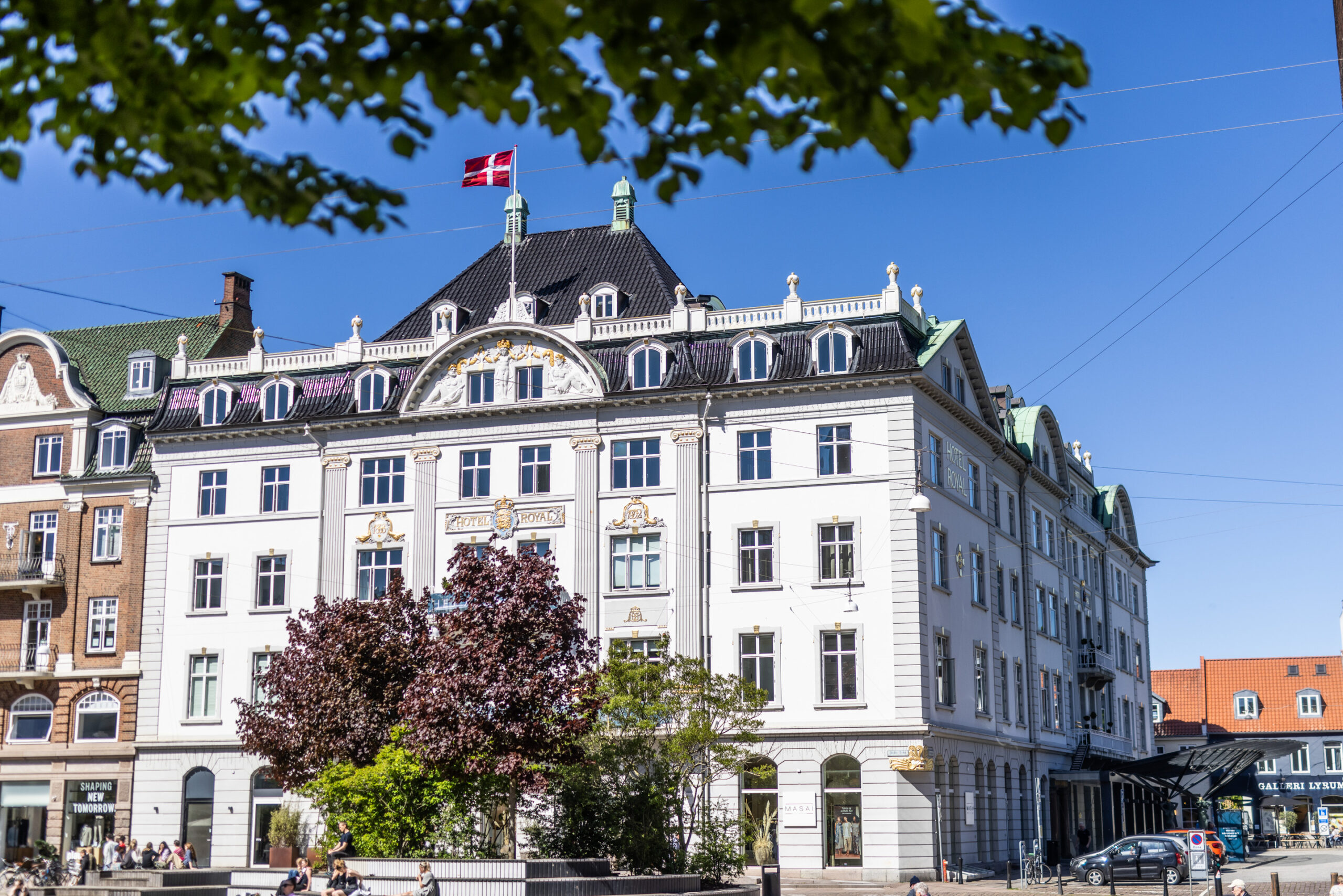
6 recommended properties

Money-Saving Tips
- 1.Buy a 24-hour transport pass for 80 DKK instead of single tickets - it pays for itself after 3 rides
- 2.Many museums offer free admission on Wednesday evenings for locals and savvy travelers
- 3.Lunch specials at high-end restaurants cost 60% less than dinner - try Michelin-starred Frederikshøj's lunch menu
- 4.Supermarket chains like Netto and Rema 1000 sell quality picnic supplies for fraction of restaurant prices
- 5.Book accommodations Sunday-Thursday for 40% savings compared to weekend rates
- 6.City bikes from Aarhus Cykler cost 150 DKK/day vs 300+ DKK for taxi rides across town
Travel Tips
- •Download the Letbane app for real-time public transport updates and mobile tickets
- •Most locals speak excellent English, but learning 'tak' (thanks) goes a long way
- •Restaurants typically close between lunch and dinner (2-5 PM) - plan accordingly
- •Tipping isn't expected but rounding up bills shows appreciation for good service
- •Many shops close early on Sundays or stay closed entirely - Saturday is better for shopping
- •Pack layers year-round - Danish weather changes quickly even in summer
- •Book restaurant reservations 2-3 days ahead, especially for dinner at popular spots
- •The Aarhus Card offers museum discounts but only saves money if you visit 4+ attractions