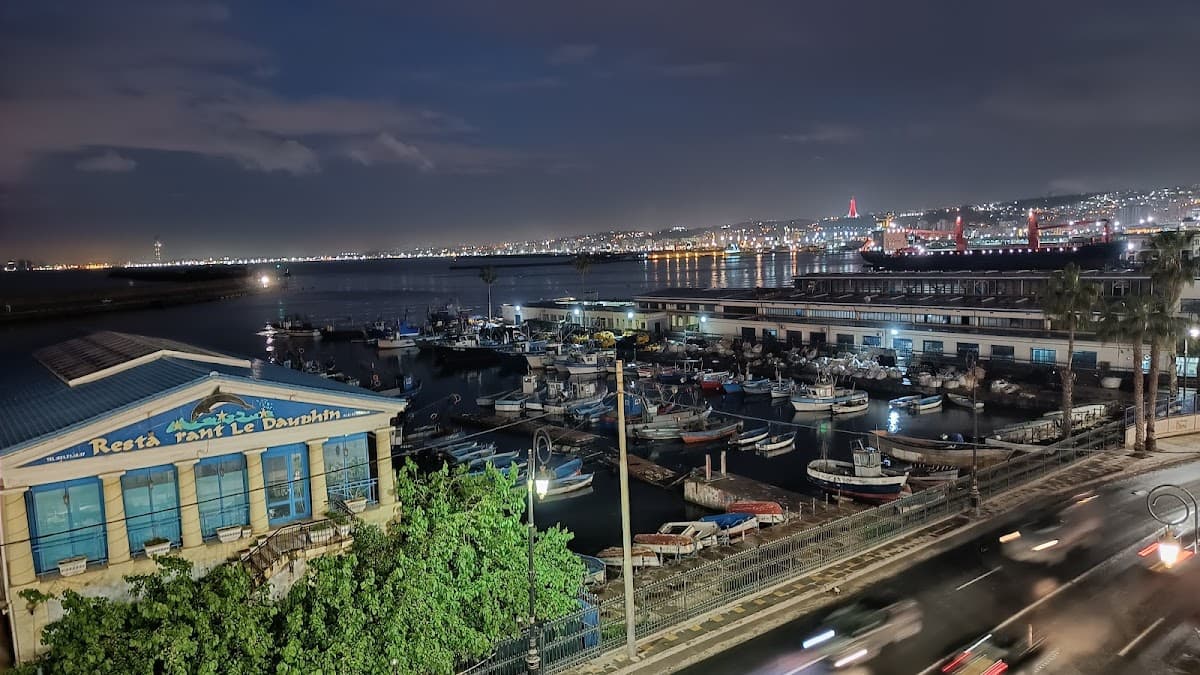
Algiers
North Africa's white-washed capital overlooking the Mediterranean
Algiers sprawls across hillsides above the Mediterranean like a giant amphitheater, its white buildings catching the light at every angle. This is North Africa's most overlooked capital — a city where you can sip mint tea in an Ottoman-era palace, then walk five minutes to a French colonial café serving perfect croissants.
The Casbah, a UNESCO World Heritage site, tumbles down toward the harbor in a maze of narrow alleys and hidden courtyards. But Algiers isn't stuck in the past. Young Algerians pack the seafront promenade at sunset, street art covers walls in Bab El Oued, and the city's café culture rivals Paris.
Here's what most guidebooks won't tell you: Algiers is ridiculously affordable. A three-course meal costs under $10, museum entry is often free, and the metro system puts European cities to shame. The downside? Tourist infrastructure is limited, French helps more than English, and you'll need patience for bureaucracy. But that's exactly why it feels like a secret.
Best Months
MAR · APR · MAY · SEP · OCT · NOV
~23°C · moderate crowds
Culture & Context
THE JOYFUL LAYERED
Algiers sits on the southern lip of the Mediterranean, staring back at Europe from a hillside of white and blue. Locals call it "El Bahja" (The Joyful), which tells you something about the personality of the place. The city layers over itself.
Ottoman palaces, French Haussmann-style boulevards, Soviet-era concrete, and a brand-new mega-mosque (Djamaa El Djazaïr, one of the largest in the world) all exist within a few kilometers of each other. The Casbah is a UNESCO World Heritage site, but it's not a museum. Around 50,000 people actually live there, and their laundry hangs between minarets the same way it did a hundred years ago.
French is the effective working language of the city. Algerian Arabic (Darja) is what you hear on the street. Many younger Algerians switch between both mid-sentence.
English gets you by in hotels, almost nowhere else. Hospitality is genuinely overwhelming here. A shopkeeper offering tea is not a sales trick.
Refusing is considered rude. And yes, the food at someone's kitchen table will be the best meal you eat in the country.
Local Customs
RIGHT HAND RULES
Always use your right hand (or both hands) when giving, receiving, eating, or drinking. The left hand is traditionally considered unclean — a shopkeeper will notice and won't forget.. During Ramadan, do not eat, drink, smoke, or chew gum in public during daylight hours — even as a tourist.
Eat discreetly in your hotel or an indoor restaurant. The fasting is taken seriously and public displays of eating are genuinely offensive.. Alcohol is legal but strictly restricted.
You'll find it in licensed bars, 4- and 5-star hotel lounges, and a handful of upscale restaurants. Carrying visible alcohol on the street is a legal offense. Never bring wine to an Algerian home unless you're sure the host drinks..
Friday midday prayers (roughly 11:30–13:30) close many streets, shops, and carrier stores. Schedule any transit, SIM card purchases, or market visits outside that window.. Dress modestly.
Men should wear trousers (not shorts) outside beach areas. Women should cover shoulders and knees, particularly outside the touristy waterfront zones. A scarf is required inside mosques and appreciated in conservative neighborhoods..
Photography etiquette matters. Never photograph government buildings, military installations, airports, or police checkpoints — this can result in detention. Always ask permission before photographing individuals, especially women..
Hospitality is not optional in Algerian culture. If someone invites you for tea, say yes. Refusing is rude.
If invited to a home, bring pastries, fruit, or flowers (roses or tulips). Do not bring alcohol unless you're certain it's welcome.. Greet the eldest person in a room first.
Eye contact is respectful when introduced, but sustained staring is not. Algerians stand noticeably close during conversation — don't step back, it reads as coldness.. Tipping is not obligatory, but appreciated in cafés and restaurants.
Around 10% is appropriate for good service. Taxi drivers don't typically expect tips.
Safety
WATCH YOUR WALLET
Algiers is genuinely safer for tourists than its reputation suggests. A heavy, visible police and military presence deters violent crime, and locals are famously protective of foreign guests. But you do need situational awareness.
The most common tourist problems are financial, not physical. Watch for taxi overcharging (use Yassir), fake guides around the Casbah (say 'La, shukran' firmly and keep moving), and currency exchange scams at Square Port Said where sleight-of-hand tricks with dinar notes are well-documented — always count cash yourself, twice, before handing over your euros. Pickpocketing happens in crowded souks and on public transport.
Keep your phone in a zipped front pocket. Don't carry large amounts of cash. The Casbah is safe to visit by day with a guide; avoid wandering its narrow streets alone after dark.
The suburbs outside the city center are a different story after dark — stick to areas you know. Declare all foreign currency at the airport customs form on arrival (legally required if over 1,000 euros). Tap water in Algiers is chlorinated and technically drinkable, but bottled water is the safer call for sensitive stomachs.
Travel insurance that covers medical evacuation is strongly advised. Private clinics in Algiers are adequate for most situations. Emergency numbers: Ambulance/Fire 14, Police 1548.
Getting Around
METRO & CABLE CAR
The metro is the best way to get around central Algiers. It's modern, safe to use during the day, and a single fare is around 50 DZD. A day pass (metro + tram combined) runs 200 DZD.
The tram covers the northern part of the city and gets crowded during rush hour. Six cable car lines supplement the system and some drop you right at tourist attractions for 30 DZD a ride. From the airport, the train into Agha station is the smartest move: 80 DZD, runs hourly, takes about 20 minutes.
Buses exist but are unreliable and run late, especially during rush hours. For taxis, download Yassir (the local equivalent of Uber). Lock in the price before you get in.
Airport taxi drivers are notorious for broken meters and tourist pricing. The Yassir app sidesteps this entirely. Downtown traffic seizes up after 17:00, so plan accordingly.
The city is hilly and the Casbah involves serious stair-climbing. Comfortable shoes are non-negotiable. Road conditions in Algiers proper are fine; outside the capital they get rougher.
If you're hiring a car, seriously consider getting a car with a driver rather than self-driving. Checkpoints on roads into and out of the city are common. Stop completely even if they appear unattended.
Ferries run between Algiers and Marseille, Barcelona, and Valencia — a good option if you're traveling with a vehicle or motorbike.
Useful Phrases
Money-Saving Tips
- 1.Eat at local restaurants instead of hotels — a full meal costs $5-8 versus $25+ at tourist spots
- 2.Use the metro system extensively — at 30 cents per ride, it's cheaper than walking shoes
- 3.Shop at Marché de la Lyre for fresh produce and local goods at fraction of supermarket prices
- 4.Visit museums on weekends when many offer free entry to encourage local visitors
- 5.Stay in Centre-ville rather than beachfront hotels — you'll save 50% and be closer to attractions
- 6.Negotiate taxi fares before getting in — agree on price to avoid inflated tourist rates
Travel Tips
- •Learn basic French phrases — English is rare outside tourist hotels and young people
- •Carry cash in small bills — many places don't accept cards and change can be scarce
- •Dress modestly when visiting the Casbah — long pants and covered shoulders show respect
- •Download offline maps before exploring — mobile data can be spotty in older neighborhoods
- •Visit the Casbah early morning or late afternoon to avoid midday heat and crowds
- •Keep your passport handy — police checkpoints are common and always friendly but official