Giza
Home to humanity's most iconic ancient wonders
Most people think Giza is just a pyramid photo stop. They're missing the point entirely. Sure, the Great Pyramid will blow your mind — it's the only surviving Wonder of the Ancient World for a reason. But the real magic happens when you venture beyond the tourist buses into Nazlet El-Samman village, where locals still live in the shadow of these 4,500-year-old monuments. Here's where pyramid workers grab breakfast, where you can ride horses through the desert at sunset, and where the call to prayer echoes off limestone blocks that were ancient when Rome was just a collection of hills. Giza isn't just about checking monuments off a list. It's about standing where human ambition literally reached for the stars.
Best Months
JAN · FEB · MAR · OCT · NOV · DEC
~23°C · high crowds
Culture & Context
ANCIENT MEETS MODERN CAIRO
Giza sits directly across the Nile from Cairo, technically a separate governorate but functionally part of the same megalopolis of 20+ million people. The city has two completely different personalities depending on where you are. Up on the plateau, it's organized tourism infrastructure around structures that are 4,600 years old — heavily policed, card-payment-only, and relentlessly visited.
Down in the residential neighborhoods, it's a dense, working-class Egyptian city where most people are going about their actual lives and have zero interest in selling you a camel ride. Egypt is a majority-Muslim society, so the call to prayer rings out five times daily — you'll hear it from every direction and it shapes the rhythm of the day. Friday is the main holy day (closer to how Sunday functions in the West), and Friday-Saturday is the weekend.
Shops and services operate differently on Fridays. The Grand Egyptian Museum opened fully in November 2025, shifting Giza's cultural gravity considerably. For the first time, visitors have a world-class museum infrastructure right next to the pyramids — not a crumbling, overcrowded building in downtown Cairo.
It bills itself as the largest museum in the world dedicated to a single civilization, housing over 100,000 artifacts including the complete Tutankhamun collection of 5,398 pieces. Budget a full day minimum if you actually want to see it properly.
Local Customs
BAKSHEESH EXPECTED EVERYWHERE
Baksheesh (tipping) is not optional — it's woven into daily economic life. Restaurant service charges are often already on the bill (12% service + 5% tax), but adding 10–15% on top is standard. Hotel porters and housekeeping expect 50–100 EGP per day.
Small services — bathroom attendants, someone who opens a gate, a custodian — get 5–20 EGP. Carry small bills constantly.. Dress modestly outside beach resorts and hotel pools.
For both men and women, shoulders and knees should be covered in cities, markets, and near religious sites. Women get less unwanted attention in looser, covering clothes. Mosques require shoes off and women to cover hair — a light scarf in your bag solves this instantly..
Bargaining is expected at markets and for unmetered taxi rides. Start at roughly a third of the first price quoted and work up. It's not rude — it's the system.
Agree on a price before getting in any vehicle or accepting any 'help' from someone near a tourist site.. Do not photograph people without asking — especially women, children, or anyone in a rural or religious context. Also, photographing police stations, military checkpoints, and government buildings is illegal in Egypt.
That includes airport security. Don't risk it.. The left hand is considered unclean in Egyptian culture.
Eat, pass items, and shake hands with your right hand. Local women generally don't shake hands with unfamiliar men — wait for a cue rather than initiating.. Public displays of affection (kissing, extended hugging) draw disapproving looks outside heavily tourist-oriented zones.
Holding hands is fine for couples but keep it at that in conservative areas.. During Ramadan, eating, drinking, and smoking in public during daylight hours should be done discreetly. Many tourist restaurants remain open, but respect matters.
Expect shorter hours and slower service at some places.. Almost all major archaeological sites now require payment by credit or debit card. Cash is no longer accepted at the Pyramids plateau ticket office or Karnak Temple.
Bring your card, but still keep small-denomination Egyptian pounds for tips, street food, and taxis.
Safety
WATCH FOR SCAMS
The US State Department has Egypt at Level 2: Exercise Increased Caution as of 2026. The US Embassy in Cairo is open and operating. Giza's tourist zones — the plateau, the Grand Egyptian Museum area, the major hotel corridors — are among the most heavily monitored and policed areas in the entire country.
Tourism police are visible everywhere around the pyramids. The practical threats are not violent crime but persistent vendor pressure, price gouging, and scams targeting obvious tourists. Common ones: "unofficial guides" who offer free help that suddenly costs money, camel ride operators who agree on a price and then demand more when you're mid-desert, and fake ticket sellers outside official gates.
Always buy tickets at the official counters (or online via egymonuments.com) and pay by card. Hard pass on anyone not wearing an official badge.
Do NOT travel to North Sinai or areas near the Libyan and Sudanese borders. These are genuinely dangerous and simply not part of a tourist itinerary anyway. For Giza specifically, petty theft and phone snatching in crowded areas are the most commonly reported problems for foreign visitors.
Keep your phone in a pocket or bag in tight crowds, not in your hand. Use Uber or Careem (not random street taxis) for a fare that's locked in before you get in. Solo female travelers: modest dress, guided tours for first visits, and avoiding isolated areas after dark reduce friction significantly.
Getting Around
UBER BEATS METRO
Getting to the pyramids from central Cairo takes 30–45 minutes by Uber depending on traffic (which can be brutal). Uber and Careem both operate reliably in Giza. Budget about 120–200 EGP ($2.
50–4) for a typical ride from central Cairo. The Cairo Metro runs to the El Mounib station (Line 2), after which you need a 10–15 minute taxi connection to the pyramid complex — the whole journey costs under $3, making it the cheapest option. But it's slow and involves navigation effort.
Taxis from Cairo International Airport to Giza run about $15–20 — agree on the price before you get in, or just use Uber from the arrivals area. At the plateau itself, walking between the three main pyramids is very feasible but genuinely hot and dusty in warm months. The distances are larger than they look in photos.
Horses, camels, and carriages are available for hire inside the complex — negotiate a price and agree on exact duration and return point before you get on anything. Interior pyramid tickets are limited and sell out early in the day, especially for the Great Pyramid of Khufu. General admission runs about 540 EGP ($18), with an additional 400 EGP ($13) for the Great Pyramid interior.
Book online ahead of time if possible. Credit/debit card required — no cash at official ticket counters.
Useful Phrases
Giza Itineraries
View all
7 Wild Days in Giza’s Desert Jungle
Week · $$$
Three Wild Days Between Desert Sands and Nile Breeze
Weekend · $$$
3 Days in Giza: Pyramids, Desert Edges, and Nile Nights
Day Trip · $$$
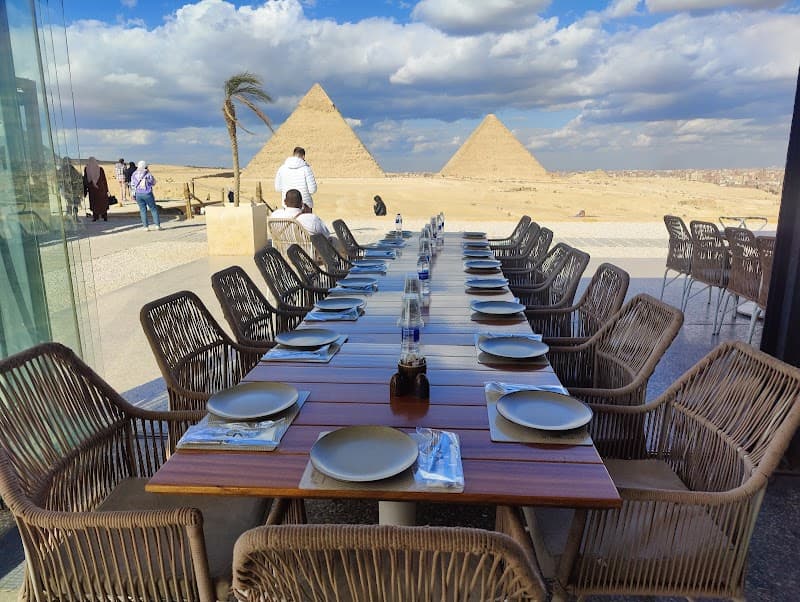
Giza Romance: Pyramids, Nile Nights, and Desert Calm
Week · $$$
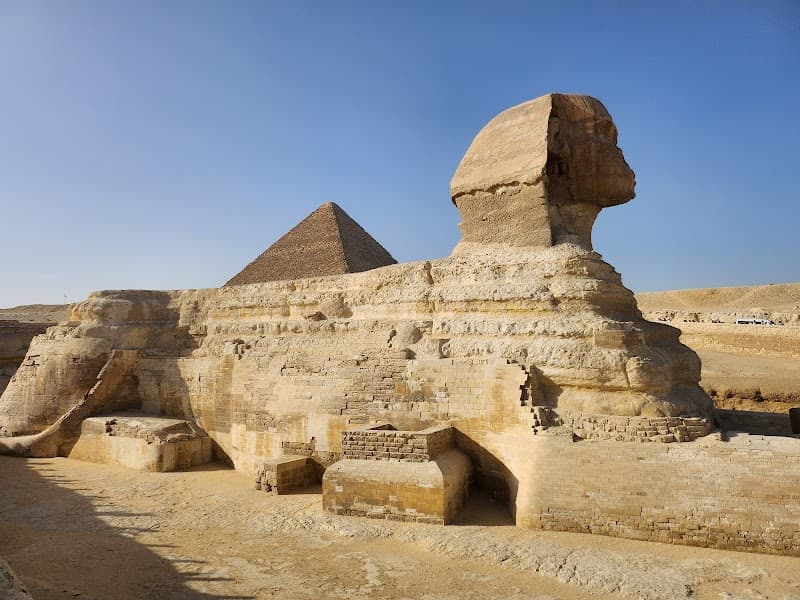
Desert Romance & Pyramids: A Giza Getaway
Weekend · $$$
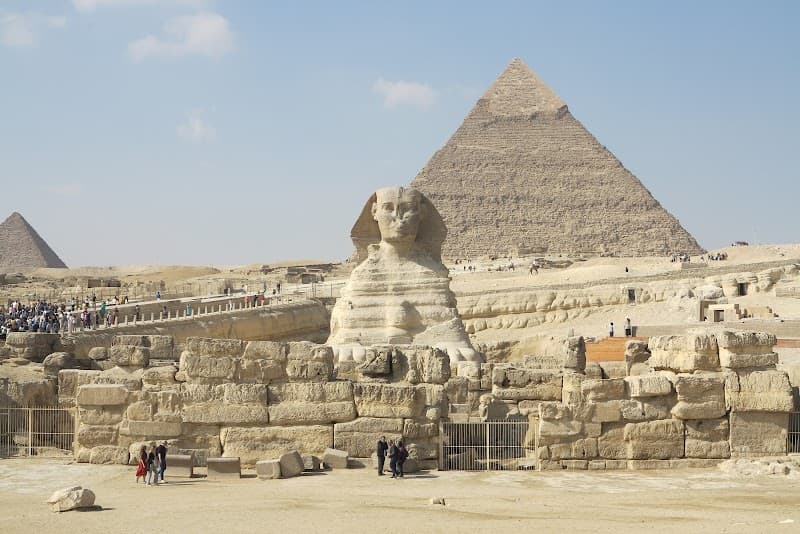
Jungle-Wild Giza: Romance Among Pyramids and Palms
Day Trip · $$$
Where to Stay in Giza
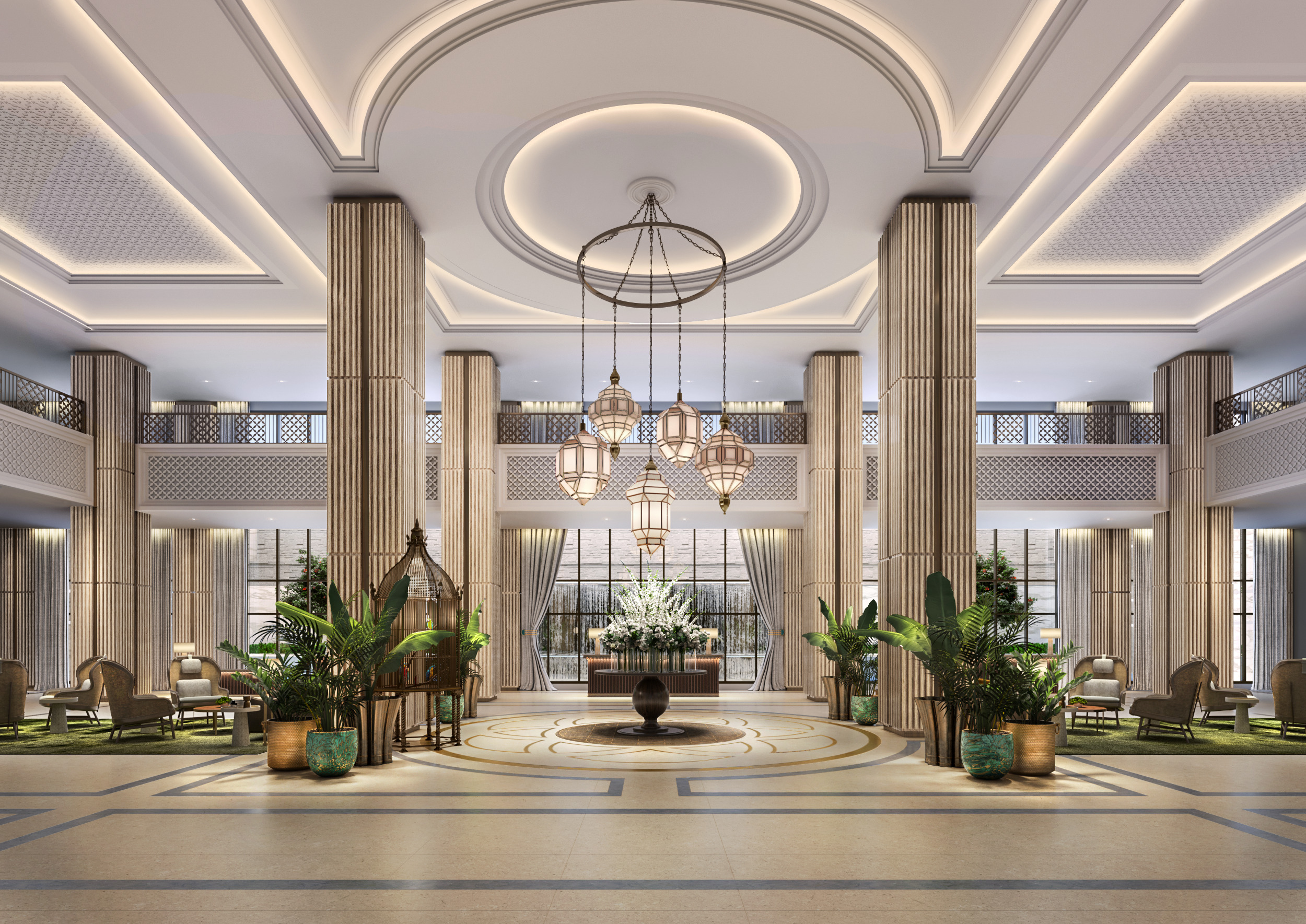
1 recommended properties
Things to Do in Giza
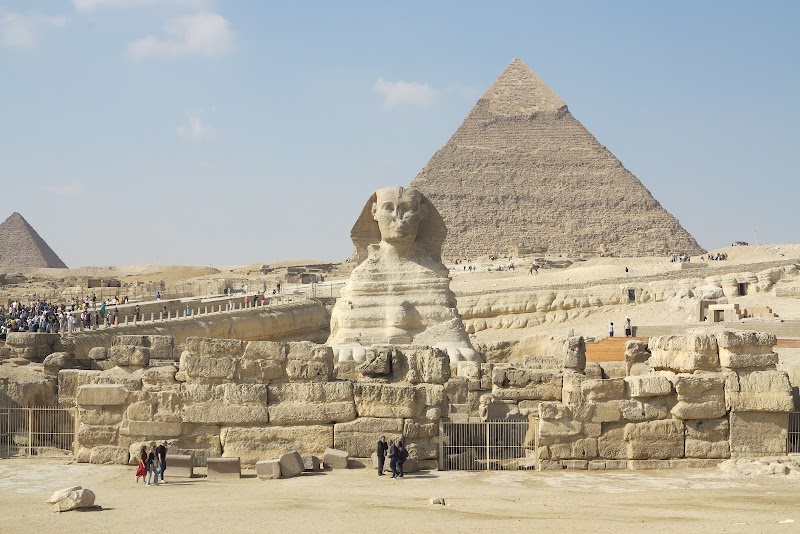
Giza Pyramids & Sphinx
Giza Plateau · 180 min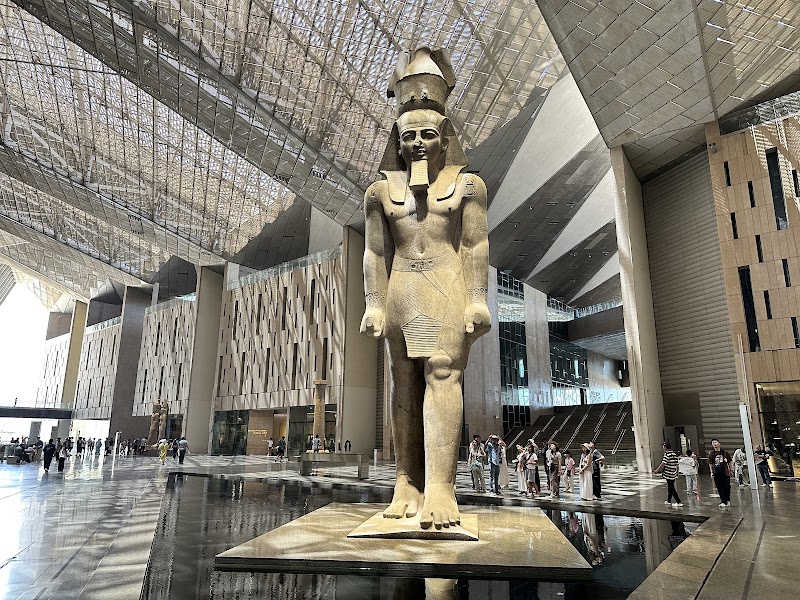
Grand Egyptian Museum
Giza / Grand Egyptian Museum zone · 180 min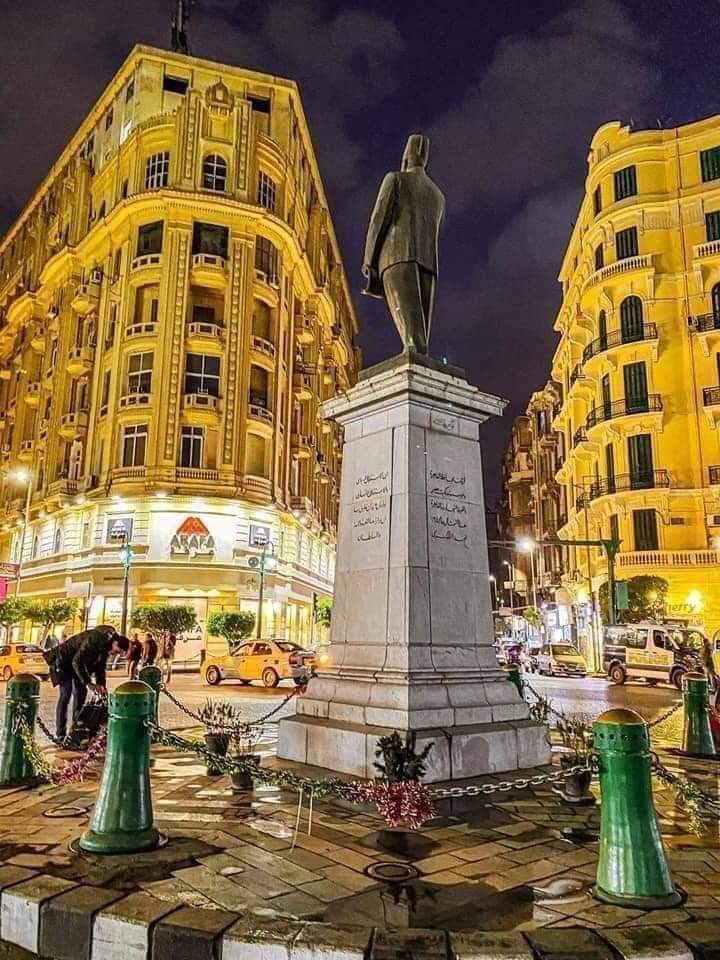
Downtown Cairo Garden Walk
Downtown Cairo / Azbakeya edge · 90 minMoney-Saving Tips
- 1.Buy pyramid tickets online in advance to skip the entrance lines and secure interior pyramid access
- 2.Negotiate taxi fares before getting in — agree on 50-80 pounds from Giza metro station to pyramids
- 3.Eat at local ful carts and koshari shops in Nazlet El-Samman village instead of tourist restaurants near the gates
- 4.Take the Cairo Metro Line 2 to Giza station for 7 pounds instead of expensive hotel shuttles or taxis from central Cairo
- 5.Buy water and snacks from village shops before entering the pyramid complex — prices double inside the gates
- 6.Book camel rides directly with stables near the Sphinx rather than through tour operators to save 30-50%
Travel Tips
- •Arrive at 8 AM when the Great Pyramid opens to beat crowds and secure interior access tickets
- •Bring a flashlight or phone light for pyramid interior chambers — they're pitch black inside
- •Wear closed-toe shoes with good grip — pyramid stones are smooth and slippery from millions of visitors
- •Pack a scarf or bandana for desert wind and potential sandstorms between March-May
- •Download offline maps before visiting — cell service can be spotty in the desert areas around the pyramids
- •Respect photography rules inside pyramids — flash damages ancient paintings and gets you kicked out immediately