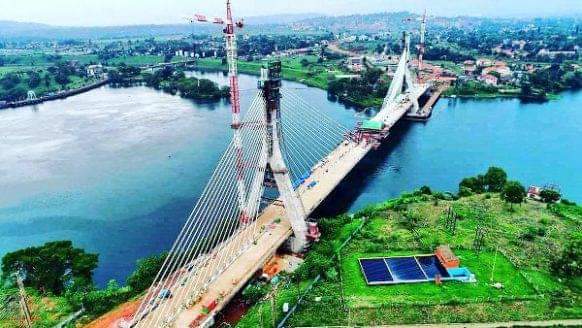
Jinja
Adventure capital where the mighty Nile River begins
Most people think the Nile starts in Egypt. They're wrong. It starts here in Jinja, where Lake Victoria spills over into what becomes the world's longest river. And this small Ugandan town has turned that geographic accident into East Africa's adventure playground.
You can bungee jump over the source of the Nile at sunrise. Raft Grade 5 rapids by lunch. Then watch the sunset from a floating bar while hippos snort in the distance. All for less than what you'd spend on a decent dinner in Kampala.
But here's what makes Jinja special — it's still raw. The infrastructure is basic, the crowds are thin, and the locals haven't been jaded by decades of tourism. You're getting in early on something that feels genuinely authentic.
Best Months
JAN · FEB · JUN · JUL · AUG · DEC
~28°C · high crowds
Culture & Context
Jinja sits at the point where Lake Victoria spills into the White Nile, making it East Africa's top adventure destination.
The city was founded in 1901 by British settlers and served as Uganda's industrial heartland through the 1960s and 70s. Today, it's the country's second-largest city and carries a fascinating layered identity — colonial-era architecture, a deeply-rooted Indian community (who arrived as traders and railway builders and whose old Hindu temples still stand), and the indigenous Basoga people, whose Busoga Kingdom has its capital here.
The Basoga community is warm and gregarious; Lusoga, their Bantu language, is closely related to Luganda and spoken widely throughout Jinja and the surrounding eastern region. The expulsion of Asian communities under Idi Amin in the 1970s hit the city hard economically, but many returned after his fall and the city has steadily rebuilt. Tourism now powers a new chapter, drawing adventure-seekers for rafting, kayaking, bungee jumping, and horseback riding along the Nile.
The food scene punches above its weight, boosted by the Indian heritage (curries and chapati are genuinely excellent here) and a growing expat-and-backpacker cafe culture. Riverside restaurants serve fresh Nile perch caught that morning. Jinja's Indian-built Hindu temples, the Gandhi shrine at Coronation Park (some of Gandhi's ashes were scattered in the Nile here), and the Jinja War Cemetery all tell a bigger story than most visitors expect from a small river town.
Local Customs
Always greet before you ask anything.
Jumping straight into a question without a greeting is considered rude. Even a quick 'How are you?
' (Oli otya? in Luganda, Kodh'eyo? in Lusoga) goes a long way..
Handshakes are the standard greeting — firm and often held longer than you'd expect in the West. Use your right hand or both hands when giving or receiving anything.. Do NOT photograph Owen Falls Dam (now Nalubaale Power Station), military installations, government buildings, or uniformed security forces — it is illegal and can result in detention..
Ask permission before photographing people. In markets and villages especially, always check first. A smile and gesture toward your camera goes a long way..
Dress modestly outside tourist areas. Smart casual is fine in Jinja town, but cover up more in villages and absolutely in mosques and churches — women should have shoulders covered and wear long skirts or trousers.. Don't wear red and yellow together around political events — these are strongly associated with political parties and can draw unwanted attention..
Do NOT wear camouflage or military-style clothing. This is illegal in Uganda and carries serious penalties.. Eating etiquette: wash hands before and after meals, use your right hand, wait for the host to begin, and finish what's on your plate — it's a sign of appreciation..
Avoid public displays of affection (hugging, kissing) with a partner in public — it is uncommon and makes locals uncomfortable.. Giving small gifts (fruit, sugar, tea) when visiting someone's home is a warm, appreciated gesture.. Children in rural areas will often call out 'Mzungu!
' at foreigners — this is a descriptive term (meaning white person/foreigner), not an insult. Wave back.. The Basoga culture places enormous importance on welcoming and acknowledging strangers.
Don't rush past locals without a greeting — it's central to the culture here.. Malaria is a real risk — pack antimalarial medication and use insect repellent, especially at dawn and dusk near the Nile and Lake Victoria.
Safety
Jinja is generally safe for tourists and is one of Uganda's most visitor-friendly cities.
The adventure activity operators (rafting, bungee, kayaking) are reputable, with trained guides and solid safety equipment — the industry has a good track record. That said, a few things to know: Petty crime (pickpocketing, phone snatching) happens in busy markets and the bus park, so keep phones out of back pockets and don't flash expensive gear.
Avoid walking alone after dark, particularly in unlit areas away from the main tourist zones. The Jinja–Kampala highway is one of Uganda's most accident-prone roads — avoid night travel on it and be cautious of reckless driving. Boda bodas are convenient but carry risk; most drivers don't provide helmets, so ask your hotel to recommend a safe driver or use SafeBoda during daylight hours.
A Yellow Fever vaccination certificate is mandatory for entry into Uganda. Take malaria prophylaxis and use DEET repellent near the Nile and Lake Victoria. Drink bottled or boiled water.
Important legal note: Uganda's 2023 Anti-Homosexuality Act criminalizes same-sex relations and applies to visitors as well as residents — LGBTQ+ travelers should be aware of this serious legal risk. Photographing Owen Falls Dam, government buildings, airports, or military sites is strictly prohibited and can result in detention. Do not wear camouflage clothing.
Check travel advisories before your trip — the Uganda Tourism Police maintain a visible presence in Jinja and tourist zones are regularly patrolled.
Getting Around
Getting to Jinja from Kampala (81km) takes roughly 1.5–2 hours by car or bus along the East African Highway — this is the main route most visitors take.
Regular buses and shared matatu minibuses run this route throughout the day; a seat in a matatu costs around $2–4.
Post buses and private coaches are also available. Alternatively, Jinja Airport (Kimaka Airstrip, 4km north of the CBD) handles small domestic flights to and from Entebbe International Airport — a useful option if you're pressed for time. Once in Jinja, boda bodas (motorcycle taxis) are the default mode of getting around.
They're everywhere, they're fast, and fares should be UGX 4,000–5,000 for trips up to 10km — always agree on the price before you get on. The SafeBoda app offers a safer, metered alternative with drivers who carry helmets. For trips to riverside lodges and activity sites further out toward Bujagali, negotiate a private boda or arrange pickup with your accommodation.
Jinja town center itself is compact and walkable — the market, colonial streets, and Coronation Park are all within easy walking distance of each other. For longer day trips (Sipi Falls, Mabira Forest, Kampala), car hire with a driver starts from USD 50/day for a sedan and USD 90/day for a minibus — well worth it for comfort and safety on Uganda's roads.
Useful Phrases
Money-Saving Tips
- 1.Negotiate everything — initial prices are always inflated for tourists
- 2.Eat at local stalls instead of hotel restaurants to save 70% on meals
- 3.Book adventure activities directly with operators, not through hotels
- 4.Stay in town rather than riverside resorts to cut accommodation costs in half
- 5.Use boda-bodas instead of taxis — they're faster and cost 80% less
- 6.Buy bottled water in bulk from supermarkets rather than hotels
Travel Tips
- •Bring cash in small denominations — many places can't break large bills
- •Pack quick-dry clothes for water activities and sudden rain showers
- •Get yellow fever vaccination before arrival — it's mandatory
- •Download offline maps — cell service can be spotty on the river
- •Bring waterproof phone case for rafting and boat trips
- •Learn basic Luganda phrases — locals appreciate the effort