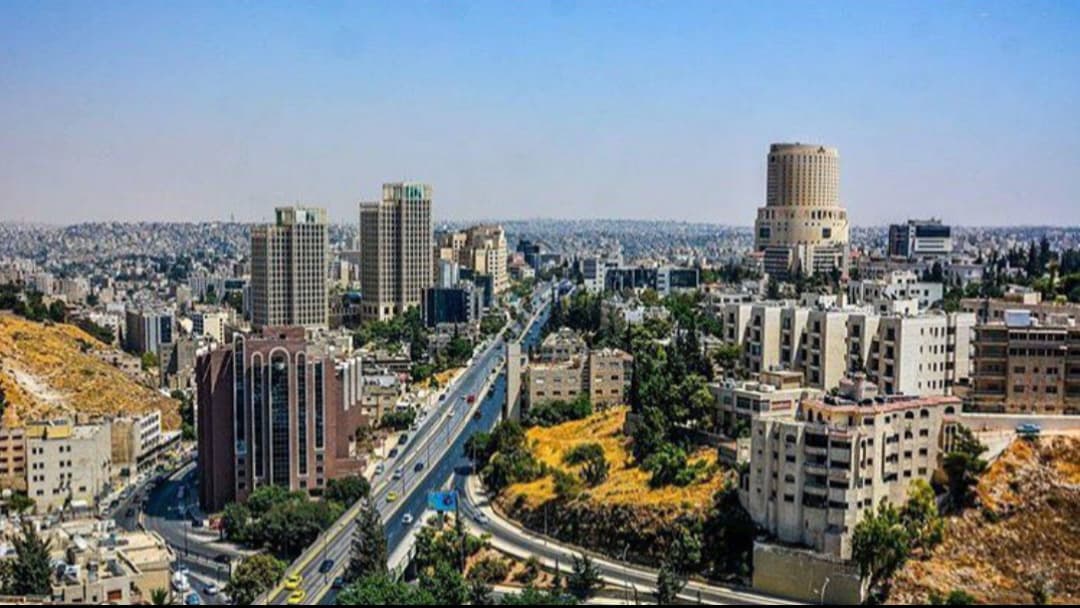
Amman
Jordan's modern capital bridging ancient history and contemporary culture
Amman doesn't announce itself like other Middle Eastern capitals. No towering monuments or UNESCO-listed old towns greeting you at the airport. Instead, Jordan's capital reveals itself slowly — through the aroma of mansaf wafting from a downtown restaurant, the call to prayer echoing off Roman theater stones, or the sight of young Jordanians sipping third-wave coffee in Rainbow Street's converted Ottoman houses.
This is a city where you'll find 2,000-year-old ruins sharing space with contemporary art galleries. Where taxi drivers debate politics in three languages. Where a plate of the best hummus you've ever tasted costs less than your morning latte back home.
Amman works as a gentle introduction to the Middle East — familiar enough to feel comfortable, foreign enough to feel like an adventure. The locals call it the "white city" for its limestone buildings that glow golden at sunset. But the real magic happens in the spaces between ancient and modern, traditional and progressive, East and West.
Best Months
MAR · APR · MAY · SEP · OCT · NOV
~25°C · moderate crowds
Culture & Context
SEVEN HILLS, MANY STORIES
Amman is Jordan's capital and its most cosmopolitan city. It was originally built over seven hills (jabals) and now spans more than 19 of them. The population is a genuine mix — Jordanians, Palestinians, Armenians, Iraqis, Syrians — all living and working together, which gives the city a layered, outward-looking character you don't always find in regional capitals.
The city is relatively modern compared to places like Cairo or Damascus, with most of its current form taking shape in the 20th century. That said, the Citadel on Jabal al-Qala'a and the Roman Theater downtown give you real weight of history going back over 2,000 years. Coffee is serious social currency here.
When someone serves you Arabic coffee (sada — the bitter cardamom version), the cup will be refilled automatically until you gently shake it side to side (hazz el-finjan) to signal you're done. If you just hand the cup back without the shake, you'll keep getting refills. This isn't just trivia — get it wrong and you'll be on your fourth cup before you've sat down.
Food is communal and meals are long. Being invited to someone's home is common; bring sweets, leave your shoes at the door if others have, and don't rush the greeting. Jordanians are famously hospitable, and that reputation is real.
But the city has real economic pressures. Wages are low against the cost of living in Amman, and the gap between west Amman (wealthy, modern) and east Amman (working class, denser) is stark and visible.
Local Customs
SHAKE THE COFFEE CUP
Coffee etiquette is essential: when served Arabic cardamom coffee (sada), hold your cup out for refills. To say you're done, gently shake the cup side to side before handing it back. Not shaking it means you want more — you will be refilled indefinitely..
Use your right hand to eat, pass things, and shake hands. The left hand is considered unclean in traditional etiquette.. Greetings matter and take time.
Standing up to greet someone is expected. Handshakes are standard between same genders; with conservative women, wait for them to extend their hand first, or place your hand on your heart instead.. Dress modestly in public.
Loose, light layers covering upper arms, shoulders, and knees are appropriate and practical. West Amman (Abdoun, Weibdeh) is more relaxed, but covering up is always respected everywhere.. Always ask before photographing people, especially women and children.
Photographing military installations is strictly off-limits.. Public displays of affection — even for heterosexual couples — are best kept minimal. Jordan is tolerant by regional standards, but conservative in public spaces..
During Friday prayers, many businesses close and streets get quiet. Plan sightseeing around this.. When bargaining in souqs like Souq Al-Sukar or the Gold Market, aim for 20–30% off the opening price and keep the tone friendly, not confrontational..
Tipping: rounding up for taxis is standard. In restaurants, JOD 1–2 is appreciated even when service is included. Private guides typically expect JOD 5–10 per day.
Safety
CHECK EMBASSY ZONE ALERTS
Amman is generally safe for tourists, but 2026 comes with important caveats. As of March 2026, both the U.S.
State Department (Level 3: Reconsider Travel) and the Australian government (Level Orange) raised their Jordan advisories due to regional security tensions following hostilities between the U.S. and Iran in late February 2026.
The U.S. Embassy compound in Amman has been flagged as a potential target — the recommendation is to avoid the vicinity of the U.
S. Embassy on Al-Umayyaween Street in the Abdoun neighborhood. Demonstrations and protests can emerge quickly; avoid them.
Jordan itself, and Amman specifically, remains stable and far removed from the active conflict zones on Jordan's Syrian and Iraqi borders — the advisory applies to regional threat spillover, not to day-to-day street safety in the capital. Petty theft is real in the crowded narrow streets of downtown (Al-Balad) — pickpockets target tourists in the souq areas. Use Careem or Uber to avoid taxi price gouging.
Insist on the meter if you take yellow taxis. Celebratory gunfire happens during holidays, sporting events, and even after high school exam results — it sounds alarming but is cultural tradition. Traffic is the actual consistent danger: accidents are the largest cause of unnatural death in Jordan.
Roads are particularly dangerous after dark outside Amman. Do not drive at night in rural areas. Check your government's travel advisory for the latest updates before booking.
Useful Phrases
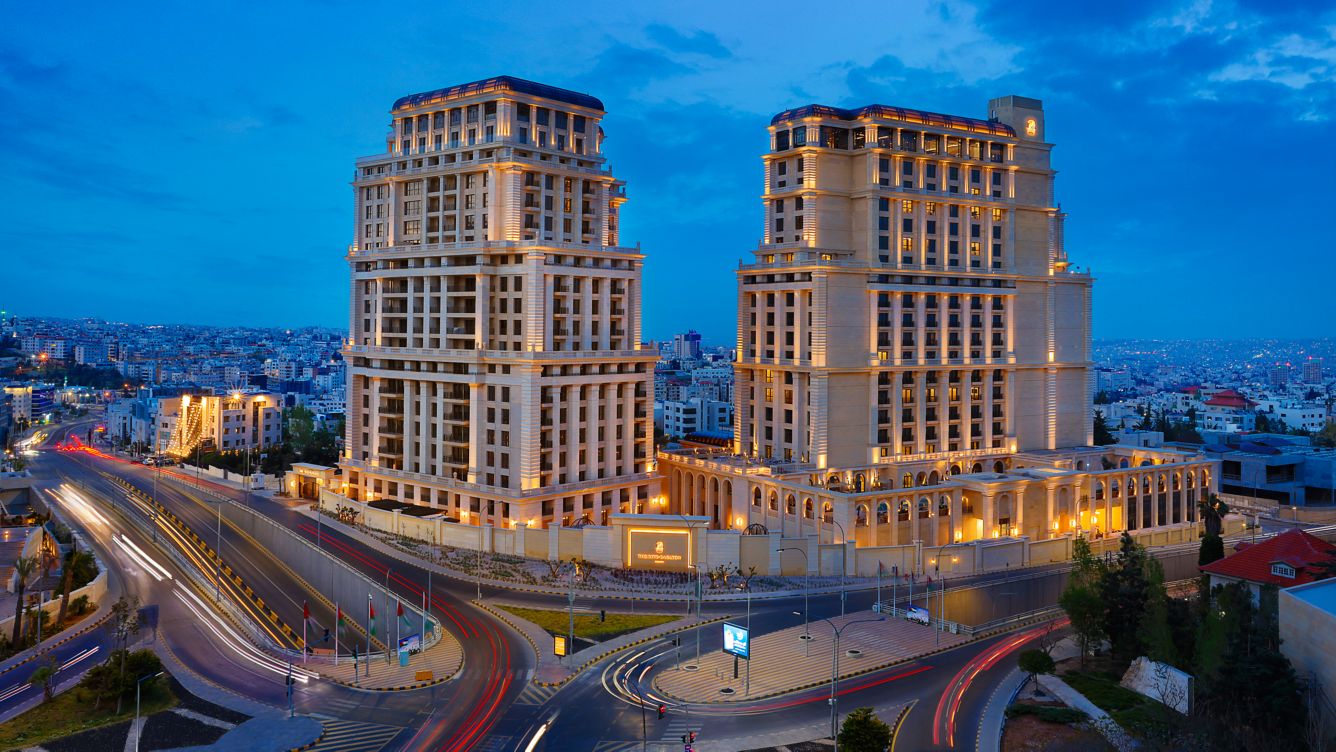
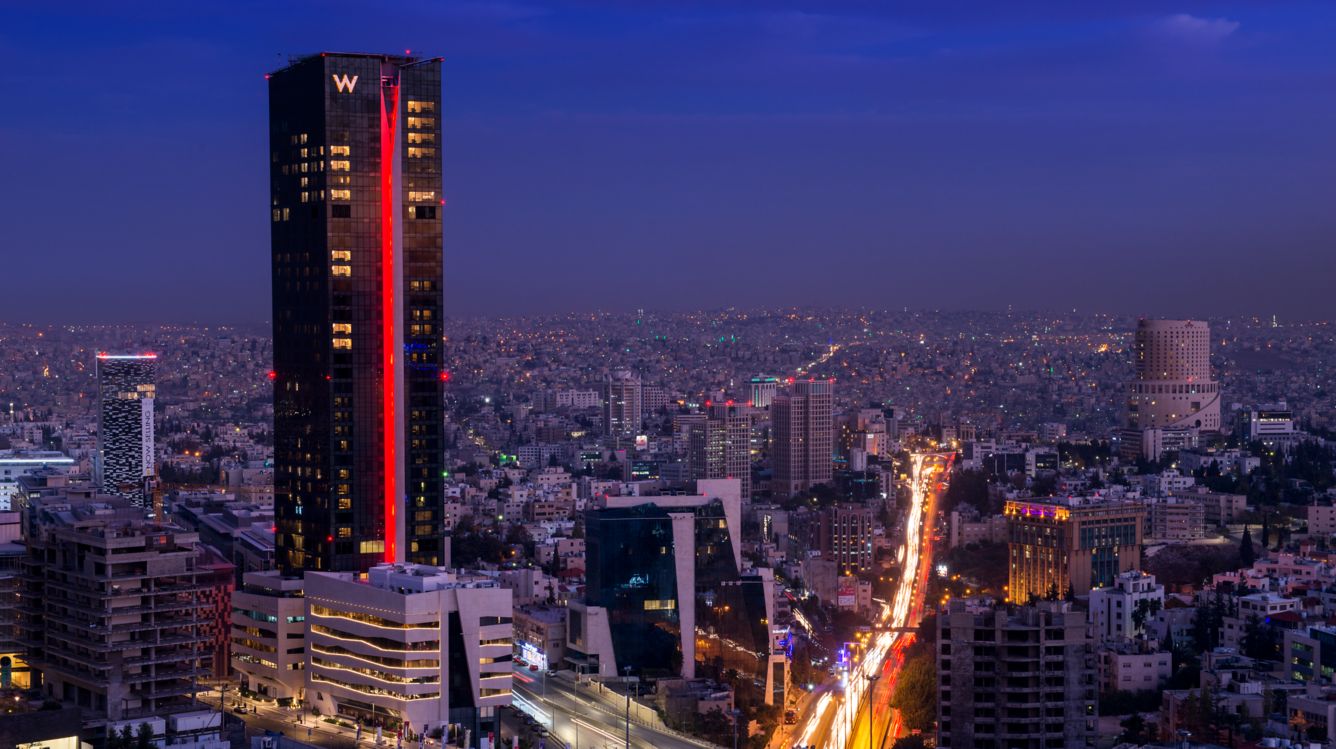
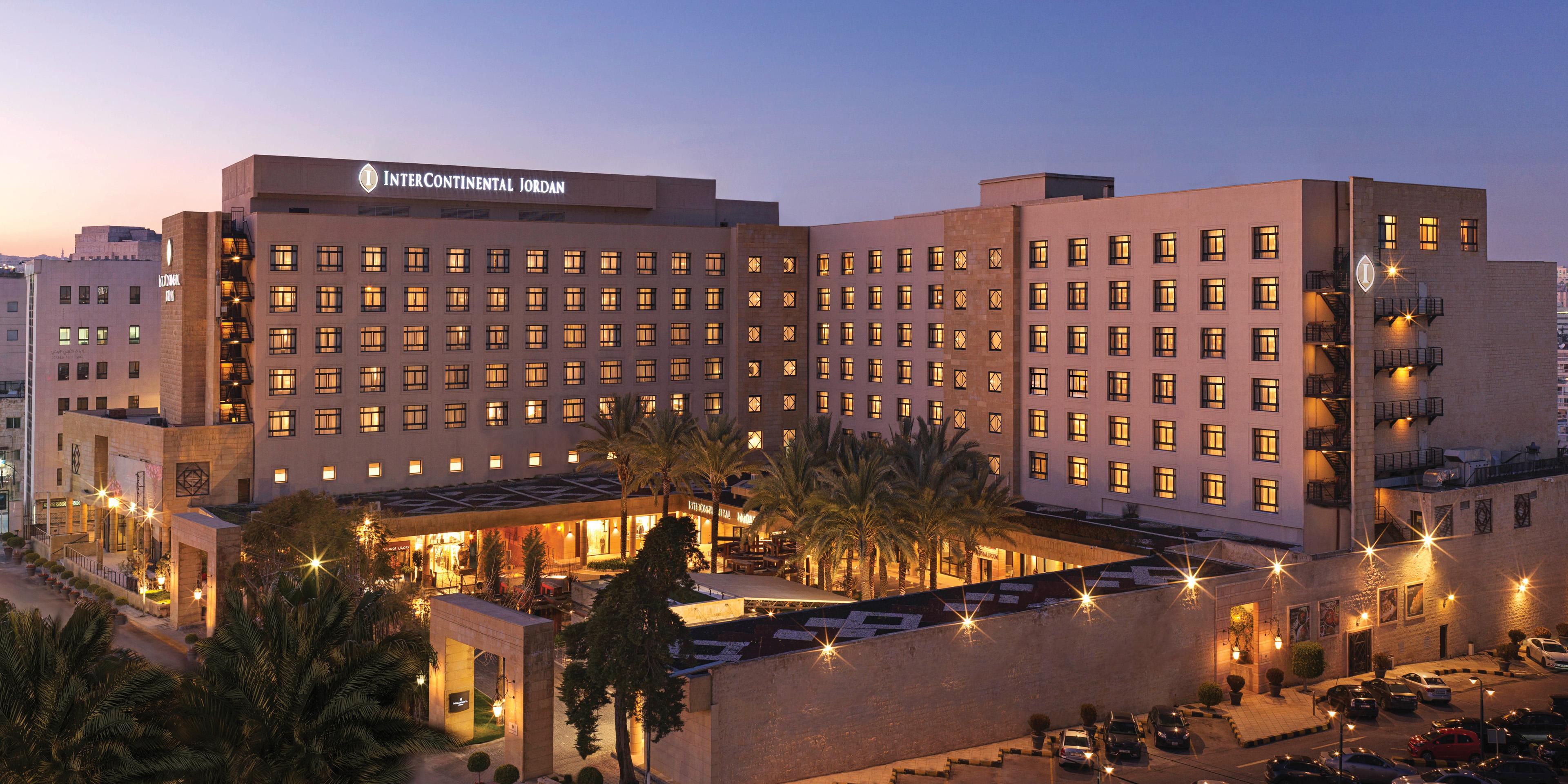
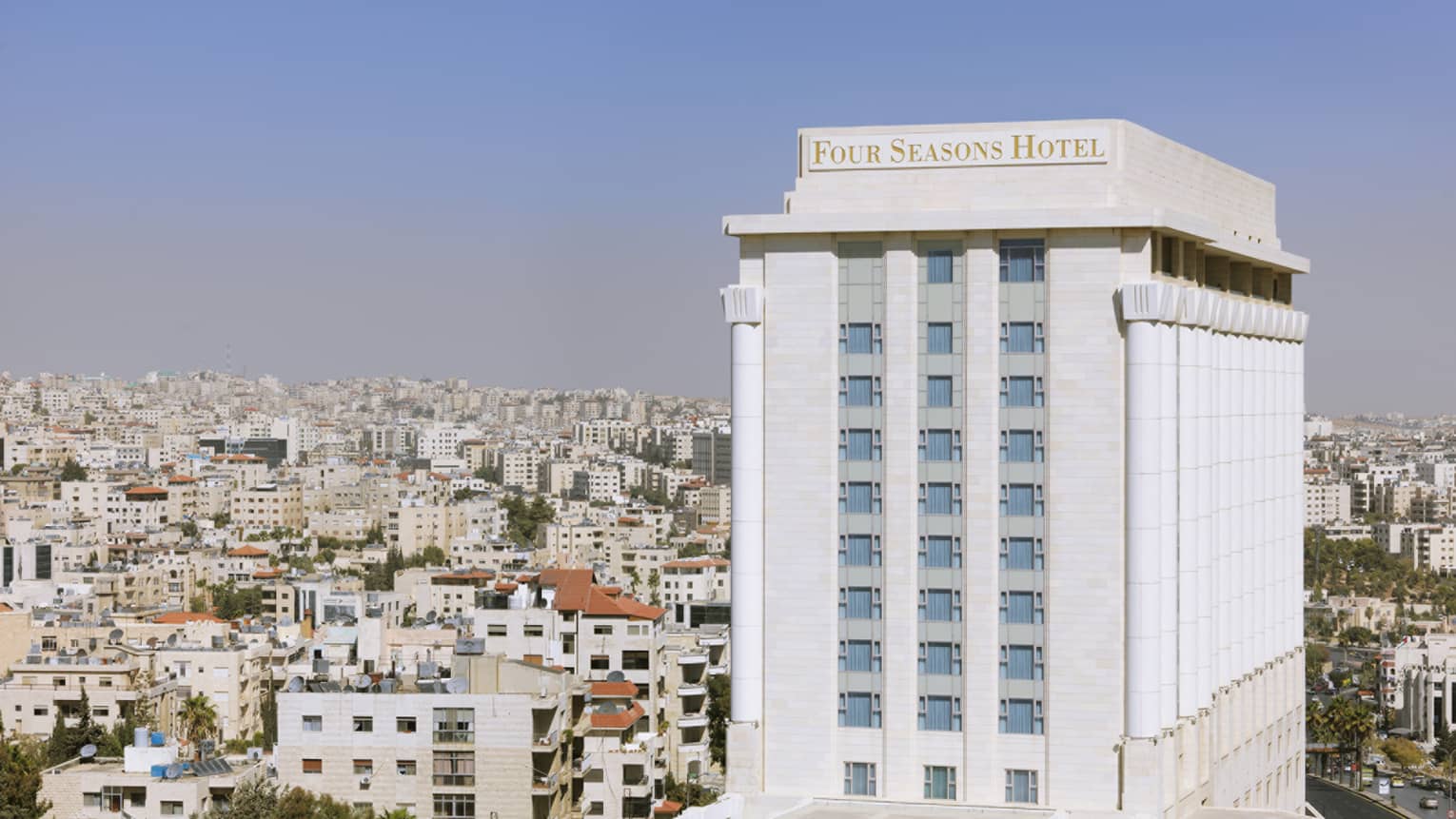
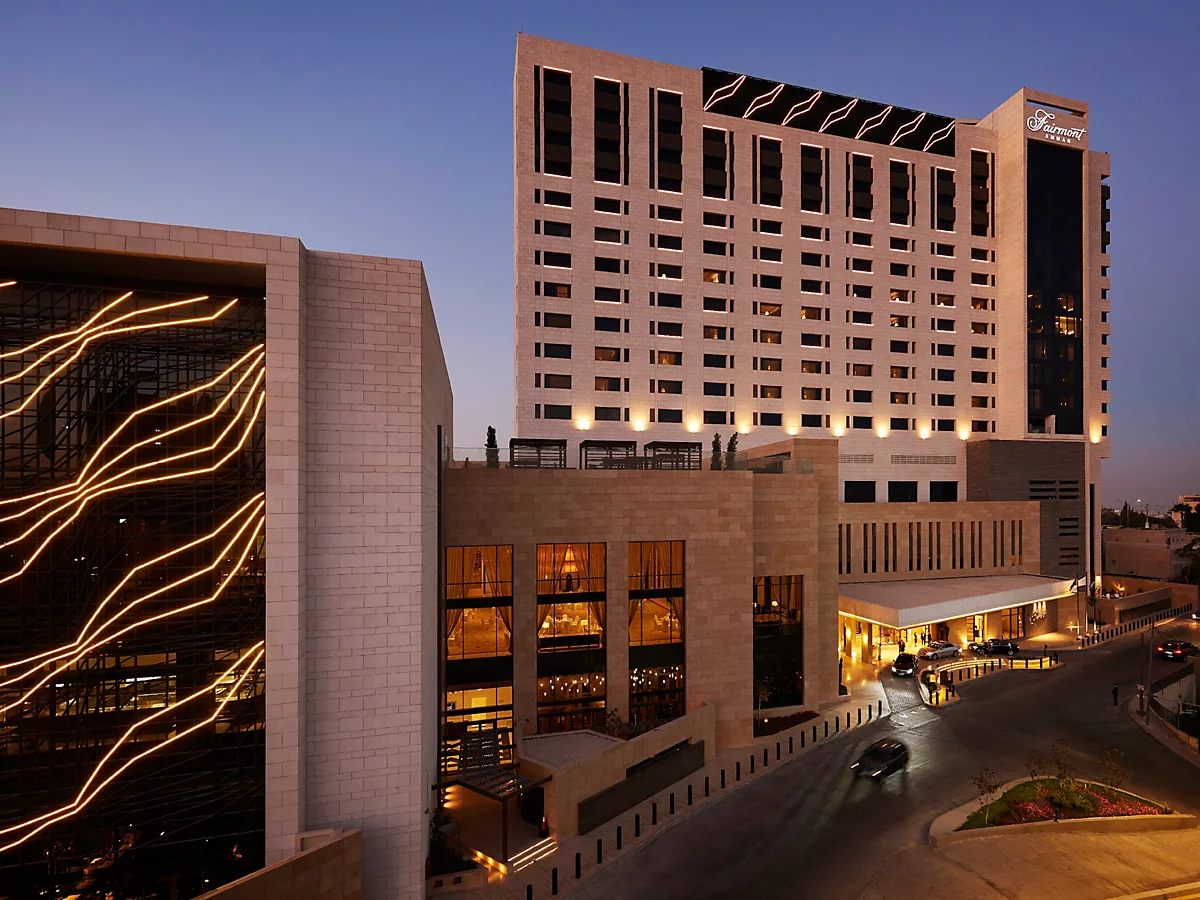
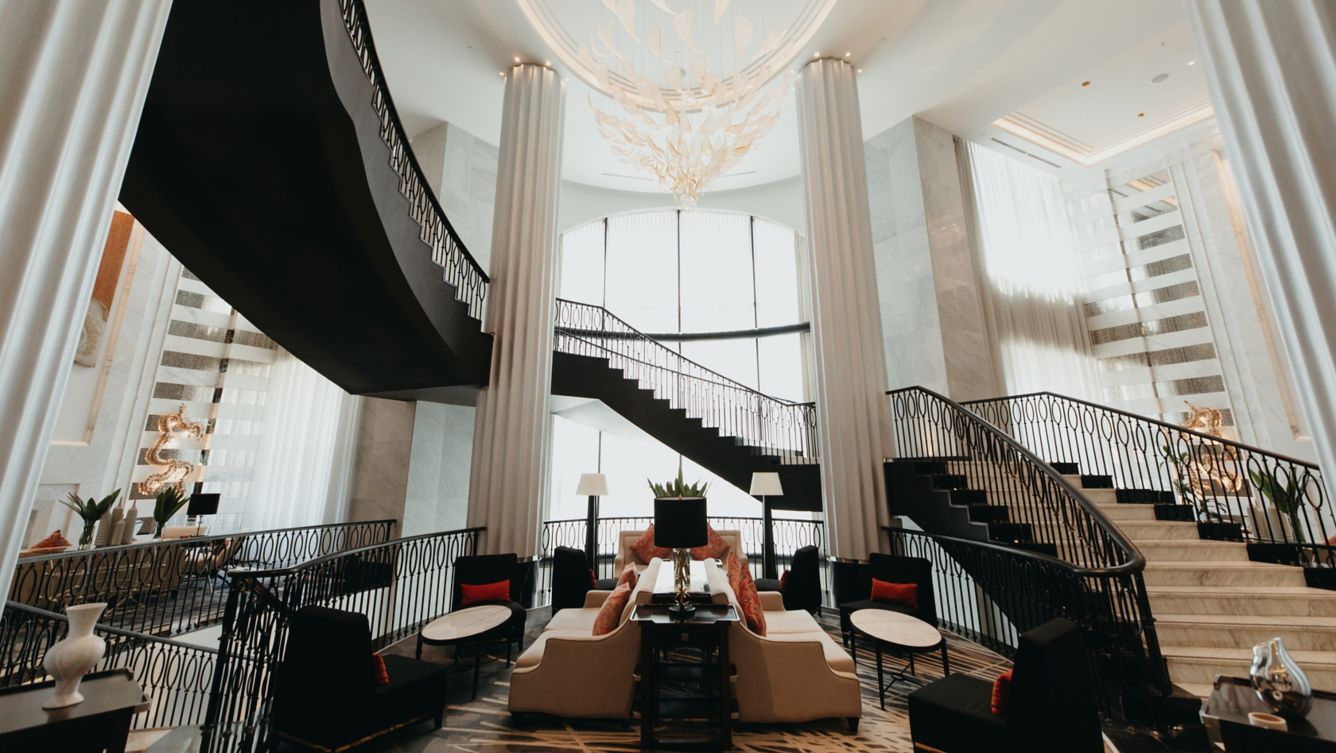
Where to Stay in Amman
6 recommended properties
Money-Saving Tips
- 1.Eat at local joints like Hashem Restaurant where a full meal costs 3 JOD instead of tourist restaurants charging 15+ JOD
- 2.Use service taxis (shared minivans) for 0.5-1 JOD per ride instead of private taxis that cost 3-5 JOD for the same distance
- 3.Buy fresh juice from street vendors for 1-2 JOD rather than restaurant drinks that cost 4-5 JOD
- 4.Stay in downtown guesthouses (25-40 JOD) instead of international hotels in Abdoun (80-200 JOD)
- 5.Visit free sites like King Abdullah Mosque instead of paid attractions - many of Amman's best experiences cost nothing
- 6.Shop at local markets near Al-Husseini Mosque where prices are half what you'll pay in tourist areas
- 7.Take the airport bus for 3 JOD instead of taxis that charge 15-20 JOD for the same route
Travel Tips
- •Download offline maps - GPS can be unreliable in Amman's hilly terrain and many streets lack clear signage
- •Carry small bills (1 and 5 JOD notes) for service taxis and street food vendors who rarely have change
- •Dress modestly when visiting mosques - long pants and covered shoulders are required, and many provide robes at the entrance
- •Learn basic Arabic numbers and neighborhood names (jabal means hill) to help with navigation and taxi rides
- •Always confirm taxi meter is running or agree on price beforehand - some drivers 'forget' to turn on meters for tourists
- •Bring comfortable walking shoes with good grip - Amman's limestone sidewalks get slippery when wet
- •Keep your hotel card with you - addresses in Arabic help taxi drivers who may not recognize English street names
- •Try to exchange money at banks rather than hotels - exchange rates are typically 3-5% better at banks