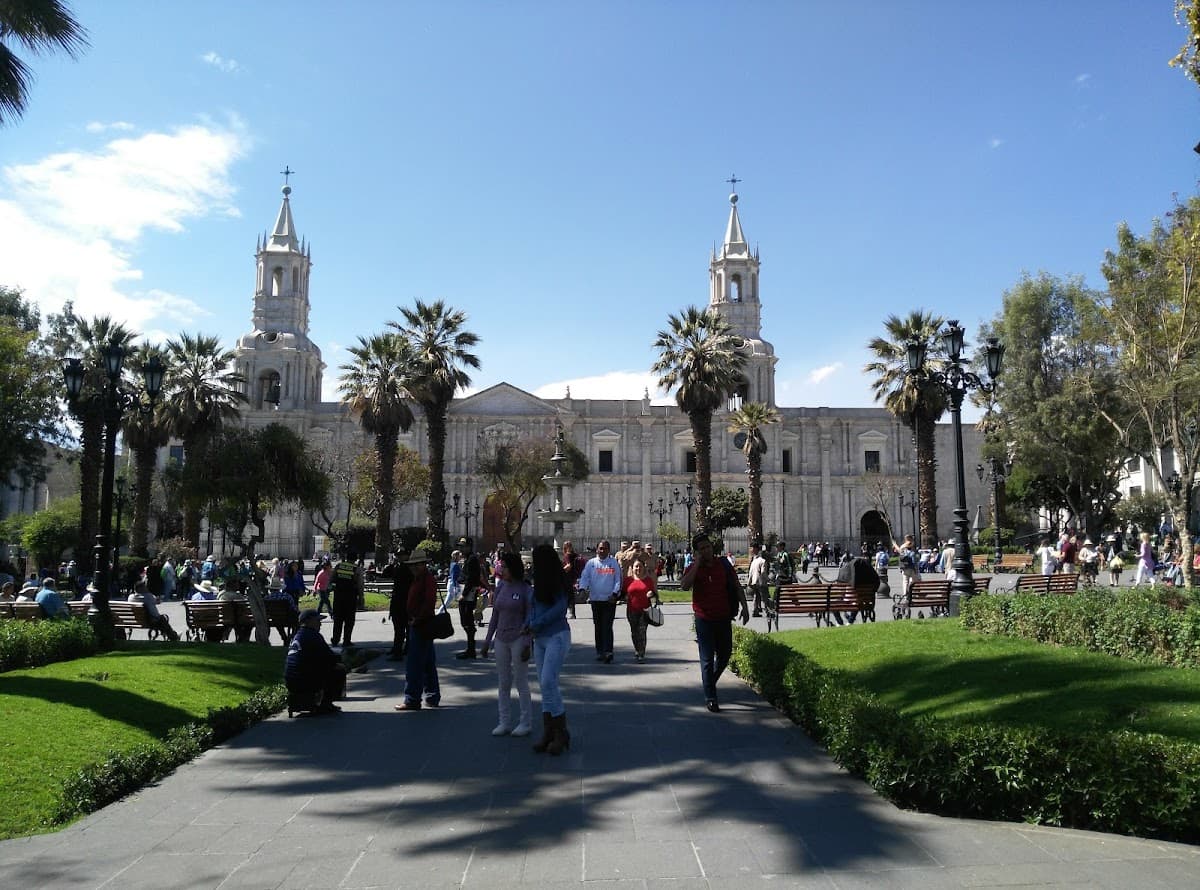
Arequipa
Peru's white stone city beneath towering volcanic guardians
They call it the White City, and you'll see why the moment you step into Arequipa's historic center. Built entirely from white volcanic stone called sillar, this UNESCO World Heritage site sits at 7,660 feet, framed by three towering volcanoes that feel close enough to touch. But Arequipa isn't just a pretty face. This is Peru's culinary capital, home to the country's most celebrated chefs and a food scene that rivals Lima. The Santa Catalina Monastery sprawls across four city blocks like a city within a city. Plaza de Armas buzzes with locals, not just tourists. And those volcanoes? They're your gateway to Colca Canyon, one of the world's deepest gorges where condors soar overhead.
Best Months
APR – OCT
~22°C · moderate crowds
Culture & Context
CARVED FROM STONE
Arequipa calls itself the "White City" and means it literally. The entire historic center is built from sillar, a white volcanic stone carved out of the surrounding mountains. Walking through it feels less like a city and more like someone decided to sculpt a metropolis from the earth itself. Three volcanoes frame the skyline: El Misti (5,822m), Chachani (6,075m), and Pichu Pichu (5,664m). They're not decorative. They're just always there, watching you eat breakfast.
Here's the thing about Arequipa's identity: it's fiercely independent. Locals call themselves Arequipeños first, Peruvians second. The city has historically been the intellectual and political counterweight to Lima, and residents are proud of that. The food scene here is genuinely its own thing. Picanterías, the traditional tavern-restaurants, serve dishes you won't find done properly anywhere else: rocoto relleno (a fiery pepper stuffed with minced meat and cheese), adobo arequipeño (marinated pork stew eaten for breakfast, yes breakfast), and queso helado (a sweet coconut-milk ice cream despite the misleading name).
The UNESCO World Heritage listing of the historic center isn't just for show. The architecture is legitimately extraordinary, from the elaborate baroque facade of La Compañía de Jesús to the Santa Catalina Monastery, a self-contained city-within-a-city that housed cloistered nuns for centuries. Altitude sits at a comfortable 2,335 meters. That's high enough to feel it on day one but low enough that it won't knock you flat the way Cusco does.
Local Customs
SHARED TABLE CULTURE
Picanterías are not just restaurants, they are a social institution. Shared tables with strangers are the norm, not the exception. You don't rush.
You sit, you eat, you talk to whoever is next to you.. The fixed-price lunch menu (menú del día) is how locals eat midday. Three courses for under S/15 (about $4).
Skipping this and ordering à la carte at lunch is something only tourists do.. Arequipa takes its founding anniversary (August 15) extremely seriously. The entire city celebrates for weeks, not just a day.
The Corso de la Amistad parade on the 15th brings out folkloric dancers, floats, marching bands, and a lot of chicha.. The Wititi dance from the nearby Colca Valley has UNESCO Intangible Cultural Heritage status. It involves men dressing as women to court their partners at festivals.
You'll see it during major celebrations and it's not a performance for tourists, it's just what happens.. On May 1st, thousands of pilgrims walk to the Sanctuary of the Virgin of Chapi, about 76km southeast of the city. This is a genuine religious pilgrimage, not a festival event.
Expect roads to be disrupted.. Don't drink tap water. Ever.
This applies to ice in cheaper spots too. Locals know which places use purified water, but ask if you're unsure.. Bargaining is expected at markets (Mercado San Camilo is the main one, near the center) but not at restaurants or formal shops.
Know where you are.. The Arequipa Symphony Orchestra regularly gives free concerts around the city. Check local listings when you arrive.
Safety
WATCH STREET TAXIS
Arequipa is one of the safer major cities in Peru for tourists. The historic center has a visible police presence, well-lit streets, and enough foot traffic that the usual big-city friction stays low. Violent crime targeting visitors is rare. What does happen is petty theft, specifically pickpocketing in crowded markets like Mercado San Camilo, around the bus terminals, and at busy viewpoints.
The bus terminal area (Terrapuerto) is the one place to stay alert. If you arrive at night, have a pre-arranged transfer rather than negotiating with random drivers while tired and loaded with luggage. At the airport, use the authorized taxi booth inside the terminal, which has posted zone-based fares and gives receipts. The airport is about 8km from the center.
Some districts outside the tourist core get sketchier at night. Parts of El Cercado, Socabaya, and La Pampa are best avoided after dark. Stick to the Historic Center, San Lázaro, and Yanahuara for evenings. And after dinner in Yanahuara, take a taxi back rather than walking the full distance to the center, especially solo.
Altitude is a real consideration even at 2,335m. You probably won't get acute mountain sickness the way you would in Cusco, but first-day headaches and fatigue are common. Hydrate, go easy on alcohol the first 24 hours, and don't immediately attempt a hike. The good news is Arequipa is a solid acclimatization base before heading to higher destinations.
Informal taxis remain the most consistently reported problem. Use Uber, inDrive, or hotel-arranged transport wherever possible. If taking street taxis, agree on the fare before entering the vehicle. Taxi companies with good reputations include Panataxi, Taxitel, and Megataxi.
Getting Around
WALKABLE HISTORIC CENTER
Getting to Arequipa: Flights from Lima take about 1 hour 20 minutes. LATAM and Sky Airline serve the route. Fares run $35–90 one-way booked 4–6 weeks out, though June–August peak season pushes prices up 25–40%. Tuesdays and Wednesdays tend to be cheapest. Overnight bus from Lima (Cruz del Sur or Oltursa) takes about 16–17 hours and costs $35–60 for reclining sleeper seats. For those doing the Lima–coast–Arequipa circuit, hop-on/hop-off services like Peru Hop include hotel pickups and intermediate stops.
Arequipa's airport (AQP, Alfredo Rodríguez Ballón International) sits in the Cerro Colorado district about 8km from the center. A taxi using the official booth inside the terminal costs around S/30–45 depending on destination, time of day, and luggage. No fixed-route airport bus goes directly to the historic center. Walking to catch a local bus means a 15-minute hike to a stop at Zamacola, which is not worth doing with bags.
Getting around the city: The historic center is walkable. For everything else, Uber and inDrive are the cleanest option and generally undercut street taxi prices. Local buses and combis (minibuses) are cheap at S/1–1.50 per ride but routes are not posted, stops are unannounced, and boarding is fast. Fine for confident Spanish speakers during the day, not recommended with luggage or at night.
Onward from Arequipa: Bus to Cusco takes roughly 10–11 hours. To Puno, about 5–6 hours. To Lima, 16–17 hours. Cruz del Sur and Oltursa are the most reliable premium companies. Book online via company websites or RedBus, especially June–August. The main bus terminal is Terminal Terrestre. Arrive 45 minutes before departure.
Useful Phrases
Arequipa Itineraries
View all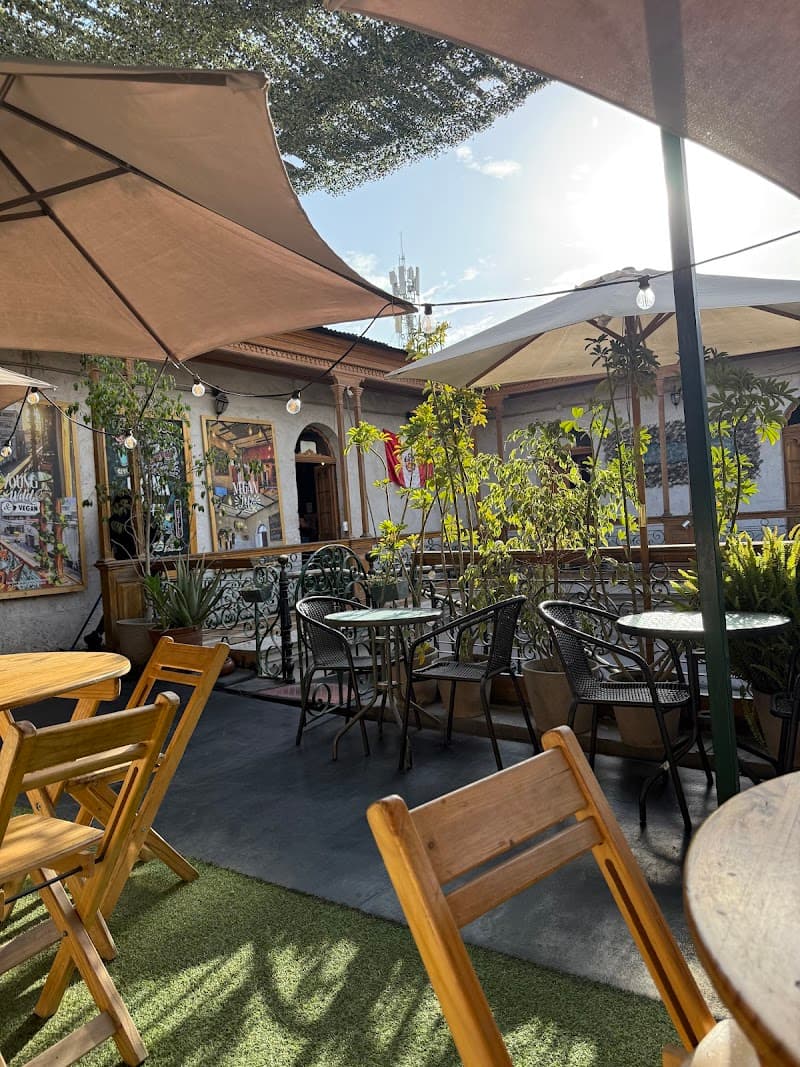
Volcanoes, Canyons & Colonial Charm in Wild Arequipa
Week · $$$
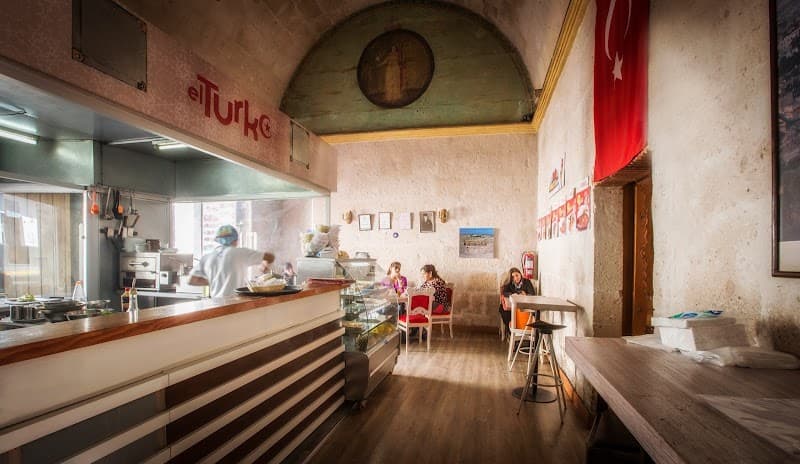
Volcano Valleys & Wild Canyons in Arequipa
Weekend · $$$
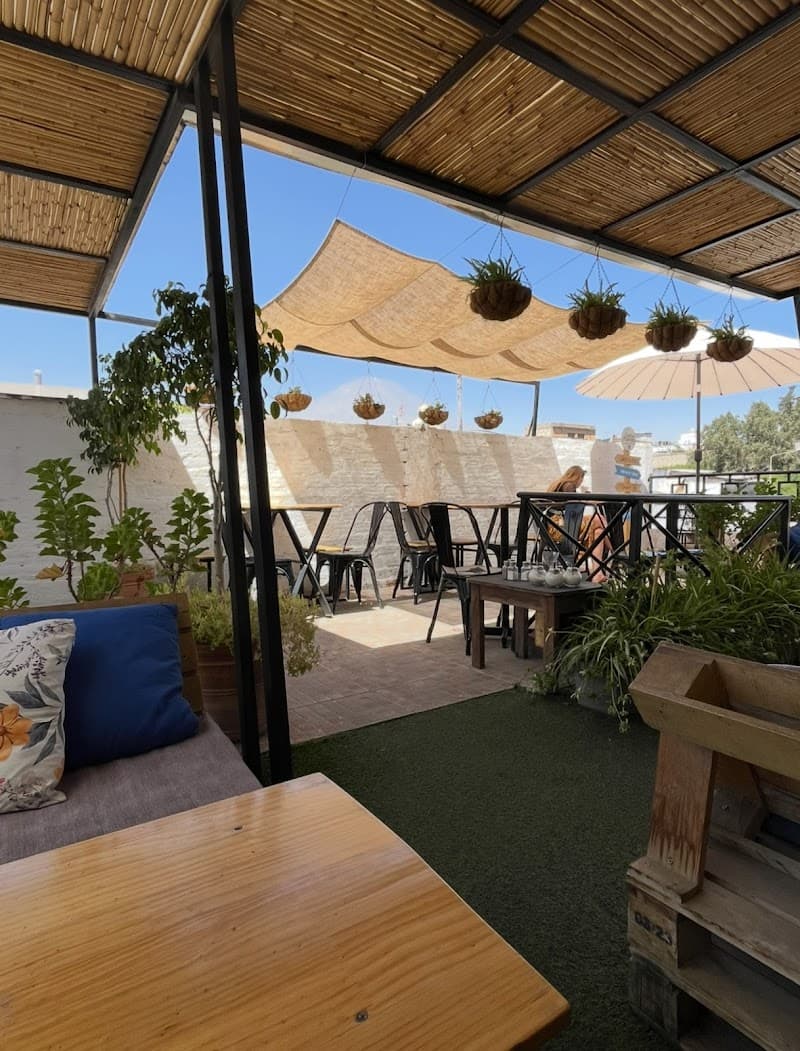
Volcano Rims & Canyon Skies: 3 Days in Arequipa
Day Trip · $$$
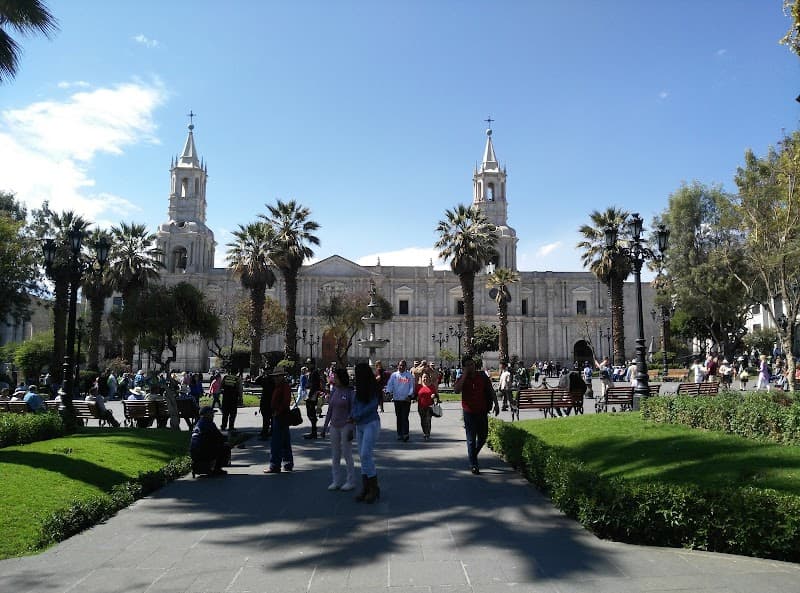
Wild Canyons & White City Romance in Arequipa
Week · $$$
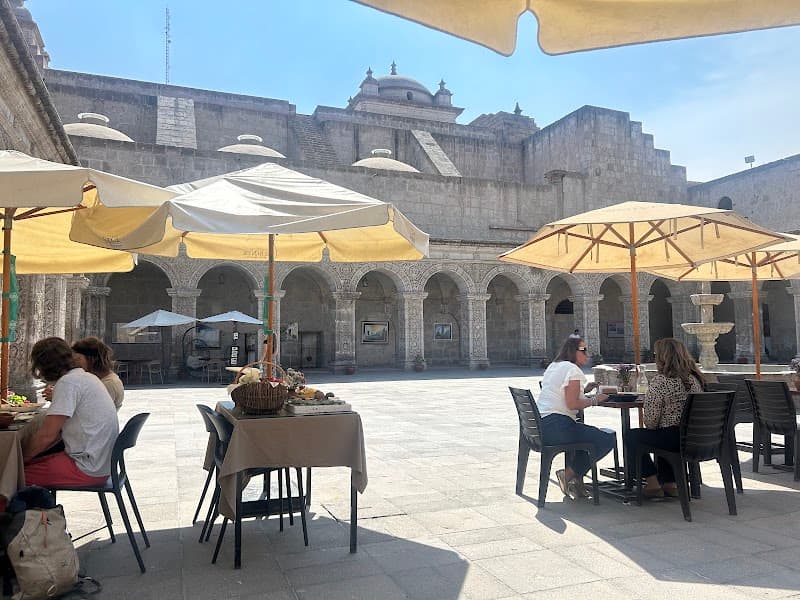
Volcano Views & Secret Cloisters: A Romantic Arequipa Escape
Weekend · $$$
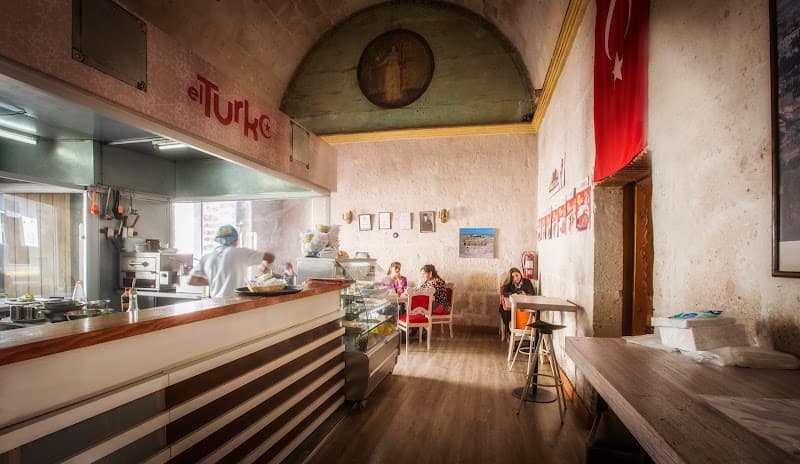
Volcano Views & Hidden Courtyards in White City Arequipa
Day Trip · $$$
Where to Stay in Arequipa
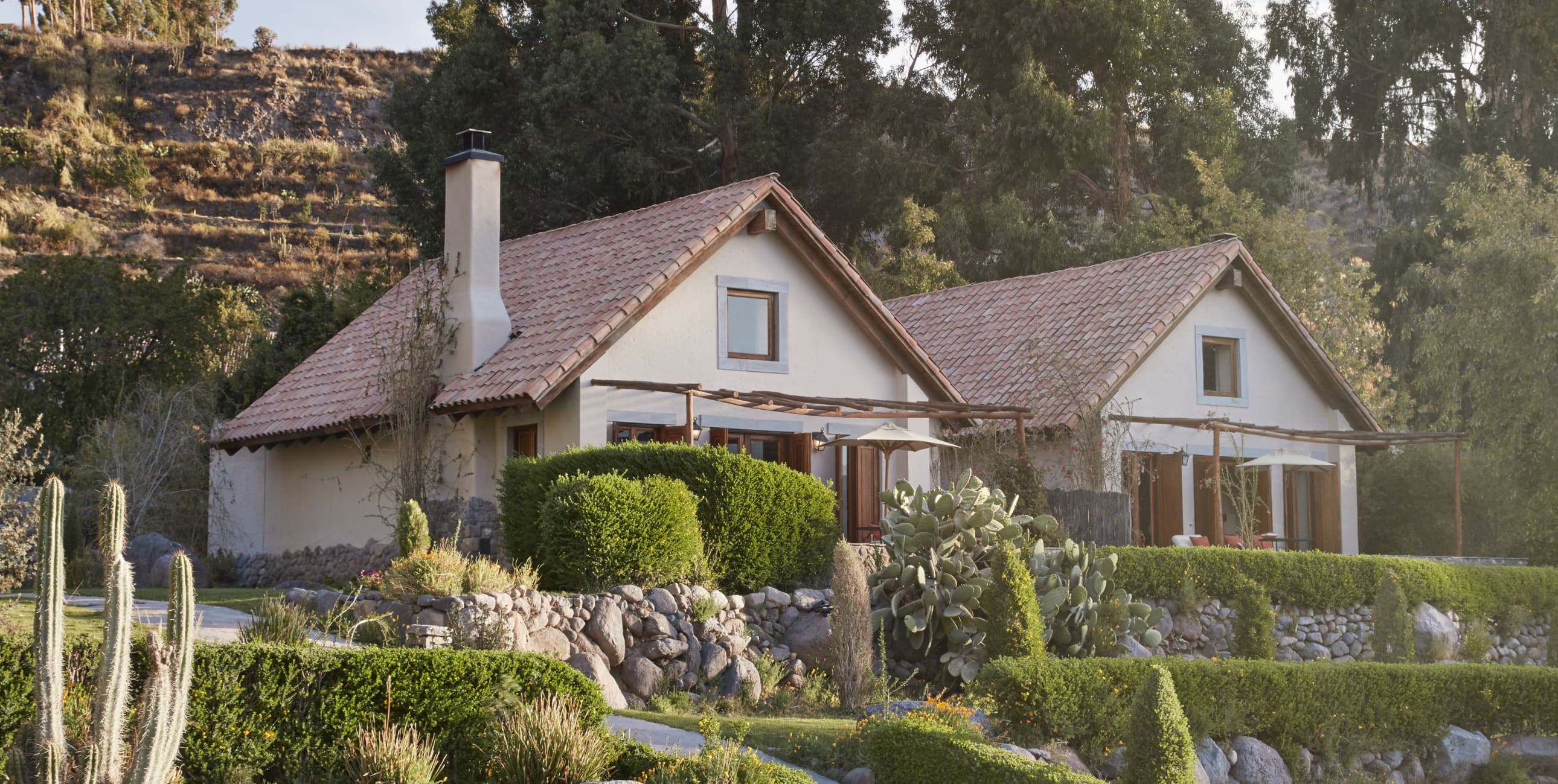
1 recommended properties
Things to Do in Arequipa
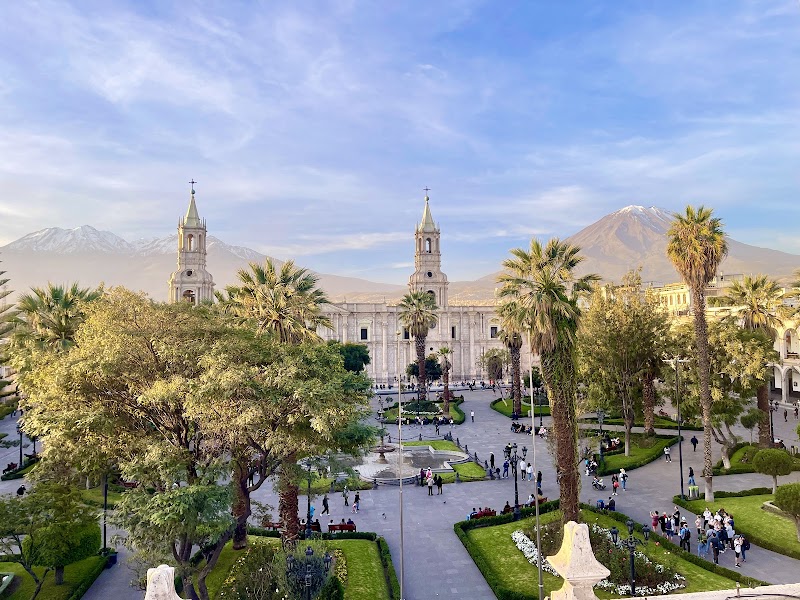
Centro Histórico Stroll & Plaza de Armas
Centro Histórico · 90 min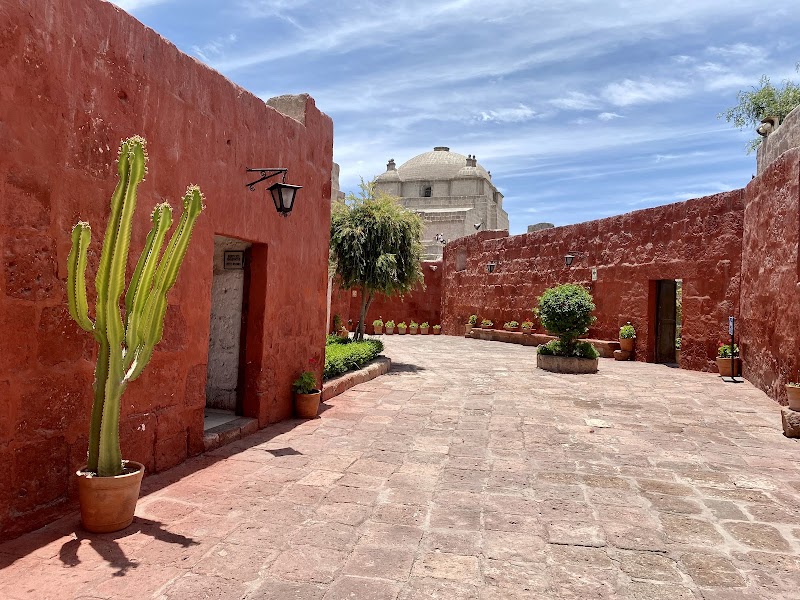
Monasterio de Santa Catalina
Centro Histórico · 120 min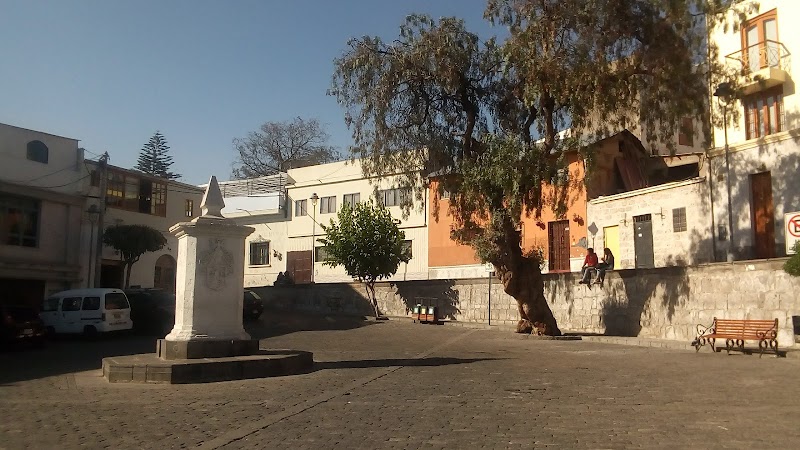
San Lázaro & Yanahuara Viewpoint Walk
San Lázaro / Yanahuara · 90 minMoney-Saving Tips
- 1.Eat lunch at picanterías instead of tourist restaurants — you'll pay 15-20 soles for massive portions versus 40-60 soles downtown
- 2.Buy bottled water at corner stores (2 soles) rather than hotels (8-10 soles)
- 3.Take local buses for 1 sol instead of taxis that cost 8-12 soles for short trips
- 4.Visit Santa Catalina Monastery after 3pm for half-price admission (20 soles vs 40 soles)
- 5.Book Colca Canyon tours directly with local operators rather than through hotels to save 30-40%
- 6.Shop for souvenirs at Mercado San Camilo where prices are fixed and fair, not inflated tourist shops around Plaza de Armas
Travel Tips
- •Pack layers — temperatures swing 30+ degrees between day and night year-round
- •Give yourself 2-3 days to adjust to the 7,660-foot altitude before attempting Colca Canyon
- •Bring sunscreen and a hat — the high altitude sun burns faster than you expect
- •Download offline maps — cell service can be spotty in neighborhoods outside the historic center
- •Learn basic Spanish phrases — English isn't widely spoken outside tourist-focused businesses
- •Carry small bills — many vendors and taxi drivers can't break 100 or 200 sol notes
- •Book Santa Catalina Monastery tours in advance during peak season (May-September)
- •Wear comfortable walking shoes with good grip — those colonial cobblestones get slippery when wet