Guangzhou
Modern metropolis where Cantonese cuisine meets cutting-edge commerce
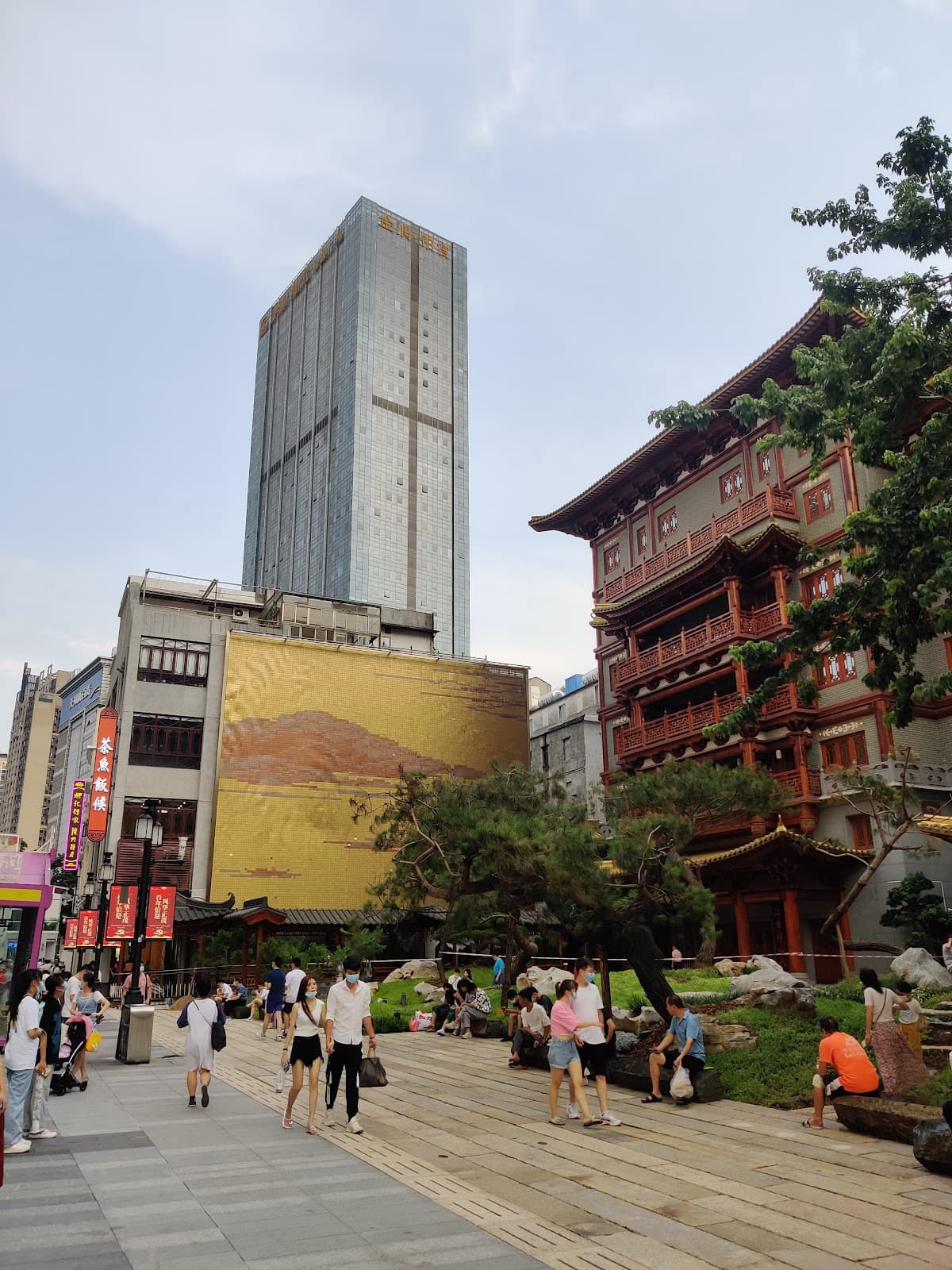
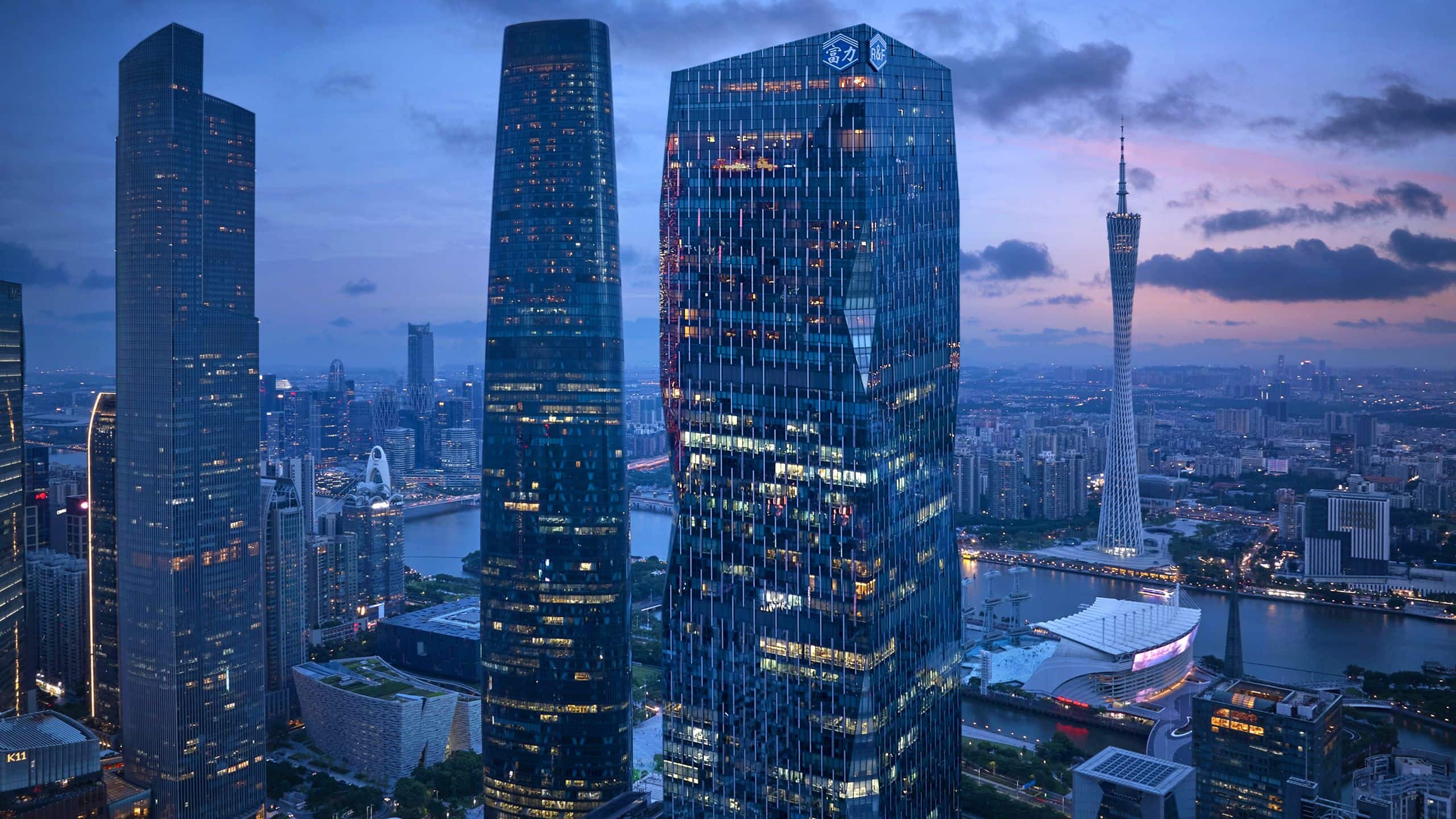
Guangzhou doesn't get the love it deserves. While everyone flocks to Beijing and Shanghai, this sprawling metropolis quietly serves up the best food in China and some of the most authentic urban experiences you'll find anywhere. The birthplace of dim sum sits at the heart of the Pearl River Delta, where centuries-old tea houses share blocks with gleaming skyscrapers and wholesale markets that supply half the world.
This is where Cantonese cuisine was born, and locals take their food seriously. You'll eat better here than anywhere else in China, from 4am breakfast noodles in Liwan District to Michelin-starred restaurants in Zhujiang New Town. But Guangzhou offers more than just incredible meals. The city pulses with commerce, culture, and a surprisingly laid-back vibe that makes it perfect for both business travelers and curious foodies looking to dive deep into real Chinese city life.
Best Months
JAN · FEB · MAR · APR · OCT · NOV · DEC
~22°C · moderate crowds
Culture & Context
CANTONESE BIRTHPLACE
Guangzhou, once known to the outside world as Canton, has been China's southern trading gateway for over 2,000 years. It's the birthplace of Cantonese culture — the food, the opera, the language, the specific way dim sum became a daily ritual rather than an occasional treat. This is where the Maritime Silk Road ran through. The city hosted China's first and only official imperial trade exchange with the West for over a century (the Canton System), which is why 'Cantonese' became synonymous with 'Chinese' in so many countries overseas. The food diaspora you know from Chinatowns worldwide traces directly back here.
The city speaks Cantonese first, Mandarin second. While Mandarin is understood by most people (especially younger residents and migrants), you'll hear Cantonese in teahouses, markets, and among older locals. Making any effort with Cantonese gets a warmer reception than Mandarin alone. English is limited outside major hotels and some younger staff in tourist areas — Google Translate offline or a translation app is practical equipment.
Guangzhou is also a city of massive internal migration: roughly half the population came from elsewhere in China, which creates a more mixed linguistic environment than you'd find in Hong Kong. It's less formal than Beijing, less internationally curated than Shanghai. There's a directness to local interactions that can read as blunt to outsiders but isn't meant that way. The food culture here borders on obsession — locals will debate the correct rice porridge spot with the seriousness other people reserve for important matters.
Local Customs
DIM SUM RITUAL
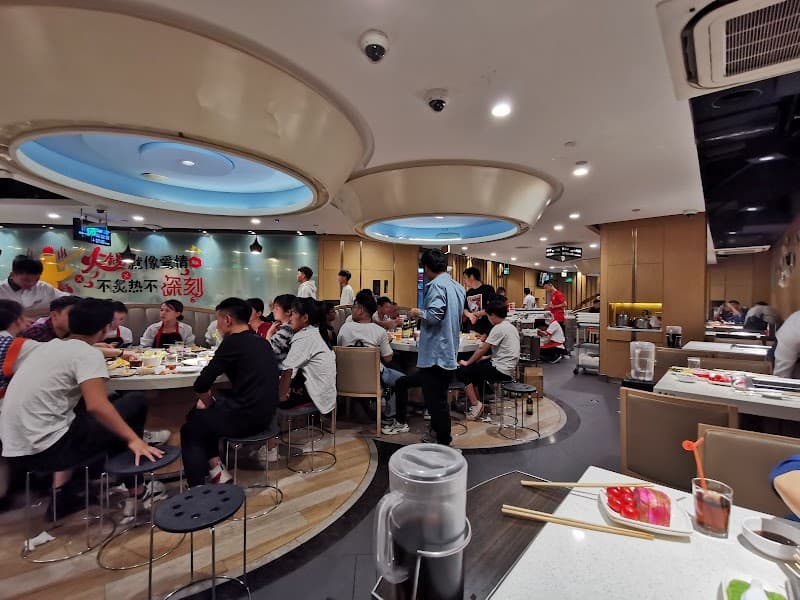
Morning yum cha (dim sum) is a daily ritual, not a tourist activity. Locals pack into teahouses from 7 AM onwards. Show up before 9 AM to avoid the wait at popular spots like Tao Tao Ju on Dishifu Road.
Ordering is typically done by ticking a paper card or, in newer places, via a QR code menu.. Tipping is not customary anywhere. Handing money to restaurant staff or taxi drivers will often result in polite refusal.
In high-end hotels with lots of international guests, staff are more familiar with it, but it's still not expected. Don't tip.. Never stick chopsticks upright in a bowl of rice.
It resembles funeral incense offerings and is genuinely bad etiquette. When you're done with them, rest them across the top of your bowl or on a chopstick rest.. Meals are communal.
Dishes come to the center of the table and everyone shares. The host often serves guests first, especially with the initial dishes. Leaving a small amount of food on your plate at the end signals you've been well-fed, not that you wasted food..
Use both hands when giving or receiving business cards, and take a moment to actually look at the card before setting it down. Writing on someone's card in front of them is rude.. Mobile payments are the norm.
WeChat Pay and Alipay work at street food stalls, convenience stores, and taxis. Most places don't take Visa or Mastercard directly. Set up Alipay or WeChat with an international card before you arrive.
From 2026, more metro and transit options accept international contactless cards, but cash and mobile pay still dominate.. Download a VPN before you land. Google Maps, Instagram, WhatsApp, and most Western social platforms are blocked.
AMap (Gaode Maps) works well for navigation in China. Baidu Translate or Google Translate offline packs help with menus.. Sensitive political topics (Taiwan, Tibet, Hong Kong protests, Tiananmen) are best left alone in public spaces.
This is practical advice, not just diplomatic hedging.. The US State Department maintains a Level 3 advisory for China over exit bans and arbitrary enforcement of local laws. This matters mainly for journalists, business people with commercial disputes, or anyone carrying sensitive data.
For most tourists, day-to-day risk is low.
Safety
WATCH PICKPOCKETS
Guangzhou is generally low-risk for tourists by big-city standards. Violent crime against visitors is rare, and the extensive CCTV network and visible police presence keep public spaces orderly. That said, petty theft is the real concern: pickpockets operate in crowded metro stations, shopping areas, and at tourist sites. Keep your bag in front of you on busy Line 3 trains.
Scams matter more than muggings here. Be cautious of anyone who approaches you too enthusiastically near tourist areas — tea ceremony invitations leading to inflated bills are a known scam pattern in China. Fake goods vendors and overpriced taxi touts outside arrival halls are routine. Use Didi instead of hailing cabs from the street, especially from the airport.
The Baiyun District has a higher incidence of petty crime at night — it's also not a great tourist area in general, so there's little reason to be there after dark anyway. Shamian Island and the Canton Tower riverfront are among the most comfortable areas for visitors at night. Stick to well-lit streets; avoid quiet alleys after midnight.
Drink bottled or boiled water. Tap water in Guangzhou is not reliably safe to drink. Watch for extreme weather: summers (June–August) hit 35°C+ with brutal humidity. Typhoons can arrive May–September. The US State Department holds a Level 3 'Reconsider Travel' advisory for China, citing exit bans and arbitrary law enforcement primarily affecting journalists and those involved in business disputes. Emergency numbers: Police 110, Ambulance 120, Fire 119, Tourist Hotline +86-20-12301.
Getting Around
METRO & MOBILE PAY
Guangzhou's metro is the backbone of getting around. Over 600 km of track across 17+ lines, clean, air-conditioned, and reliably fast. Fares run ¥2–10 ($0.30–1.40) depending on distance. Lines 1, 3, and 5 cover most tourist spots: Line 1 hits Yuexiu and East Station, Line 3 runs from the airport all the way to Canton Tower and Chimelong, Line 6 serves Beijing Road. Trains run from around 6 AM to midnight. Rush hours (8–9 AM, 6–7 PM) are genuinely crushing on Lines 3 and 5 — if you're going anywhere near Zhujiang New Town during those windows, add 20 minutes of patience to your plans.
Paying is easy in 2026. WeChat Pay or Alipay generate a transit QR code directly in the app. Look for gates with a QR scanner (marked with yellow or blue lights). You can also buy a Yang Cheng Tong transit card (¥20 deposit) at station machines, which works on metro, buses, and ferries. International contactless payments (Visa/Mastercard tap) are increasingly accepted.
Airport access: Guangzhou Baiyun International Airport (CAN) connects to the city via Metro Line 3 (North Extension). The ride to central Tianhe takes around 40 minutes and costs around ¥7. A taxi to downtown runs ¥120–150. In 2026, Terminal 3 is fully operational so check which terminal your flight uses — T1 and T2 are on Line 3, T3 requires an additional shuttle.
Didi (China's Uber equivalent) works well for late-night rides and when you have luggage. The English-language app accepts international payment methods and auto-translates your destination into Chinese. Avoid unlicensed taxis outside arrival halls — they overcharge.
High-speed rail connections are excellent: Shenzhen is 40–60 minutes from Guangzhou South Station, Hong Kong is about 45 minutes via West Kowloon. The 240-hour visa-free transit policy now includes Guangzhou as a designated port, so transit travelers can access the city and surrounding Guangdong province for up to 10 days.
Useful Phrases
Guangzhou Itineraries
View all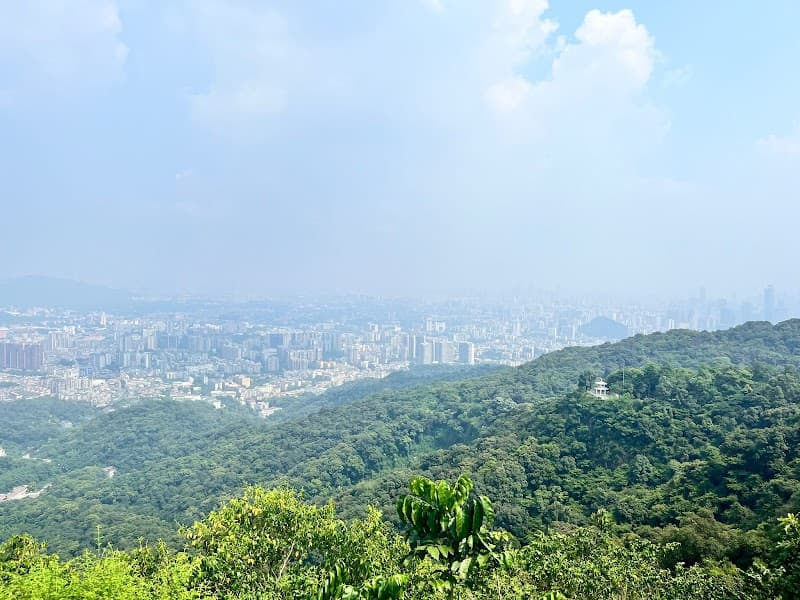
Guangzhou Jungle-Style Weekend: Temples, Towers, and River Glow
Weekend · $$$
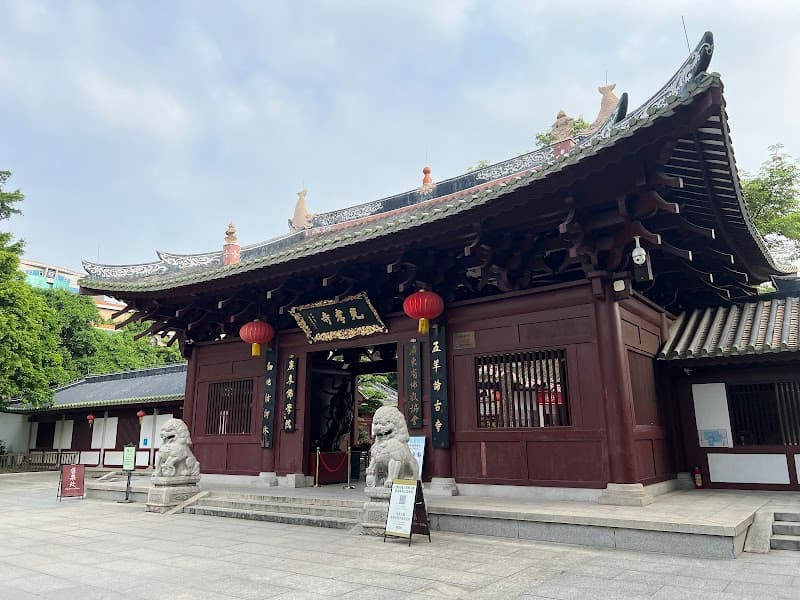
Guangzhou Green Havens & River Lights in 7 Days
Week · $$$
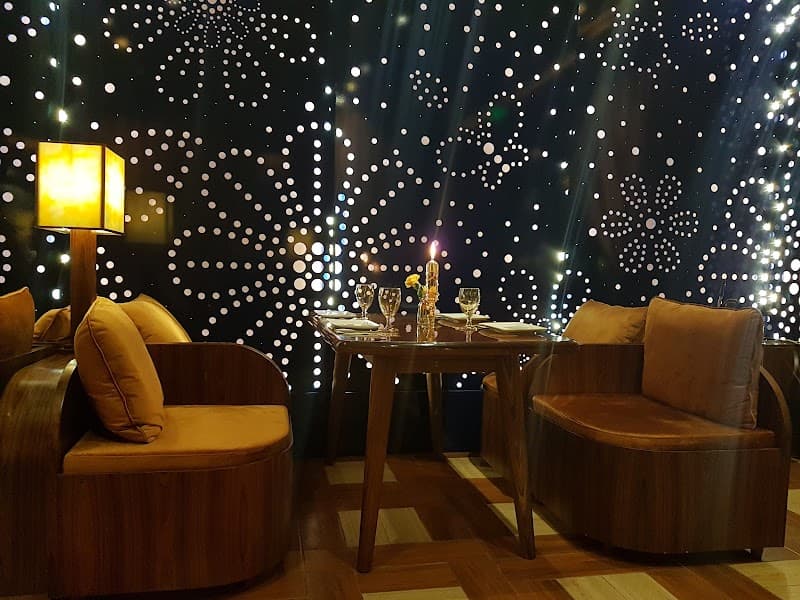
Green Guangzhou: Gorges, Gardens & River Nights
Day Trip · $$$
Guangzhou Jungle-Wild Romance: Gardens, Riverfronts, and Halal Eats
Week · $$$

Guangzhou Jungle-Wild Romance: 3 Days of Views, Parks, and Cantonese Charm
Weekend · $$$
Jungle Romance in Guangzhou’s Green & Neon Heart
Day Trip · $$$
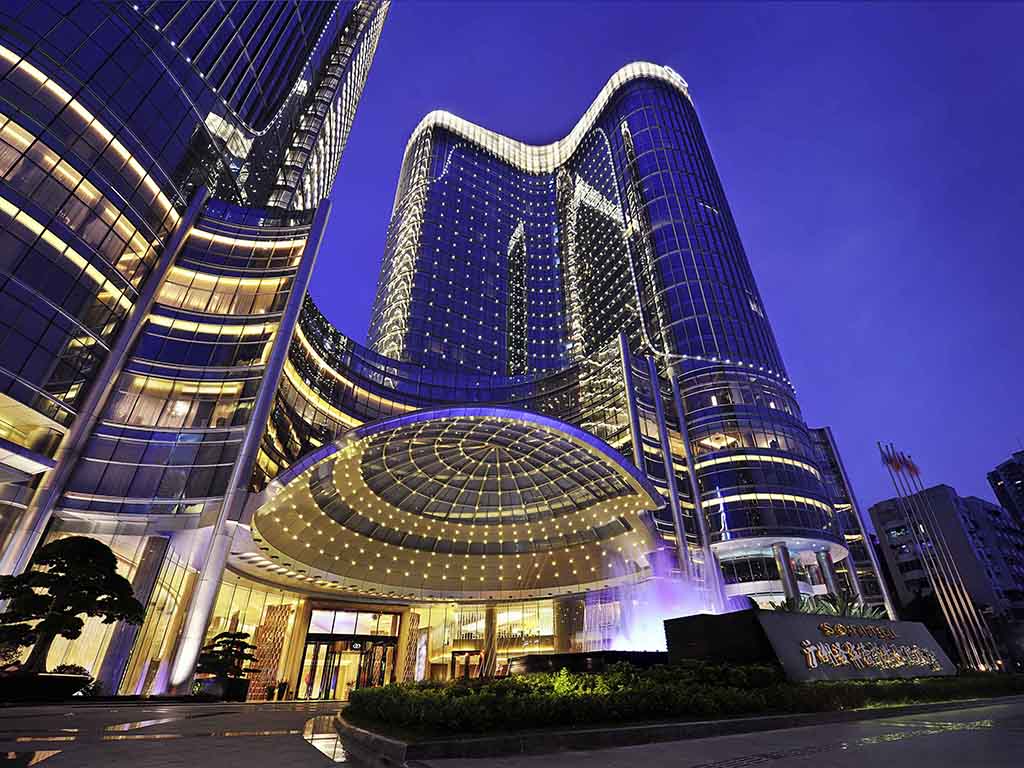
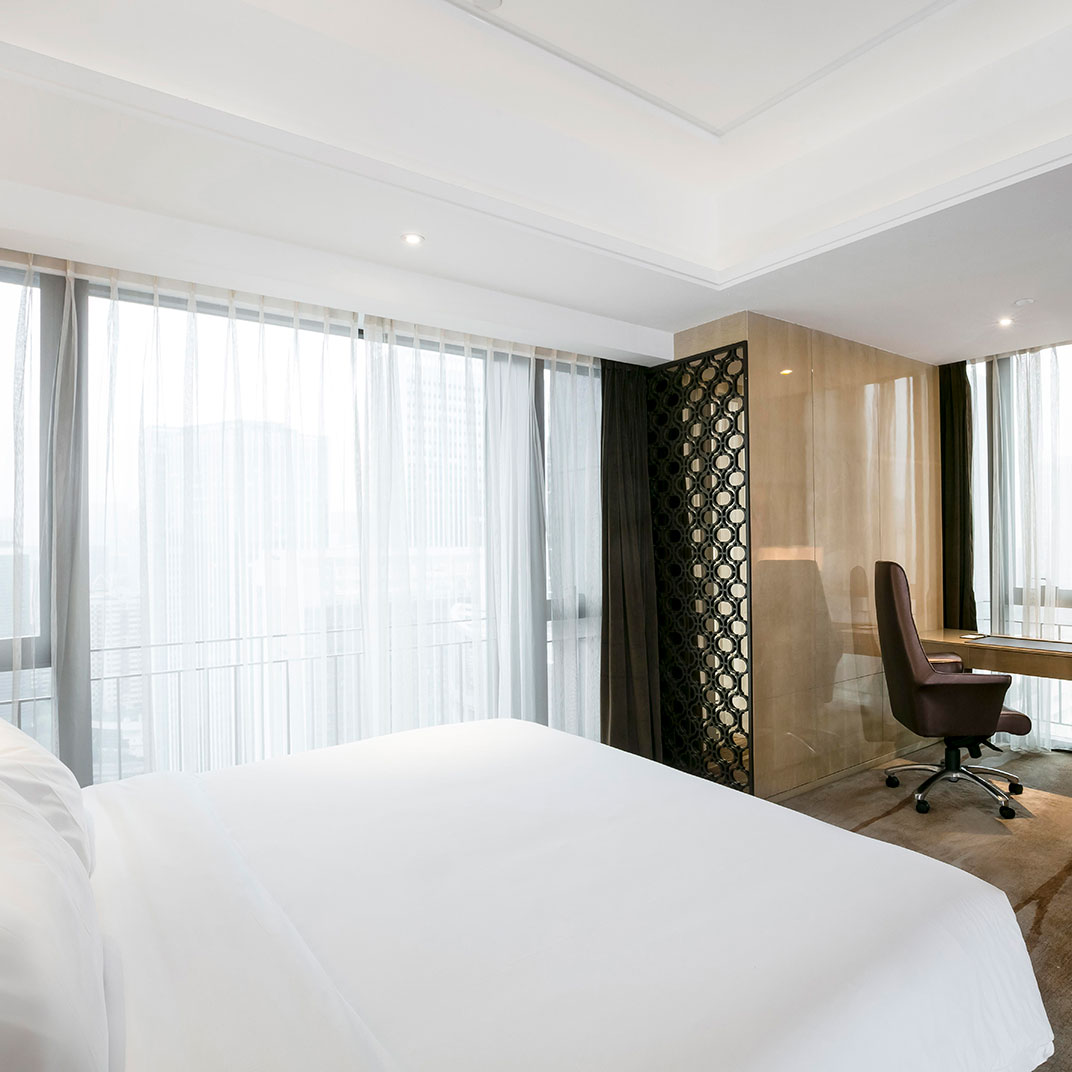
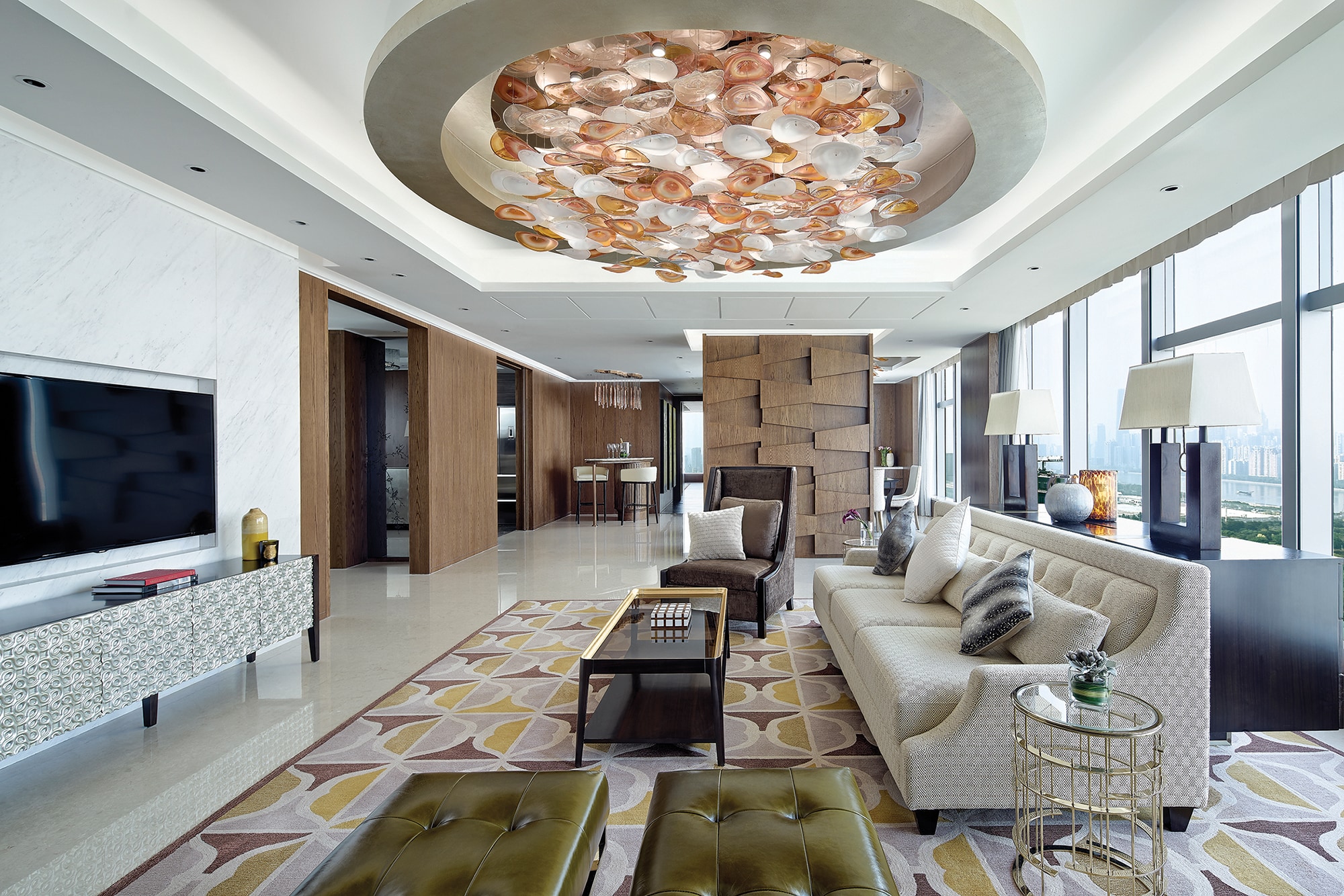
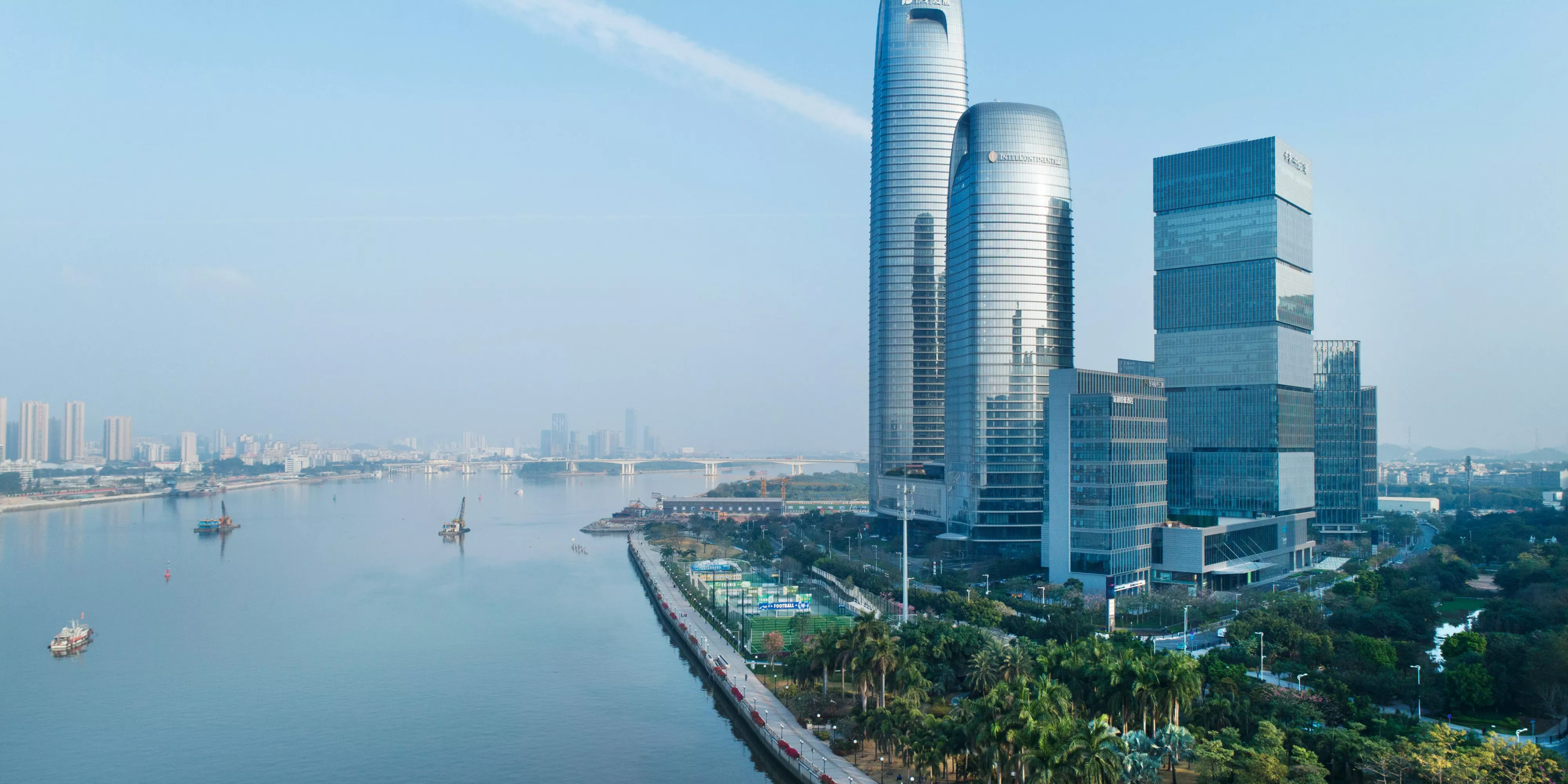
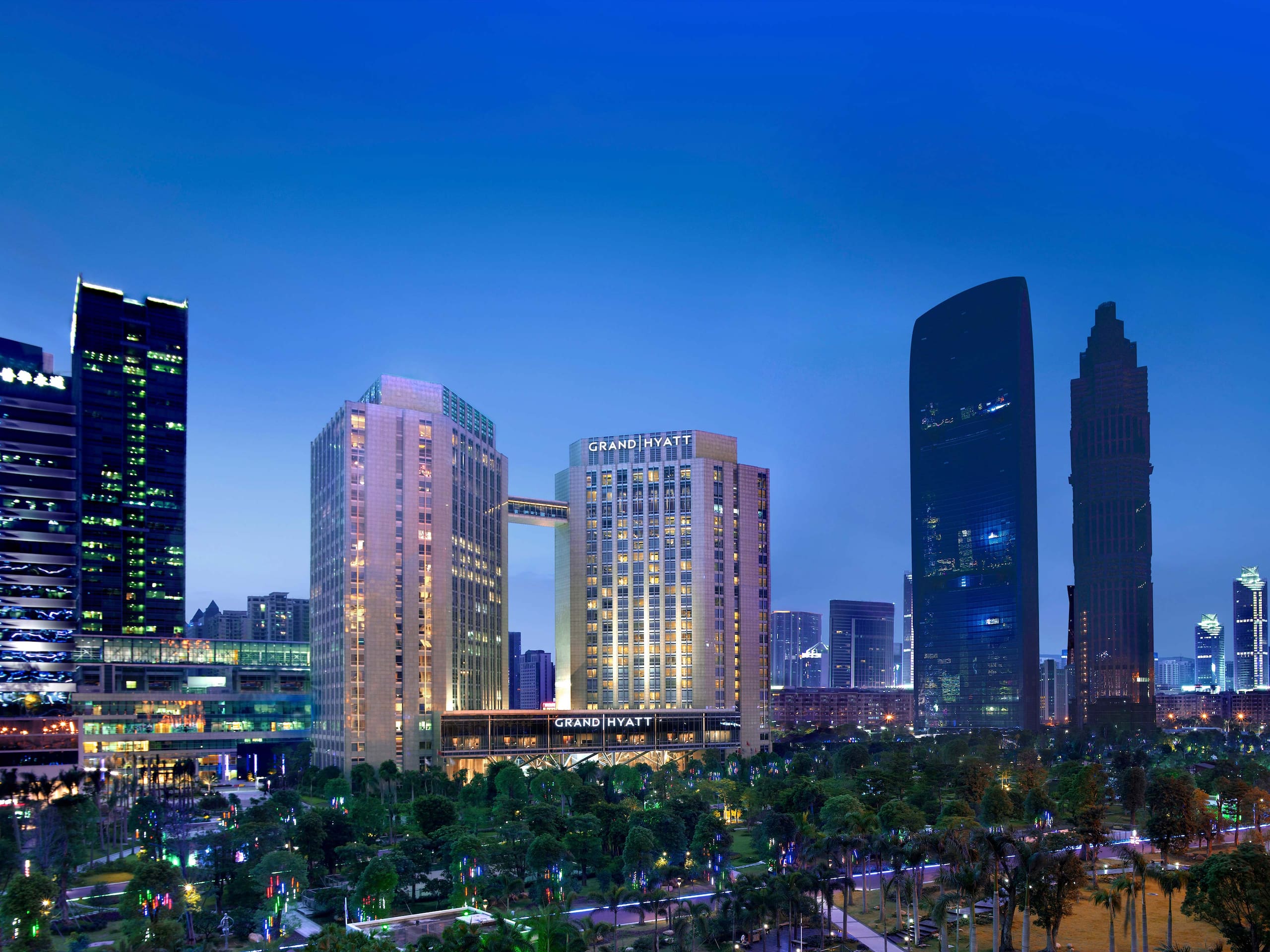
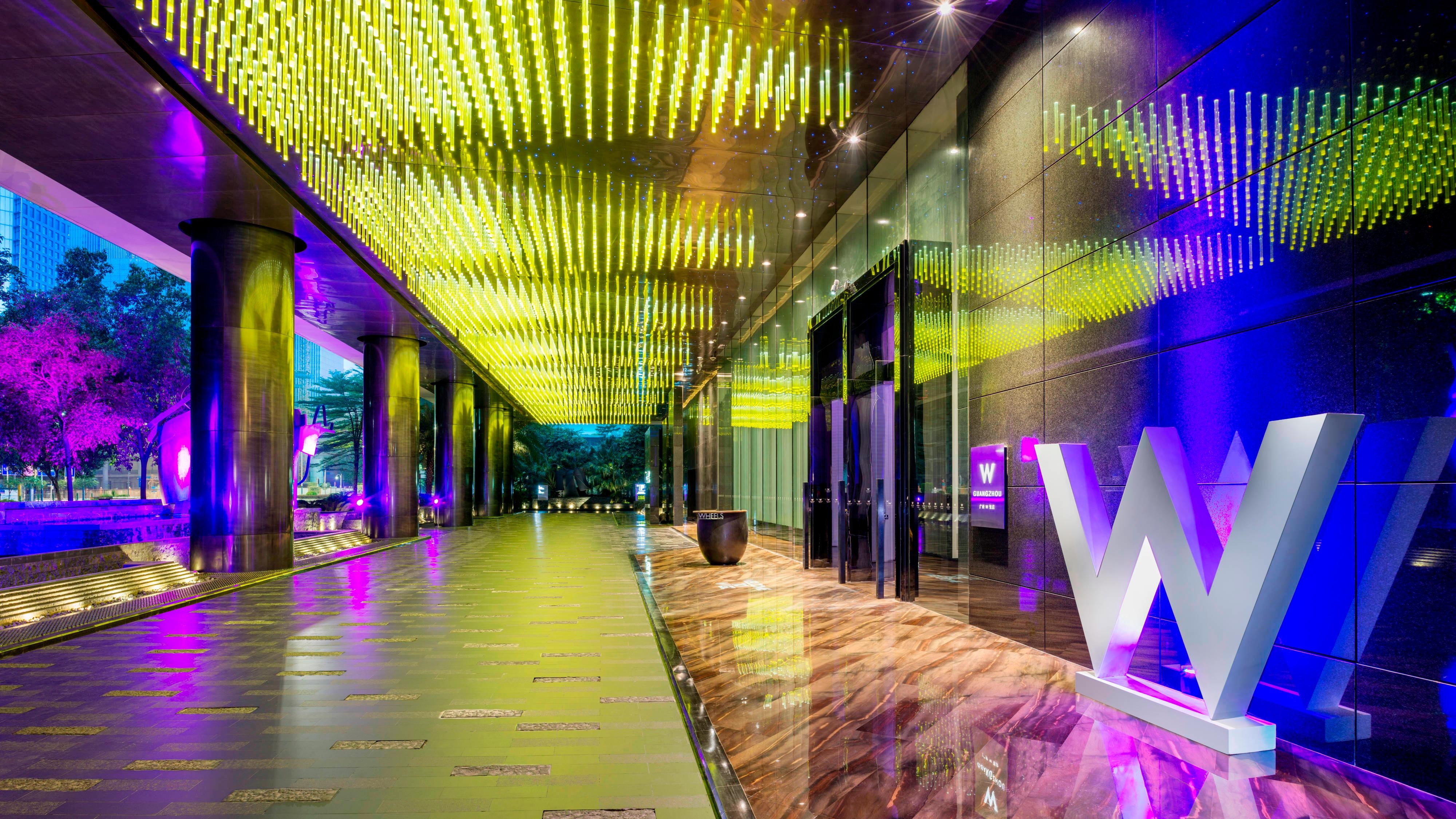
Where to Stay in Guangzhou
9 recommended properties
Things to Do in Guangzhou
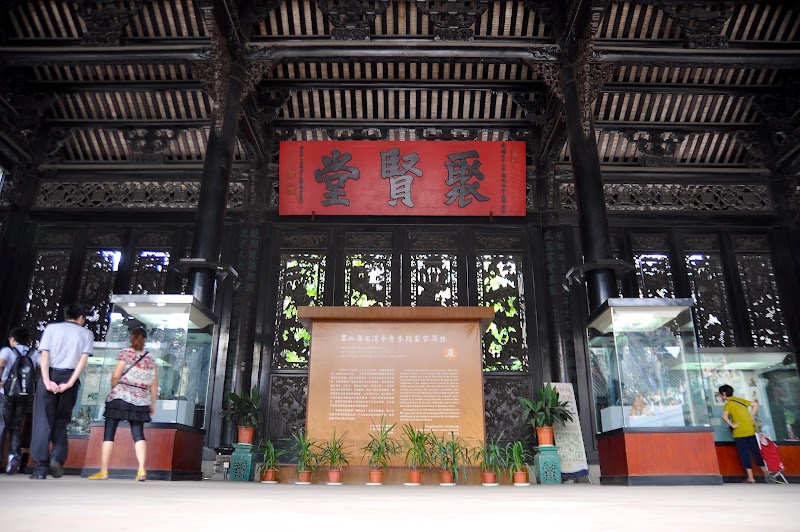
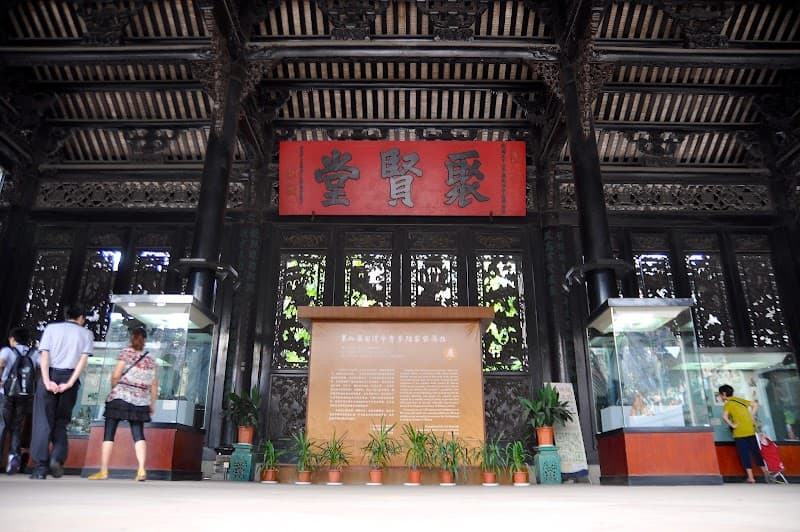
Chen Clan Ancestral Hall (Chen Clan Academy)
Liwan (Chenjiaci) · 90 min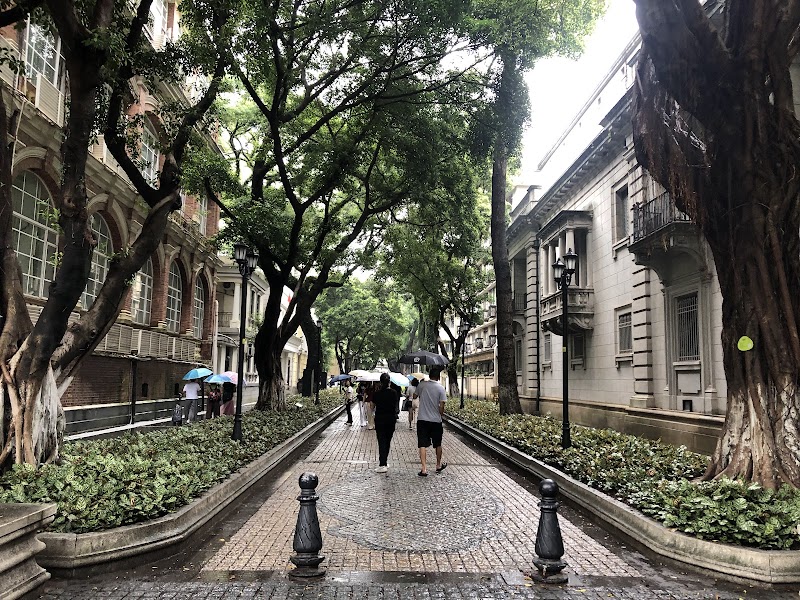
Shamian Island
Liwan (Shamian) · 120 min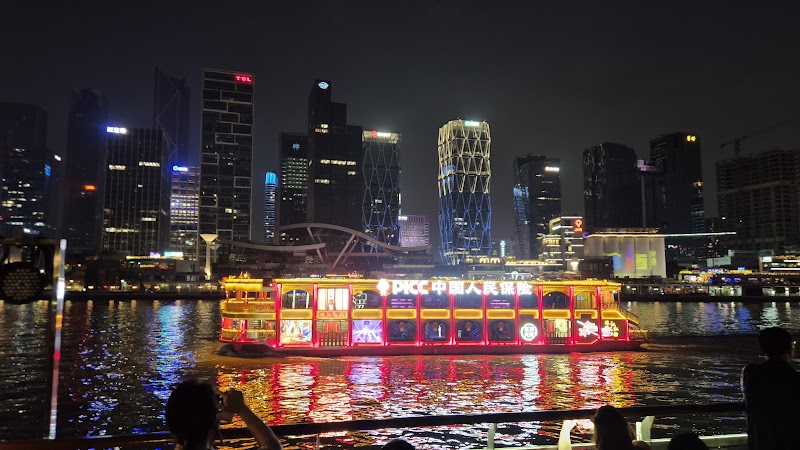
Pearl River Night Walk (Haizhu Square to Shamian Viewpoint)
Yuexiu / Liwan riverfront · 90 minMoney-Saving Tips
- 1.Street food costs 10-30 yuan per meal – eat where locals eat for the best prices and flavors
- 2.Metro day passes (18 yuan) save money if you're making multiple trips across the city
- 3.Wholesale markets in Liwan District offer the same goods as fancy malls at 30-50% less
- 4.Lunch sets at local restaurants cost 25-40 yuan vs 80-150 yuan at hotel restaurants
- 5.Buy tea directly from wholesale markets on Fangcun Tea Street – same quality, fraction of tourist prices
- 6.Night markets have better prices than day markets – vendors want to clear inventory
- 7.Airport express trains (7 yuan) beat taxis (150 yuan) and hotel shuttles (200+ yuan) by huge margins
Travel Tips
- •Download translation apps – English signage disappears quickly outside tourist areas
- •Carry cash – many small restaurants and street vendors don't accept cards or mobile payments from foreign accounts
- •Learn to use chopsticks properly – locals notice and appreciate the effort
- •Avoid rush hours (7-9am, 5-7pm) when using public transport – crowds can be overwhelming
- •Bring comfortable walking shoes – sidewalks are uneven and you'll walk more than expected
- •Pack layers for air conditioning – buildings blast AC while outside temps soar
- •Have hotel address written in Chinese characters – taxi drivers need this for navigation
- •Try everything once – Cantonese cuisine includes ingredients you won't find elsewhere
- •Respect tea ceremony etiquette – tap the table twice when someone pours your tea
- •Book restaurants in advance during Chinese holidays – many close or get fully booked