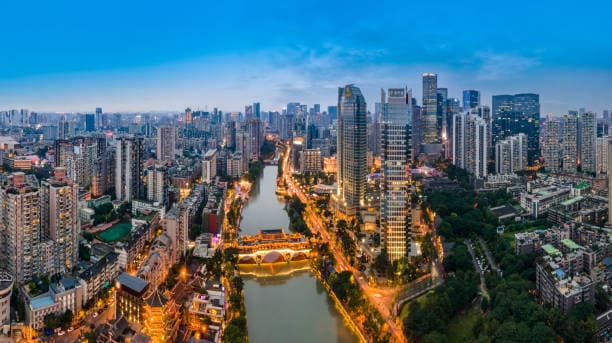
Chengdu
Panda paradise meets fiery Sichuan cuisine culture
Chengdu hits different. This is where you'll find yourself face-to-face with giant pandas one minute, then sweating over a bowl of mapo tofu the next. The capital of Sichuan Province moves at its own pace — locals sip tea in bamboo chairs while the world rushes by, and that infectious calm will get to you too. But don't mistake laid-back for boring. Chengdu serves up some of China's best street food, most beautiful parks, and yes, the world's most famous black-and-white bears. The city balances 2,000 years of history with modern energy, creating something uniquely Chengdu.
Best Months
MAR · APR · MAY · SEP · OCT · NOV
~22°C · high crowds
Culture & Context
SLOW LIFE PHILOSOPHY
Chengdu moves at a different pace than China's east coast megacities. Locals call it "man sheng huo" — the slow life. People genuinely sit in teahouses for hours, play mahjong in parks, and eat hotpot meals that stretch two hours.
This isn't laziness; it's a philosophy. Chengdu is a UNESCO City of Gastronomy and the birthplace of Sichuan cuisine, which means food isn't just sustenance here — it's the main event. The city has over 30 universities, so the younger crowd speaks decent English and is generally curious about foreigners.
Don't tip in restaurants. It's not expected, and in some contexts it reads as condescending. Don't rush through meals either — eating fast is considered rude.
Do dress modestly at temples like Wuhou Shrine and Qingyang Palace. The spice level is real. "Wei la" (slightly spicy) on a menu still has serious heat.
If you're spice-averse, ask specifically for "bu la" (no spice) and they'll usually accommodate. Air pollution is a legitimate concern — Chengdu sits in a basin and the sky is grey more days than not. Check pollution readings before outdoor activities and carry a mask for heavy smog days.
Local Customs
TEAHOUSE SITS SACRED
Ba Ba Cha (坝坝茶) is the local teahouse ritual. Find a plastic chair, tell the person 'Hua Cha' (jasmine tea), pay 15–25 CNY, and sit for as long as you want. Many spots now have QR code payment, but older teahouses still prefer cash..
Don't tip at restaurants. It's not customary and can actually come across as strange or insulting to staff.. Meals are long, social events.
Don't rush. Showing up, eating fast, and leaving is considered impolite — especially at hotpot, which is designed as a communal, unhurried experience.. Always ask before photographing people, particularly in rural areas or at temples.
Street performers near tourist sites often expect payment for photos.. Queue-skipping is common and can be frustrating. At places like the Panda Base, popular panda enclosures get strict timed entry — if you miss your slot, you're out.
Arrive before the gate opens (7:30 AM) and head straight to the celebrity enclosures.. Mobile payments (WeChat Pay and Alipay) dominate. Many small street vendors and old-school teahouses don't take international cards.
Carry some cash. Linking an international card to Alipay before arrival is the smartest move.. VPN is essential.
Install it before you land — China's restrictions mean Google Maps, WhatsApp, Instagram, and most Western apps won't work without one.. Register your accommodation with local police within 24 hours of arrival. Hotels handle this automatically.
If you're in a private rental (Airbnb-style), you must go to the local police station yourself.
Safety
SAFE CITY SMOG
Chengdu is consistently rated one of China's safest large cities. The risks that do exist are ordinary urban ones: pickpockets in crowded spots like Chunxi Road, Kuanzhai Alley, and train stations, and the occasional overpriced tour hustle near tourist sites. Traffic is the bigger practical hazard.
Always look both ways before crossing, even on a green light — e-bikes run red lights constantly and silently. Use Didi (the local ride-hailing app) rather than flagging down unmarked taxis, and make sure the fare meter is running. Drink bottled or filtered water only; tap water isn't safe to drink directly.
Carry basic stomach medication. Sichuan spice hits differently than other cuisines and digestive surprises are common for first-timers. Air pollution is the most underreported issue.
Chengdu sits in a basin and particulate levels can get hazardous. Check AQI readings daily and carry a proper mask (N95 or KN95) for high-pollution days. Some international websites and apps are blocked in China — set up a VPN before you arrive, not after.
Hotels register your passport with authorities automatically; if staying in private accommodation, you must self-register at the local police station within 24 hours.
Getting Around
METRO DOMINATES
Two airports, and the difference matters. Shuangliu (CTU) is 15km from downtown — a Didi costs 35–50 CNY and takes about 30 minutes outside rush hour. Tianfu (TFU) is 60km out, a brutal 150–200 CNY Didi ride or a 10 CNY metro ride on Line 18 that takes well over an hour.
If you have a choice of airport on your booking, Shuangliu is the obvious pick. The metro is fast, clean, affordable, and extensive — spanning 594km across multiple lines and covering basically every tourist area. Tickets cost 2–4 CNY depending on distance.
The Tianfu Pass in Alipay works for both metro and buses. Local buses cost 2–3 CNY. Shared bikes (various colors everywhere) rent for 1.
5 CNY per 30 minutes and are great for short hops between neighborhoods. Avoid driving or taking taxis during morning and evening rush hours — the congestion is legitimately bad. High-speed rail connects Chengdu to Chongqing (about 1 hour, 97 CNY), Leshan (1–1.
5 hours), and most major Chinese cities. For Jiuzhaigou, the high-speed train takes 2–2.5 hours and is far more practical than flying once you factor in airport transit time.
US citizens still need a standard visa. Most EU nationals, Australians, and many others qualify for 30-day visa-free entry through 2026. Citizens of 55 countries can use the 240-hour (10-day) visa-free transit policy if connecting to a third country.
Useful Phrases
Chengdu Itineraries
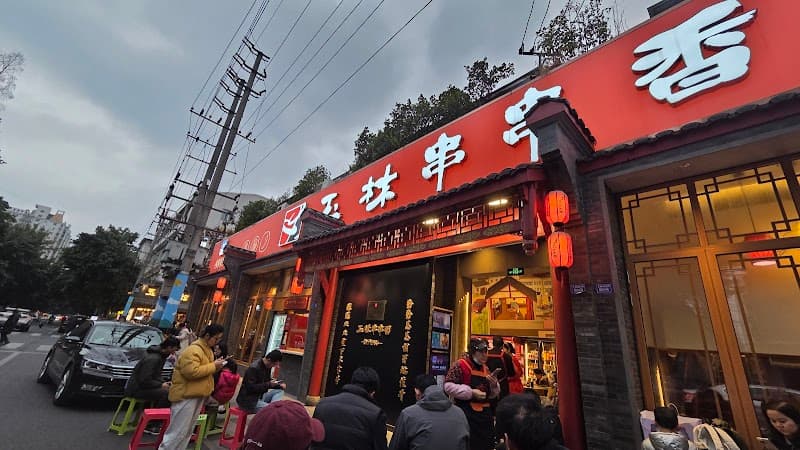
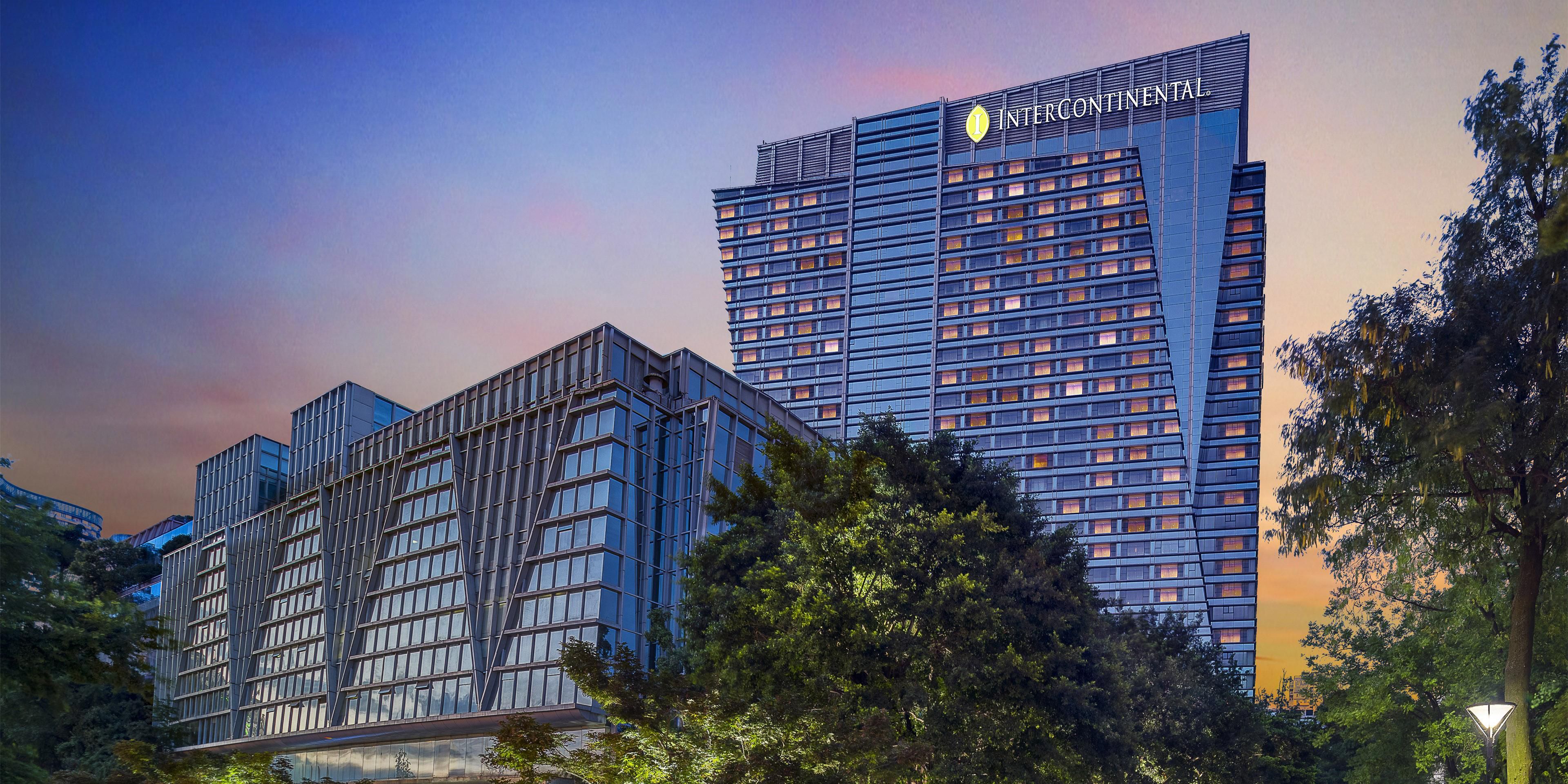
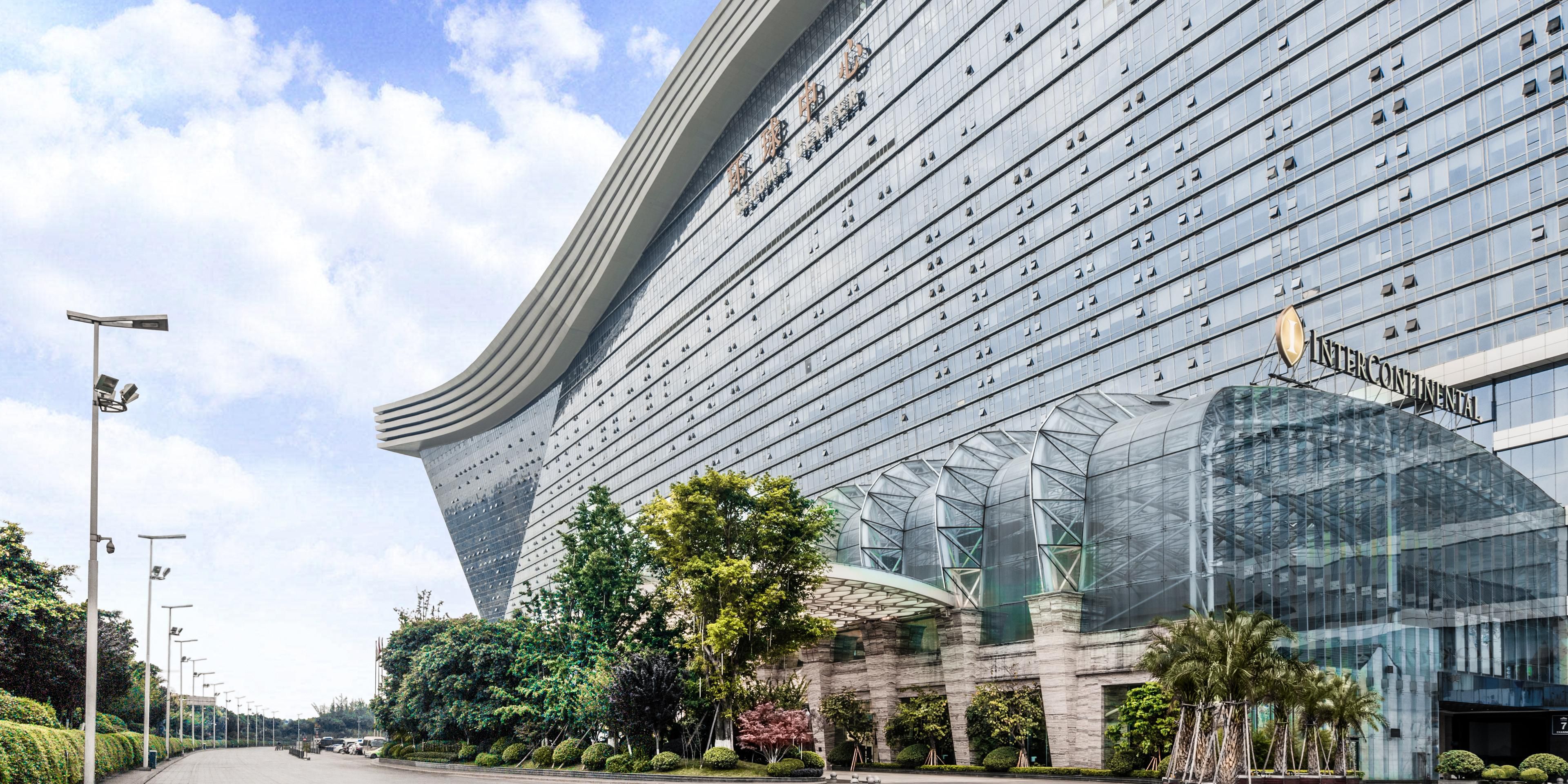
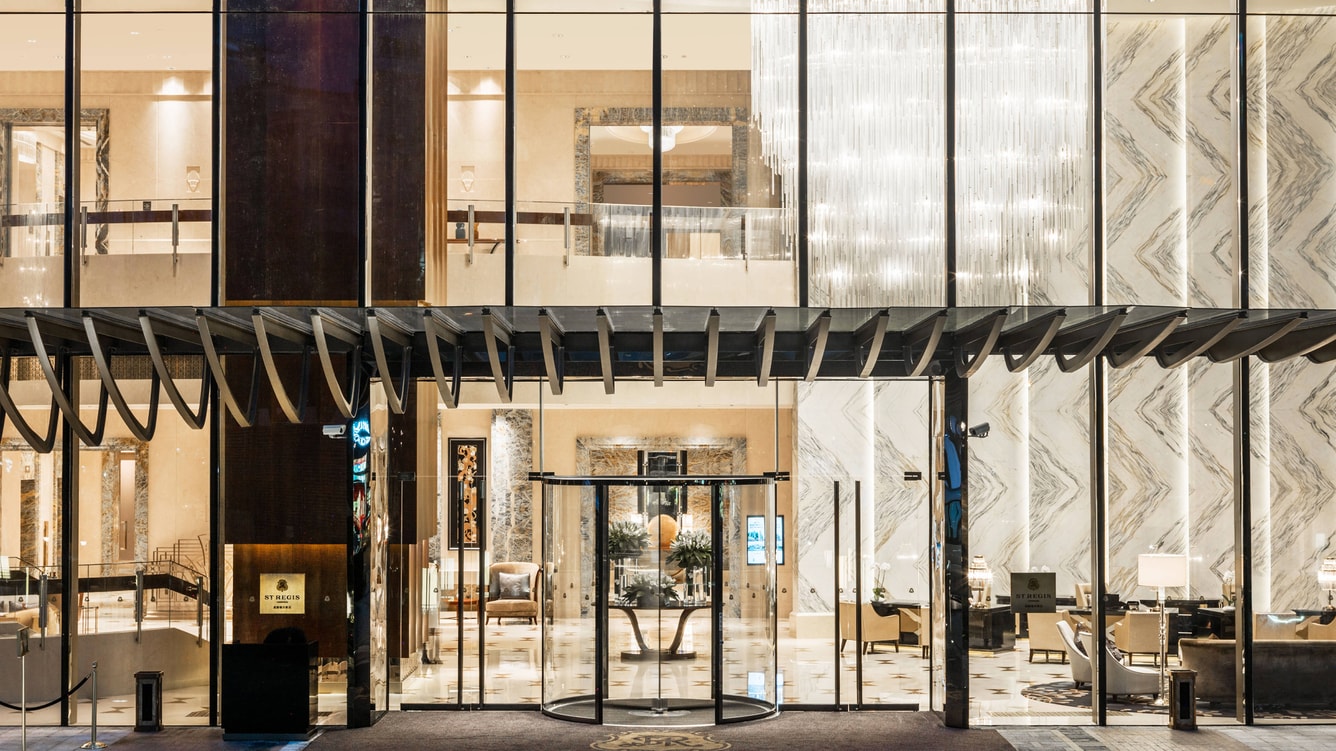
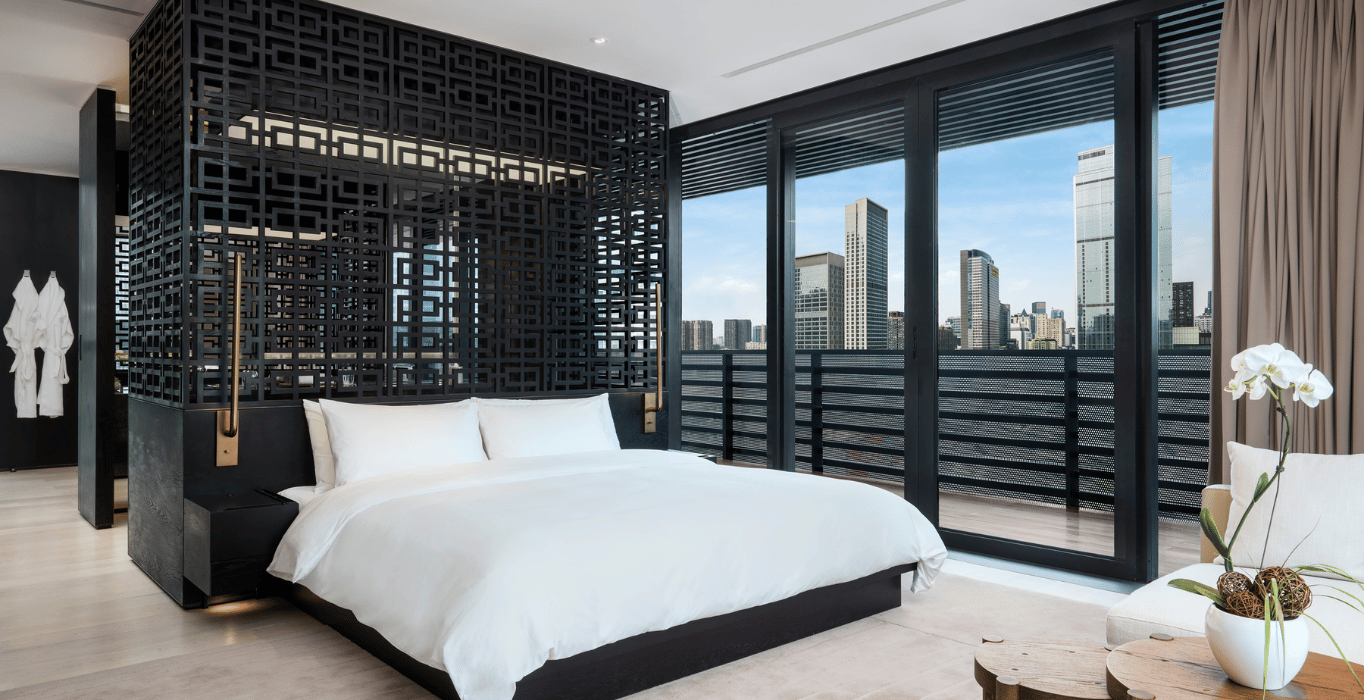
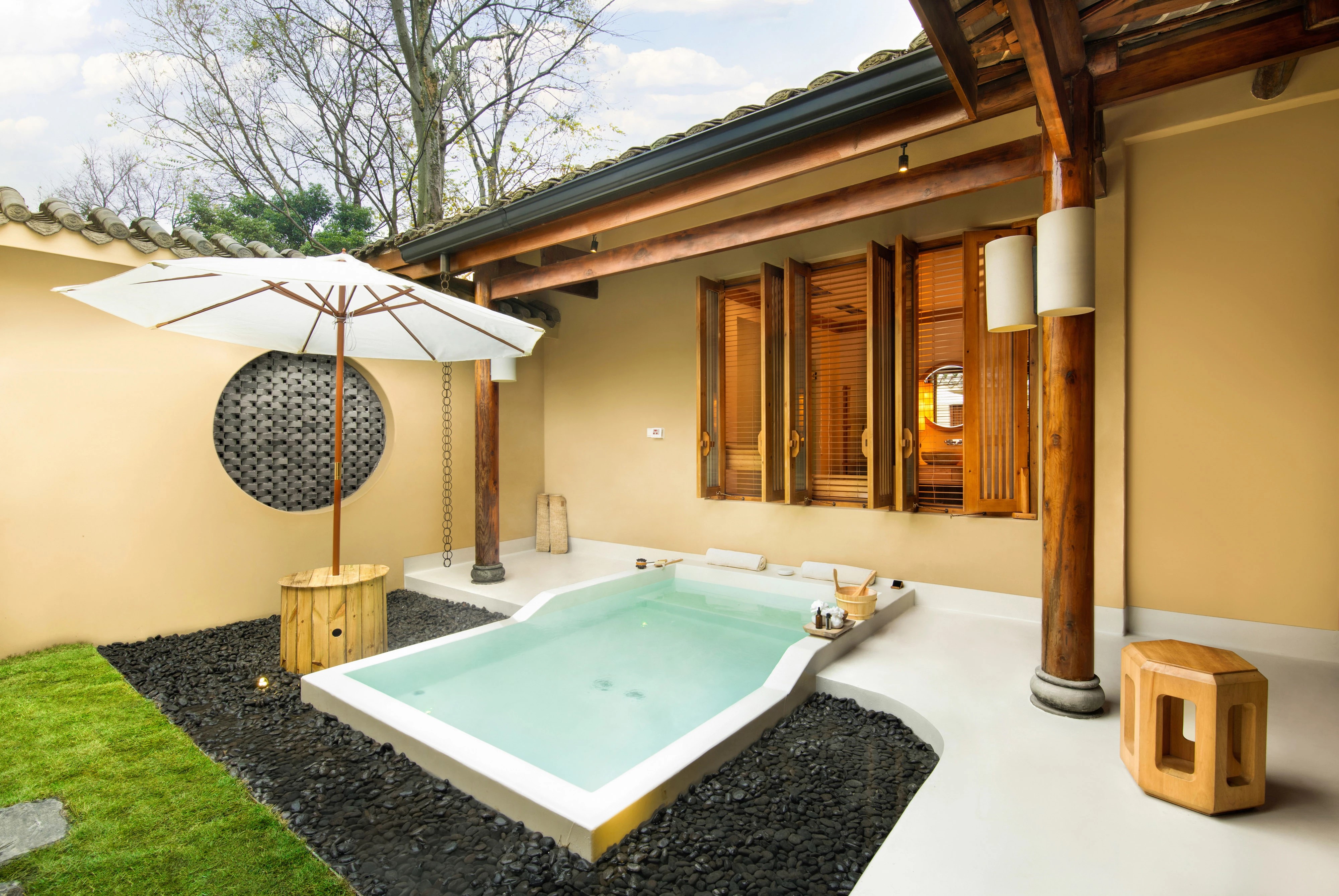
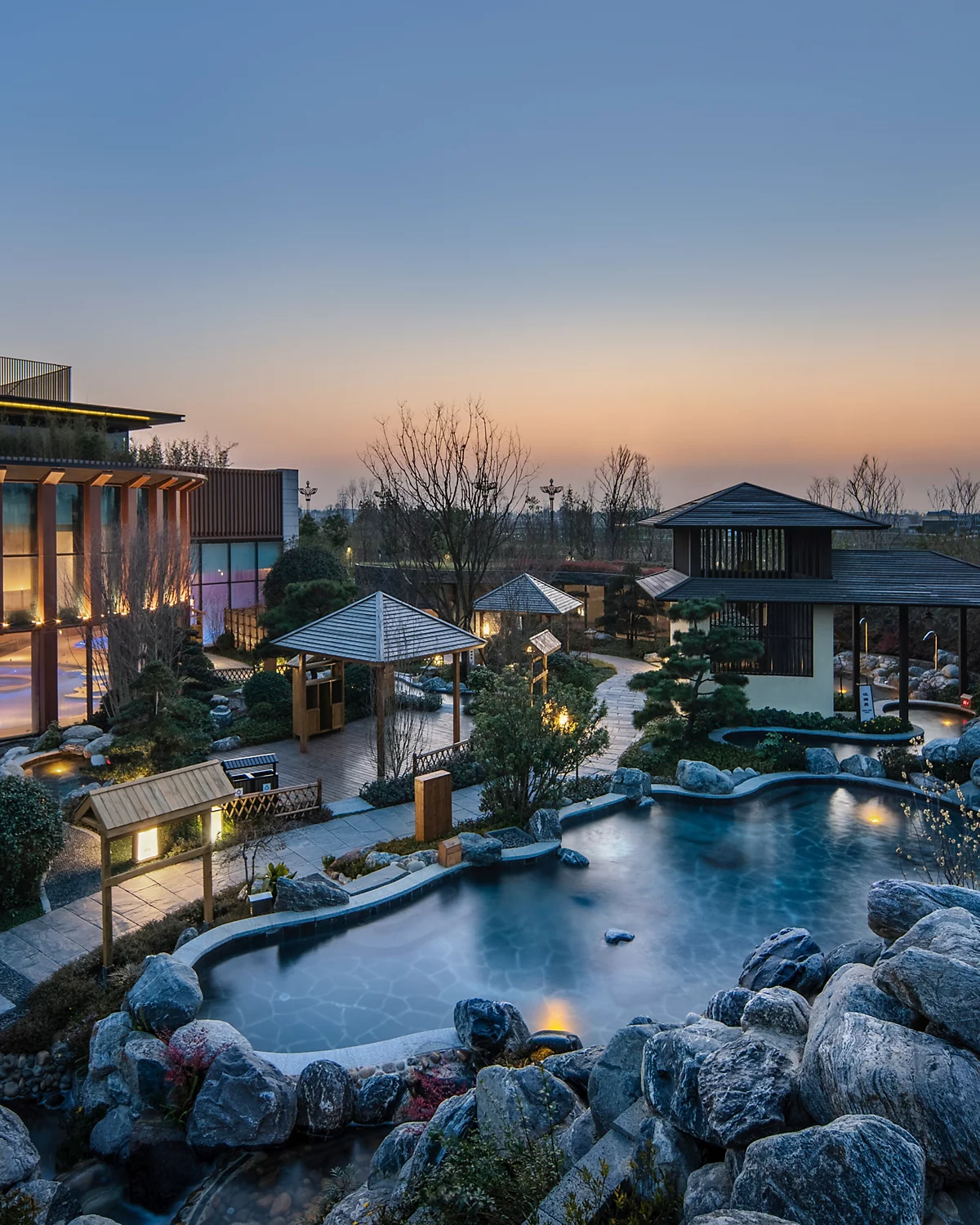
Where to Stay in Chengdu
9 recommended properties

Things to Do in Chengdu

Chengdu Research Base of Giant Panda Breeding (成都大熊猫繁育研究基地)
Chenghua District – Panda Base area · 180 min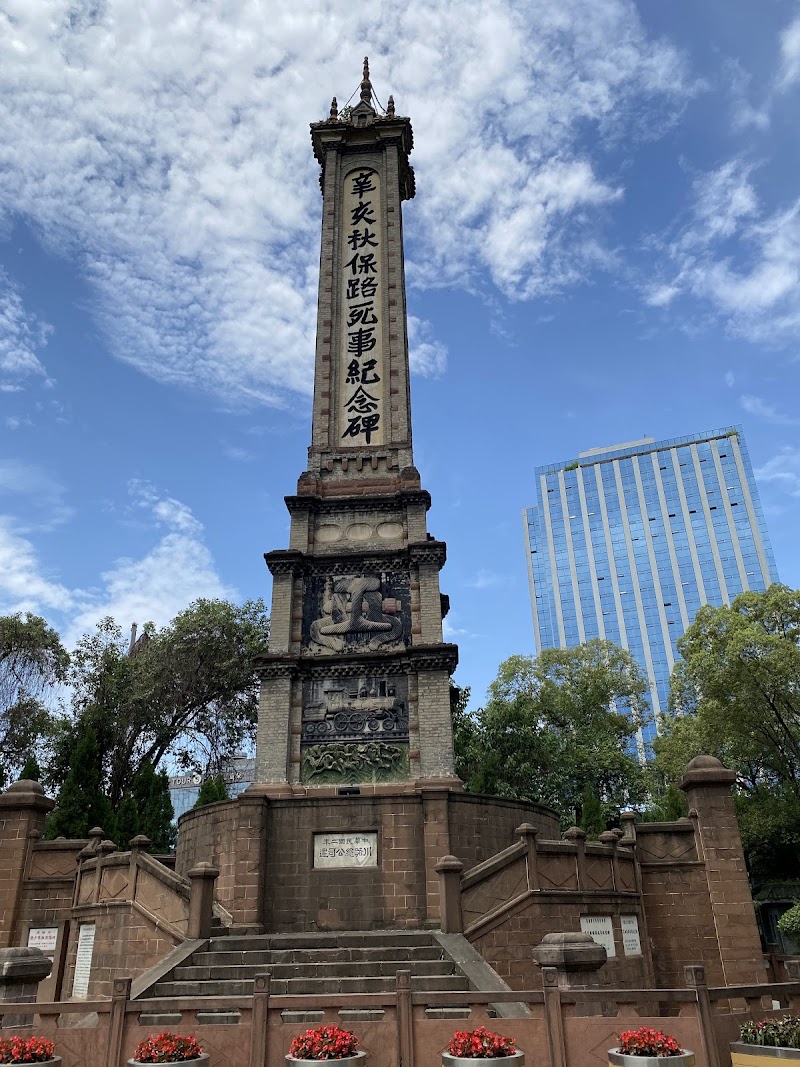
People’s Park (人民公园)
Qingyang District – City Center · 60 min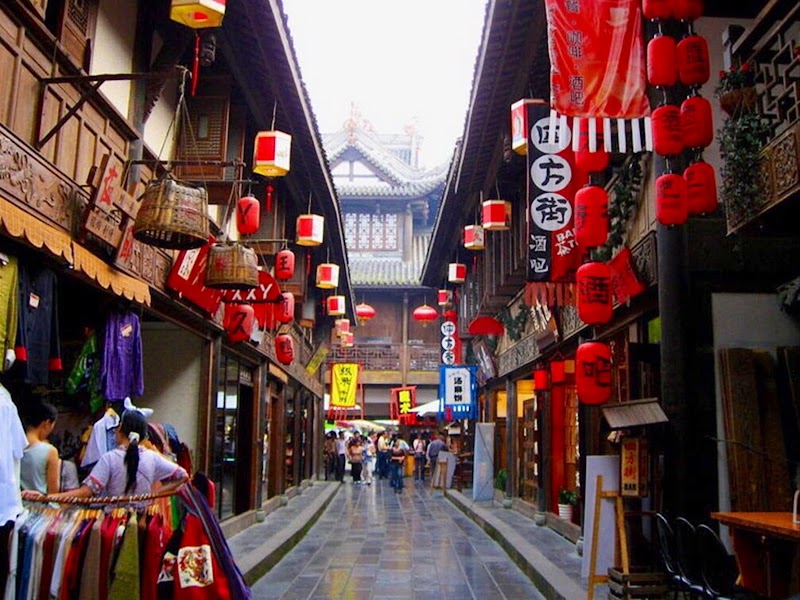
Jinli Ancient Street (锦里古街)
Wuhou District – Jinli / Wuhouci · 90 minMoney-Saving Tips
- 1.Street food costs 5-20 yuan per dish — eat where locals eat for the best prices and flavors
- 2.Metro day passes (18 yuan) beat individual tickets if you're temple-hopping across the city
- 3.Many parks charge 2-5 yuan admission, but People's Park stays free and has better people-watching
- 4.Hotpot restaurants offer lunch specials 30-50% cheaper than dinner prices — same food, smaller crowds
- 5.Book panda tickets online in advance (58 yuan) to skip the entrance queues and potential sellouts
- 6.Local buses cost 2 yuan flat rate versus 15-30 yuan for the same distance by taxi
- 7.Tea houses charge by the pot, not per person — sharing jasmine tea for 30 yuan beats individual orders
Travel Tips
- •Download a VPN before arriving — Google Maps and Instagram won't work otherwise
- •Learn to use chopsticks properly — Sichuan cuisine requires some dexterity with noodles and tofu
- •Carry tissues everywhere — public restrooms rarely provide toilet paper
- •Book panda visits for early morning slots when the bears are most active and playful
- •Bring cash — many street vendors and small restaurants don't accept foreign cards
- •Pack antacids if you have a sensitive stomach — Sichuan spice levels aren't negotiable
- •Download translation apps with camera function for reading menus and street signs
- •Respect local tea house etiquette — don't rush the experience or hog tables during peak hours