Hakone
Hot springs and Mount Fuji views in Japan's spa paradise
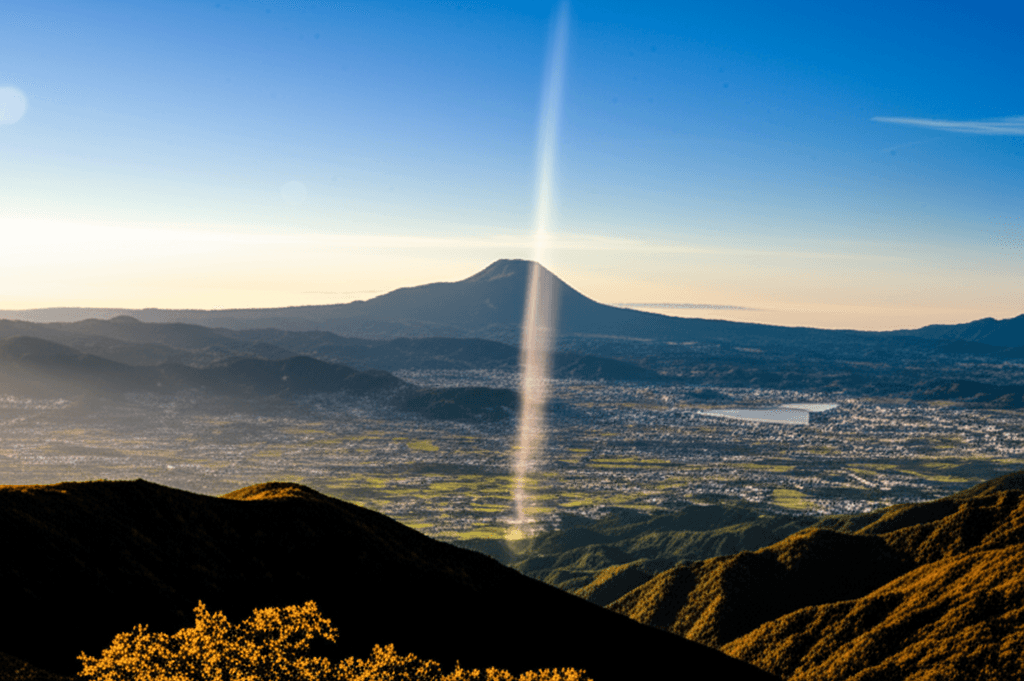
Hakone sits in the shadow of Mount Fuji like Japan's answer to a luxury wellness retreat. This volcanic valley town has been drawing visitors to its hot springs for over a thousand years, and honestly, not much has changed about why people come. You're here for the onsen, the mountain views, and the chance to slow down in a country that rarely does. The sulfur-scented steam rising from natural springs mixes with crisp mountain air, while traditional ryokans dot the hillsides like something from a postcard. But here's what the postcards don't show: Hakone can get crowded, especially on weekends when Tokyo empties into the mountains. The weather changes fast up here, and that famous Fuji view? It's shy, hiding behind clouds more often than not.
Best Months
MAR · APR · MAY · SEP · OCT · NOV
~20°C · moderate crowds
Culture & Context
VOLCANIC HOT SPRING HERITAGE
Hakone sits inside Fuji-Hakone-Izu National Park, about 85km southwest of Tokyo. It's been a resort town since the Meiji era when wealthy Tokyoites and foreign residents from Yokohama built retreats here. The area spans 13 distinct hot spring types across multiple volcanic zones.
Owakudani's sulfurous vents are still geologically active, which occasionally shuts parts of the ropeway. The region has 13 distinct onsen water types, each with different mineral compositions and temperatures. Tipping is not done in Japan and offering money as a tip can cause genuine confusion or embarrassment.
Shoes come off at the entrance to every ryokan, many restaurants, and temples. At shrines, the ritual is: two bows, two claps, one bow. Hakone holds a unique place in Japanese pop culture — it's the setting for Neon Genesis Evangelion, and fans will recognize "Tokyo-3" references throughout the town.
Eating while walking is technically fine but frowned upon near shrine districts. Most restaurants in Hakone are dinner-and-done affairs, closing well before the evening gets going.
Local Customs
ONSEN ETIQUETTE ESSENTIAL
Onsen etiquette is non-negotiable: wash your entire body at the shower station before entering the shared bath. The bath is for soaking, not cleaning. Soap never goes into the water..
Enter the bath completely nude. Swimsuits are banned in traditional onsen — this is firm, not a suggestion.. Tattoos are still restricted at many public onsen.
Hakone is more tattoo-friendly than most regions, especially at properties with private baths, but always check in advance. Some places allow small tattoos covered with patches.. Keep your small towel out of the water.
Fold it on your head or leave it at the side — never submerge it.. Don't stay in the bath more than 15-30 minutes at a time. The water is hot (40-44°C), and the risk of dizziness is real.
Get out, cool down, come back.. Never drink heavily before or during an onsen session.. Shoes off before entering any ryokan, many restaurants, and all temples.
Indoor slippers are usually provided.. No tipping. Ever.
It causes confusion and can even be seen as rude.. Speak quietly in public spaces — trains, shrines, onsen lounges. This is a genuinely observed norm, not a suggestion..
At Shinto shrines: bow twice, clap twice, bow once. Even a rough attempt is appreciated.. Most restaurants close by 6pm in Hakone.
If your ryokan doesn't include dinner, plan your evening meal early or bring snacks.. Golden Week (late April to early May) and Obon (mid-August) see massive domestic travel surges. Prices spike and ryokan book up months in advance.
Avoid if you can, or book extremely early.
Safety
VOLCANIC ALERTS CHECK DAILY
Japan holds a Level 1 (Exercise Normal Precautions) travel advisory from the U.S. State Department as of 2026 — one of the lowest risk ratings on Earth.
Violent crime against tourists is essentially nonexistent. Petty theft in crowded transport hubs is the main thing to watch for. Here's what's actually specific to Hakone: Volcanic activity is a real factor.
Hakoneyama (Mt. Hakone) is monitored at volcanic alert Level 2 (out of 5), meaning hikers need to stay on designated trails and the ropeway or certain Owakudani areas can close without much notice. Always check the Hakone Navi status page (hakonenavi.
jp) before planning your day around the ropeway. The Owakudani restaurant at Owakudani Station is also closed for renovation from May 11 through late July 2026. The Hakone Tozan Bus Kyukaido Line (K Line) had partial service suspension in late April-early May 2026 — always check current status before travel.
Mountain weather changes fast. Hakone sits cooler than Tokyo, especially at elevation, and mornings can be significantly colder than afternoons even in summer. Dress in layers.
Download the Safety Tips app (Japan Tourism Agency) before arriving — it sends real-time earthquake and tsunami alerts in English. In an emergency: police is 110, ambulance/fire is 119. The JNTO visitor hotline (050-3816-2787) operates 24/7 in English for tourist emergencies.
Getting Around
HAKONE FREEPASS REQUIRED
The Hakone Freepass is the one ticket you need. Bought from Shinjuku Station, it costs 6,100 yen for 2 days or 6,500 yen for 3 days and covers unlimited rides on eight transportation modes: the Odakyu train from Shinjuku to Hakone-Yumoto, the Hakone Tozan Railway (the mountain switchback train up to Gora), the Hakone Tozan Cable Car (Gora up to Sounzan), the Hakone Ropeway (Sounzan across Owakudani to Togendai), the Hakone Sightseeing Cruise (on Lake Ashi), Hakone Tozan Bus, Kanagawa Chuo Bus, and the Hakone Pirate Ship ferry. It also gets you discounts at most museums.
Budget separately for the Romance Car (the nicer reserved-seat express from Shinjuku to Hakone-Yumoto) — that's an extra 2,470 yen one-way on top of the Freepass, but it's a lovely 90-minute ride. Alternatively, take the Shinkansen from Shinagawa to Odawara (25 minutes), then the local Hakone Tozan Railway 15 minutes to Hakone-Yumoto. The standard local train route from Shinjuku takes about 2 hours with one transfer at Odawara and costs ~2,500 yen.
The Hakone Ropeway runs regular maintenance shutdowns — the official Hakone Navi site (hakonenavi.jp) posts real-time service status in English. Bus routes can change seasonally.
For day trips from Tokyo, leave Shinjuku before 8am to beat the crowds at the main attractions. Most restaurants and many attractions close by 5-6pm, so plan your day accordingly.
Useful Phrases
Hakone Itineraries
View all
Seven Lush Days in Hakone’s Forested Onsen Valleys
Week · $$$

Misty Forests & Mountain Steam: A Hakone Jungle Escape
Weekend · $$$
3 Days in Hakone’s Misty Forests and Mountain Springs
Day Trip · $$$
7 Lush Days in Hakone: Forest Onsens & Lake Romance
Week · $$$
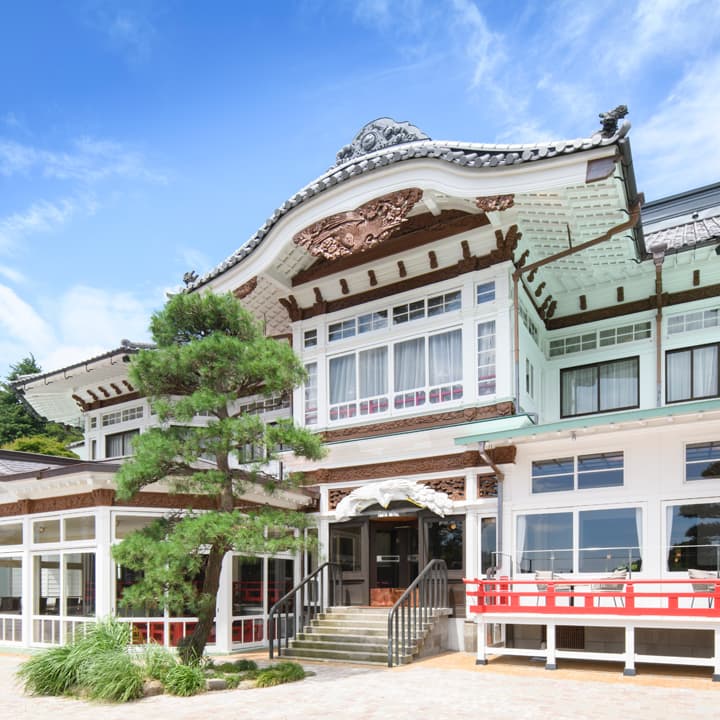
Three Romantic Days in Hakone’s Forests, Lakes, and Onsens
Weekend · $$$
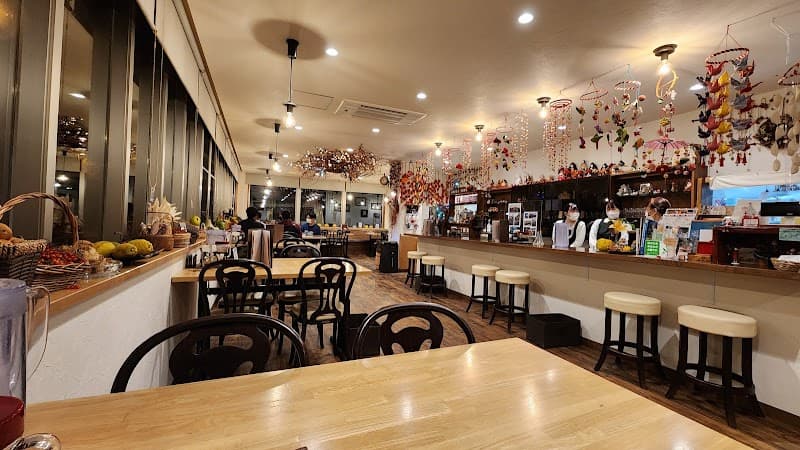
Hakone Jungle-Wild Romance: Onsen, Art, and Lake Views
Day Trip · $$$
Things to Do in Hakone
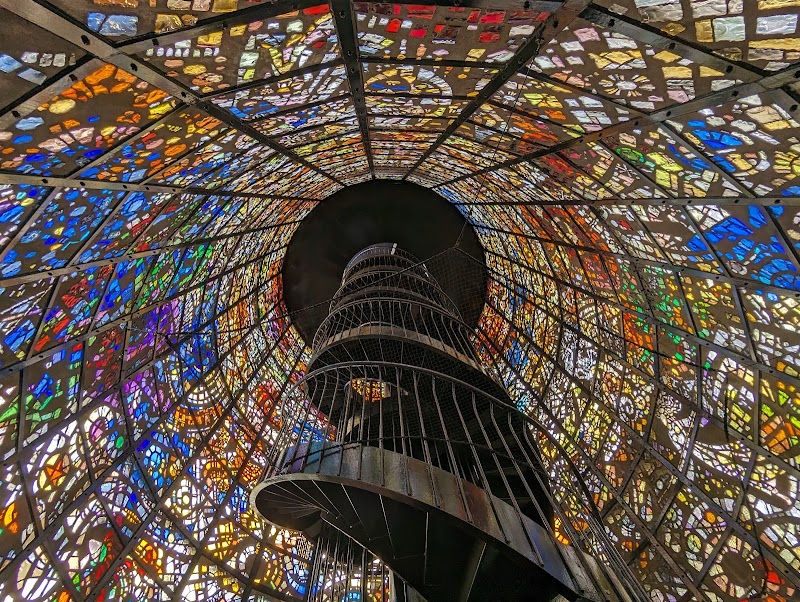
Hakone Open-Air Museum
Gora · 120 min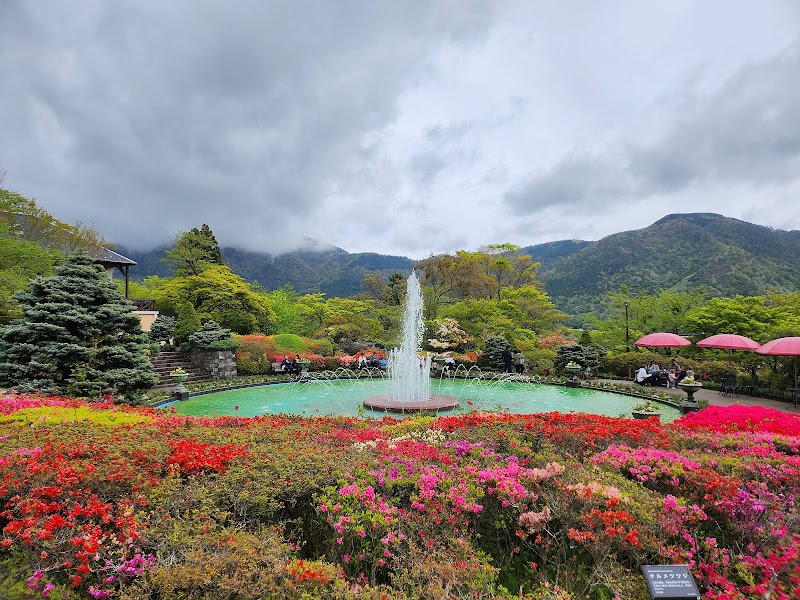
Hakone Gora Park
Gora · 60 min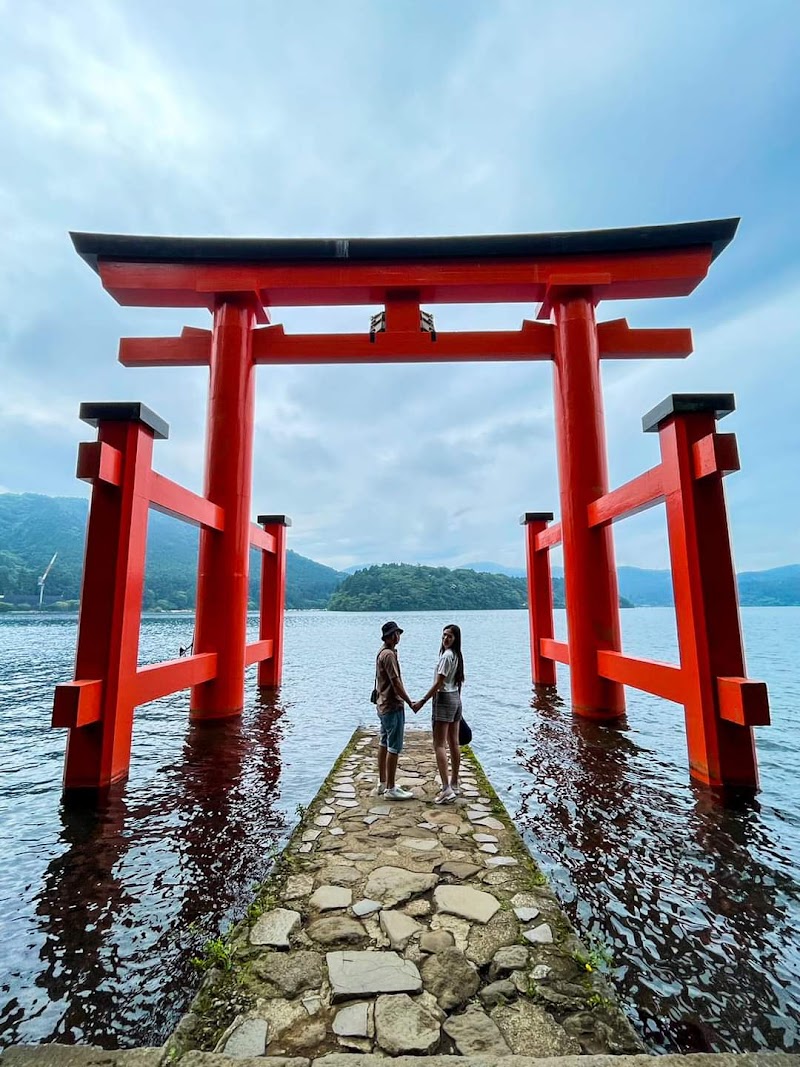
Hakone Shrine
Moto-Hakone · 90 minMoney-Saving Tips
- 1.Buy the Hakone Free Pass (¥6,100) if staying 2+ days - it covers all transport plus discounts at attractions
- 2.Book ryokans directly for better rates than booking sites, especially for weekday stays
- 3.Eat lunch at convenience stores - 7-Eleven and Lawson stock quality bento boxes for ¥500-800
- 4.Visit Owakudani early morning to avoid ropeway crowds and potential weather closures
- 5.Stay Sunday-Thursday for significantly lower accommodation rates, especially at luxury properties
- 6.Pack your own snacks - mountain area prices run 30-50% higher than Tokyo
- 7.Use hotel shuttle buses when available instead of taxis - many properties offer free station transfers
Travel Tips
- •Download offline maps - mountain areas have spotty cell coverage, especially around Lake Ashinoko
- •Bring onsen etiquette knowledge - wash thoroughly before entering baths and never wear swimwear
- •Pack layers and rain gear - mountain weather changes quickly and clouds roll in fast
- •Learn basic onsen rules: tattoos are often prohibited at traditional facilities
- •Book dinner reservations early - popular restaurants fill up, especially on weekends
- •Carry cash - many local businesses don't accept cards, including some ryokans
- •Check ropeway status before traveling - high winds and fog cause frequent closures
- •Respect photography rules at ryokans - many prohibit photos in onsen areas and guest rooms