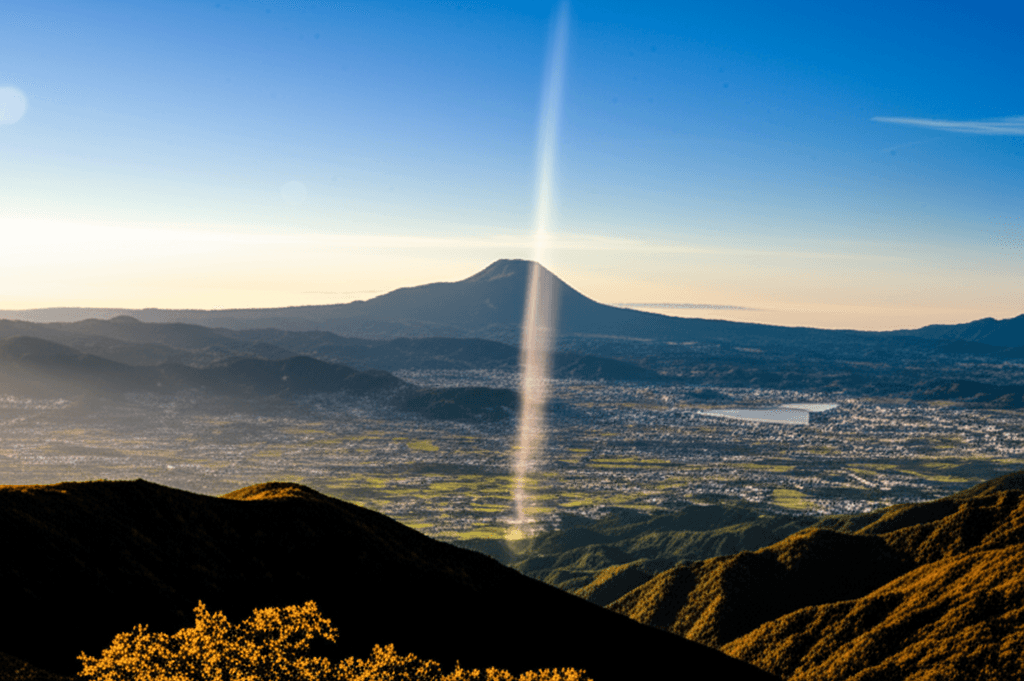
Hakone in March
Great time to visit
March marks the transition from winter's crystal clarity to spring's softer beauty. Crowds start building as cherry blossom anticipation grows, but you'll still find peaceful moments between rain showers.
Weather
March brings the first hints of spring warmth, though mornings still require jackets. Rain becomes more frequent as the season transitions, but it's usually light and brief. The air starts getting hazier as humidity increases.
14°C high4°C low10 rain days
Crowds & Cost
moderate crowds
~$200/day average
Events & Festivals
- •Early plum blossoms
- •Hinamatsuri (Girls' Day) celebrations
March Tips
- •Pack both winter and spring clothes - temperature swings are dramatic
- •Book accommodations early as cherry blossom season approaches
- •Morning hikes offer better weather than afternoon showers
All Months
Spring brings cherry blossoms to lower elevations in early April, while higher areas bloom through May. The weather stays mild but unpredictable - pack layers because mountain temperatures drop fast. Summer means hydrangea season along the Hakone Tozan Railway, with peak blooms in mid-June. But it also brings crowds, humidity, and afternoon thunderstorms that can shut down the ropeway. Fall delivers Hakone's most reliable weather and spectacular autumn colors. November offers the best Mount Fuji visibility, with clear days becoming more common as humidity drops. Winter sees fewer tourists but also more cloudy days. Snow occasionally dusts the mountains, creating postcard scenes but making some hiking trails inaccessible. Hot springs feel especially good in cold weather, though. Here's what matters most: Mount Fuji appears most clearly in winter and late fall, but spring and summer offer better hiking conditions. The mountain is notoriously camera-shy, hiding behind clouds roughly 70% of the time.
Hakone Scores
Solo
8/10
Couples
9/10
Families
7/10
Adventure
5/10
Budget
5/10
Luxury
8/10
BUILD YOUR HAKONE PLAN
Insider picks, smart timing, and a plan ready when you are.